

Affiliate Disclosure
Plumber Guide Guys is a participant in the Amazon Services LLC Associates Program, an affiliate advertising program designed to provide a means for sites to earn advertising fees by advertising and linking to Amazon.
Is Liquid Plumber Safe for PVC Pipes? Ever thought about the harm Liquid Plumber might do to your home’s plumbing? People often use it to clear clogs without thinking about the risks to PVC pipes.
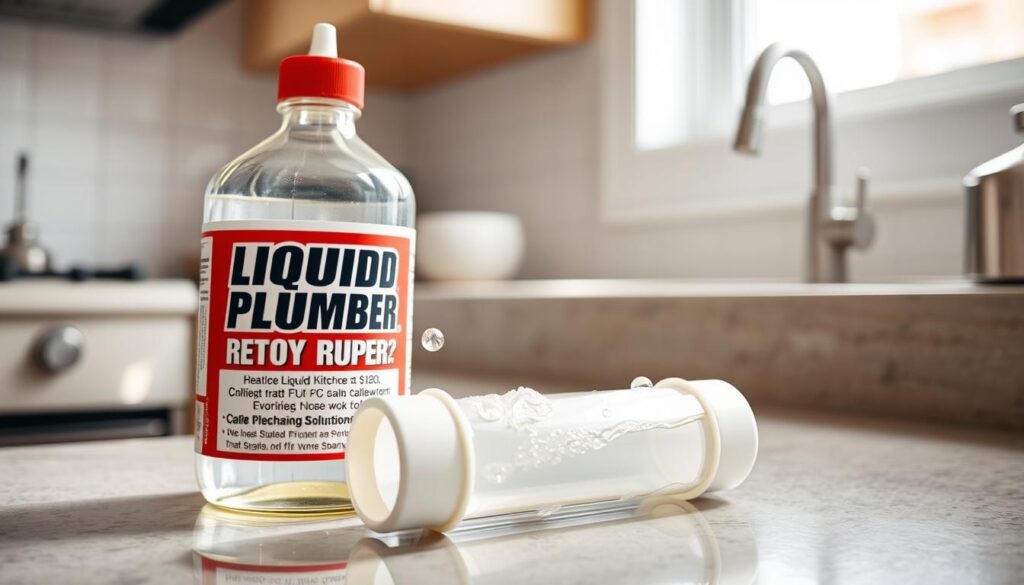
PVC pipes are common in modern homes because they’re durable and affordable. But is Liquid Plumber safe for them? Knowing how to clear clogs without harming your pipes is key to a healthy plumbing system.
Drain cleaners like Liquid Plumber might solve problems quickly. But they could also cause hidden damage in your pipes. Your plumbing system is complex and needs careful care to keep drains flowing and pipes strong.
Key Takeaways
- Chemical drain cleaners can potentially damage PVC pipes
- Understanding pipe material is critical for proper maintenance
- There are safer ways to clean drains
- Regular maintenance can prevent big clogs
- Getting expert advice can protect your plumbing
Table of Contents
Understanding PVC Pipes and Their Role in Home Plumbing
PVC pipes have changed plumbing with their great performance and flexibility. They are key in managing water in your home, solving drainage and water transport issues.
PVC pipes resist chemicals well, making them perfect for homes. They can handle different environments without losing strength.
Drainage System Functionality
PVC pipes use gravity to move water and waste. Their smooth inside helps water flow without getting stuck. Knowing how they work shows their value.
Common Plumbing Applications
- Fresh water distribution
- Wastewater removal
- Sewage transportation
- Irrigation systems
- Underground drainage
Material Properties and Characteristics
Understanding PVC’s core traits is key when choosing a drain cleaner:
- Lightweight design
- Corrosion resistance
- Chemical stability
- Cost-effective manufacturing
- Long-lasting durability
Homeowners love PVC pipes for their strength, flexibility, and chemical resistance. They last long and keep their shape, making them a top choice for plumbing.
The Chemical Composition of Liquid Plumber
Chemical drain cleaners, like Liquid Plumber, use strong reactions to clear clogs. Knowing what’s in them helps protect your pipes, like PVC, from harm.
- Sodium hydroxide: A strong chemical that heats up during use
- Aluminum particles that start chemical reactions
- Surfactants that break down organic stuff
Active Ingredients and Their Effects
The main way these cleaners work is through intense chemical reactions. Sodium hydroxide, or lye, heats up and breaks down things like hair and food.
How Liquid Plumber Works on Clogs
When you pour Liquid Plumber into a drain, it starts a fast chemical reaction. This reaction can heat up to 200 degrees Fahrenheit. It helps melt and remove tough clogs.
Warning: While effective, chemical drain cleaners and PVC pipes can have a complicated relationship that might compromise pipe integrity.
It’s important to think about how chemical cleaners and PVC pipes interact. This helps avoid damage to your home’s plumbing system.
Is Liquid Plumber Safe for PVC Pipes?
Many homeowners wonder if liquid plumber is safe for PVC pipes when dealing with stubborn drain clogs. The truth is, chemical drain cleaners can be risky for your plumbing system, including PVC pipes.
It’s important to understand the risks of using liquid plumber on PVC pipes. The corrosive chemicals in these products can lead to several problems:
- Generate extreme heat that weakens PVC pipe structure
- Cause cracking and long-term pipe damage
- Compromise the integrity of pipe joints and connections
Professional plumbers often advise against using chemical drain cleaners on PVC pipes because of the damage they can cause. The intense chemical reaction can break down the pipe material, leading to expensive repairs and water damage.
“Prevention is always better than expensive pipe replacement” – Professional Plumbing Experts
Your pipes are at risk of chemical reactions that can weaken them. Is liquid plumber safe for PVC pipes? Definitely not. The short-term benefits of chemical drain cleaners are not worth the long-term damage to your home’s plumbing system.
Instead of risking your pipes, consider safer options like plungers, drain snakes, or enzymatic cleaners. These can clear clogs without causing structural damage.
Potential Risks of Chemical Drain Cleaners to PVC
Chemical drain cleaners like Liquid Plumber can harm your PVC pipes. It’s important to know the risks to keep your pipes safe and your home’s plumbing in good shape.
Heat Generation and Structural Vulnerabilities
Drain cleaners react with heat, which can weaken PVC pipes. This heat can cause:
- Warping of pipe structures
- Potential melting of pipe walls
- Weakening of pipe material strength
“The heat from chemical reactions can transform flexible PVC into a vulnerable, potentially damaged infrastructure.” – Plumbing Maintenance Experts
Long-term Pipe Damage Mechanisms
Using harsh drain cleaners on PVC pipes can lead to damage over time. It can cause tiny cracks and weaken the structure, affecting your plumbing system.
Critical Joint and Connection Risks
Chemical drain cleaners can also harm the connections between pipes. This can lead to:
- Leaks at pipe joints
- Reduced structural integrity
- Potential complete pipe separation
It’s key to protect your PVC pipes by understanding these risks. Choose safer options to keep your plumbing system in good condition.
Safe Alternatives to Chemical Drain Cleaners
Dealing with tough clogs in your plumbing can be a challenge. Chemical drain cleaners might seem like a quick fix, but they can harm your PVC pipes. Luckily, there are safer ways to keep your drains flowing without damaging your pipes.
Mechanical methods are the safest way to clear PVC drains. They are gentle yet effective in removing clogs:
- Plungers: Create suction to dislodge blockages
- Drain snakes: Manually break through tough clogs
- Plumbing augers: Reach deeper pipe obstructions
Enzymatic cleaners are another great option. These natural treatments use bacteria to break down organic matter. They do this without harming your plumbing system.
| Method | Effectiveness | Pipe Safety |
|---|---|---|
| Plunger | High | Excellent |
| Drain Snake | Very High | Good |
| Enzymatic Cleaner | Moderate | Excellent |
Experts say these methods are the best for fixing clogs without harming your PVC pipes. By using mechanical or enzymatic cleaners, you avoid chemical damage. This keeps your pipes safe and your drains flowing well.
Enzymatic Drain Cleaners: A Gentler Solution
Enzymatic drain cleaners are a safe choice for homeowners worried about PVC pipes. They are a gentler way to keep your plumbing system working well. This is true for those looking for drain cleaners safe for plastic pipes.
These cleaners use a special biological process. They use bacteria and enzymes to break down organic matter in your pipes. This makes them a natural and eco-friendly option.
How Enzymatic Cleaners Operate
The secret of enzymatic drain cleaners is their tiny workers. These biological agents target organic materials by:
- Breaking down food particles
- Dissolving hair and soap scum
- Eliminating organic buildup without damaging pipe materials
Advantages and Considerations
Enzymatic cleaners are great for protecting your pipes. But, there are things to know. Drain cleaning experts say these solutions have special benefits:
- Environmentally friendly approach
- Safe for septic systems
- No corrosive chemical reactions
- Gentle on PVC pipe infrastructure
“Enzymatic cleaners represent the future of safe, sustainable drain maintenance.” – Plumbing Professionals Association
Remember, these cleaners work slower than chemical ones. But, they offer long-term protection without harming your plumbing. They just need patience.
Prevention and Maintenance Tips for PVC Pipes
Keeping your home’s plumbing safe is key, and PVC pipes are no exception. Knowing how to care for your pipes is vital. Regular upkeep can cut down on the need for harsh chemicals.
For your PVC pipes to last long and resist chemicals well, follow these tips:
- Check your drains every month for signs of blockages
- Use drain strainers to stop hair, food, and other debris from getting in
- Flush your drains with hot water once a week to clear out small buildups
- Don’t throw grease, coffee grounds, or foods that expand in water down the drain
It’s important to take care of your plumbing system before problems start. Mechanical drain cleaning methods are often better and gentler than chemicals. Here are some good alternatives:
- Try a plunger for small clogs
- Get a drain snake for tougher blockages
- Have your pipes checked by a pro every year
Watch for signs like slow drains, bad smells, or gurgling sounds. These could mean you have a bigger problem that needs fixing fast to avoid serious damage to your PVC pipes.
Proactive maintenance is always more cost-effective than emergency repairs.
By following these tips, you can keep your plumbing system safe and avoid big pipe problems. Remember, regular care is the secret to your PVC pipes lasting a long time.
When to Call a Professional Plumber
Dealing with plumbing issues can be tricky, and some problems need expert help. Knowing when to call a professional plumber can save you from costly repairs and damage to your pipes.

It’s important for homeowners to recognize warning signs of serious pipe damage. If you’re having trouble with liquid plumber on PVC drains, it might be a sign of a bigger problem.
Critical Signs of Serious Pipe Damage
- Recurring clogs that don’t resolve with standard methods
- Unusual gurgling sounds from drains
- Water backing up in multiple fixtures
- Visible pipe corrosion or damage
- Unexplained water damage near pipe connections
Emergency Plumbing Situations
Some plumbing emergencies need immediate help:
- Sewage backup in your home
- Burst pipes causing significant water damage
- Complete drainage system failure
- Signs of structural water damage
Professional plumbers have the tools and knowledge to fix complex plumbing issues. They can find out how bad the damage is and suggest the best fix.
Remember: Early intervention by a professional can prevent expensive repairs and protect your home’s plumbing infrastructure.
Conclusion
Dealing with drain cleaning can be tricky, even more so with PVC pipes. Knowing if Liquid Plumber is safe for PVC pipes means looking at the risks and your plumbing needs. Chemical cleaners can harm your pipes.
Focus on preventing clogs and using gentle cleaners. Enzymatic cleaners and professional plumbers are safer than harsh chemicals. Always think about your pipes’ long-term health, not just quick fixes.
Keeping your home’s plumbing in good shape is key. Regular checks, proper disposal, and the right cleaning methods can help your PVC pipes last longer. If you have ongoing issues or suspect damage, get expert help.
Knowing the dangers of chemical cleaners helps you protect your plumbing. Choose gentle, effective solutions that keep your PVC pipes strong. This way, you avoid expensive repairs later on.