

Affiliate Disclosure
Plumber Guide Guys is a participant in the Amazon Services LLC Associates Program, an affiliate advertising program designed to provide a means for sites to earn advertising fees by advertising and linking to Amazon.
Is Liquid Plumber Bad for Pipes? Ever thought that quick fix for your clogged drain might harm your home’s plumbing? Chemical drain cleaners like Liquid Plumber might seem handy, but they could be causing more harm. It’s key to know if is liquid plumber bad for pipes to protect your home.
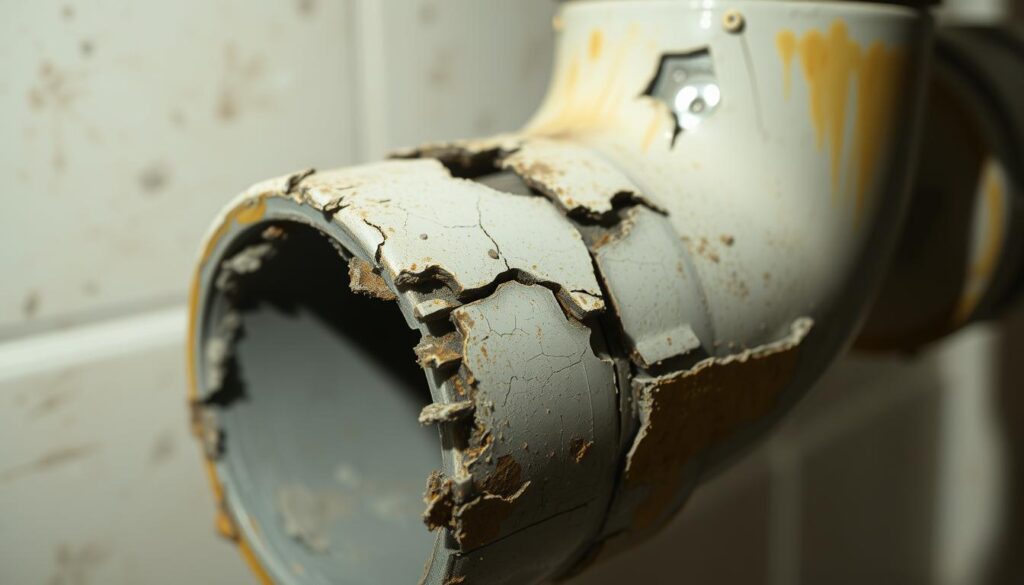
Liquid Plumber and similar cleaners can seriously damage your pipes. The harsh chemicals can break down pipe materials, weakening seals. This can lead to long-term damage that’s not easy to spot.
Many homeowners use these products without knowing the risks. The strong chemical reactions can corrode metal pipes and warp plastic ones. This can harm your plumbing system’s overall health.
Key Takeaways
- Chemical drain cleaners can cause permanent pipe damage
- Different pipe materials react differently to chemical cleaners
- Long-term use can lead to costly plumbing repairs
- Alternative drain cleaning methods are safer and more effective
- Professional plumbers can provide expert drain maintenance
Table of Contents
Understanding Chemical Drain Cleaners and Their Components
Chemical drain cleaners are strong solutions for tough clogs in your plumbing. Knowing what they’re made of and how they work helps you use them safely.
These cleaners come in different formulas, each for different clogs. Understanding their action can protect your pipes and plumbing system.
Types of Chemical Drain Cleaners
Chemical drain cleaners fall into three main types:
- Caustic Drain Cleaners: Use alkaline stuff like sodium hydroxide
- Oxidizing Drain Cleaners: Use bleach and peroxides
- Acidic Drain Cleaners: Have strong acids like sulfuric acid
Active Ingredients in Liquid Plumber
Liquid Plumber mixes strong chemicals to tackle blockages. It breaks down organic stuff and clears pipes. The mix generates heat and reacts to dissolve blockages.
| Cleaner Type | Primary Ingredients | Effectiveness |
|---|---|---|
| Caustic Cleaners | Sodium Hydroxide | High for organic clogs |
| Oxidizing Cleaners | Sodium Hypochlorite | Moderate for grease |
| Acidic Cleaners | Sulfuric Acid | High for mineral buildup |
How Chemical Cleaners Work
Chemical drain cleaners break down organic stuff. They heat up and react to dissolve hair, grease, and other blockages in your pipes.
“Understanding the science behind chemical drain cleaners can help prevent possible plumbing damage.” – Plumbing Experts Association
Though effective, these cleaners can harm your plumbing if misused. Always follow the instructions and look for safer options when you can.
Is Liquid Plumber Bad for Pipes: The Truth About Chemical Damage
Many homeowners use liquid plumber to fix stubborn drain clogs. But they might not know the risks it poses to their pipes. The fight between liquid plumber and pipes is more complicated than it seems.
Chemical drain cleaners use strong reactions to break down clogs. But these chemicals can also harm your pipes. The heat from these reactions can weaken pipes and damage their structure.
- PVC pipes are very sensitive to liquid plumber damage
- Metal pipes can corrode from repeated chemical exposure
- Older plumbing systems are at higher risk of damage
“Chemical drain cleaners might provide quick relief, but they can create long-term plumbing nightmares.” – Professional Plumbing Association
Damage from liquid plumber happens in several ways. The harsh chemicals can wear down pipe materials, causing tiny cracks. These cracks can lead to leaks and pipe failures over time. Different materials react differently to these chemicals.
Your pipes are a delicate system that needs careful care. Knowing the risks of chemical drain cleaners helps you protect your home’s plumbing. It’s important to make informed choices for your pipes’ health.
The Impact of Drain Cleaners on Different Pipe Materials
Chemical drain cleaners can harm your home’s plumbing. It’s important to know the risks of using these cleaners. Different materials react differently, leading to long-term damage.
Your home’s plumbing is made of various materials. These can be damaged by harsh chemicals. The type of pipe affects how it handles these cleaners.
Effects on PVC Pipes
PVC pipes are very sensitive to chemical cleaners. They can:
- Get weaker
- Erode from chemicals
- Crack and leak
Impact on Metal Pipes
| Pipe Material | Chemical Damage | Risk Level |
|---|---|---|
| Copper Pipes | High risk of corrosion | Severe |
| Galvanized Steel | Fast rust formation | High |
| Cast Iron | Quick breakdown | Critical |
Damage to Older Plumbing Systems
Old plumbing is very vulnerable to chemical cleaners. Protecting pipes from drain chemicals is key for older systems. Chemicals can cause lasting damage, leading to expensive fixes or even needing to replace the pipes.
Experts suggest using mechanical cleaning or special treatments. These methods are safer for your plumbing system.
Signs of Pipe Damage from Chemical Drain Cleaners
Chemical drain cleaners, like Liquid Plumber, can quietly harm your home’s plumbing. It’s important to spot early signs of pipe damage. This helps avoid expensive fixes and keeps your plumbing in good shape.
When drain cleaners start to damage pipes, you’ll see some clear signs:
- Persistent Slow Drainage: Your sinks or showers drain slower, showing pipe corrosion
- Unusual Pipe Noises: You hear gurgling or bubbling sounds when water flows
- Foul Odors: Bad smells from drains hint at chemical breakdown
- Visible Fixture Discoloration: Rust-like stains or color changes around drain openings
Is liquid plumber bad for pipes? Yes, if you see these signs. Chemical cleaners can wear down pipes, harming older systems with metal or fragile pipes.
Ignoring these signs can lead to big plumbing problems. This includes pipe bursts, leaks, and system failures. Regular checks and care are key to avoiding major damage.
Safe Alternatives to Chemical Drain Cleaners
Keeping your pipes safe from chemicals is key to a healthy home. Chemical cleaners like Liquid Plumber can harm your pipes over time. So, finding safe alternatives is important for homeowners who want to protect their pipes.
Looking for safe options to liquid plumber? You have many effective choices. They keep your drains clear without damaging your pipes:
Natural Cleaning Solutions
- Baking Soda and Vinegar Method: A gentle yet powerful combo for minor clogs
- Enzymatic drain cleaners use natural bacteria to dissolve organic matter
- Hot water and salt solution for light drain maintenance
Mechanical Cleaning Methods
- Plunger: Best for quick blockage removal
- Drain snake: Reaches deep clogs without chemicals
- Hydro-jetting: A professional method for deep cleaning
Professional Drain Cleaning Services
For tough or severe clogs, professional services are the best choice. Trained plumbers can find and fix problems. They use special tools for safe and effective cleaning.
Professional help prevents long-term damage and keeps your pipes in top shape.
Exploring these safe alternatives to liquid plumber helps protect your pipes. You can keep your drains clean and functional without harming them.
Preventing Drain Clogs Without Harsh Chemicals
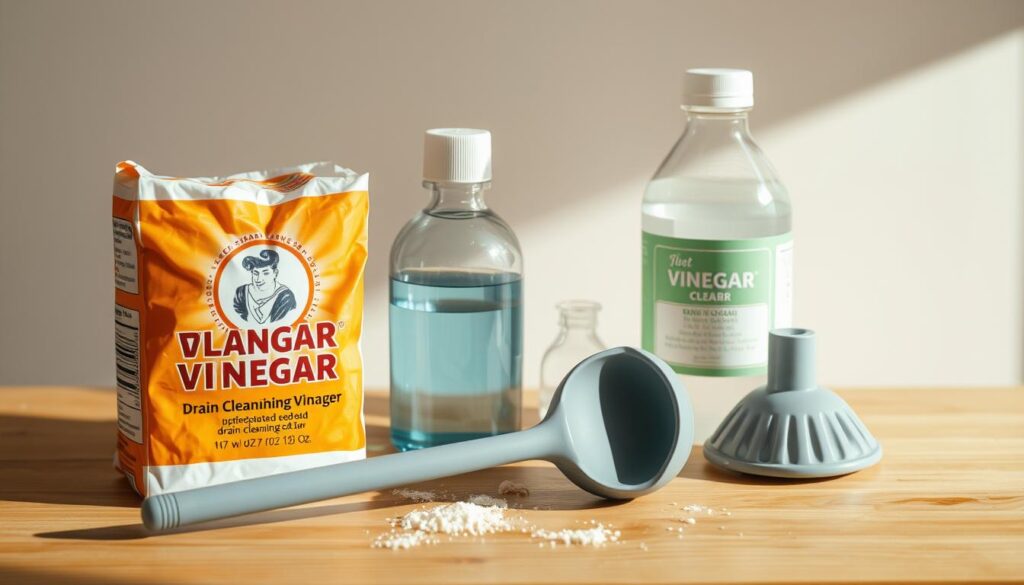
Keeping your pipes safe from harsh chemicals is easier than you think. Your home’s plumbing needs regular care to avoid expensive problems. Simple daily habits can help you avoid the need for harsh chemicals.
Here are some smart ways to prevent drain clogs:
- Install mesh drain screens in kitchen and bathroom sinks
- Regularly flush drains with hot water
- Avoid pouring grease or coffee grounds down the drain
- Use safe alternatives to liquid plumber for routine maintenance
Knowing your home’s plumbing needs is important. Different pipes need different care to last longer and work better.
| Pipe Type | Preventative Care Recommendations |
|---|---|
| PVC Pipes | Use enzyme-based cleaners, avoid boiling water |
| Metal Pipes | Regular vinegar rinses, minimize mineral buildup |
| Older Plumbing | Gentle cleaning, professional inspections annually |
By following these tips, you can keep your drains clean without harsh chemicals. Regular maintenance is key to protecting your home’s plumbing infrastructure.
Long-term Effects of Regular Chemical Cleaner Usage
Chemical drain cleaners like Liquid Plumber might seem like a quick fix. But, their repeated use can cause big problems for your home’s plumbing and the environment. It’s important to know the risks of using these cleaners to keep your home safe.
Impact on Plumbing Infrastructure
Using liquid plumber pipe damage often can harm your home’s plumbing. These harsh chemicals can damage pipe materials over time. This can lead to:
- Weakened pipe walls
- Increased risk of leaks
- Potential structural pipe failure
- Expensive repair or replacement costs
Environmental Consequences
The harm from chemical drain cleaners goes beyond your home. Toxic residues can:
- Contaminate water supplies
- Harm aquatic ecosystems
- Introduce harmful chemicals into soil
- Negatively impact wildlife populations
Health and Safety Concerns
Chemical drain cleaners can be dangerous to your health. Toxic fumes and possible skin contact can cause serious health issues. This includes respiratory problems and chemical burns. Keeping your family safe means choosing safer cleaning products.
Choosing safer alternatives can protect both your pipes and your health.
When to Call a Professional Instead of Using Drain Cleaners
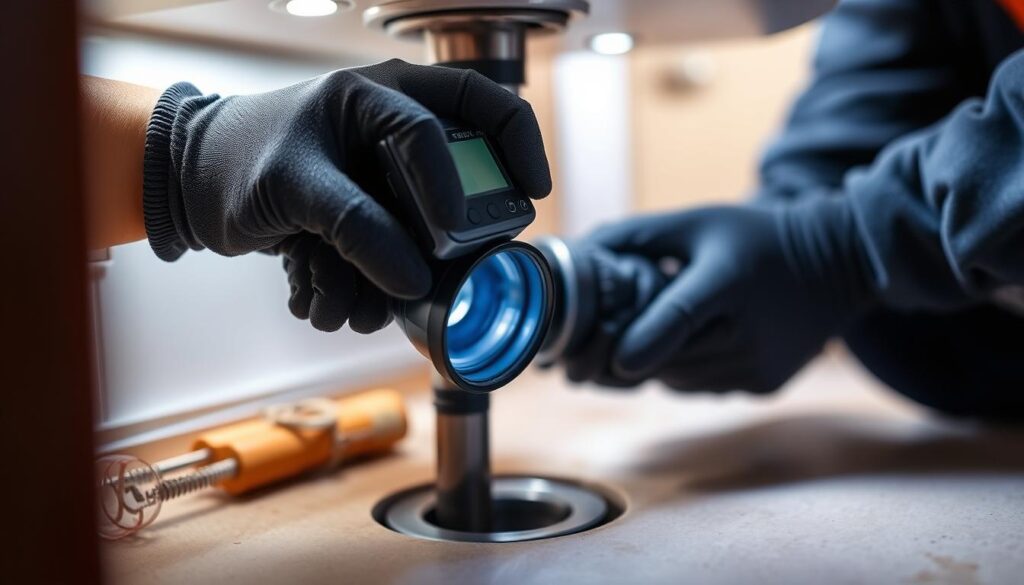
Knowing when to stop using liquid plumber and call a professional can save your pipes from damage. Is liquid plumber bad for pipes? Sometimes, persistent drain issues show a more serious problem that chemical cleaners can’t fix.
Watch for these critical signs that suggest you need professional plumbing help:
- Multiple slow drains throughout your home
- Recurring clogs that chemical drain cleaners cannot clear
- Unusual gurgling or bubbling sounds from pipes
- Visible sewage backup or standing water
- Foul odors emanating from drains
Professional plumbers offer safe alternatives to liquid plumber. They use advanced tools like camera inspections. These techniques help find problems that chemical cleaners might hide or make worse.
While professional services might seem expensive at first, they save you money in the long run. Experienced plumbers can:
- Accurately diagnose complex drainage problems
- Use specialized equipment for thorough cleaning
- Provide lasting solutions beyond temporary fixes
- Protect your home’s plumbing infrastructure
Protect your pipes and invest in professional expertise when DIY methods fall short.
Best Practices for Maintaining Healthy Pipes
Keeping your pipes safe from drain chemicals starts with regular care. Your plumbing system needs attention to avoid expensive fixes and last longer. Using safe alternatives to liquid plumber helps keep your pipes in great shape without harming them.
Creating a solid pipe maintenance plan includes several important steps:
- Use enzymatic drain cleaners for preventative maintenance
- Schedule regular professional inspections
- Practice mindful waste disposal
- Address minor plumbing issues immediately
Enzymatic drain cleaners are a gentle yet powerful way to protect your pipes. They break down organic matter without the harsh effects of traditional chemical cleaners.
| Maintenance Practice | Frequency | Benefits |
|---|---|---|
| Enzymatic Cleaner Treatment | Monthly | Prevents buildup, protects pipe integrity |
| Professional Inspection | Annually | Identifies problems early |
| Water Softener Maintenance | Bi-annually | Reduces mineral buildup |
Proactive maintenance is key to avoiding expensive plumbing repairs. By using these safe alternatives to liquid plumber, you can safeguard your pipes. This ensures your plumbing system works well for a long time.
Invest in your home’s infrastructure by treating your pipes with care and prevention.
Conclusion
Knowing if liquid plumber is bad for pipes can save you from costly repairs. Chemical drain cleaners can harm your home’s plumbing, more so for older or fragile pipes. Your best defense is knowing and taking care of your pipes ahead of time.
Looking for safe alternatives to liquid plumber is key for your pipes’ health. Plumbers suggest using mechanical cleaning and natural solutions to avoid damage. Learning about drain cleaning methods helps you make smart choices for your home’s pipes.
Your plumbing system is a big investment. Avoiding harsh chemicals and choosing gentler cleaning methods helps your pipes last longer. Regular checks by professionals and taking care of your pipes can save you money and avoid plumbing emergencies.
Every pipe is different, and what works for one might harm another. Talking to a professional plumber can give you advice tailored to your specific plumbing needs. This way, you can keep your plumbing system working well without risking damage.