

Affiliate Disclosure
Plumber Guide Guys is a participant in the Amazon Services LLC Associates Program, an affiliate advertising program designed to provide a means for sites to earn advertising fees by advertising and linking to Amazon.
Is Fuel Gas Part of Residential Plumbing System? Ever thought about if fuel gas connects to your home’s plumbing? Knowing how gas lines and plumbing systems work together is key for safe, efficient energy use.
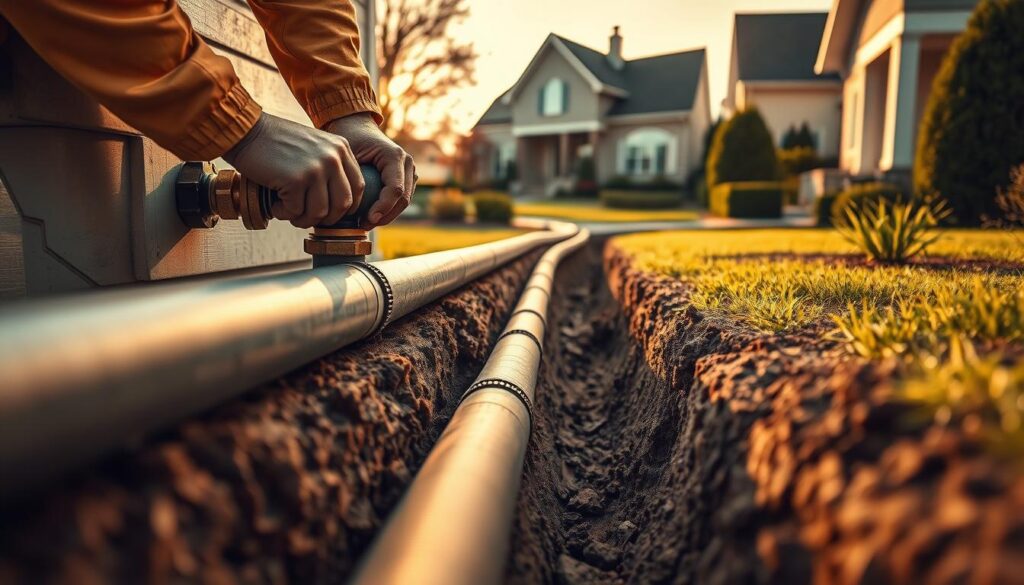
Gas lines are a part of home plumbing, but they need special skills and safety rules for installation. Water pipes and gas lines might look different, but they both need expert care.
Homeowners should know that gas systems are complex and need careful planning and upkeep. Experts say gas lines are special plumbing parts that need unique setup and strict safety rules.
Key Takeaways
- Gas lines are considered part of residential plumbing infrastructure
- Specialized professional skills are required for gas line installation
- Safety protocols differ significantly from standard water plumbing
- Building codes regulate gas line installation and maintenance
- Professional certification is essential for gas system work
Table of Contents
Understanding Residential Plumbing Systems
Your home’s plumbing system is a complex network. It ensures safe water delivery and gas distribution. Natural gas plumbing systems are key in modern homes. They connect essential appliances, keeping your home comfortable and functional.
Residential plumbing is more than just water pipes. It’s a detailed system with many parts. These parts support your household’s daily needs.
Core Components of Home Plumbing
- Water supply lines
- Drainage systems
- Propane plumbing for homes
- Gas distribution networks
- Fixture connections
Integration of Water and Gas Lines
Modern homes carefully connect water and gas lines. This ensures safety and efficiency. Propane plumbing needs precise routing and professional installation to avoid hazards.
“Proper integration of gas and water lines is critical for residential safety and performance.” – Professional Plumbing Association
Building Code Classifications
Building codes classify gas piping as part of plumbing. This ensures natural gas systems meet safety and installation standards.
Professional plumbers must follow strict guidelines. They design and install these systems for optimal performance and safety.
Is Fuel Gas Part of Residential Plumbing System?
To understand if fuel gas is part of a home’s plumbing, we need to look at what plumbers do and building codes. Gas lines are key to many home systems. They need the same care as water pipes.
Residential plumbing is more than just water. Gas lines are also a big part of a home’s setup. Plumbers know how to work with both water and gas lines.
- Gas lines carry fuel for heating and cooking.
- Plumbing systems handle both water and gas.
- Building codes say gas piping is part of plumbing.
Gas lines are technically part of plumbing because:
- They need special materials.
- They need a pro to install them.
- They must follow safety rules.
- They connect to home utilities.
Your home’s gas system is definitely part of the plumbing system. Plumbers are trained to set up and keep these gas networks safe and working well.
Professional plumbers make sure gas lines are installed safely and right in homes.
Types of Gas Lines in Home Plumbing
Gas line systems are key for modern homes. They provide energy for heating, cooking, and more. Knowing about different gas lines helps you choose the best for your home.
There are two main types of gas lines for homes: natural gas and propane. Each has its own features and needs special setup.
Natural Gas Piping Materials
Modern natural gas systems use several important materials:
- Black steel pipe: A traditional, strong choice for gas lines
- Copper pipe: Good for areas where corrosion is a concern
- CSST (Corrugated Stainless Steel Tubing): Easy to install and flexible
- Polyethylene pipe: A modern option for underground lines
Propane Gas System Components
Propane systems need special parts because of their high pressure and unique chemistry. Key parts include:
- Pressure regulators
- Special gas valves
- Piping that resists corrosion
- Systems to shut off gas quickly in emergencies
Modern Gas Line Installation Methods
Today’s gas line setup focuses on safety, efficiency, and accuracy. Experts use:
- Pressure testing to check the system’s safety
- High-tech leak detection tools
- Computer designs for the best route
- Trenchless methods for less disruption
Choosing the right materials and setup is key for a safe, effective gas plumbing system in your home.
Professional Qualifications for Gas Line Work
Working with gas lines needs special skills that go beyond regular plumbing. Homeowners must choose contractors who meet strict standards for safety and follow the law.
Experts in gas line systems need to have the right qualifications. This ensures homeowners are safe. The process for getting certified includes several important steps:
- Extensive technical training in gas line plumbing inspection
- State-issued professional licensing
- Documented safety certification
- Ongoing professional education requirements
Gas line work requires detailed technical knowledge and strict adherence to local codes. Contractors must show:
- Advanced understanding of pipe materials
- Comprehensive safety protocol knowledge
- Ability to perform detailed gas line plumbing inspection
- Expertise in detecting possible system vulnerabilities
Trying to fix gas lines yourself can be very dangerous. It can lead to explosions or carbon monoxide leaks. Professionals get thorough training to avoid these risks.
Safety isn’t an option—it’s a requirement in gas line work.
When picking residential gas plumbing contractors, homeowners should check their credentials. Make sure they are licensed and have current certifications. Your family’s safety depends on choosing experts who know how to handle gas line systems.
Safety Measures and Regulations in Gas Plumbing
Keeping your home safe from gas line dangers is key. Knowing the rules for gas pipes helps keep your family safe. It’s all about following the right standards.
Homeowners need to take safety seriously with gas lines. It’s not just about installing them right. It’s about making sure they’re safe for everyone.
Code Compliance Requirements
There are strict rules for gas pipes. Professionals must follow these to keep homes safe:
- Precise pipe material selection
- Proper pipe sizing and routing
- Appropriate connection techniques
- Regular pressure testing
- Documented installation procedures
Emergency Protocols
Being ready for a gas leak is vital. Here’s what to do:
- Evacuate the premises immediately
- Avoid using electrical switches
- Call emergency services from a safe location
- Contact your gas utility provider
Inspection Standards
Home gas lines need regular checks. Certified techs do detailed inspections. They look for:
- Leak detection tests
- Pressure measurements
- Structural integrity assessments
- Corrosion evaluations
Knowing these safety steps keeps your home safe from gas dangers.
Common Gas Appliances in Residential Settings
Gas appliances are key to modern home comfort and efficiency. They work with natural gas plumbing systems and propane for homes. This supports a variety of essential household equipment, making daily life easier.
Your home probably has several important gas-powered appliances. They need well-designed gas line connections to work right. These include:
- Cooking Ranges and Stoves: Professional chefs and home cooks love gas ranges for their precise temperature control
- Water Heaters: They give consistent hot water and are very energy efficient
- Furnaces: They keep your home warm during the cold months
- Clothes Dryers: They dry clothes faster than electric models
- Fireplaces: They create a warm, cozy atmosphere in your living space
Each appliance connects to your home’s natural gas plumbing systems through special gas line setups. Propane plumbing for homes also uses similar installation methods, but with some differences in connection and pressure.
Gas appliances usually work better and cost less to run than electric ones.
When picking gas appliances, think about energy efficiency, installation needs, and if they fit with your home’s plumbing. Getting them installed by a pro ensures they work safely and well.
Maintenance Requirements for Gas Plumbing Systems
It’s vital to keep your home’s fuel gas system in good shape. This ensures safety and avoids risks. Regular maintenance protects your family and property from gas line problems.
Homeowners need to know how to maintain their gas lines. This includes several important steps. By taking care of your gas line, you can avoid expensive fixes and dangerous situations.
Regular Inspection Schedules
Getting your gas lines checked by experts is a must. Here’s when you should do it:
- Annual full gas line check
- Quarterly look-over of visible gas lines
- Check right away after bad weather
Preventive Maintenance Tips
Here are key ways to protect your gas system:
- Keep gas appliance areas clean and clear
- Look for corrosion or damage on gas pipes
- Make sure gas equipment has good air flow
Warning Signs of Gas Line Issues
Watch out for these signs of gas line trouble:
| Warning Sign | Potential Indication | Recommended Action |
|---|---|---|
| Rotten egg smell | Gas leak | Evacuate immediately, call professionals |
| Hissing sounds near gas lines | Potential pipe damage | Contact gas line technician |
| Unexplained gas bill increases | Possible hidden leak | Schedule professional inspection |
Stay alert to keep your home safe. If unsure, always get help from a licensed pro for gas system care.
Gas Line Installation Process and Requirements
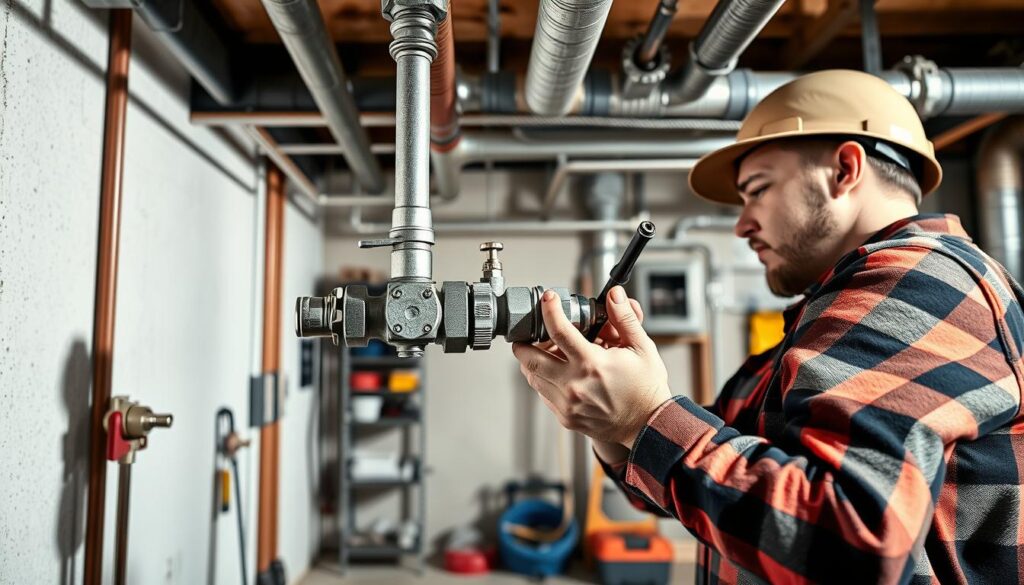
Installing a gas line in your home needs careful planning and expert help. Knowing the steps for gas pipe installation is key for safety and efficiency.
The first steps in installing a residential gas line are important:
- Conducting a thorough property assessment
- Obtaining necessary local permits
- Selecting appropriate piping materials
- Designing the gas line route
Professional technicians follow strict rules during gas pipe installation. They look at your home’s needs, like:
- Total gas demand
- Distance between gas meter and appliances
- Building structural constraints
- Ventilation requirements
“Safety is key in gas line installation. Always hire certified pros who know local building codes.” – National Plumbing Association
Important things to think about during gas line installation include:
| Requirement | Specification |
|---|---|
| Pipe Material | Black Iron or Approved Synthetic Pipes |
| Pressure Testing | Mandatory Leak Detection Procedures |
| Connection Standards | Rigid Threaded or Welded Joints |
Remember, bad gas line installation can cause dangerous leaks and safety risks. Always choose professional help and follow safety rules.
Cost Considerations and Insurance Implications
Homeowners need to understand the costs of fuel gas system maintenance. Residential gas plumbing contractors say that investing now can save money later. It can also avoid insurance problems.
The cost of gas line work changes based on several things:
- Complexity of the installation
- Materials needed
- Local labor rates
- Home layout
Insurance companies watch gas line installations closely. Bad work can cause them to deny coverage or raise your rates. Experts in residential gas plumbing know what insurers want.
| Service Type | Average Cost Range | Insurance Impact |
|---|---|---|
| Gas Line Inspection | $75 – $250 | Positive Compliance |
| Minor Repairs | $150 – $600 | Minimal Risk |
| Full System Replacement | $1,500 – $5,000 | Potential Premium Adjustment |
“Investing in professional fuel gas system maintenance is not an expense, but a critical safety investment.” – National Plumbing Safety Association
Plan to spend on regular professional checks. Gas line failures can cost a lot and damage your property. Getting help from skilled residential gas plumbing contractors can lower these risks.
Conclusion
Knowing if fuel gas is part of your home’s plumbing is key to safety. Your home’s gas system needs careful handling to avoid risks. Keeping an eye on your plumbing network is essential.
For home gas line safety, getting help from experts is vital. They know how water and gas systems work together. They make sure everything is installed right and follows local rules.
It’s important to remember that adding fuel gas to your plumbing needs special skills and safety steps. Keep your home safe by getting gas line checks every year. Also, watch for signs of gas problems and talk to licensed plumbers who know about gas systems.
By understanding and taking care of your home’s gas plumbing, you can avoid dangers. Always choose to prevent problems and seek advice from experts. This way, you can keep your home safe and sound.