

Affiliate Disclosure
Plumber Guide Guys is a participant in the Amazon Services LLC Associates Program, an affiliate advertising program designed to provide a means for sites to earn advertising fees by advertising and linking to Amazon.
Is a Water Heater HVAC or Plumbing? Ever thought if your water heater is part of the HVAC or plumbing system? Many people get confused about where water heaters fit. Knowing if it’s HVAC or plumbing helps with upkeep, installation, and fixing.
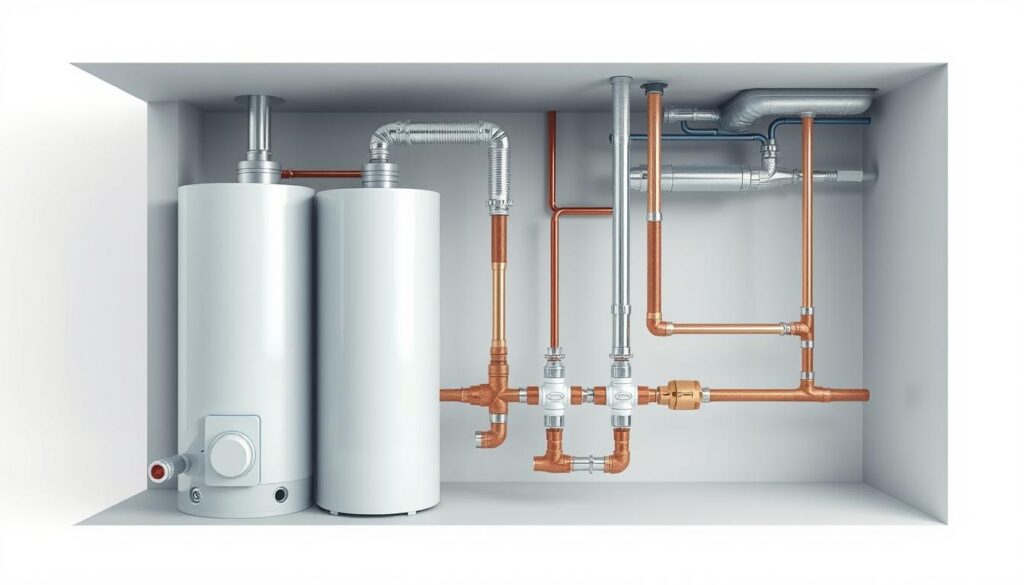
Water heaters are key in your home, giving you hot water for showers, washing machines, and kitchen use. They work closely with both HVAC and plumbing systems. But, their main job is in plumbing.
Some think water heaters are HVAC because they deal with heat. But, their main job is to heat water for home use, not control the home’s temperature like HVAC does.
Key Takeaways
- Water heaters are mainly part of the plumbing system
- They differ from HVAC systems in their core function
- Understanding system classification helps with proper maintenance
- Water heaters focus on domestic hot water production
- Professional classification matters for service and repair
Table of Contents
Understanding Water Heaters in Home Systems
Water heaters are key parts of modern homes, giving us hot water for everyday tasks. They’re essential for showering and washing dishes. Knowing how they work helps you choose the right one and keep it running well.
Water heaters turn cold water into warm water for our use. They run all the time, so we always have hot water when we need it.
Traditional Water Heater Components
Traditional water heaters have a few main parts:
- Storage tank for water retention
- Heating element (gas or electric)
- Thermostat for temperature control
- Pressure relief valve
- Anode rod for corrosion protection
Role in Household Infrastructure
Water heaters fit into your home’s plumbing system. They connect to your water supply and send hot water through pipes. This setup helps manage water flow and temperature well.
Basic Functionality and Purpose
“A well-maintained water heater is the unsung hero of home comfort.” – Plumbing Professionals Association
The main job is to heat water to a steady temperature, usually 120-140 degrees Fahrenheit. This needs careful temperature control and energy use.
| Water Heater Type | Average Lifespan | Maintenance Frequency |
|---|---|---|
| Traditional Tank | 8-12 years | Annual inspection |
| Tankless | 15-20 years | Bi-annual check |
| Heat Pump | 10-15 years | Annual maintenance |
Knowing how water heaters work helps you improve your home’s hot water system. It also ensures they last longer with the right installation and regular maintenance.
Is a Water Heater HVAC or Plumbing?
Many people wonder if a water heater is part of the HVAC or plumbing systems. Let’s sort out this confusion and explain what a water heater really is.
Water heaters are clearly part of the plumbing system, not HVAC. Both systems are important for home comfort, but they do different jobs. Here’s why:
- Plumbing systems manage water transportation and heating
- HVAC systems control temperature and air quality
- Water heaters connect directly to water supply lines
So, is a water heater HVAC or plumbing? It’s plumbing because it heats and distributes water. It connects to pipes that carry water to sinks, showers, and appliances.
Professional plumbers, not HVAC technicians, typically handle water heater installation and maintenance.
Knowing the difference helps homeowners make better choices about maintenance and repairs. Even though some systems, like heat pump water heaters, mix things up, the main role of water heaters is in plumbing.
The Relationship Between HVAC and Water Heating Systems
Modern home service contractors for water heaters are changing how we use heating systems in homes. The old lines between HVAC and water heating are fading. This makes our homes more efficient and comfortable.
Today, our heating systems are more complex. Contractors who work on water heaters know how to make these systems work better together. They find new ways to save energy.
Modern Integration Techniques
New HVAC systems use advanced tech to improve water heating. Hybrid water heating lets us heat both spaces and water at the same time. This cuts down on energy use.
- Heat pump water heaters
- Integrated boiler systems
- Smart temperature control mechanisms
System Overlap Areas
The meeting point of HVAC and water heating offers great chances for better home comfort. New heating tech makes it easy to share and manage energy.
| System Type | Energy Efficiency | Installation Complexity |
|---|---|---|
| Traditional Standalone | Low | Simple |
| Integrated Hybrid | High | Complex |
Efficiency Considerations
Experts look at many things when designing water heating solutions. Energy performance, system compatibility, and long-term cost savings are key. They help decide the best choice.
Knowing how these systems work together helps homeowners. It cuts down on energy waste and boosts system performance.
Types of Water Heaters and Their Classifications
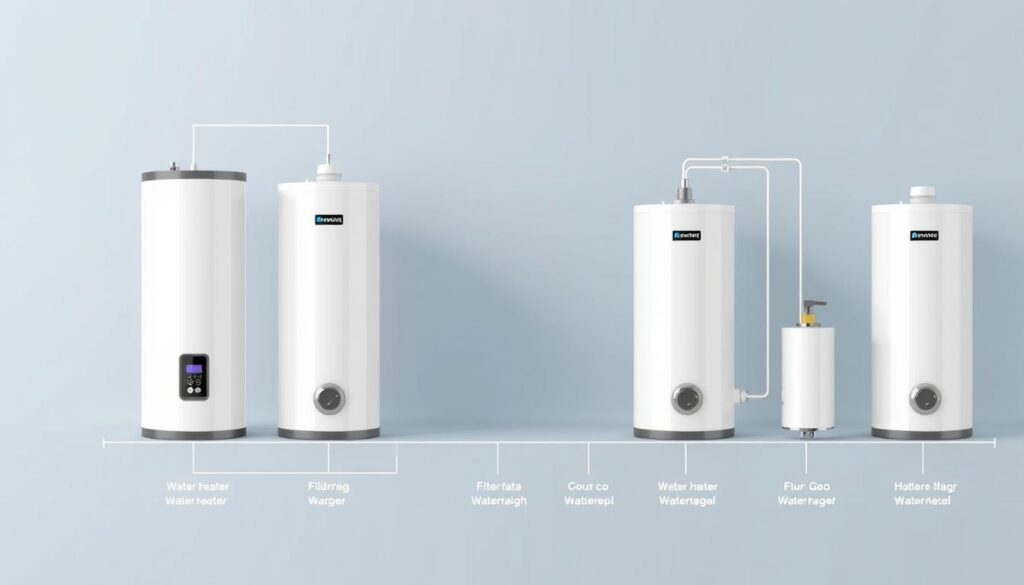
Exploring water heater installation categories reveals several types for different needs. Tankless water heater experts suggest knowing each system’s unique traits. This helps in making a well-informed choice.
The main water heater types are:
- Traditional Tank-Style Water Heaters
- Store 40-80 gallons of heated water
- Most common in homes
- Lower upfront cost
- Tankless Water Heaters
- Provide hot water on demand
- Compact design
- Higher energy efficiency
- Hybrid Heat Pump Water Heaters
- Use ambient air for heating
- Significantly reduce energy use
- Best in moderate climates
Choosing the right water heater depends on your needs. Tankless water heater experts can guide you. They consider household size, energy goals, and budget.
Each type has its own benefits. Your choice should consider initial cost, long-term savings, and how well it fits your home.
Hybrid Water Heaters: Bridging HVAC and Plumbing
Hybrid water heaters are a new way to make homes more comfortable. They use advanced technology to improve energy efficiency and performance. This is changing how water heater repair technicians work.
These heaters mix old and new technology. They use heat pump tech to heat water, unlike traditional heaters. This makes them much more energy-efficient.
Heat Pump Technology Explained
The heart of hybrid water heaters is their heat pump. Tankless water heater experts see this as a big leap forward. It:
- Grabs heat from the air
- Moves heat to water using little electricity
- Works better than old heating methods
Energy Efficiency Benefits
Homeowners save a lot of energy with hybrid water heaters. They can cut energy use by up to 60% compared to old electric heaters. This makes them good for the planet and your wallet.
Installation Requirements
Putting in a hybrid water heater needs careful thought. Important things include:
- Enough space with air flow
- Ambient temps between 40-90 degrees Fahrenheit
- Installation by certified techs
Though they cost more upfront, hybrid water heaters are worth it. They’re a smart choice for those wanting efficient and green home heating.
Professional Service Requirements for Water Heaters
When your water heater has problems, picking the right repair technician is key. They ensure your heater works well and safely. They need more than basic home skills.
Each water heater issue needs its own set of skills. A good technician knows how to handle complex systems and problems.
- Licensed plumbers handle most water heater services
- Electricians fix electrical parts
- HVAC experts work on heating system integrations
Technicians need certain qualifications to service water heaters:
| Certification Type | Required Skills | Typical Services |
|---|---|---|
| Master Plumber License | Comprehensive water system knowledge | Full system installation and repair |
| Electrical Certification | Electrical system expertise | Electrical connections and diagnostics |
| HVAC Specialist | Heating system integration | Advanced thermal system management |
Before you hire a technician, check their credentials and experience. Look for licensing proof, read customer reviews, and make sure they know your water heater type.
Professional expertise can save you a lot of time and money in water heater care.
Proper servicing fixes current problems and prevents future damage to your water heater.
Hot Water Boilers vs Standard Water Heaters
Knowing the difference between hot water boilers and standard water heaters is key. They both provide hot water but work in different ways in your home.
In the plumbing vs hvac systems world, boilers and water heaters have unique roles. Water heaters mainly heat water for use at home. Boilers, on the other hand, heat water or steam for the whole house.
Operational Distinctions
- Boilers generate heat for entire homes using water or steam distribution
- Standard water heaters mainly heat water for direct use
- Boilers often use oil or natural gas as fuel sources
- Water heaters usually rely on electricity or gas
Installation Considerations
Choosing between a boiler and a standard water heater depends on several factors. Boilers need a more complex setup and work with radiant heating systems. Standard water heaters are simpler to install and common in homes.
Choosing between a boiler and a standard water heater depends on your home’s specific heating and hot water needs.
In colder climates, boilers are a better choice for heating. In warmer areas, standard water heaters are often more affordable and practical.
Maintenance Requirements and Best Practices
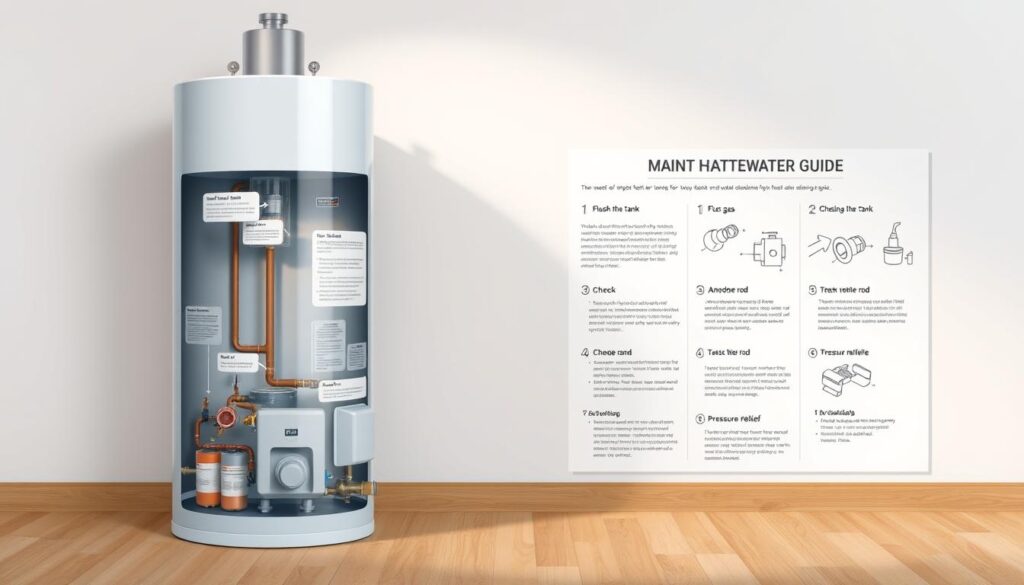
Keeping your hot water heater in good shape is key to its long life. Home service contractors for water heaters suggest being proactive. This helps your unit work well and avoids sudden failures.
Regular upkeep includes several important steps:
- Annual tank flushing to remove sediment buildup
- Checking pressure relief valves for proper functionality
- Inspecting anode rods for corrosion
- Testing water temperature and pressure settings
Homeowners should focus on these critical tasks:
| Maintenance Task | Frequency | Purpose |
|---|---|---|
| Drain and flush tank | Annually | Remove sediment, prevent corrosion |
| Check pressure relief valve | Every 6 months | Ensure safety mechanism works correctly |
| Inspect anode rod | Every 2-3 years | Prevent tank corrosion |
Professional inspections from certified home service contractors for water heaters can help identify problems early. This saves on expensive repairs later. Some tasks are easy for homeowners to do. But, complex issues need a pro’s touch.
Your water heater’s life depends on regular care. Think about getting a professional to check it every year. This keeps your system running smoothly and saves energy.
Understanding Water Heater Industry Classifications
Getting to know the water heater industry is key. It involves understanding professional classifications and licensing needs. As a homeowner, knowing the right credentials for a water heater repair technician is vital. It greatly affects the service quality you get.
The water heater industry has a classification system. It separates different types of professionals who work on water heating systems. There are mainly two groups:
- Plumbing professionals
- HVAC technicians
Licensing Requirements for Water Heater Professionals
Each state in the U.S. has its own rules for water heater repair technicians. These rules make sure professionals are competent and safe.
- Plumbing licenses need:
- At least 4-5 years of apprenticeship
- A state exam
- Continuing education
- HVAC technician certifications require:
- Technical training
- EPA certification for refrigerant handling
- State-specific licensing exams
Professional Certifications
Certifications are very important in the water heater industry. They show a technician’s skill and dedication to learning.
“A certified water heater repair technician brings expertise, reliability, and peace of mind to your home maintenance needs.”
When choosing a professional, look for certifications from well-known groups like:
- North American Technician Excellence (NATE)
- Refrigeration Service Engineers Society (RSES)
- Air Conditioning Contractors of America (ACCA)
Knowing about these classifications helps you make better choices for water heater services.
Conclusion
Figuring out if a water heater is part of HVAC or plumbing can be tricky. While it’s mainly seen as a plumbing item, today’s water heaters mix things up. They need experts who know the fine lines between these areas.
Homeowners should know that most water heaters are plumbing. But, new tech like heat pump water heaters add complexity. They use heat management from both HVAC and plumbing. Knowing this helps you make better choices for upkeep and upgrades.
Getting help from pros is key for water heater care. They can check your system, suggest the right upkeep, and keep it running well. Understanding both plumbing and HVAC helps keep your hot water flowing and saves energy in the long run.
Your water heater is a vital part of your home that needs expert care. Choosing the right contractors who get these complex tech links is important. They’ll keep your hot water on and your investment safe.