
Affiliate Disclosure
Plumber Guide Guys is a participant in the Amazon Services LLC Associates Program, an affiliate advertising program designed to provide a means for sites to earn advertising fees by advertising and linking to Amazon.
How to Winterize a House Plumbing System? Ever thought about what happens when winter freezes your home’s plumbing? Winterizing plumbing systems is more than a suggestion. It’s a key way to avoid expensive water damage and unexpected repairs.
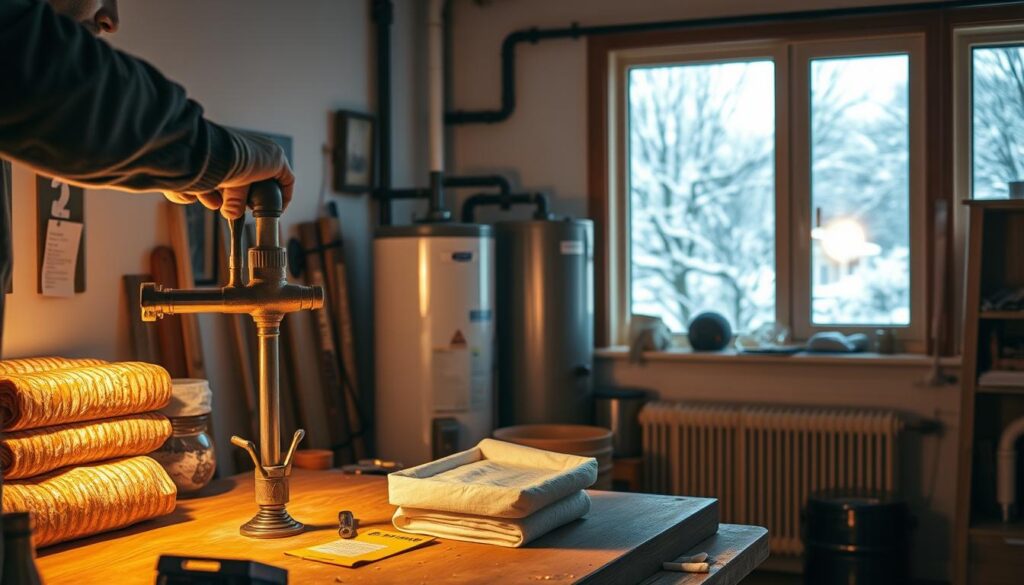
Learning to winterize your plumbing can save you thousands. Cold weather can turn water in pipes into ice, causing pipes to burst. This can lead to costly repairs that hurt your wallet.
To protect your plumbing, you need to prepare. By knowing the key steps of winterizing plumbing systems, you can keep your home safe from winter’s dangers.
Key Takeaways
- Winterizing prevents costly pipe damage
- Early preparation is key for home protection
- Simple steps can greatly reduce risk
- Professional help might be needed for complex systems
- Regular maintenance prevents unexpected repairs
Table of Contents
Understanding the Importance of Plumbing Winterization
Winter can be tough on your home’s plumbing if you’re not ready. It’s key to protect your plumbing from freezing to avoid expensive water damage. Knowing the risks and taking action early can save you a lot of money in repairs.
Why Pipes Freeze and Burst
Water acts differently when it gets cold. When water freezes, it expands, putting a lot of pressure on your pipes. This can cause pipes to crack or burst, leading to water damage. Pipes in cold spots like basements, attics, and outside walls are most at risk.
- Uninsulated pipes are most at risk
- Exterior walls create higher freezing risk
- Temperature drops below 32°F increase pipe damage risk
Cost Implications of Winter Damage
The cost of burst pipes can be high. A single burst pipe can cost up to $5,000 in water damage repairs. Even if insurance helps, prevention is cheaper than fixing the damage.
Best Time to Start Winterizing
To keep your pipes from freezing, start winterizing early. This is usually in late autumn, around September or October, depending on where you live. Early action lets you insulate and protect your home’s plumbing system well before winter.
Essential Tools and Materials Needed for Winterization
To get ready for winter, you need to gather certain tools and materials. These help protect your plumbing from cold damage. Knowing what you need makes the process easier and more effective.
For home winterization, you’ll need key items. These items help stop pipes from freezing and prevent water damage.
- Pipe Insulation: Essential for protecting water pipes in unheated areas
- Heat Tape: Provides additional warmth for vulnerable pipe sections
- Antifreeze: Prevents remaining water from freezing in drainage systems
- Caulking Gun: Seals possible air leaks around pipes and windows
- Weatherstripping: Blocks cold air from entering around doors and windows
Choosing the right materials depends on your home’s specific needs. Different homes and pipe materials need different approaches.
| Tool/Material | Purpose | Estimated Cost |
|---|---|---|
| Foam Pipe Sleeves | Insulate water pipes | $5-$15 per sleeve |
| Heat Tape | Prevent pipe freezing | $20-$50 per roll |
| Pipe Antifreeze | Protect drainage systems | $10-$20 per gallon |
| Caulk | Seal air leaks | $5-$10 per tube |
Investing in good home winterization tools can save you a lot of money. It prevents pipe damage and lowers energy costs.
Shutting Off the Main Water Supply
Winter can be tough on your home’s plumbing. Learning to shut off the water supply is key to avoiding damage and expensive fixes.
Winter is hard on your plumbing. Knowing how to shut off the water can save you a lot of money on repairs.
Locating Your Main Water Valve
Finding your main water valve is the first step in winterizing your home. You can find it in several places:
- Basement near the front foundation wall
- Crawl space
- Mechanical room
- Utility area
- Near the water heater
Proper Shutdown Procedure
To shut off the water supply for winter, follow these steps:
- Locate the main water valve
- Identify the type of valve (wheel or lever)
- Turn the valve clockwise to close
- Apply steady, consistent pressure
Checking for Complete Water Stoppage
It’s important to make sure the water is fully shut off. Test it by:
- Turning on various faucets throughout the house
- Checking for water flow
- Listening for running water in pipes
| Valve Type | Shutdown Method | Difficulty Level |
|---|---|---|
| Wheel Valve | Rotate Clockwise | Easy |
| Lever Valve | Turn 90 Degrees | Very Easy |
Pro tip: If you’re unsure, get a professional plumber to ensure the water supply is shut off correctly.
How to Winterize a House Plumbing System: Step-by-Step Guide
Winterizing your plumbing is key to protect your home from cold damage. Knowing how to do it right can save you a lot of money and avoid big pipe problems.
- Locate and drain all water pipes completely
- Disconnect garden hoses and outdoor water connections
- Shut off water supply to exterior faucets
- Insulate pipes in unheated areas like basements and attics
Focus on areas that are most at risk. Exposed pipes in crawl spaces, garages, and exterior walls need extra care to avoid freezing.
Important steps for winterizing include:
- Using foam pipe insulation
- Applying heat tape on high-risk pipes
- Adding antifreeze to drain traps
- Sealing air leaks near pipe locations
Experts say a thorough winterization plan is best. Drain water heaters, clear outdoor irrigation systems, and check for pipe damage before winter.
Preparing Your Water Heater for Winter
Winterizing plumbing systems means paying extra attention to your water heater. Cold weather can damage it if you don’t prepare it right. It’s important to protect your water heater to avoid freezing and expensive repairs.
Before winter, take a few key steps to keep your water heater safe. Proper winterization can make your appliance last longer and avoid breakdowns in the cold months.
Draining the Tank Safely
Draining your water heater is part of winterizing plumbing systems. Here’s how to do it safely:
- Turn off the power supply to the water heater
- Shut off the cold water inlet valve
- Connect a garden hose to the drain valve
- Open the drain valve and let water completely empty
- Open a hot water faucet to release any remaining pressure
Temperature Settings for Winter Protection
Managing the temperature is essential for winterizing plumbing systems. Here’s a guide for water heater settings:
| Scenario | Recommended Setting |
|---|---|
| Occupied Home | 120°F (Low Setting) |
| Vacation/Extended Absence | Vacation Mode or Lowest Setting |
Essential Maintenance Tips
To keep your water heater in good shape during winter, follow these maintenance tips:
- Inspect the pressure relief valve
- Check for any signs of corrosion
- Insulate the water heater tank
- Flush the tank to remove sediment buildup
Pro tip: If you’re leaving your home for an extended period, consider setting your water heater to “vacation mode” to prevent freezing and save energy.
Protecting Outdoor Plumbing Fixtures
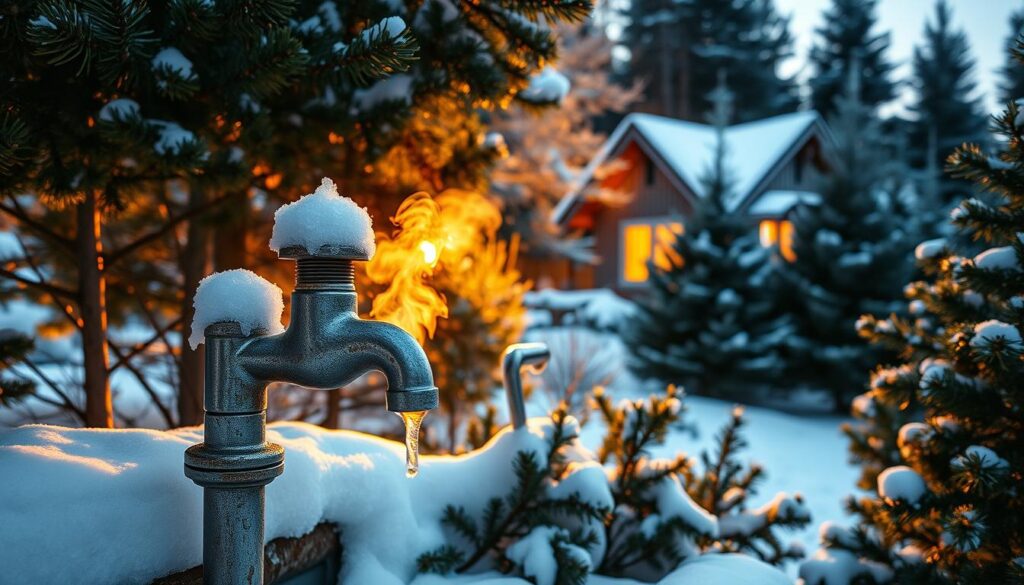
Winter can be tough on your home’s outdoor plumbing if you don’t prepare. To stop pipes from freezing, you need a good plan to keep your outdoor fixtures safe.
Begin by removing all garden hoses from outdoor faucets. Water in these hoses can freeze and expand, damaging your plumbing. Here’s how to winterize your outdoor plumbing:
- Drain and disconnect all garden hoses completely
- Install frost-proof hose bibbs if possible
- Use insulated covers for exterior faucets
- Seal any gaps around exterior pipe penetrations
Keeping outdoor plumbing safe needs careful work. Use high-quality insulation for your pipes. Foam pipe sleeves and heat tape are great for fighting cold.
| Outdoor Fixture | Winterization Method | Difficulty Level |
|---|---|---|
| Garden Hose | Disconnect and drain completely | Easy |
| Exterior Faucets | Install insulated covers | Medium |
| Exposed Pipes | Apply foam insulation sleeves | Moderate |
Experts say to act early to avoid costly repairs. A few hours of prep can save you a lot of money.
“An ounce of prevention is worth a pound of cure” – this is true for keeping your plumbing safe.
Being proactive is key to avoiding frozen pipes. Start protecting your plumbing before the cold weather hits.
Indoor Pipe Insulation Techniques
Keeping your home’s plumbing safe in winter is key. Insulating water pipes is a smart move. It protects against freezing and costly damage. The right insulation can save you a lot of money.
First, find out where your pipes are most at risk. Pipes in cold spots like basements, attics, and crawl spaces need extra care. This is important when insulating water pipes.
Types of Insulation Materials
Choosing the right insulation is important. You have several options:
- Foam pipe sleeves: Affordable and easy to install
- Fiberglass wraps: Great for hot areas
- Heat tape: Good for very cold spots
- Polyethylene insulation: Keeps moisture out well
Critical Areas to Insulate
Focus on these areas for insulation:
- Exterior wall pipes
- Unheated basement sections
- Attic plumbing runs
- Pipes near windows and exterior doors
Professional vs DIY Installation
Some can insulate pipes themselves, but complex systems need pros. DIY is good for easy-to-reach pipes. But, complex setups are better left to experts.
Pro tip: Always measure your pipes accurately before purchasing insulation materials to ensure a proper fit.
Insulating your pipes is a smart investment. It helps avoid plumbing problems during winter.
Drainage System Winterization
Keeping your home’s drain water lines safe during winter is key to avoid expensive damage and plumbing problems. Winterizing your drainage system means taking steps to protect your pipes from freezing.
Drain traps are important to keep sewer gases out of your home. In winter, they can freeze or dry out, leading to big plumbing issues.
- Pour non-toxic antifreeze into all drain lines
- Focus on shower, tub, sink, and floor drains
- Ensure complete coverage of drain traps
When getting ready for winter, use safe antifreeze made for plumbing. Don’t use car antifreeze, as it’s toxic and can harm your home’s pipes.
| Drain Type | Antifreeze Amount | Winterization Technique |
|---|---|---|
| Kitchen Sink | 1-2 cups | Slow pour, ensure complete trap coverage |
| Bathroom Sink | 1 cup | Distribute evenly in drain |
| Floor Drains | 2-3 cups | Pour slowly to coat entire trap |
By winterizing your drainage system, you can avoid freeze damage and costly fixes. Regular upkeep keeps your home safe all winter long.
Special Considerations for Vacant Properties
Winter brings special challenges for homeowners who will be away for a while. You need to take extra steps to keep your home safe. This includes protecting your plumbing to avoid big problems.
When you’re not home, your plumbing can freeze and get damaged. Using the right winterization tips can help avoid expensive fixes and maintenance headaches.
Extended Absence Preparations
Getting your home ready for winter when you’re away involves a few key steps:
- Completely drain all water pipes and fixtures
- Use compressed air to remove any water left
- Shut off the main water supply
- Disconnect and drain water appliances
Monitoring Systems
Today’s tech offers smart ways to manage your property from afar. Smart home monitoring systems let you check temperatures, spot leaks, and get alerts on your phone.
Emergency Contact Setup
It’s smart to have people you trust check on your home. Think about:
- A reliable neighbor
- A local property management service
- A family member or friend nearby
Give them clear instructions and your emergency contact info. This way, your home stays safe while you’re away.
Preventing Frozen Pipes in Extreme Conditions
When it gets really cold, keeping your pipes safe is key. Use smart winter protection to keep your home’s water system from freezing damage.
Extreme cold can harm your pipes, but there are ways to stop it. First, focus on spots where cold air can get in and freeze your pipes.
- Keep interior spaces consistently heated
- Maintain temperatures above 55°F, even when away
- Open cabinet doors under sinks to allow warm air circulation
- Let faucets drip slowly to prevent freezing
For pipes in cold spots like crawl spaces or attics, you need extra care. Here are some special steps to keep your pipes from freezing:
- Install heat tape or heat cables on exposed pipes
- Use foam pipe insulation for extra protection
- Seal air leaks near pipe locations
- Apply weatherstripping around windows and doors
Pipes near outside walls or in cold areas need extra attention. These spots are most at risk of freezing. So, use strong winterization steps to keep your pipes safe.
Professional tip: Invest in pipe insulation before the first freeze to save costly repairs.
Common Winterization Mistakes to Avoid
Keeping your home’s plumbing safe in winter is key. Many people make mistakes that can cost a lot. Knowing how to avoid these errors can save you from expensive fixes and water damage.
Some common mistakes include:
- Neglecting outdoor water connections – Forgetting to disconnect garden hoses and drain exterior faucets
- Inadequate pipe insulation in unheated spaces like attics and crawl spaces
- Setting the thermostat too low, increasing the risk of frozen pipes
- Skipping thorough pipe drainage before winter
Not winterizing your plumbing right can lead to big problems. Frozen water expands, putting too much pressure on pipes. This can cause them to burst and damage your home’s structure.
“An ounce of prevention is worth a pound of cure” – This age-old wisdom perfectly applies to home winterization tips.
To keep your home safe, inspect and prepare your plumbing well. Focus on pipes in areas like basements, attics, and outside walls. Insulation and smart heating can help avoid winter damage.
Experts say a detailed winterization plan is best. If you’re not sure what to do, talk to a professional plumber.
Conclusion
Winterizing your house plumbing is key to saving money on repairs. You don’t need to be a tech expert to do it. Most homeowners can handle the basics with some prep and the right tools.
Being proactive is the best way to protect your pipes. Follow the steps in this article to keep your pipes safe from freezing. Professional plumbing services like Mr. Rooter can help with more complex tasks in very cold areas.
Prevention is cheaper than fixing problems. While you can do many tasks yourself, get help if you’re unsure. Preparing now can avoid costly water damage and keep your home cozy all winter.
Your plumbing is an important part of your home. By following these winter tips, you’ll keep your property safe and feel secure all winter.