
Affiliate Disclosure
Plumber Guide Guys is a participant in the Amazon Services LLC Associates Program, an affiliate advertising program designed to provide a means for sites to earn advertising fees by advertising and linking to Amazon.
How to Run Plumbing to a Detached Garage? Ever thought about how hard it is to add a water line to a detached garage? It can turn a simple storage spot into a fully functional workshop or utility area.
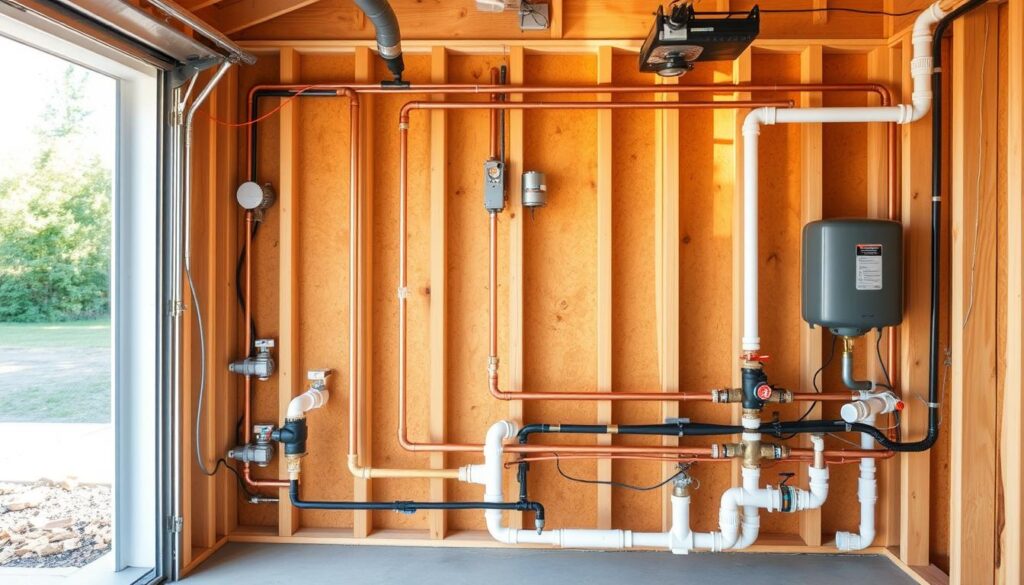
Setting up a water line to a detached garage needs careful planning and smart execution. You might want a utility sink, a workshop, or basic water features. Knowing how to do this is key to success.
This guide will show you the main steps to install a water line to a detached garage. We’ll break down complex tasks into easy steps for DIY fans.
Key Takeaways
- Proper planning is critical for successful garage plumbing installation
- Local building codes must be carefully reviewed before starting
- Underground pipe routing requires strategic consideration
- Frost protection is essential in colder climates
- Professional consultation can prevent costly mistakes
Table of Contents
Understanding the Basics of Garage Plumbing Installation
Setting up plumbing in a detached garage needs careful planning. You must know about different water supply systems. This knowledge is key to a reliable water connection to your garage.
When you connect water to an outbuilding, you face important choices. These choices can affect your plumbing system’s success.
Types of Water Supply Systems
Different materials have their own benefits for garage plumbing installation. You have a few main options:
- PVC Pipes: They are light, don’t corrode, and are affordable.
- Copper Pipes: They last long, are durable, and transfer heat well.
- PEX Pipes: They are flexible, easy to put in, and don’t freeze.
Common Plumbing Configurations
The right setup depends on your needs and local rules. Here are some common ones:
| Configuration Type | Best For | Complexity Level |
|---|---|---|
| Direct Underground Connection | Short distances | Low |
| Insulated Pipe Routing | Cold climate regions | Medium |
| Trenched Pipe Installation | Long-distance connections | High |
Required Tools and Materials
Get your tools ready for a successful plumbing job:
- Pipe cutter
- Measuring tape
- Pipe wrench
- Thread sealant
- Pipe insulation
Knowing these basics will make you more confident and precise in your garage plumbing project.
Planning Your Detached Garage Plumbing Project
Starting your diy garage plumbing project needs careful planning. You must think about many factors for a good system. Knowing what your garage needs helps you plan well.
Think about why you want plumbing in your garage. Do you need a utility sink, a workshop, or more later? This helps you avoid changes that cost more.
- Determine exact water fixture locations
- Assess current and future usage
- Consider space constraints
- Plan for equipment needs
Success in your project depends on a detailed plan. You need to think about a few important things:
| Planning Aspect | Key Considerations |
|---|---|
| Water Supply | Distance from main line, pipe diameter, pressure needs |
| Drainage | Slope, waste management, floor drains |
| Insulation | Pipe protection, climate |
Pro tip: Make a detailed blueprint of your plumbing plan before starting. This visual guide helps you spot problems and improve your water connection.
Good planning saves time and money and avoids future issues. Take your time to really think about your garage’s plumbing needs.
Local Building Codes and Permit Requirements
Getting a plumbing permit for your garage can be tough. It’s key to know the local building codes for a successful project. Your area has rules to keep homeowners safe and ensure installations are done right.
Before you start, you must do a few important things. This keeps you in line with local laws:
- Research local building department requirements
- Understand zoning restrictions
- Prepare detailed project documentation
- Budget for permit fees
Obtaining Necessary Permits
To get a plumbing permit, you need to send in detailed plans to your local building office. Your plans should have:
- A clear underground pipe to garage route
- Details on the pipe material
- How the pipes will connect to the main water supply
- The depth of the underground pipes
Meeting Code Requirements
Every area has its own plumbing codes for garages. Your project must follow certain rules, like:
| Code Aspect | Typical Requirements |
|---|---|
| Pipe Material | Copper, PEX, or schedule 40 PVC |
| Minimum Pipe Diameter | 3/4 inch for homes |
| Depth of Underground Pipes | At least 12 inches below the frost line |
Professional Inspections
You’ll have to pass several inspections during your project. Certified inspectors will check if your work meets local codes. Passing these inspections is a must before you get your plumbing permit.
Determining the Best Water Line Route
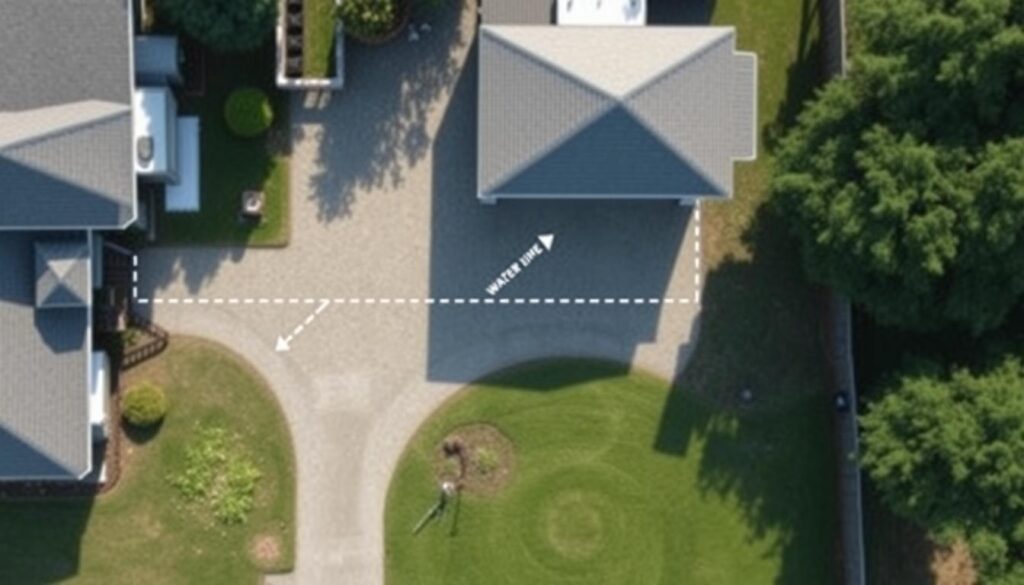
Choosing the right water line route to your detached garage is key. It must face many challenges but ensure reliable water. This is important for your garage.
Several factors are important when planning your water line route:
- Underground utility locations
- Soil composition and drainage
- Frost depth in your region
- Property landscape and terrain
- Future maintenance accessibility
The best route avoids obstacles and makes installation easier. You should steer clear of:
- Dense tree root systems
- Rocky or unstable ground
- Existing underground cables or pipes
- Potential water drainage zones
| Route Consideration | Impact on Installation | Recommended Action |
|---|---|---|
| Shallow Terrain | Higher frost risk | Deeper pipe installation |
| Rocky Ground | Difficult excavation | Specialized equipment needed |
| Tree-Heavy Area | Root interference | Alternative route selection |
Getting expert advice can help find the best and most affordable route for your property.
Careful route planning prevents costly future repairs and ensures consistent water supply to your detached garage.
How to Run Plumbing to a Detached Garage
Running plumbing to a detached garage needs careful planning and precise steps. Knowing how to connect water to an outbuilding helps homeowners set up reliable plumbing. The right steps ensure water access while keeping the structure safe and following local codes.
Connecting to Main Water Supply
When connecting water to a detached garage, you have a few main options:
- Direct tap into existing water main
- Installing a separate water line
- Extending current residential water system
Essential Shut-off Valve Installation
Proper shut-off valve placement is key for plumbing in a detached garage. These valves are vital for controlling and ensuring safety in your water system.
| Valve Type | Location | Purpose |
|---|---|---|
| Main Shut-off | Near water entry point | Complete water system control |
| Individual Fixture Valve | Near specific fixtures | Localized water control |
Pipe Installation Techniques
Choosing the right pipes and installation methods is important for a lasting water system. Copper and PEX pipes are top picks for their durability and easy installation.
- Choose appropriate pipe material
- Measure precise distances
- Implement proper insulation techniques
- Secure connections with professional-grade fittings
Professional consultation can help navigate complex plumbing installations and ensure code compliance.
Underground Pipe Installation and Trenching
When you’re setting up an underground pipe to your garage, trenching is key. It’s important to plan well and execute carefully. This ensures your water supply is safe and works right.
First, you need to know how deep to dig. The depth depends on your area’s climate. You’ll need to dig below the frost line, which is usually between 18 and 48 inches deep. This keeps your pipes from freezing and bursting in winter.
- Mark your trench path carefully to avoid existing utilities
- Rent or purchase trenching equipment suitable for your project scale
- Ensure proper slope for drainage and water flow
- Use protective materials to shield pipes from soil damage
Your safety is most important when trenching. Wear gloves, safety glasses, and strong boots. Also, call local utility services to mark underground lines before digging to avoid damage.
For most people, renting a trenching machine is cheaper than hiring pros. Small trenchers can be rented from local hardware stores for around $100-$200 per day. But, bigger projects might need professional gear or help.
Pro tip: Always check local building codes before starting your underground pipe installation to ensure compliance and avoid possible fines.
The last step is backfilling. Use clean, tamped soil to support the pipe. This prevents settling damage to your underground pipes.
Frost Protection and Insulation Methods
It’s important to protect your frost-proof water lines when running water to a garage in cold areas. Freezing temperatures can damage your plumbing system. This can lead to expensive repairs and broken water lines.
Several strategies can help keep your water lines safe during winter. The best approach depends on your local climate and garage setup.
Proper Depth Requirements
Installing underground pipes is key to avoiding freezing. In cold areas, you’ll need to bury water lines 12-18 inches below the frost line. The exact depth varies by location:
- Northern states: Typically 36-48 inches deep
- Southern states: 12-24 inches deep
- Mountainous regions: Up to 60 inches deep
Insulation Materials and Techniques
Choosing the right insulation is vital for protecting your water lines. Here are some top insulation options:
| Insulation Type | Effectiveness | Cost |
|---|---|---|
| Foam pipe sleeves | High | Low |
| Fiberglass wrap | Medium | Medium |
| Heat-resistant foam | Very High | High |
Heat Tape Installation
Heat tape adds extra protection when running water to a garage. Wrap heat tape directly around pipes before applying insulation for full frost protection.
- Choose self-regulating heat tape for best results
- Follow manufacturer’s installation instructions carefully
- Inspect heat tape annually for wear and effectiveness
By using these frost protection methods, your garage water lines will stay functional and safe all winter.
Installing Interior Plumbing Fixtures
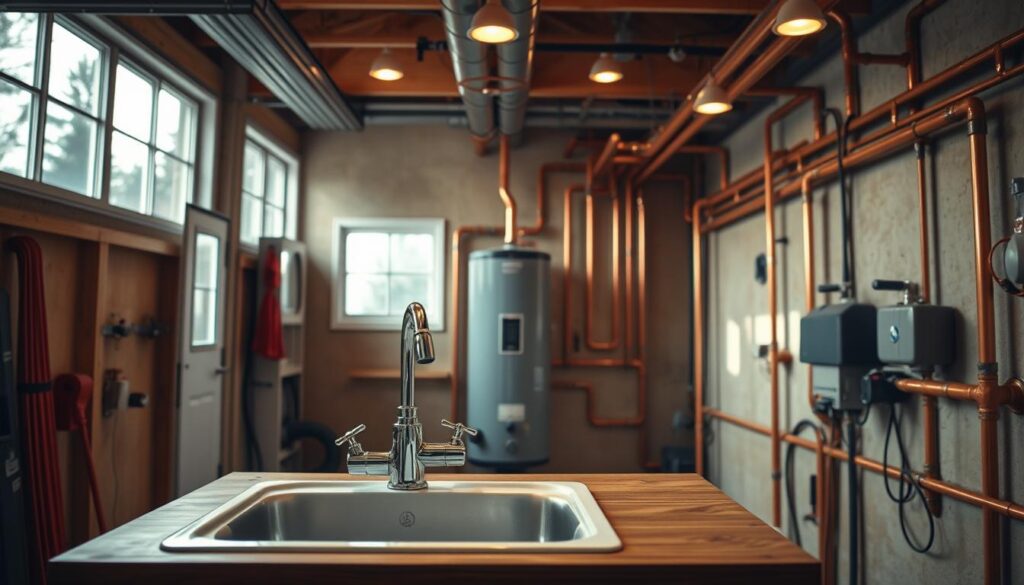
After finishing your plumbing setup for the garage, it’s time to install the interior fixtures. Your garage’s water connection will support key plumbing parts. These parts make your garage workspace more functional.
Choosing the right fixtures is important. Think about what you need for your garage. Most garages need:
- Utility sink for cleaning tools and equipment
- Floor drain for water management
- Washing station for automotive or workshop needs
- Optional handwashing station
Think about your garage’s purpose when planning plumbing. Workshop garages might need different fixtures than storage or recreational spaces. The right fixture placement is key for efficiency and to avoid water damage.
Important things to consider for your water connection include:
- Ensuring proper drainage slope
- Using the right pipe connections
- Installing compatible shut-off valves
- Following local building code requirements
It’s best to have a pro install to avoid water problems in the future.
Water Drainage and Waste Management Solutions
When you start on a diy garage plumbing project, knowing about water drainage and waste management is key. Your detached garage needs a strong system to handle wastewater well. This is to avoid any environmental problems.
Choosing the right waste management solution depends on a few important things:
- How close you are to existing sewer lines
- Local building rules
- Your property’s location and shape
- How much you can spend
For plumbing a detached garage, you have three main drainage choices:
- Municipal Sewer Connection: The easiest option for city and suburban areas
- Septic System: Best for rural places without city sewers
- Alternative Waste Management: Special options for unique property shapes
“Proper drainage is the backbone of any successful garage plumbing installation.” – Professional Plumbing Association
Before you start your drainage system, check with local authorities. They can tell you if your project meets local building codes. Each area has its own rules that can change your project’s design and setup.
Getting advice from a pro can help with the tricky parts of waste management. Your garage’s special needs will guide you to the best drainage solution.
Testing and Maintenance Procedures
After setting up your plumbing for your garage, it’s key to test and maintain it well. This keeps your water line to your detached garage working right. Regular checks help avoid problems and keep everything running smoothly.
Keeping your garage plumbing in good shape needs a smart plan. This plan should include thorough tests and regular care. A good maintenance routine helps save your money and avoid expensive fixes.
Pressure Testing Fundamentals
Pressure testing is a must to check your water line’s strength. It spots weak spots in your plumbing before they turn into big issues.
- Use a special pressure gauge to check system stability
- Test at the right pressure levels for 15-30 minutes
- Watch for any pressure drops that might mean leaks
Leak Detection Strategies
Finding leaks early can save you a lot of time and money. Here’s how to spot water system problems:
- Do visual checks on exposed pipes
- Listen for odd sounds in water lines
- Look for any extra moisture or water spots
- Watch your water meter for sudden changes
Maintenance Schedule Recommendations
Make a regular maintenance plan to keep your garage plumbing top-notch. Proactive care stops unexpected breakdowns.
- Do quarterly visual pipe checks
- Get a yearly professional check
- Winterize before cold weather hits
- Fix any issues found right away
By sticking to these testing and maintenance steps, your garage plumbing will stay reliable and efficient. It will also avoid any future problems.
Conclusion
Running plumbing to a detached garage needs careful planning and exact steps. This guide helps you set up a water connection that boosts your property’s value and use. You must think about local building codes, how to install correctly, and keep it maintained.
When working on your garage plumbing, pay close attention to important details. This includes how pipes are laid out, keeping them safe from frost, and insulating them. It’s not just about putting in pipes. It’s about making a water system that works well and can handle different weather conditions. Getting help from professionals can make sure you follow all the rules.
When you start this big project, safety and accuracy are key. Spend time learning, get the right permits, and use top-notch installation methods. Your hard work will lead to a strong plumbing system that makes your property more useful and valuable.
Think of good garage plumbing as an investment in your property’s structure. Keep it in good shape with regular checks, pressure tests, and finding leaks early. With the right planning and doing things right, your garage can become a fully useful space with steady water access.
FAQ
How deep should I bury the water line to my detached garage?
Do I need a permit to run plumbing to my detached garage?
What type of pipe is best for underground water lines to a garage?
How can I prevent my garage water lines from freezing?
What are the typical costs for running plumbing to a detached garage?
How deep should I bury the water line to my detached garage?
Do I need a permit to run plumbing to my detached garage?
What type of pipe is best for underground water lines to a garage?
How can I prevent my garage water lines from freezing?
What are the typical costs for running plumbing to a detached garage?
FAQ
How deep should I bury the water line to my detached garage?
The depth needed for water lines depends on your area’s climate. Generally, pipes should be buried 12-18 inches below the frost line. In colder areas, you might need to dig up to 48 inches to avoid freezing. Always check local building codes for specific requirements.
Do I need a permit to run plumbing to my detached garage?
Yes, you’ll need a building permit for water lines to your garage. You’ll need to submit plans, show code compliance, and have an inspection. Permit rules vary, so check with your local building department.
What type of pipe is best for underground water lines to a garage?
Copper, PEX, and HDPE pipes are good for underground lines. PEX is flexible and resistant to freezing. Copper is durable but pricey. HDPE resists corrosion and ground movement well.
How can I prevent my garage water lines from freezing?
To prevent freezing, bury pipes below the frost line. Use heat tape and add insulation. Seal air gaps and consider frost-proof sleeves. In very cold areas, use heat cables or foam insulation.
What are the typical costs for running plumbing to a detached garage?
Costs range from
FAQ
How deep should I bury the water line to my detached garage?
The depth needed for water lines depends on your area’s climate. Generally, pipes should be buried 12-18 inches below the frost line. In colder areas, you might need to dig up to 48 inches to avoid freezing. Always check local building codes for specific requirements.
Do I need a permit to run plumbing to my detached garage?
Yes, you’ll need a building permit for water lines to your garage. You’ll need to submit plans, show code compliance, and have an inspection. Permit rules vary, so check with your local building department.
What type of pipe is best for underground water lines to a garage?
Copper, PEX, and HDPE pipes are good for underground lines. PEX is flexible and resistant to freezing. Copper is durable but pricey. HDPE resists corrosion and ground movement well.
How can I prevent my garage water lines from freezing?
To prevent freezing, bury pipes below the frost line. Use heat tape and add insulation. Seal air gaps and consider frost-proof sleeves. In very cold areas, use heat cables or foam insulation.
What are the typical costs for running plumbing to a detached garage?
Costs range from $1,000 to $5,000. Factors include distance, terrain, permits, and fixtures. Labor, materials, and local rates affect the total cost.
Can I install the garage plumbing myself, or should I hire a professional?
DIY experts can tackle some plumbing tasks. But, complex jobs like main line connections and code compliance need a pro. Professional help avoids costly errors.
How do I protect my underground water line from damage?
Mark the line’s location and avoid deep-rooted trees. Use protective sleeves and maintain depth. Avoid heavy equipment areas. Use warning tape and map the pipe route.
What maintenance is required for my new garage water line?
Annual inspections for leaks and checking insulation are key. Test water pressure and drain lines before winter. Watch for signs of damage. Perform a pressure test yearly and fix issues quickly to avoid big repairs.
,000 to ,000. Factors include distance, terrain, permits, and fixtures. Labor, materials, and local rates affect the total cost.
Can I install the garage plumbing myself, or should I hire a professional?
DIY experts can tackle some plumbing tasks. But, complex jobs like main line connections and code compliance need a pro. Professional help avoids costly errors.
How do I protect my underground water line from damage?
Mark the line’s location and avoid deep-rooted trees. Use protective sleeves and maintain depth. Avoid heavy equipment areas. Use warning tape and map the pipe route.
What maintenance is required for my new garage water line?
Annual inspections for leaks and checking insulation are key. Test water pressure and drain lines before winter. Watch for signs of damage. Perform a pressure test yearly and fix issues quickly to avoid big repairs.