
Affiliate Disclosure
Plumber Guide Guys is a participant in the Amazon Services LLC Associates Program, an affiliate advertising program designed to provide a means for sites to earn advertising fees by advertising and linking to Amazon.
How to Pressure Test Plumbing? Ever thought about how a small leak can damage your home’s plumbing? Pressure testing is key to finding and stopping leaks before they get worse.
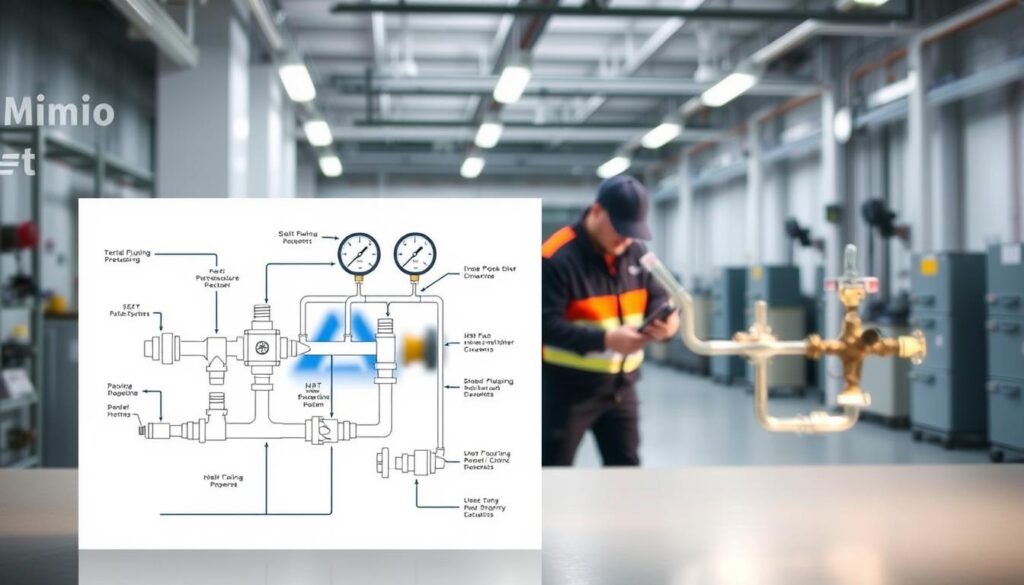
It’s not just for pros. Homeowners can use a plumbing pressure test kit to protect their homes from water damage and expensive fixes. This guide will show you how to spot problems in your plumbing.
Pressure tests use air to find hidden leaks in water and drain systems. Knowing how to do this can save you thousands and keep your home’s plumbing in top shape.
Key Takeaways
- Pressure testing helps detect hidden plumbing leaks
- DIY testing can prevent expensive water damage
- Regular checks maintain plumbing system integrity
- Different systems require specific testing methods
- Professional tools make home testing accessible
Table of Contents
Understanding the Importance of Plumbing Pressure Tests
Your home’s plumbing system needs steady water pressure to work right. Testing water pressure is key to keeping your pipes healthy. It stops big problems before they start.
Finding hidden pipe leaks is all about watching your home’s water pressure. If you don’t catch these issues, they can cause a lot of damage and cost a lot to fix.
Why Regular Testing Matters
Regular pressure tests are important for several reasons:
- They help find leaks early
- They stop pipes from bursting unexpectedly
- They save you money on repairs later
- They keep your water system running well
Ideal Pressure Ranges for Home Plumbing
The best water pressure for homes is between 45 and 55 psi. Pressures that are too high or too low can mean big problems:
| Pressure Level | Potential Issue |
|---|---|
| Below 40 psi | Weak water flow, possible leaks |
| Above 80 psi | Pipes might get damaged, fixtures stressed |
Signs You Need a Pressure Test
Look out for these signs that it’s time to test your water pressure:
- Fluctuating water pressure when using many fixtures at once
- Unexpected rises in your water bills
- Strange noises in your pipes
- Water damage near your plumbing
By testing your water pressure regularly, you can avoid plumbing disasters. It keeps your water system working smoothly.
Essential Tools and Equipment for Pressure Testing
Starting a DIY plumbing leak detection project means you need the right tools. Having the right equipment is key to checking your home’s plumbing system well.
For a pressure test, you’ll need some important tools. These tools help you inspect your plumbing system fully:
- Air Compressor: Provides the needed pressure for testing
- Pressure Test Gauge: Measures system pressure accurately
- Pliers: For tightening connections
- Plumber’s Tape: Makes sure seals are tight and leak-free
- DWV Test Plug: Blocks pipes during the test
- Pipe Caps: For different pipe types (copper, PEX, brass)
- Pipe Nipples and Couplings: Make secure connections
Your DIY plumbing leak detection toolkit should have these key items. Professional plumbers say good tools are important for accurate results. Getting your home’s water system checked right is all about precision.
“The right tools make all the difference in maintaining your home’s plumbing infrastructure.” – Professional Plumbing Association
Before you start, look for these tools at local hardware stores or online. Some home improvement centers let you rent tools instead of buying them all.
How to Pressure Test Plumbing: Basic Preparation Steps
Getting ready for a water line test needs careful planning. A good residential plumbing check starts with detailed prep. This ensures accurate results and keeps your plumbing safe.
Before starting any plumbing test, proper prep is key. You must take several important steps to make the test safe and effective.
Shutting Off the Water Supply
First, you must isolate your plumbing system. Here’s what to do:
- Find your home’s main water shut-off valve
- Turn the valve clockwise to stop water flow
- Check faucets to make sure water is off
- Drain water from pipes by opening the lowest faucet
Clearing the Plumbing System
It’s vital to remove standing water for a precise test. Follow these steps to clear your plumbing:
- Open all faucets and fixtures
- Flush toilets to remove water
- Use compressed air to dry out moisture
- Make sure pipes are dry before testing
Critical Safety Precautions
“Safety should always be your top priority during any plumbing inspection.” – Professional Plumbing Association
Keep yourself and your home safe with these precautions:
- Wear protective eyewear
- Use rubber gloves
- Have towels and a bucket ready for water
- Work in a well-ventilated area
- Keep children and pets away
Tip: Always double-check your equipment and personal protective gear before starting the water line testing procedure.
Testing Water Supply Line Pressure
It’s important to check your home’s water supply line pressure. This helps keep your plumbing system healthy. Testing the pressure can prevent costly repairs later on.
To start, you’ll need a few tools:
- Pressure gauge
- Adjustable wrench
- Notebook for recording measurements
First, find the best spot to test your water system’s pressure. For city water, use a hose bib near the water meter. For wells, test near the pressure tank.
Here’s how to test the pressure:
- Turn off all water-using appliances in your home
- Attach the pressure gauge to the selected hose bib
- Ensure a tight, leak-free connection
- Open the valve completely
- Read the pressure measurement
Normal water pressure is between 40-80 PSI. If it’s outside this range, you might have plumbing issues.
Pro tip: Perform pressure tests annually to maintain your plumbing system’s health and catch problems early.
If your pressure is low or keeps changing, it could mean leaks or damage. If this happens, get a professional plumber to check and fix it.
Pressure Testing Drain-Waste-Vent Systems
Testing your drain-waste-vent (DWV) system is key to keeping your plumbing in top shape. A detailed check can spot problems early, saving you money later.
Testing your DWV system needs care and the right tools. It involves several steps to check your plumbing fully.
Setting Up Test Equipment
To start your DIY plumbing test, you’ll need some special gear:
- Pressure gauge
- Air compressor
- Pipe caps
- Cleanout fitting adapter
Monitoring Pressure Levels
Keep an eye on the pressure readings during your check. A good system keeps pressure steady without big drops.
| Pressure Range | System Condition | Action Needed |
|---|---|---|
| 0-1 PSI Drop | Excellent | No Action Required |
| 1-3 PSI Drop | Minor Concerns | Inspect Connections |
| 3+ PSI Drop | Significant Leak | Professional Repair Needed |
Identifying Possible Leaks
Look out for these signs during your check:
- Sudden pressure drops
- Unusual hissing sounds
- Visible moisture around pipe connections
- Persistent musty odors
Pro tip: Always perform pressure tests when pipes are completely dry to get the most accurate readings.
Common Pressure Testing Challenges and Solutions
Testing your home’s pipes can uncover hidden problems. Homeowners often face several challenges during this process. They need to pay close attention and find smart solutions.
Some common issues you might run into include:
- Unexpected pressure fluctuations
- Difficulty maintaining consistent pressure
- Detecting hidden pipe leaks
- Interpreting complex test results
Finding hidden pipe leaks needs a careful plan. Even small changes in pressure can show hidden problems.
| Challenge | Potential Cause | Recommended Action |
|---|---|---|
| Rapid Pressure Drop | Significant Pipe Leak | Professional Inspection Needed |
| Intermittent Pressure Changes | Minor Pipe Damage | Detailed Pipe Examination |
| Consistent Low Pressure | Multiple Small Leaks | Comprehensive System Check |
Pro tip: If you notice constant pressure changes, act fast. Small leaks can grow and harm your home’s structure.
Some issues can be fixed by yourself, but others need a pro. If you’re not sure about the results or feel unsure, call a licensed plumber.
Remember: Finding leaks early can save you a lot of money on repairs.
Interpreting Test Results and Taking Action
After using a home plumbing pressure test kit, it’s key to understand the results. Pressure readings tell you a lot about your pipes’ health. They can show if there are any problems.
When looking at your pressure test results, watch for these important signs:
- Normal pressure range: 40-80 PSI
- Slight pressure drop: Possible minor leak
- Significant pressure drop: Possible major plumbing issue
Understanding Pressure Readings
After your water line test, wait about 15 minutes after turning off the compressor. Watch the pressure gauge closely. A steady reading means your plumbing is good. But, a big drop in pressure could mean trouble.
When to Call a Professional
While your kit can spot small problems, some issues need a pro. Call a plumber if you see:
- Pressure drops over 5-10 PSI in 15 minutes
- Always low-pressure readings
- Complicated pipe problems
- Big water damage signs
Experts have better tools to find and fix big plumbing problems. These issues might be too hard for a home kit to handle.
Maintaining Optimal Plumbing Pressure Year-Round
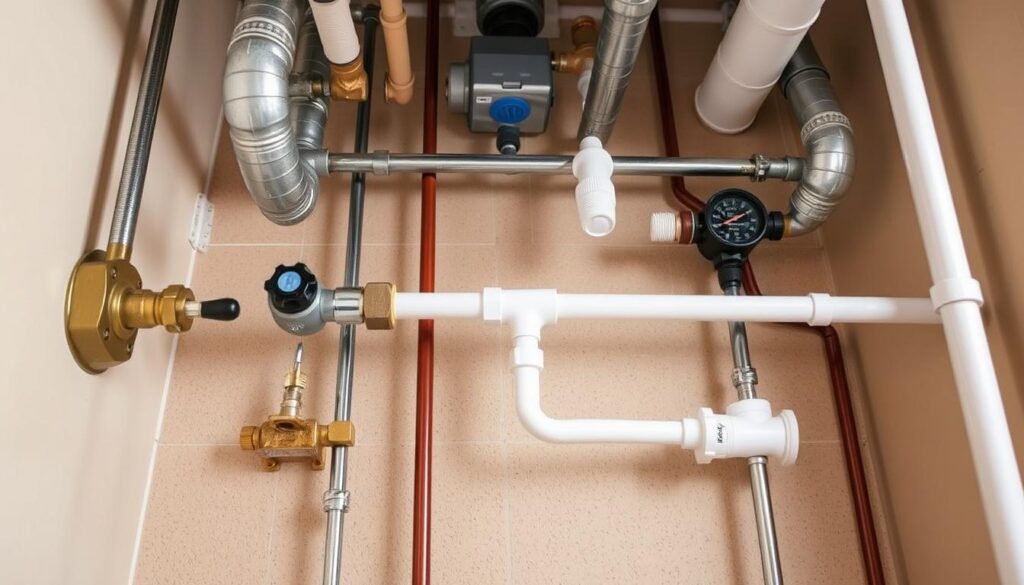
To keep your home’s water pressure perfect, you need to stay on top of it. Regular checks and maintenance are key. Water pressure tests help spot problems early, saving you money and hassle.
Watching your plumbing closely can stop big problems and expensive fixes. Here’s how to keep your water pressure just right:
- Do annual residential plumbing inspections to find pressure issues
- Use a good gauge to check water pressure every six months
- Watch for leaks or pressure changes
- Check your water bill for sudden changes
Seasons can really affect your plumbing. Cold winters and hot summers can stress your pipes. Keep an eye out for problems during these times.
Keeping your plumbing in good shape is important. Here are some ways to test your water pressure:
- Put in pressure-reducing valves if your pressure is too high
- Replace old washers and seals fast
- Clean out mineral buildup in your pipes and fixtures
- Get a professional to check your plumbing every two years
Being proactive and careful can keep your plumbing working well all year.
Conclusion
Learning how to pressure test plumbing is key for homeowners to protect their homes. It helps find problems early, saving money on big repairs. Regular checks keep your plumbing system in good shape and prevent water damage.
We’ve shown you how to find and fix weak spots in your home’s water and drain systems. With practice, you’ll feel more confident in doing these checks. Catching small issues early can save you a lot of money and avoid big water damage problems.
Adding pressure testing to your home maintenance routine is a smart move. It helps you keep your plumbing system running well. While DIY is great, some problems need a pro plumber’s help.
By taking care of your plumbing, you’ll save money and feel more at ease. Start using these pressure testing tips today. They’ll help protect your home’s water systems.