
Affiliate Disclosure
Plumber Guide Guys is a participant in the Amazon Services LLC Associates Program, an affiliate advertising program designed to provide a means for sites to earn advertising fees by advertising and linking to Amazon.
Ever wondered why some kitchen sink drains work flawlessly while others leak or drain slowly? Learning how to plumb sink drain systems can transform your home maintenance skills. It can also save you hundreds in professional plumbing costs.
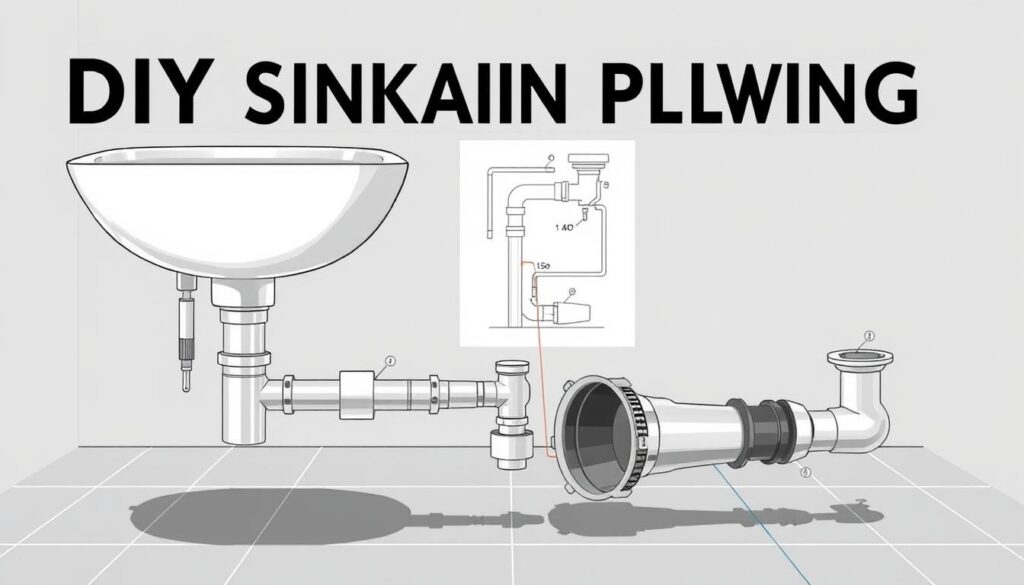
DIY sink drain plumbing might sound intimidating. But with the right knowledge and tools, you can master this essential home improvement skill. A kitchen sink drain assembly is more than just pipes. It’s a critical system that ensures water flows smoothly and prevents water damage.
This guide will walk you through every step of sink drain installation. We’ll break down complex techniques into easy-to-follow instructions. Whether you’re replacing an old drain or installing a new one, you’ll gain the confidence to tackle this project like a pro.
Key Takeaways
- Sink drain installation can be completed in under 30 minutes
- Understanding drain components is key for successful installation
- Proper installation prevents leaks and water damage
- DIY sink drain plumbing can save significant money on professional services
- Different sink configurations require specific installation techniques
Table of Contents
Understanding Your Sink Drain System Components
When you’re working on bathroom or kitchen sink plumbing, knowing your drainage system is key. Each part has a role in keeping your sink working well and leak-free.
A sink drain system has several important parts. They work together to manage water flow and avoid problems:
- Sink Strainer: Catches debris and prevents clogs
- Gasket: Creates a watertight seal
- Locknut: Secures components in place
- Tailpiece: Directs water downward
- P-Trap: Blocks sewer gases
Essential Parts of a Drain Assembly
Your kitchen sink drain assembly has vital parts for smooth drainage. The sink flange is at the top, making the visible opening. Below it, a rubber gasket seals against leaks. Locknuts and washers hold everything together from underneath, making a strong connection.
Types of Sink Drains and Their Uses
There are different sink waste pipe installations, each needing its own drain type:
| Drain Type | Best Used For | Key Features |
|---|---|---|
| Pop-Up Drain | Bathroom Sinks | Lift-rod mechanism for closing/opening |
| Basket Strainer | Kitchen Sinks | Catches food particles |
| Disposal Flange | Sinks with Garbage Disposals | Connects directly to disposal unit |
| Grid Drain | Modern Design Sinks | Sleek appearance with small drainage holes |
Knowing these parts helps you pick the right drain system for your sink.
Tools and Materials You’ll Need for Installation
Getting ready for a DIY sink drain plumbing project means collecting the right tools and materials first. The right toolkit can make your installation smooth or frustrating.
- Adjustable wrenches (10-inch and 12-inch)
- Channel-lock pliers
- Flathead and Phillips screwdrivers
- Putty knife
- Bucket or large container
- Clean rags or paper towels
- Hacksaw (for cutting PVC pipes)
- Basin wrench
- Flashlight or work light
For connecting sink drain pipes, you’ll need these essential materials:
| Material | Purpose |
|---|---|
| Drain assembly kit | Complete sink drain components |
| Plumber’s putty | Creating watertight seals |
| Teflon tape | Sealing threaded connections |
| Braided stainless steel supply hoses | Replacing old water connections |
Pro tip: Gather all your tools and materials before starting your project to avoid interruptions and multiple trips to the hardware store.
Your preparation is key to a successful sink drain installation. Double-check your toolkit to ensure you have everything needed for a professional-quality job.
Preparing Your Sink and Countertop for Drain Installation
Installing a new kitchen sink drain needs careful prep. First, remove the old drain system. Then, get the surface ready for a smooth new install. This ensures a leak-free connection and easy sink waste pipe installation.
Removing the Old Sink Drain
Start with safety first. Follow these steps:
- Shut off water supply valves under the sink
- Place a bucket to catch any water
- Use an adjustable wrench to disconnect water lines
- Loosen and remove the P-trap carefully
Cleaning and Inspecting the Sink Opening
Cleaning is key for a good install. Use these methods to get your sink ready:
- Remove the old drain from under the sink
- Scrape away old plumber’s putty with a putty knife
- Clean with warm water or mild cleaner
- Check the sink opening for damage
| Preparation Step | Tools Required | Important Considerations |
|---|---|---|
| Water Supply Shutdown | Adjustable Wrench | Prevent water damage |
| Drain Removal | Bucket, Pliers | Catch residual water |
| Surface Cleaning | Putty Knife, Cleaner | Ensure proper seal |
By carefully preparing your sink and countertop, you’ll set up a great base for a top-notch sink drain install. This will prevent leaks and ensure your sink works perfectly.
How to Plumb Sink Drain with a Basket Strainer
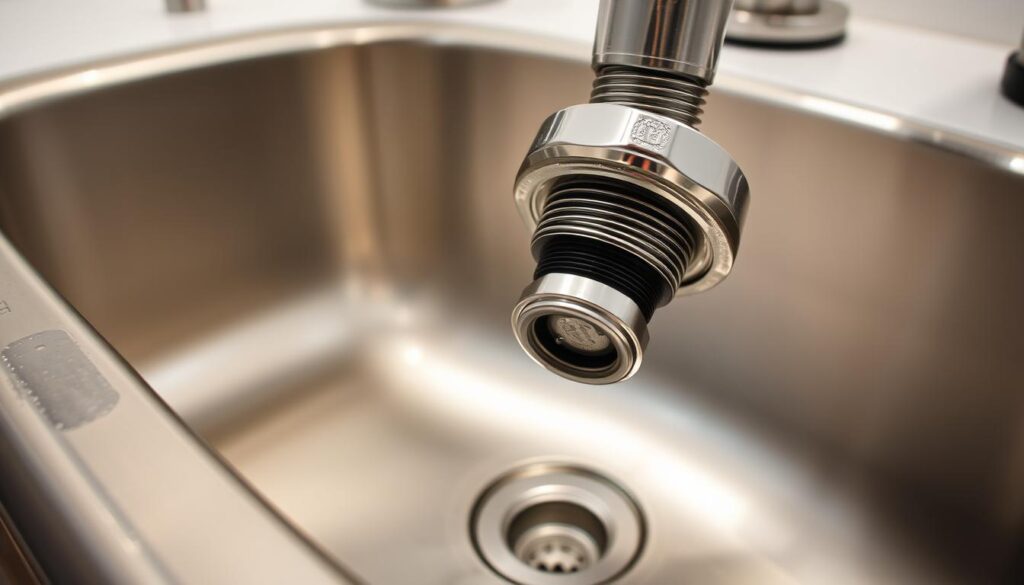
Looking to install a kitchen sink drain without a garbage disposal? A basket strainer is the perfect choice. Learning to plumb sink drain components can save you money and boost your DIY skills.
- Basket strainer kit
- Plumber’s putty
- Adjustable wrench
- Clean rag
- Protective gloves
The installation process for a basket strainer involves several key steps:
- Clean the sink surface thoroughly
- Apply plumber’s putty around the drain flange
- Position the strainer from the top of the sink
- Secure the strainer from underneath
- Tighten the locknut carefully
When applying plumber’s putty, roll it into a thin rope about 1/2-inch thick. Press the putty evenly around the flange’s underside to create a watertight seal. From underneath the sink, place the rubber washer on the metal nut and thread it onto the drain.
Pro tip for DIY sink drain plumbing: Have someone hold the strainer from above while you tighten the locknut to prevent spinning. Wipe away excess putty with a clean rag for a professional finish.
A properly installed basket strainer prevents leaks and ensures smooth drainage in your kitchen sink.
Installing a Garbage Disposal Flange and Drain Connection
Learning to plumb sink drain systems with a garbage disposal starts with the disposal flange. Your kitchen sink drain assembly needs careful detail for a secure, leak-free connection.
Installing a disposal flange is different from standard sink drain connections. It protects your sink from water damage and makes your disposal work better.
Mounting the Disposal Flange Correctly
To mount the disposal flange right, follow these steps:
- Clean the sink opening well
- Put plumber’s putty on the flange’s underside
- Place the metal flange on the sink surface
- Install mounting hardware from underneath
Connecting the Disposal to Your Drain System
Your garbage disposal needs precise alignment and connection. Focus on these key points:
| Connection Point | Installation Requirement |
|---|---|
| Mounting Ring | Align disposal unit’s mounting tabs |
| Dishwasher Inlet | Remove plastic plug if connecting dishwasher |
| Drain Outlet | Use rubber gasket and metal discharge flange |
Pro Tip: Always tighten screws evenly to avoid misalignment when mounting the disposal flange.
Precision is key when installing your kitchen sink drain assembly to prevent future leaks and ensure smooth operation.
Connecting the P-Trap and Tailpiece
Installing a p-trap is a key step in setting up your sink drain. The tailpiece and p-trap together block sewer gases from getting into your home. They also make sure water drains properly.
To connect sink drain pipes, follow a few important steps. First, look at your tailpiece. It’s the straight pipe that comes down from your sink drain. It’s a big part of your drain system.
- Gather necessary tools: slip nuts, beveled washers, adjustable pliers
- Measure the tailpiece to ensure proper length for p-trap connection
- Check alignment with wall drain opening
For a good pvc sink drain installation, focus on these key points:
- Attach the tailpiece to the sink drain outlet using a slip nut and washer
- Position the p-trap components carefully
- Align the trap arm with the wall drain opening
- Secure all connections using slip nuts
“Proper installation is key to avoid leaks and keep your home’s plumbing working right.”
When tightening, be gentle but firm. Over-tightening can damage plastic or strip threads. So, be careful when connecting the sink tailpiece. Make sure each slip nut is tight but not too tight.
The p-trap’s curved shape is important. It holds water that seals the drain, keeping sewer gases out. Take your time to get everything aligned and adjusted right for a tight seal.
Proper Sink Drain Venting and Code Requirements
Sink drain venting is key to a healthy plumbing system. It makes sure your bathroom sink plumbing works well and follows local building codes.
Drain venting is more than just a pipe through your roof. It’s vital for your home’s plumbing. It helps manage air pressure and stops drainage problems during sink waste pipe installation.
Understanding Drain Venting Basics
Water flowing through your drain pushes out air. Without the right venting, you might face:
- Slow drainage
- Gurgling noises
- Potential sewer gas leaks
- Water seal disruption in P-traps
Common Venting Configurations
Different sinks need specific venting setups. Here are the main ones for bathroom sinks:
- Individual Venting: Each fixture has its own vent pipe
- Wet Venting: A drain pipe acts as a vent for fixtures above it
- Common Venting: Two fixtures share a single vent
- Air Admittance Valves (AAVs): Mechanical vents for hard-to-reach areas
Always check local plumbing codes. Venting rules can change by area. Proper sink drain venting keeps your plumbing running smoothly and avoids long-term problems.
Testing Your Installation and Troubleshooting Common Issues
After finishing your diy sink drain plumbing project, it’s key to test it well. This ensures it works right. You need to check for problems early to avoid big issues later.
Start with a leak test. Fill your sink with water and watch the drain system. Look under for any leaks or moisture. Even a small leak can cause big water damage.
- Visual Inspection: Check all connections for tightness
- Water Test: Fill sink and release water to simulate typical usage
- Connection Check: Use dry paper towels to detect subtle moisture
Common problems you might face include:
- Slow Drainage: This could be due to:
- Partial pipe blockage
- Improper pipe slope
- Venting issues
- Leaks at Connections: These can be fixed by:
- Tightening slip nuts
- Replacing worn washers
- Checking pipe alignment
If problems keep coming back, get help from a pro. Check out a plumbing installation guide or ask an expert. This way, your sink drain system will work perfectly.
Conclusion
Learning to plumb sink drains can boost your home improvement skills. This guide has given you the know-how to handle kitchen sink drain projects confidently. You now understand plumbing basics better.
DIY sink drain plumbing is about careful prep and execution, not perfection. Success comes from knowing sink setups, picking quality parts, and following installation steps. Make sure to align everything right, use the right sealants, and test everything before finishing.
While some plumbing jobs need pros, many sink drain setups are doable for DIY fans. Your new skills will help you tackle more home projects in the future. With practice, patience, and detail, you can make drain systems that work well and last long.
Keep your drain in good shape by checking it often, using strainers, and avoiding harm to your plumbing. With the right steps, your sink drain will work well for years, giving you a sense of accomplishment.