

Affiliate Disclosure
Plumber Guide Guys is a participant in the Amazon Services LLC Associates Program, an affiliate advertising program designed to provide a means for sites to earn advertising fees by advertising and linking to Amazon.
Are you ready to learn how to plumb a fuel cell? It’s a skill that can make your system work better. This guide will help you go from beginner to expert.
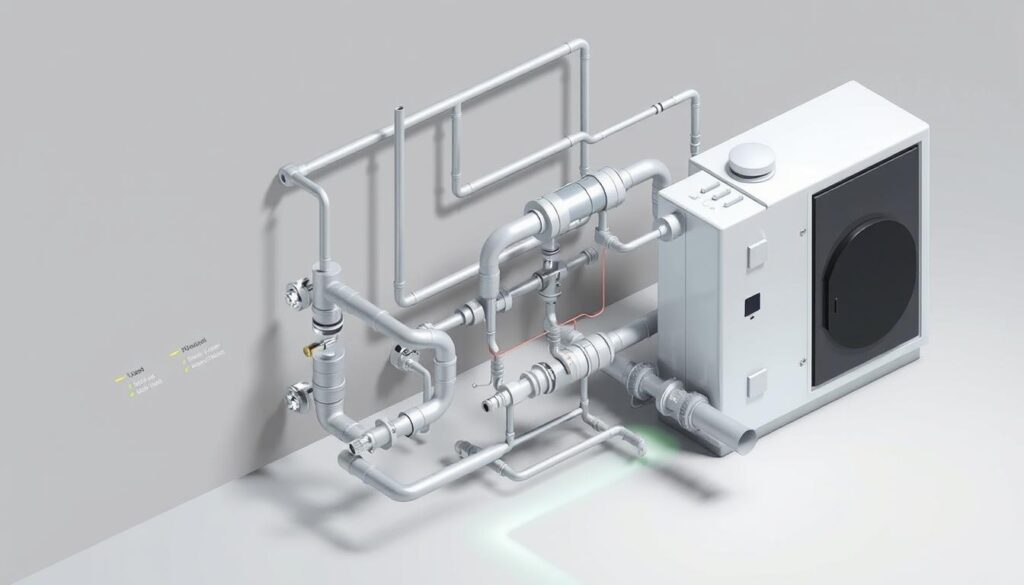
Plumbing a fuel cell needs precision and the right knowledge. It doesn’t matter if you’re using hydrogen, methanol, or other fuels. Knowing the basics is key for safety and performance.
This guide will show you how to install a fuel cell step by step. You’ll learn about choosing the right parts and keeping everything safe. We’ve got everything you need to know.
Key Takeaways
- Learn how to plumb a fuel cell the right way
- Understand important safety rules
- Know how to pick and install the right parts
- Avoid common mistakes
- Make sure your fuel cell system works its best
- Get the skills of a pro
Table of Contents
Understanding Fuel Cell Plumbing Basics
Starting a hydrogen fuel cell installation needs a good grasp of key parts and safety. Knowing the details of fuel cell piping systems is essential.
Fuel cells are complex, with many types for different uses. Each needs a special setup and care.
Types of Fuel Cells and Their Components
Each fuel cell type needs its own plumbing method:
- Proton Exchange Membrane (PEM) Fuel Cells
- Solid Oxide Fuel Cells (SOFC)
- Alkaline Fuel Cells (AFC)
- Phosphoric Acid Fuel Cells (PAFC)
Essential Safety Precautions and Requirements
Working with fuel cell systems means safety first. Key steps include:
- Ensuring proper ventilation
- Using the right protective gear
- Checking for gas leaks
- Knowing hydrogen’s special traits
Required Tools and Materials
For your fuel cell setup, you’ll need special tools:
- Precision pressure gauges
- High-quality pipe wrenches
- Leak detection tools
- Thermal insulation materials
Being well-prepared and knowing these basics is key to a successful fuel cell installation.
Pre-Installation Planning and Safety Measures
Getting ready for a fuel cell installation is all about careful planning and safety. You need to understand pem fuel cell connections and how to manage fuel cell water. This is key to your success.
Before you start, you must check a few important things. These affect how well your fuel cell system works and stays safe:
- Evaluate the installation space for proper ventilation
- Confirm electrical and plumbing compatibility
- Check local building codes and permit requirements
- Prepare necessary safety equipment
Managing fuel cell water is vital for keeping your system running well. You should plan how to handle water drainage and condensation. This helps avoid damage or performance problems.
| Safety Requirement | Recommended Action |
|---|---|
| Ventilation | Ensure minimum 2-3 feet of clearance around fuel cell |
| Gas Detection | Install hydrogen and carbon monoxide detectors |
| Fire Safety | Keep Class C fire extinguisher nearby |
When setting up pem fuel cell connections, you must plan carefully. Make sure to route pipes well and place connections right. Following the manufacturer’s instructions helps avoid leaks or inefficiencies.
Safety is not an option—it’s a requirement in fuel cell installations.
Getting advice from a professional can help a lot. They can give you tips tailored to your specific setup and needs.
How to Plumb a Fuel Cell
Setting up a fuel cell needs careful planning and precise steps. Knowing the sofc plumbing needs is key for a good and safe system. How you handle the fuel cell gas supply lines affects the whole system’s performance and reliability.
Before starting, think about important factors that affect your fuel cell system’s success.
Selecting the Right Location
Finding the best spot for your fuel cell is important. You need to:
- Make sure there’s good air flow
- Keep it away from heat sources
- Make it easy to get to for upkeep
- Shield it from direct sunlight and extreme weather
Preparing the Mounting Surface
The surface where you’ll mount the fuel cell is critical for its stability. Here’s how to prepare it:
- Clean the area well
- Check if it’s level and stable
- Use the right mounting brackets
- Make sure the support area is strong
Initial Assembly Steps
When putting together your fuel cell system, focus on the fuel cell gas supply lines. Making sure connections are right and tight is vital for the best performance. Being precise helps avoid leaks or problems.
Professional tip: Always double-check connections and use high-quality sealing materials during installation.
By carefully following sofc plumbing needs, you’ll have a strong and efficient fuel cell system.
Fuel Line Selection and Routing Guidelines
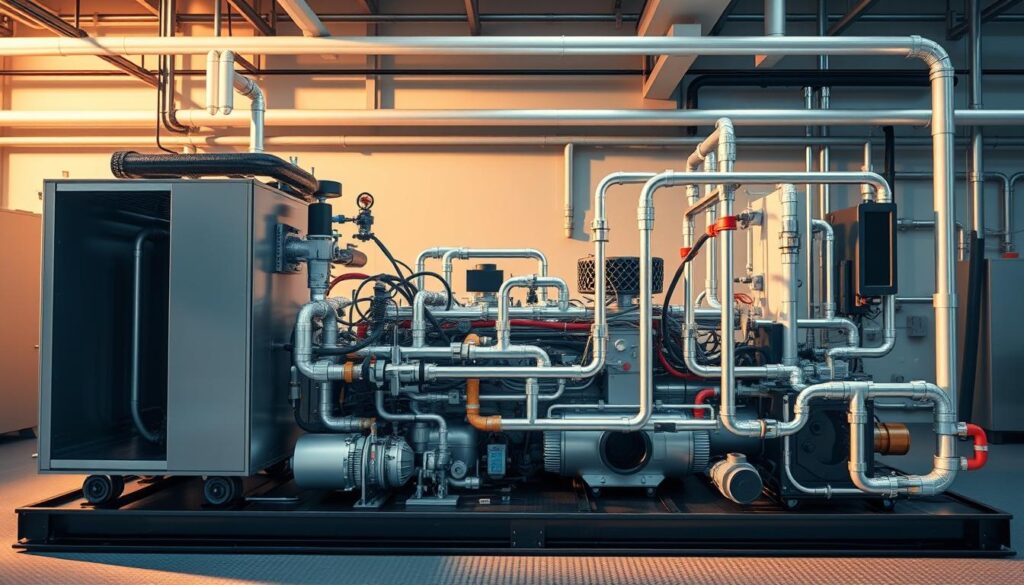
Setting up a methanol fuel cell requires the right fuel lines and correct routing. This is key for your system’s performance and safety. The way you set up your fuel lines can greatly affect your system’s success.
Choosing the right fuel lines involves several important steps. For a successful project, focus on these key points:
- Select high-quality fuel-resistant materials
- Ensure proper line diameter for your specific fuel cell setup
- Use professional-grade fuel line routing techniques to prevent failures
Professional tip: Always prioritize safety and compatibility when selecting fuel lines for your methanol fuel cell setup.
Proper fuel line routing is not just about connection—it’s about creating a reliable, efficient fuel delivery system.
For the best performance, follow these routing guidelines:
- Keep fuel lines away from heat sources
- Avoid routing near moving mechanical components
- Use cushioned clamps for secure attachment
- Maintain consistent line support throughout the system
Your methanol fuel cell’s life depends on careful fuel line selection and smart routing. By following these tips, you’ll build a strong and dependable fuel delivery system.
Installing Fuel Pressure Regulators
Fuel pressure regulators are key in your hydrogen fuel cell setup. They make sure fuel flows right and keeps the pressure just right. Knowing how to install them is vital for your fuel cell to work its best.
Your fuel cell’s performance relies on managing pressure well. A correctly installed regulator stops system failures and keeps hydrogen flowing smoothly.
Regulator Placement Considerations
Choosing the right spot for your fuel pressure regulator is important:
- Find a spot that’s not shaky
- Make sure it’s easy to get to for upkeep
- Keep it away from too much heat
- Put it close to the fuel cell for easy connection
Pressure Settings and Adjustments
Getting the pressure just right is key for your hydrogen fuel cell. Stick to what the maker says for setting the regulator.
- Check the maker’s suggested pressure range
- Use gauges that are accurate
- Adjust little by little
- Keep track of the pressure changes
Testing Regulator Performance
Testing your fuel cell plumbing guide is important:
- Do tests to see if the pressure stays steady
- Make sure fuel flows the same all the time
- See how the system does under different loads
- Use tools to get exact measurements
Pro tip: Always wear the right safety gear when installing and testing.
Fuel Pump Integration and Setup
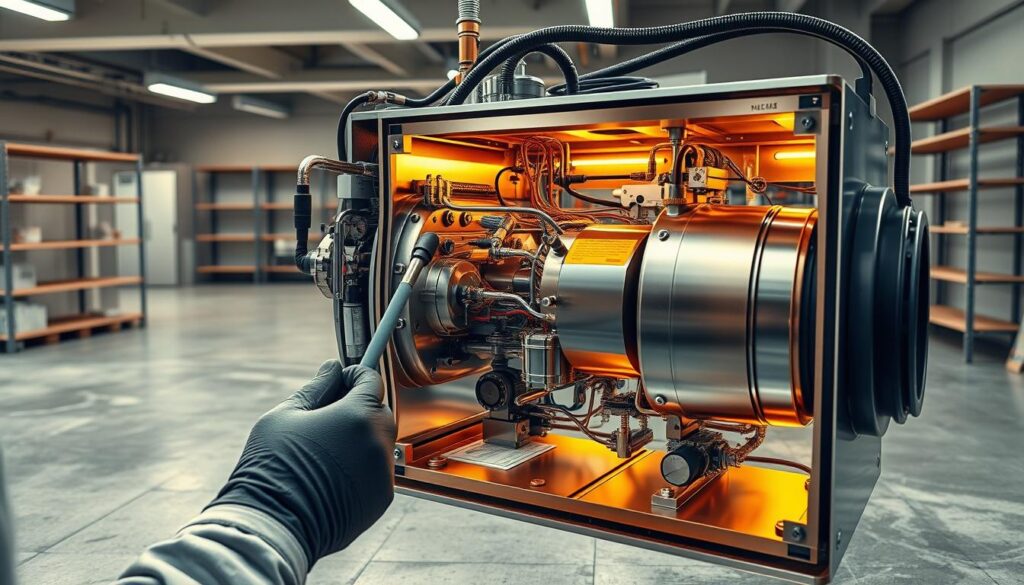
Adding a fuel pump to your fuel cell system needs careful planning. You must pick the right pump for your system. The pump is key for steady fuel flow and top performance.
When picking a fuel pump, think about a few important things:
- Fuel flow rate compatibility
- Pressure requirements
- Electrical system specifications
- Material compatibility with fuel type
Setting up the fuel pump right is important. Make sure it’s mounted securely, aligned well, and connected correctly. Wrong installation can cause system problems or failure.
| Pump Parameter | Recommended Specification |
|---|---|
| Flow Rate | 0.5-2.0 liters per minute |
| Pressure Range | 30-60 PSI |
| Electrical Input | 12V DC |
| Material | Corrosion-resistant alloy |
Keeping your fuel pump in good shape is key for it to last long. Check connections, look for wear, and keep it lubricated. This helps your fuel cell system work well for a long time.
Precision in pump selection and installation guarantees optimal fuel cell performance.
Filtration System Requirements
Keeping your fuel cell clean is key to its best performance. The filtration system is a vital part of sofc plumbing. It makes sure your fuel cell works well and lasts long.
A good filtration system has many layers to protect your fuel cell. It stops damage and makes your fuel cell last longer.
Pre-filter Installation Essentials
Here are important steps for pre-filter installation:
- Choose filters that fit your fuel cell type
- Make sure they seal well to block contaminants
- Check the filter’s micron rating for best protection
- Make sure it’s aligned with the fuel flow
Strategic Post-filter Placement
Post-filters add extra protection to your fuel cell system. They catch any particles that might slip past the first filters.
Comprehensive Filter Maintenance Schedule
Regular upkeep is essential for your fuel cell’s health. Here’s a suggested maintenance plan:
- Check filters every 3-6 months
- Replace pre-filters every year
- Clean post-filters during system checks
- Keep track of when you replace filters
Pro tip: Always have spare filters ready to avoid system downtime during maintenance.
Proper Venting and Overflow Prevention
Managing gas supply lines and preventing overflow are key safety steps in setting up a methanol fuel cell. Your fuel cell system needs careful venting to work well and stay safe.
Effective venting includes several important strategies for managing fuel cell gas supply lines:
- Install dedicated vent lines with proper diameter and routing
- Use high-quality materials resistant to fuel cell gas corrosion
- Ensure clear pathways for gas escape and pressure regulation
When designing your methanol fuel cell setup, remember these vital venting components:
| Venting Component | Function | Key Considerations |
|---|---|---|
| Pressure Relief Valve | Prevent system overpressure | Rated for specific fuel cell pressure range |
| Overflow Tank | Capture excess fuel | Sized appropriately for system capacity |
| Vent Line Filters | Remove contaminants | Regular maintenance required |
Safety tip: Always install vent lines away from possible ignition sources and ensure good ventilation in your workspace.
Using strong overflow prevention methods keeps your fuel cell system safe from damage. Use sensors and automatic shutdown to lower risks from fuel leaks or sudden pressure increases.
System Testing and Leak Detection
Learning to plumb a fuel cell means you must test and check for leaks. This is key for safe and efficient use. Your guide should cover these steps well.
First, visually inspect all connections and parts. Look for any signs of leaks or bad installation. These can hurt how well the system works.
- Check all pipe connections for tight seals
- Inspect mounting points and brackets
- Verify alignment of fuel lines
- Examine gasket and seal conditions
Next, you’ll do a pressure test. This is a big part of the guide. Use special tools to check if the system is strong and find any weak spots.
| Testing Method | Purpose | Recommended Pressure |
|---|---|---|
| Bubble Test | Identify small leaks | System operating pressure |
| Pressure Hold Test | Verify system sealed integrity | 1.5x normal operating pressure |
| Electronic Leak Detector | Precise leak identification | Manufacturer specifications |
Keep detailed records of all tests. This will help track how the system is doing. It also helps find problems early. Your careful testing makes sure your fuel cell plumbing works well for a long time.
Maintenance and Troubleshooting Tips
Keeping your hydrogen fuel cell system in top shape needs regular care and quick fixes. Taking good care of it helps it work better and last longer. Knowing how to maintain it can stop problems before they start and make your system more efficient.
Regular Inspection Points
Checking your fuel cell system often is key. Look closely at these important spots:
- Check electrical connections for corrosion
- Inspect hydrogen fuel lines for leaks
- Make sure pressure regulators work right
- Check the condition of membranes and electrodes
- Watch coolant levels and flow
Common Issues and Troubleshooting
Spotting problems early can save you money. Here are some common issues:
| Issue | Potential Cause | Recommended Action |
|---|---|---|
| Reduced Power Output | Membrane degradation | Professional membrane inspection |
| Fuel Contamination | Impure hydrogen supply | Replace filters, verify fuel source |
| Electrical Connection Problems | Corrosion or loose connections | Clean and tighten connections |
Preventive Maintenance Schedule
Having a set maintenance plan is vital for your hydrogen fuel cell system. Here are some suggested times:
- Monthly: Visual check of parts
- Quarterly: Detailed system check
- Annually: Expert evaluation
“Consistent maintenance is the key to long-term fuel cell performance and reliability.” – Energy Systems Engineering Institute
By sticking to these maintenance tips, your pem fuel cell connections will stay strong. Your hydrogen fuel cell system will run at its best.
Conclusion
Installing a fuel cell needs careful attention to detail, focusing on water management and gas supply lines. You’ve learned the essential steps for a safe and efficient system. From planning to testing, each part is key to your fuel cell’s success and long life.
Safety is the top priority in fuel cell plumbing. Knowing how to install, manage pressure, and maintain your system is critical. Regular checks and following maintenance schedules help avoid failures and keep your system running smoothly.
Fuel cell technology is always changing, bringing new solutions. Keeping up with the latest in water management and gas supply lines is important. This knowledge will help you improve your system as technology advances.
Being precise, patient, and proactive in maintenance is vital for a reliable fuel cell system. By following this guide, you’ll be ready to tackle plumbing challenges. This ensures your fuel cell works at its best.