

Affiliate Disclosure
Plumber Guide Guys is a participant in the Amazon Services LLC Associates Program, an affiliate advertising program designed to provide a means for sites to earn advertising fees by advertising and linking to Amazon.
Ever thought about what keeps your home safe from water damage? The floor drain is a key player in your plumbing system. Knowing how to plumb a floor drain is vital for protecting your property from water-related disasters.
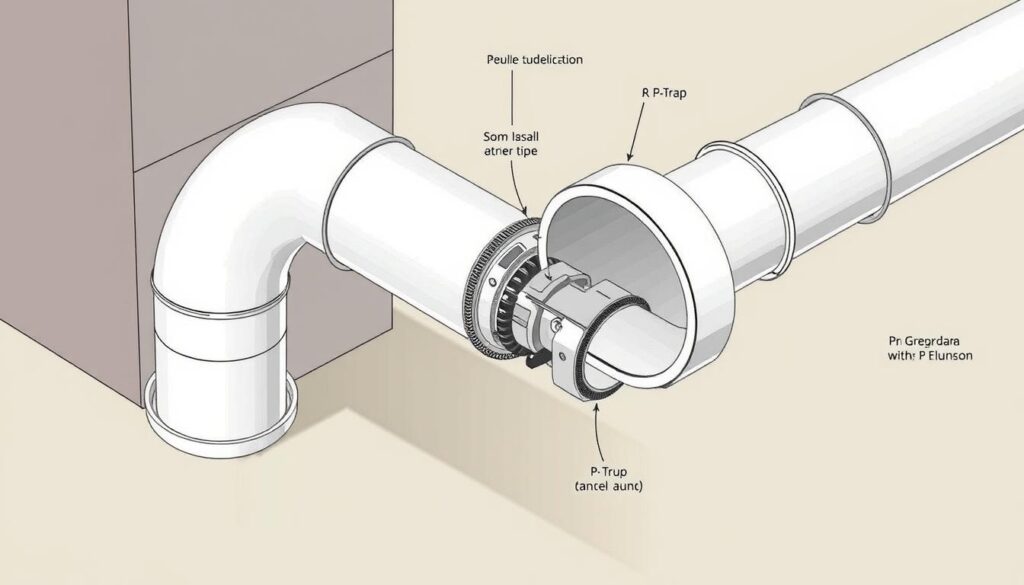
Installing a floor drain is easier than you might think. It’s important whether you’re in a basement, garage, or bathroom. The right techniques can save you thousands in repairs.
This guide will cover everything about installing a floor drain. You’ll learn how to pick the best spot and connect it to your home’s drainage system. You’ll feel confident to handle this important project like a pro.
Key Takeaways
- Floor drains prevent water accumulation and prevent structural damage
- Proper installation needs careful planning and precise steps
- Knowing local building codes is key for a successful install
- Different areas need specific drain types and installation methods
- Regular maintenance keeps your drainage system working well
Table of Contents
Understanding Floor Drain Basics and Their Importance
Floor drains are key in managing water flow and preventing damage. They are important in homes, commercial kitchens, and industrial areas. Knowing about floor drain plumbing code and basement drain pipe sizing is vital for good water management.
These drainage systems come in various types, each for different needs. It’s important for property owners to understand these basics.
Types of Floor Drains
- Traditional Point Drains: Circular drains for central locations
- Trench Drains: Linear for bigger areas
- Inline Drains: For specific water needs
Primary Functions of Floor Drains
- Stop water from building up
- Prevent flooding
- Reduce water damage
- Keep places clean
| Drain Type | Best Application | Typical Size |
|---|---|---|
| Point Drain | Bathrooms, Laundry Rooms | 2-4 inches |
| Trench Drain | Garages, Workshops | 4-12 inches |
| Inline Drain | Commercial Kitchens | 3-6 inches |
Common Applications
Floor drains are used in many places. You’ll find them in homes, businesses, factories, and public buildings. It’s important to pick the right drain for your needs and follow local plumbing codes.
Essential Tools and Materials for Floor Drain Installation
Getting ready for a PVC floor drain installation means picking the right tools and materials. You’ll need a detailed toolkit for a basement floor drain. It should help you work with precision and speed.
Your main toolkit for pvc floor drain installation should have a few key items:
- Pipe cutter or hacksaw
- Measuring tape
- Level
- Solvent cement
- Primer for PVC pipes
- Protective gloves
- Safety glasses
Each drain type needs its own set of materials. For basement floor drains, choose high-quality PVC parts. They must handle moisture and chemicals well.
| Material | Best Used For | Durability Rating |
|---|---|---|
| PVC Pipe | Standard Drainage | High |
| ABS Pipe | Cold Temperature Areas | Medium-High |
| Stainless Steel Drain | High-Moisture Environments | Very High |
Pro tip: Always check local building codes before starting your installing basement floor drain project. Some places have special rules for drain materials and how to install them.
Choosing the right materials is key for a good drainage system. Spend on quality parts for lasting performance and effective water management.
Proper Floor Drain Location and Planning
Choosing the right spot for your floor drain is key to good water management. It affects how well your garage drains. Think about several important factors to make sure your drainage works well.
Before installing a floor drain, you need to look at your space carefully. You want a system that handles water well and follows all plumbing codes.
Determining Optimal Drain Placement
Finding the best spot for your floor drain involves checking a few things:
- Look for the lowest points in the floor’s slope
- Stay away from structural barriers and utility lines
- Think about how water moves in the area
- Make sure it’s easy to get to for upkeep
Calculating Proper Slope Requirements
The right slope is vital for good drainage. Experts say you need at least 1/4 inch per foot slope. This slope helps water flow without pooling or getting stuck.
Code Compliance Considerations
Knowing the local building rules is important for your garage drain. Each area has its own rules for installing drains, including:
- Rules for the size of the drain
- How close it can be to walls and other fixtures
- Standards for venting and connections
- When you need a permit to install
Pro tip: Always check with local building authorities or a licensed plumber to make sure you follow the floor drain plumbing code in your area.
How to Plumb a Floor Drain
Plumbing a floor drain needs precision and careful planning. Knowing the steps for installing a floor drain is key. It helps avoid water damage and keeps your space dry.
- Concrete saw or circular saw
- Measuring tape
- Level
- PVC drain pipe
- Drain assembly kit
- Waterproof sealant
- Safety equipment
Here are the important steps to follow when plumbing a floor drain:
- Mark the exact spot for the drain with precise measurements.
- Use the right tools to cut the concrete or flooring.
- Make sure the drainage slope is right for water flow.
- Install the drain body at the correct height.
- Connect the drain to existing plumbing lines.
- Seal all connections with waterproof materials.
Professional tip: Always check local building codes before starting. The right slope and connections are key to avoid water backup or drainage problems.
| Installation Step | Key Considerations |
|---|---|
| Location Selection | Ensure minimum 1/4 inch per foot slope |
| Pipe Connection | Use compatible pipe materials |
| Sealing | Apply waterproof sealant around drain perimeter |
Safety Note: Always wear protective gear. If unsure about any step, consider getting a professional plumber’s help.
Connecting the Drain to the Main Sewer Line
Connecting a floor drain to the main sewer line is key for a good drainage system. It makes sure water flows well and keeps your home safe from plumbing problems.
When you connect a floor drain to the sewer line, there are a few important things to think about:
Selecting the Right Pipe Materials
The material of your pipes is very important. It affects how long your system lasts and how well it works. Here are some options:
- PVC: It’s light, doesn’t rust, and is easy on your wallet.
- Cast Iron: It’s tough and great for keeping sounds down.
- ABS: It’s flexible and simple to put in place.
Connection Method Strategies
Getting the connection right is key for good venting. Here are some top methods:
- Mechanical coupling connections
- Solvent welding for plastic pipes
- Rubber gasket connections
Venting Requirements
Good venting stops negative pressure and helps water drain smoothly. Here are some important venting tips:
| Venting Type | Purpose | Recommended Use |
|---|---|---|
| Individual Venting | Protects a single fixture | Good for small homes |
| Common Venting | Supports many fixtures | Best for big bathrooms or offices |
| Loop Venting | Prevents siphoning | Useful for complex setups |
Always check local building codes and get expert advice. This ensures your floor drain system works well and meets all requirements.
Installing the P-Trap and Drainage Components
The P-trap is key in your shower floor drain plumbing. It keeps sewer gases out and lets water flow well. This is vital for your home’s health.
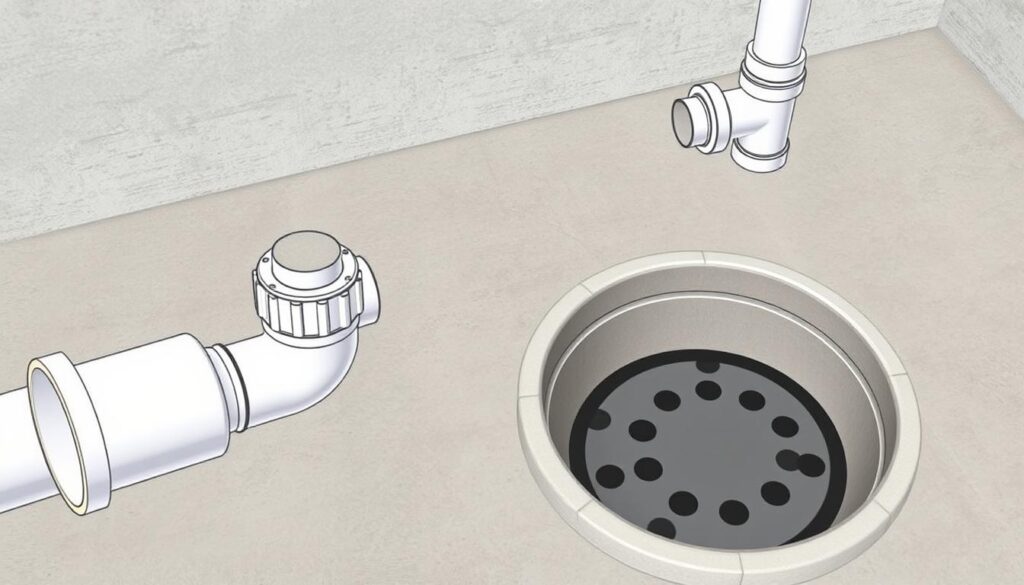
- Choose the right P-trap size for your drain pipe
- Make sure it fits well with your plumbing
- Use the right sealant or tape on connections
- Check it’s level to avoid water problems
Your P-trap must block sewer gases. For showers, pick a trap that flows water well. Stainless steel or PVC are good choices for lasting quality.
When linking up drainage parts, remember:
- Make sure clean-outs are easy to reach
- Ensure good ventilation
- Secure all pipe connections
- Check for any slope needs
Pro tip: Always double-check your connections and test for leaks before finishing your pvc floor drain installation.
Waterproofing and Sealing Techniques
Keeping your shower floor drain plumbing safe from water damage is key. Good waterproofing and sealing can stop moisture from getting in. This helps your drainage system last longer.
When you install a PVC floor drain, focus on a few important waterproofing steps:
- Select high-quality waterproof membranes
- Use specialized sealants
- Create proper drainage slopes
- Install moisture barriers
Membrane Installation Techniques
Your membrane installation is vital to stop water from getting in. Pick liquid-applied membranes or sheet membranes made for wet places. They block moisture completely.
| Membrane Type | Water Resistance | Installation Difficulty |
|---|---|---|
| Liquid Membrane | Excellent | Easy |
| Sheet Membrane | Superior | Moderate |
Effective Sealing Methods
Sealing your shower floor drain plumbing right stops water from getting into other parts. Use silicone-based caulk or special waterproofing sealants. They make tight, flexible connections.
Water Damage Prevention Strategies
To keep your PVC floor drain safe, make sure it slopes at least 1/4 inch per foot towards the drain. This slope helps water flow well and lowers moisture problems.
Professional tip: Always test your waterproofing methods before completing the final installation.
Floor Drain Cover Selection and Installation
Choosing the right floor drain cover is key for both looks and function in your shower floor drain plumbing project. The cover protects your drainage system and affects your space’s design.
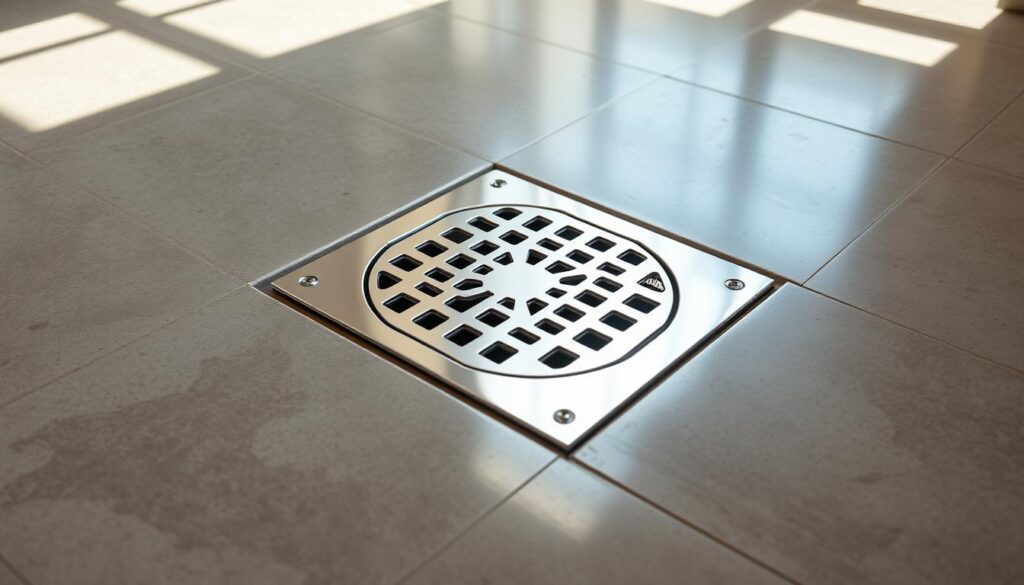
- Material Durability: Stainless steel, brass, and PVC vary in strength and resistance to corrosion
- Load-bearing capacity for different areas
- Design compatibility with your bathroom or floor design
- Ease of cleaning and maintenance
Your drain cover options include:
- Grated covers with various pattern designs
- Solid strainer covers
- Decorative modern designs
- Linear drain covers for seamless integration
For successful shower floor drain plumbing, make sure your cover fits well and seals tight. Measure your drain opening carefully before buying. Also, check if it matches your drainage system.
Pro tip: Choose a drain cover that works well and matches your bathroom’s style.
Installation needs careful alignment and sealing to avoid water leaks. Use the right sealants and follow the manufacturer’s instructions for the best results in your floor drain installation steps.
Testing the Drain System
After you’ve installed your floor drain, it’s important to test it thoroughly. This ensures it works as it should. Testing early can help catch problems before they cost a lot.
Knowing how to test a floor drain is key. It keeps your system running well for a long time.
Pressure Testing Procedures
Pressure testing finds leaks and weak spots in your drain. Here’s what to do:
- Plug all drain openings securely
- Use compressed air or water pressure
- Monitor pressure gauge for any drops
- Look for any pressure issues
Flow Rate Verification
Checking your drain’s flow rate is important. It makes sure water drains well and prevents backups:
- Pour measured water volume
- Time how fast the water drains
- Make sure the flow is smooth and steady
- Compare the rate to local building codes
Common Issues and Solutions
Watch out for these common problems during testing:
- Slow drainage: Check the pipe’s slope and for blockages
- Water backup: Look at the venting and pipe connections
- Leaks: Fix any loose joints and check pipe alignment
“A well-tested drain system prevents costly water damage and ensures long-term reliability.” – Professional Plumbing Association
Testing your drain system carefully ensures it meets professional standards. It also works well in real-life situations.
Maintenance and Troubleshooting Tips
Keeping your floor drain system in top shape needs regular care and quick fixes. Knowing about basement drain pipe sizing and proper venting helps avoid big problems.
Regular upkeep is key to your drainage system’s long life. Here’s how to keep your floor drain working well:
- Check the drain cover monthly for debris and blockages
- Use drain cleaning solutions to clean it regularly
- Look for water backup or slow drainage signs
- Make sure pipe connections and seals are good
When you’re fixing floor drain problems, watch for these signs:
- Unusual odors mean venting issues
- Water pooling around the drain
- Gurgling sounds when water flows
- Slow drainage means pipe blockages
Good floor drain venting stops sewer gases from getting in. Make sure your basement drain pipe sizing follows local codes and allows enough water flow. If problems keep coming back, a pro plumber can help find and fix them.
Pro tip: An annual check by a pro can spot issues before they cost a lot to fix.
Conclusion
Plumbing a floor drain needs careful planning and precise steps. Learning how to do it right protects your property from water damage. It also makes your drainage system efficient. This guide gives you a clear path to follow, whether you’re a homeowner or a professional.
Starting a successful floor drain installation means knowing the key parts and techniques. Choosing the right drain type and ensuring the right slope and connection are all important. Following local building codes and best practices ensures a reliable system that manages water flow well.
Don’t forget, keeping your floor drain system in good shape is essential. Regular checks, cleanings, and quick repairs are key. With the knowledge from this guide, you can confidently install and maintain your floor drain system. This keeps your home or business clean and safe.
Investing time and effort in your floor drain installation is worth it. A well-designed and well-installed system protects your property. It also gives you peace of mind, knowing water management is handled well.