
Affiliate Disclosure
Plumber Guide Guys is a participant in the Amazon Services LLC Associates Program, an affiliate advertising program designed to provide a means for sites to earn advertising fees by advertising and linking to Amazon.
How to Make a Plumbing Loop Vent? Ever wondered how to fix tricky drainage issues in tight spots? A plumbing loop vent might be just what you need.
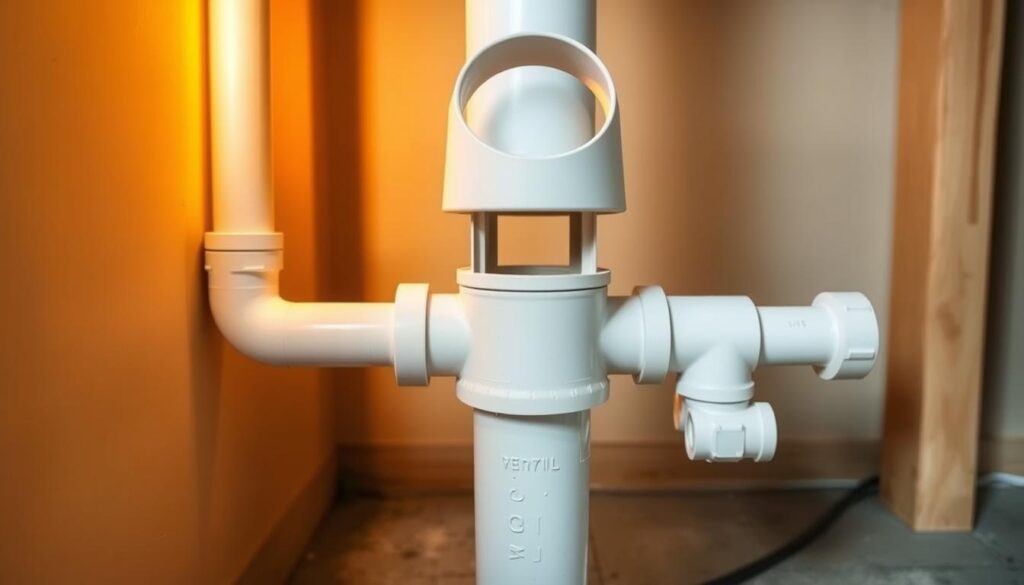
Learning to make a plumbing loop vent can save you money. It’s a smart fix for your home’s drainage system. This DIY solution helps manage plumbing problems in small spaces.
Professional plumbers suggest loop vents for tricky fixtures. Knowing how to use this technique lets you handle complex plumbing jobs with ease.
Key Takeaways
- Loop vents offer a solution for tough plumbing setups
- DIY loop venting systems can be cost-effective for homeowners
- Proper installation requires understanding local building codes
- Loop vents work best in specific residential plumbing scenarios
- Careful planning is key for successful loop vent implementation
Table of Contents
Understanding Plumbing Loop Vents and Their Purpose
Plumbing loop vents are key for managing air pressure in complex systems. They are used when traditional venting is hard. Loop vents help keep drainage right and avoid plumbing problems.
Modern plumbing needs special techniques for unique challenges. A loop vent diagram shows how these systems manage air in hard-to-reach areas.
What is a Loop Vent System
A loop vent system is a special plumbing setup for fixtures far from vents. It’s great for:
- Kitchen islands with isolated sink installations
- Bathroom fixtures away from main walls
- Renovation projects with complex layout restrictions
How Loop Vents Work
Loop vents create an air path to prevent negative pressure in pipes. They ensure water flows well and stop siphoning effects.
Common Applications
Plumbers and homeowners use loop vents when standard methods don’t work. They’re often used in kitchen remodels, island sinks, and tight spaces.
Knowing how loop vent systems work helps you make smart plumbing choices. It ensures water drains well in different building designs.
Essential Tools and Materials for Loop Vent Installation
Getting ready for a plumbing loop vent installation means you need the right tools and materials. Having a good toolkit is key for precise and safe work. Before you start, make sure you have everything needed to do the job well.
- Measuring tape for accurate pipe measurements
- PVC pipes and fittings
- Hacksaw for cutting pipes
- Sandpaper for smooth pipe edges
- PVC primer and cement
- Safety equipment
Your list should include important plumbing parts for a successful installation:
- 45-degree and 90-degree elbows
- Sanitary tees
- PVC pipe extensions
- Pipe couplings and adapters
Safety is very important during installation. Always wear gloves and safety goggles. Using quality materials from trusted stores ensures a strong and compliant installation.
Pro Tip: Double-check local building codes before starting your plumbing loop vent project to ensure compliance.
Choosing the right tools and materials makes your installation smoother and more professional.
Planning Your Loop Vent Installation
Starting a plumbing loop vent project needs careful planning. Knowing the steps ahead can save you time and money. It also helps avoid code issues.
Measuring and Layout Considerations
Getting the measurements right is key for a good loop vent system. Before you start, you need to:
- Measure the exact distance between fixtures
- Identify precise pipe routing locations
- Assess possible obstacles in wall cavities
- Create a detailed sketch of your proposed vent layout
Understanding Plumbing Code Loop Vent Requirements
Building codes differ by area, but most have rules for loop vents. These rules help ensure your drainage system works well. Check with your local building department to learn about:
- Minimum vertical and horizontal pipe distances
- Acceptable pipe materials
- Required slope and angle specifications
- Permissible fixture connection methods
Selecting Proper Loop Vent Sizing
Choosing the right size for your loop vent is vital. The size depends on:
- Number of connected fixtures
- Fixture drain size
- Total anticipated water volume
- Local plumbing code specifications
Pro tip: If you’re unsure, talk to a professional plumber. They know local codes and can suggest the best loop vent setup for you.
How to Make a Plumbing Loop Vent
Making a DIY loop venting system needs careful planning and precise steps. It can save you money and make your home’s drainage better. Before you start, make sure you have all the tools and materials you need.
Here are the key steps for a successful plumbing loop vent installation:
- Measure the existing plumbing layout carefully
- Select appropriate pipe materials
- Cut pipes to the required lengths
- Create the loop configuration
- Prepare connection points
When making your DIY loop venting system, focus on these important points:
- Pipe alignment must be precise
- Ensure proper slope for drainage
- Use high-quality pipe sealants
- Maintain consistent pipe diameter
Here are the main tools you’ll need for your plumbing loop vent project:
- Pipe cutter
- Measuring tape
- Level
- Pipe wrench
- Teflon tape
Safety tip: Always check local building codes before starting your loop vent installation.
Remember, each plumbing system is different. Take time to understand your specific needs. Approach the project with patience and precision. Proper installation is key to avoiding drainage problems and ensuring long-term functionality.
Proper Installation Techniques and Best Practices
Installing a plumbing loop vent needs care and precision. Professional plumbers know every step is important for a good venting system in your home.
The success of a plumbing loop vent depends on careful preparation and execution. How you size and install the loop vent affects its performance over time.
Connecting Fittings and Joints
Here’s how to connect fittings for your plumbing loop vent:
- Clean all pipe surfaces before joining
- Apply plumbing cement evenly around connection points
- Ensure tight, secure connections with minimal gaps
- Allow cement to dry completely (minimum 30 minutes)
Securing and Supporting the Vent System
Good support is key to avoid stress and misalignment in your loop vent system. Use strong pipe hangers and supports at the right intervals to keep it stable.
- Space supports every 4 feet for horizontal runs
- Use adjustable metal hangers designed for plumbing
- Ensure supports are level and securely anchored
Testing for Proper Function
After you install, it’s important to test it well. Do a pressure test to check if your plumbing loop vent works right:
- Apply water pressure to check for leaks
- Inspect all joints and connections
- Verify proper drainage and venting performance
Professional tip: Always check local building codes before finishing your loop vent installation.
Common Loop Vent Installation Challenges
Installing loop vents in existing plumbing can be tricky. Homeowners and DIY fans might face several challenges. Knowing these obstacles can make the installation smoother and avoid expensive mistakes.
Space is often the biggest problem. Tight spots between walls, around pipes, and in small utility areas make it hard to place vents correctly.
- Navigating around existing structural elements
- Maintaining proper pipe angles and slopes
- Ensuring adequate clearance for connections
- Managing limited access points
Precision is key with horizontal vent pipes, more so on upper floors with complex plumbing risers. If installed wrong, it can cause poor drainage, blockages, and bad air flow in your plumbing system.
“Successful loop vent installation requires careful planning and meticulous execution.” – Professional Plumbing Association
Noise can also be a problem with loop vents. Some people hear unwanted sounds when air is released. This might need soundproofing or smart placement of vents.
For these challenges, getting a professional plumber is wise. They know local codes and have the skills to install loop vents in any plumbing setup. Their help ensures your system works well.
Alternative Venting Solutions and Comparisons
Plumbing ventilation offers many ways to solve drainage problems. Knowing the different options helps you pick the best one for your needs. Let’s look at the various venting methods that can work with or replace traditional loop venting.
Air Admittance Valves: A Modern Alternative
Air admittance valves (AAVs) are a modern choice over traditional loop venting. These devices offer flexible solutions in tight spaces. When comparing loop vent vs air admittance valve systems, AAVs have some key benefits:
- Can be installed in tight spaces
- Reduce extensive pipe routing
- Work well for multi-fixture loop venting scenarios
- Lower installation costs
Combination Waste and Vent Systems
Combination systems offer a single solution for plumbing ventilation. These systems combine waste drainage and air circulation in a single configuration. They provide a streamlined option for complex plumbing layouts.
Traditional Stack Venting
Traditional stack venting is a tried-and-true method for many plumbing jobs. It uses vertical pipes to balance air pressure and ensure proper drainage.
Pro tip: Always check local building codes before selecting a venting solution, as requirements can vary by location.
Your choice between loop venting, air admittance valves, or traditional methods depends on your project’s needs, space, and local rules.
Maintenance and Troubleshooting Tips
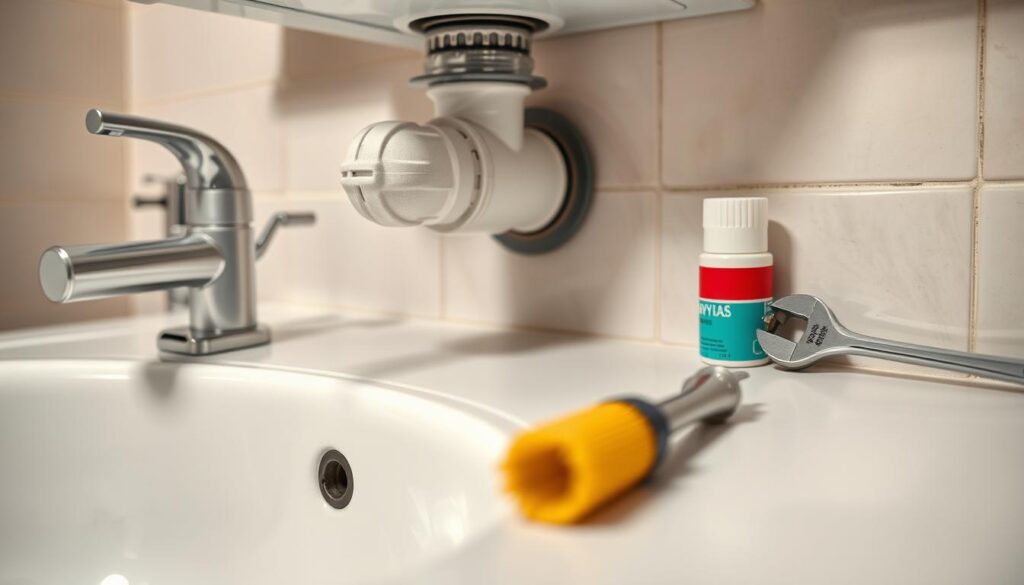
Keeping your loop vent for the bathroom sink in good shape is key. It helps your plumbing system work smoothly. Regular care can also save you from expensive repairs and make your installation last longer.
There are a few important steps to keep your loop vent running well:
- Do quarterly visual inspections of the whole vent system
- Look for any water leaks or corrosion signs
- Regularly clean drain connections to avoid blockages
- Listen for strange gurgling sounds that might mean venting issues
When you’re dealing with a loop vent for the bathroom sink, watch out for these signs:
- Slow draining in sink fixtures
- Bad sewer smells in the bathroom
- Water backing up in pipes
- Unusual bubbling or air pressure changes
If DIY fixes don’t work, it’s time to call a pro. Certified plumbers can find and fix complex venting problems that could harm your home’s plumbing.
Pro tip: Always document your maintenance activities to track any recurring problems in your loop vent system.
By sticking to these maintenance tips, your loop vent will stay reliable and work well for many years.
Safety Considerations and Building Code Compliance
It’s vital to make sure your plumbing loop vent meets safety standards and local building codes. This ensures your home is safe and avoids legal problems later.
When dealing with plumbing code loop vent requirements, there are important safety points to keep in mind.
Local Regulatory Landscape
Building codes differ by location. It’s key to check your area’s rules. Look into:
- Specific venting material requirements
- Minimum pipe diameter specifications
- Acceptable installation methods
- Required distances from other building components
Inspection Guidelines
Getting ready for a professional inspection needs careful attention. Inspectors check:
- Proper pipe sizing and material
- Correct slope and alignment
- Secure mounting and support
- Adherence to local plumbing code loop vent requirements
Safety Precautions
Stay safe during installation by following these guidelines:
- Wear protective eyewear and gloves
- Use the right tools for cutting and fitting
- Make sure there’s good ventilation
- Turn off the water supply first
Remember, getting professional advice can help with your local building rules.
Conclusion
Learning to make a plumbing loop vent is a great skill for homeowners. It lets you tackle tough plumbing jobs on your own. You need to plan well, execute with precision, and know the local building codes.
By following this guide, you now know how to create a good ventilation system for your plumbing. This is a big step towards improving your home.
But remember, installing a DIY loop vent needs skill and confidence in plumbing. If you’re not sure, it’s okay to ask a professional plumber for help. Always keep safety and following codes first when working on your plumbing.
Knowing about loop venting can help you with more home maintenance and improvements. You’ve learned about pipe sizing and how to install it right. This knowledge will help you with future projects.
Having a well-installed plumbing loop vent is key for good drainage and preventing moisture problems. With careful work and the right techniques, you can do this important home improvement task.