
Affiliate Disclosure
Plumber Guide Guys is a participant in the Amazon Services LLC Associates Program, an affiliate advertising program designed to provide a means for sites to earn advertising fees by advertising and linking to Amazon.
How to Loosen Plumbing Pipes? Ever wondered why your plumbing pipes seem impossible to disconnect? What secret techniques could transform a frustrating repair into a manageable home maintenance task?
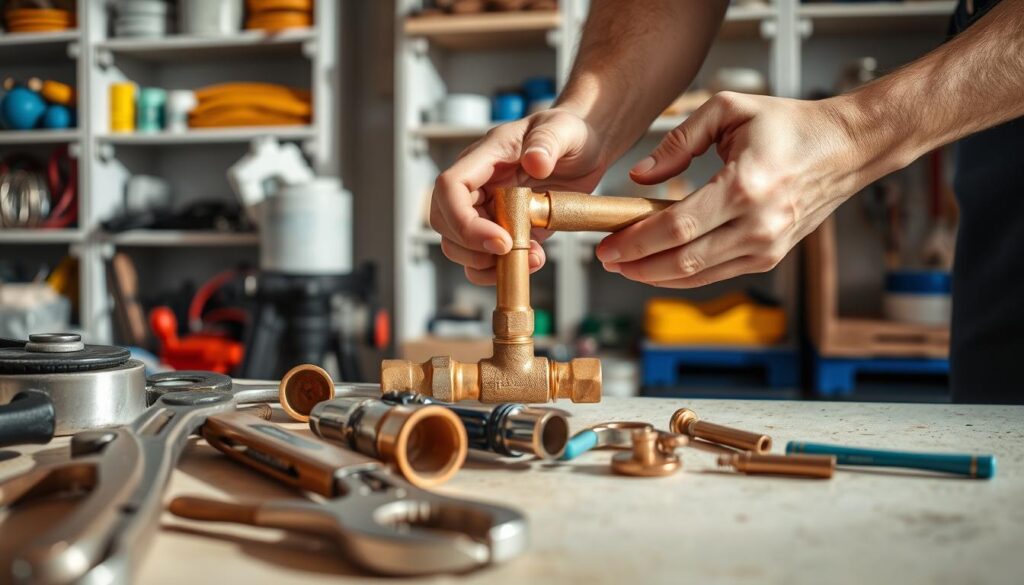
Learning how to loosen plumbing pipes is a critical skill for homeowners and DIY enthusiasts. It can save you time, money, and prevent water damage. With the right knowledge and tools, you can handle it.
Plumbing systems are complex networks. They include water supply and drain-waste-vent (DWV) systems. Knowing these systems is key to tackling pipe maintenance and repair challenges.
Key Takeaways
- Master essential plumbing repair techniques
- Understand your home’s plumbing system components
- Learn safe pipe loosening methods
- Recognize when professional help is necessary
- Prevent possible damage during repairs
- Save money through DIY maintenance skills
Table of Contents
Understanding Your Home’s Plumbing System Basics
It’s important to know the basics of plumbing repair to keep your home’s water system working right. Your home’s plumbing system has two main parts. They work together to make sure water flows well and safely in your home.
A good plumbing system has many pipes, valves, and connections. These help manage water and waste. Knowing about these can help you fix small problems and avoid bigger ones.
Water Supply System Components
The water supply system brings fresh water into your home. It has several key parts:
- Main water line
- Shut-off valves
- Water meters
- Pressure regulators
Drain-Waste-Vent (DWV) System Overview
The DWV system takes care of wastewater and keeps sewer gases out. It has important parts like:
- Drain pipes
- Vent stacks
- Traps
- Cleanout ports
Common Pipe Materials and Their Properties
There are different pipe materials, each with its own benefits. Here’s a look at the most common ones:
- Copper: Durable and resistant to corrosion
- PVC: Lightweight and cost-effective
- PEX: Flexible and easy to install
- Galvanized Steel: Strong but prone to rust
Knowing about these materials and system parts helps you deal with plumbing issues better. It also helps you make smart choices about repairs and upkeep.
Essential Tools for Loosening Plumbing Pipes
When you start a plumbing project, you need the right tools. These tools help you loosen plumbing connections safely and well. Professional plumbers know that the right equipment is key to a successful repair.
Your plumbing toolkit should have several important items. These tools will help you deal with different pipe connections and challenges.
Hand Tools and Wrenches
Using a plumber’s wrench is essential for pipe maintenance. There are different wrenches for different jobs:
- Pipe Wrench: Best for gripping and turning threaded pipes
- Adjustable Wrench: Versatile tool for multiple pipe sizes
- Slip-Joint Pliers: Ideal for smaller connections
Specialty Plumbing Tools
There are also specialized tools that make loosening pipes easier:
| Tool | Purpose |
|---|---|
| Pipe Cutter | Precise cutting of metal and plastic pipes |
| Tubing Bender | Creating smooth pipe curves without kinks |
| Pipe Threading Machine | Creating custom pipe connections |
Safety Equipment and Supplies
Protecting yourself is just as important as having the right tools. You need safety gear like:
- Safety glasses
- Thick work gloves
- Non-slip work boots
- Protective clothing
Investing in quality tools and safety equipment ensures you can confidently approach any plumbing project with minimal risk.
How to Loosen Plumbing Pipes: Safety Precautions
When you’re learning to loosen plumbing pipes, safety comes first. Taking the right steps can avoid injuries and protect your home’s plumbing.
“Safety isn’t expensive, it’s priceless” – Unknown
Before starting any plumbing work, remember these essential safety tips:
- Always shut off the main water supply to avoid flooding
- Wear protective gear like safety glasses and gloves
- Make sure your workspace is well-lit and ventilated
- Have a fire extinguisher ready when using heat tools
Knowing how to safely loosen plumbing pipes means being aware of dangers. Key safety points include:
| Potential Hazard | Safety Recommendation |
|---|---|
| Electrical risks near water | Disconnect electrical sources in work area |
| Toxic pipe materials | Use respiratory protection if working with old pipes |
| Confined spaces | Ensure proper ventilation and avoid working alone |
Pro tip: If unsure about safely loosening plumbing pipes, always ask a professional plumber.
By sticking to these safety tips, you’ll keep yourself and your home safe while doing plumbing work.
Preparation Steps Before Pipe Loosening
Starting with thorough preparation is key to plumbing repair basics. Before loosening any pipes, several steps are vital for safety and efficiency. Proper groundwork helps avoid water damage and makes repairs smoother.
Locating Shut-off Valves
Finding your home’s shut-off valves is essential. These valves let you control water flow and stop unexpected flooding during repairs.
- Check near water heaters and main water lines
- Look for valves in basements, crawl spaces, or utility rooms
- Identify both main house and individual fixture shut-off valves
Draining the System
Drain the water before loosening pipes to avoid mess. Careful drainage prevents unexpected water spillage and makes your work area cleaner.
- Turn off main water supply
- Open lowest faucet in your home
- Allow water to completely drain
- Confirm system is empty using pressure test
Workspace Setup Requirements
Setting up a good workspace is critical for plumbing repair basics. Your area should be clean, well-lit, and organized.
- Use bright, portable lighting
- Ensure good ventilation
- Lay down protective drop cloths
- Arrange tools within easy reach
By following these steps, you’ll be ready for a successful pipe loosening project with fewer problems.
Techniques for Breaking Loose Stubborn Connections
Dealing with stuck plumbing pipes can be tough for homeowners. You need patience, skill, and the right method to loosen stuck pipes. Knowing how to handle stubborn connections can save you time and avoid damage to your plumbing.
When facing tough pipe joints, several effective methods can help you break free stubborn connections:
- Apply a high-quality pipe joint lubricant to reduce friction
- Use penetrating oils to break down rust and corrosion
- Implement careful heat application to expand metal connections
- Select specialized tools for maximum leverage
Professional plumbers suggest a strategic approach to loosen tight pipe connections. Patience is key when dealing with tough joints. Begin by choosing the right pipe joint lubricant for your pipe material.
“The right technique can make even the most stubborn pipe connection give way.” – Professional Plumbing Expert
| Technique | Best Used For | Effectiveness |
|---|---|---|
| Penetrating Oil | Rusty Metal Connections | High |
| Heat Application | Seized Metal Joints | Medium-High |
| Specialized Wrenches | Tight Threaded Connections | High |
Work carefully and avoid using too much force. If you’re not sure about a technique, get help from a professional plumber. They can offer expert advice and prevent pipe damage.
Dealing with Different Types of Pipe Joints
Plumbing systems have many pipe joint types. Each needs a special way to disconnect and disassemble. Knowing these helps avoid damage and makes removing pipes easier.
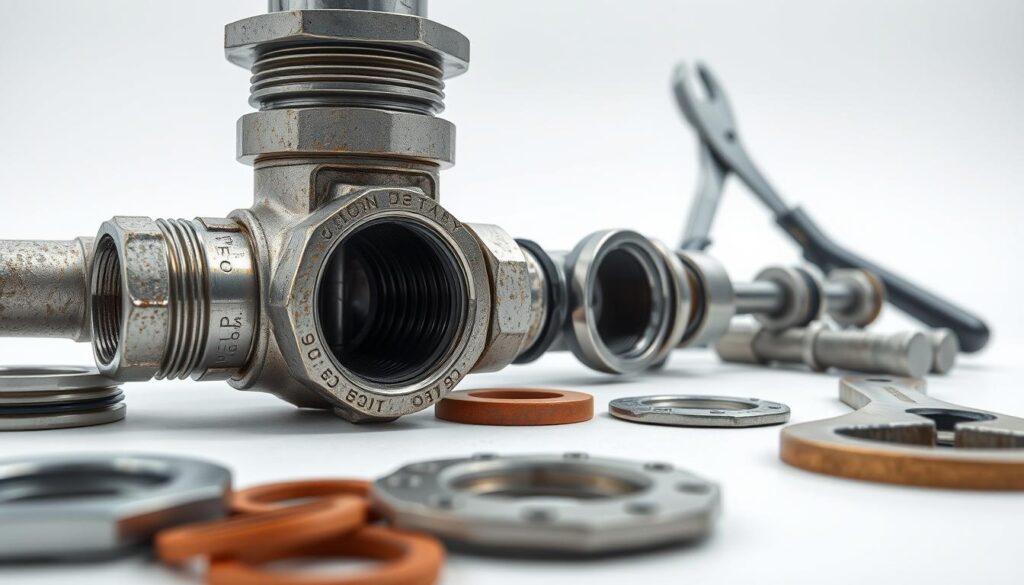
Professional plumbers know that different materials need different approaches. Success comes from knowing the right method for each type.
Threaded Pipe Connections
Removing threaded pipes needs careful steps:
- Use adjustable pipe wrenches with the right jaw width
- Apply penetrating lubricant to cut down on friction
- Rotate slowly to avoid damaging the threads
- Support nearby pipes to reduce stress
Soldered Joint Solutions
Soldered connections require special heat techniques:
- Use a propane torch with a controlled flame
- Heat the pipe evenly around the joint
- Apply gentle pulling motion
- Clean the surface after separating
PVC and ABS Connections
PVC pipe disassembly is different from metal pipes:
| Technique | Best Used For | Difficulty Level |
|---|---|---|
| Cutting | Permanent removal | Easy |
| Heating | Flexible connections | Moderate |
| Specialized plastic pipe tools | Precision disconnection | Advanced |
Safety tip: Always wear protective gloves and eye protection when working with pipe joints.
Handling Corroded and Rusted Pipes
Dealing with corroded and rusted pipes can be tough for homeowners. Removing rusted pipes needs special techniques to avoid more damage to your plumbing.
When you face rusted pipe connections, you need a smart plan. First, check how bad the corrosion is. Then, pick the best method for your situation.
- Identify the severity of pipe corrosion
- Prepare appropriate tools for frozen pipe connection solutions
- Select the right rust penetrant
- Determine whether repair or replacement is necessary
Fixing frozen pipe connections often means using heat and special lubricants. Gentle heating can help break down rust bonds without harming your pipes. Plumbers suggest using rust-penetrating oils to loosen tough connections.
Important steps for removing rusted pipes include:
- Apply penetrating oil and let it sit
- Use gentle heat to expand metal
- Carefully apply consistent pressure
- Use specialized pipe wrenches
In severe cases of corrosion, cutting and replacing pipes might be needed. Always put safety first. If it’s too hard, don’t hesitate to get a professional plumber’s help.
Professional Tips for Preventing Pipe Damage
Keeping your plumbing system safe needs skill and care. Plumbers know that stopping pipe damage is more than just fixing things. How you handle pipes can greatly help keep your home’s plumbing in good shape.
Mastering Leverage and Force
Using a plumber’s wrench right is all about leverage. It’s not just about being strong. Here are some key tips:
- Stand right in line with the pipe connection
- Apply steady, controlled pressure, not sudden jerks
- Choose the right wrench size for a good grip and less pipe stress
Strategic Lubrication Techniques
Lubricant is key in reducing friction and avoiding damage. Right application can make a tough task easier. Use lubricant carefully, focusing on threaded parts and corroded areas.
Avoiding Critical Mistakes
Experts say to avoid these common mistakes:
- Don’t use too much force that could harm the pipes
- Don’t use the wrong or mismatched tools
- Always check pipes for wear before trying to loosen them
By following these expert tips, you can keep your plumbing safe. You’ll handle pipe maintenance with confidence and skill.
Conclusion
Learning how to loosen plumbing pipes can save you a lot of time and money. The techniques you’ve learned will help you handle small plumbing problems with ease. Knowing when to use these skills and when to call a pro is key to keeping your plumbing in top shape.
Regular checks are your best way to avoid plumbing problems. By following the plumbing repair basics in this guide, you’ll learn to fix common issues. Remember, being patient and careful is more important than using force when working with pipes.
Always put safety first when fixing plumbing at home. While loosening pipes can be simple, some problems need a pro. Take the time to learn about your plumbing, but don’t be afraid to call a plumber if you’re not sure.
With what you’ve learned, you can face small plumbing problems with more confidence. Keep learning, stay ready, and tackle each repair carefully. With practice and caution, you’ll get better at keeping your plumbing system running smoothly.