
Affiliate Disclosure
Plumber Guide Guys is a participant in the Amazon Services LLC Associates Program, an affiliate advertising program designed to provide a means for sites to earn advertising fees by advertising and linking to Amazon.
How to Get Air Out of Plumbing Lines? Ever noticed your faucets sputtering and gurgling? It might be due to air trapped in your plumbing lines. This can really mess with your water system.
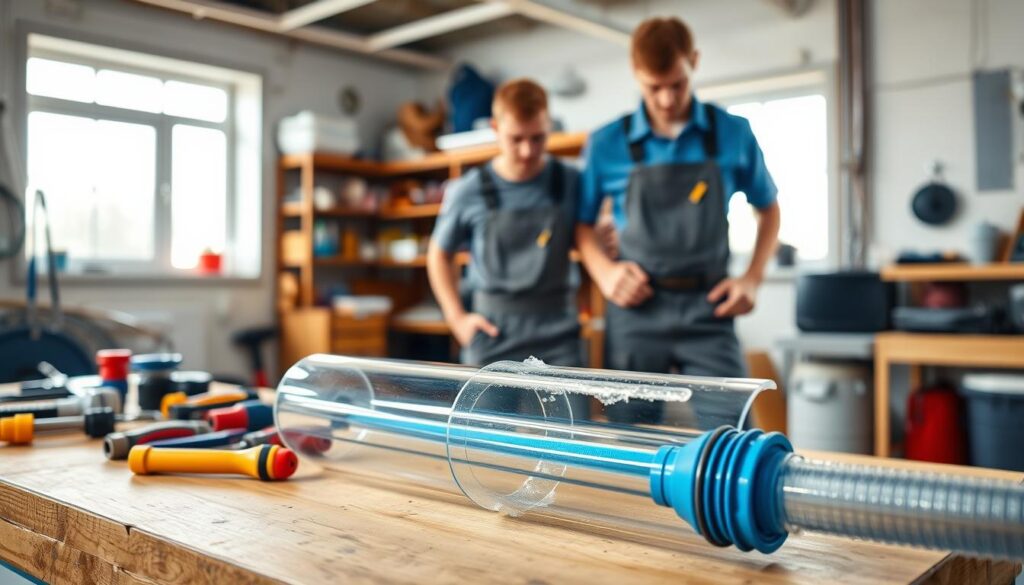
Plumbing is more than just pipes in your walls. It’s a complex system that brings you clean water and takes away waste. Knowing how to remove air from plumbing lines can prevent damage and keep your water flowing smoothly.
Air bubbles in pipes are not just a minor issue. They can lead to uneven water pressure, strange sounds, and even damage your plumbing over time. Learning to get rid of these air bubbles is key for keeping your plumbing in good shape.
Key Takeaways
- Air in plumbing lines can cause significant system disruptions
- Proper maintenance helps prevent air pocket formation
- DIY methods exist for removing air from water pipes
- Regular system checks can prevent major plumbing issues
- Professional help is recommended for persistent air problems
Table of Contents
Understanding Your Home’s Plumbing System
Your home’s plumbing system is a complex network of pipes and components. It works together to manage water flow and waste removal. Knowing how these systems work helps you maintain your home better and fix air issues in water lines.
A residential plumbing system has three key parts. They ensure water flows smoothly and waste is managed well:
Supply Line Network Basics
The supply line network brings fresh water into your home. It includes:
- Main water service line
- Cold and hot water pipes
- Pressure regulators
- Water meter
When you’re bleeding your plumbing system, knowing these supply lines is key. It helps remove trapped air effectively.
Drainage System Components
Your home’s drainage system manages wastewater. It has a series of interconnected pipes:
- Horizontal drain pipes
- Vertical stack pipes
- Trap mechanisms
- Cleanout points
Good drainage stops water backup. It ensures waste is removed efficiently from your home.
Venting System Fundamentals
The venting system is vital for air pressure in your plumbing. It helps:
- Equalize air pressure in drain lines
- Prevent water seal disruptions
- Allow smooth water and waste flow
- Eliminate siphoning effects
Knowing about these three systems helps manage your home’s plumbing. It also helps fix air trapped in water lines.
Common Causes of Air in Plumbing Lines
Knowing why air gets into your water system is key to fixing it. Plumbing lines can get air pockets from unexpected events. Homeowners should be aware of these.
Several factors lead to air buildup in your plumbing:
- Recent plumbing repairs or installation work
- Water main breaks in your neighborhood
- Sudden changes in municipal water supply pressure
- Aging pipe infrastructure
- Improper initial system installation
Identifying the main causes of air in pipes is important. Plumbing work often introduces air into your water lines. Pipes are drained and refilled during repairs, trapping air bubbles.
“Air in plumbing lines is like an uninvited guest – unexpected and potentially disruptive to your home’s water flow.”
Changes in your local water supply can also cause issues. Water main repairs, pressure adjustments, or infrastructure upgrades can lead to air in your water system. These factors are often outside your control but knowing them helps solve problems.
Older homes with aging pipes are more likely to have air pockets. Corrosion, mineral buildup, and pipe wear and tear create ideal conditions for air to get trapped.
Signs You Have Air Trapped in Your Water Lines
Finding air pockets in your plumbing can be hard. Spotting the signs early helps fix the problem fast. Your home’s water lines might show unexpected issues.
Air in your water pipes can cause many problems. Knowing these signs helps you find solutions fast.
Sputtering Faucets and Fixtures
Air in your water lines makes faucets sputter. This shows air pockets are blocking the water flow. Look out for:
- Inconsistent water spray
- Sudden bursts of water
- Uneven water pressure
Irregular Water Pressure
Changes in water pressure can mean air in your pipes. Low pressure might come from:
- Mineral buildup in pipes
- Partially closed valves
- Air pockets blocking water flow
Banging or Knocking Sounds
Strange noises in your pipes are warning signs. Water hammer can make loud banging sounds. This happens when air gets in the way of water flow.
Spotting these signs early helps fix problems before they get worse.
Essential Tools for Removing Air from Plumbing
To clear air from pipes, you need the right tools and a plan. Before you start, make sure you have the necessary equipment. This will help you work more efficiently.
For removing air from plumbing lines, you’ll need a few key tools:
- Adjustable wrench for loosening and tightening connections
- Pliers with rubber-coated handles to prevent slipping
- Flathead and Phillips screwdrivers
- Bucket for catching water
- Protective safety glasses
- Rubber gloves
Using advanced tools can make clearing air from pipes easier. A compact air compressor can push air out of water lines. This helps get rid of stubborn air pockets.
Remember, safety is key when working with plumbing. Wear protective gear and know how to use each tool before you start.
Pro Tip: Always turn off the main water supply before starting any plumbing maintenance to prevent unexpected water flow.
While you can handle simple air removal tasks, complex issues might need a pro. If you’re not sure about any step, it’s best to call a licensed plumber.
How to Get Air Out of Plumbing Lines
Removing air from water pipes is key to keeping your plumbing in good shape. Knowing how to bleed your plumbing system helps keep water flowing smoothly. It also stops unexpected problems.
Experts say to tackle air bubbles in your home’s water lines with a clear plan. These steps help get rid of air pockets and bring back the best water pressure.
Main Water Valve Method
First, find your home’s main water valve. Here’s how to get rid of air in your pipes:
- Shut off the main water supply completely
- Open all faucets in your home
- Slowly turn the main water valve back on
- Let water flow through each faucet for 10-15 minutes
Faucet Opening Sequence
The right order for opening faucets makes a big difference in removing air:
- Start with the lowest floor faucet
- Open higher-level faucets one by one
- Run cold water first, then hot water
- Flush toilets to release trapped air
Cold and Hot Water Line Clearing
It’s important to focus on both cold and hot water lines:
| Water Line Type | Clearing Technique | Duration |
|---|---|---|
| Cold Water Lines | Open faucets fully | 5-10 minutes |
| Hot Water Lines | Run water through water heater | 10-15 minutes |
“Proper maintenance prevents costly plumbing repairs and ensures consistent water pressure throughout your home.” – Professional Plumbing Association
Pro tip: If air problems keep coming back, get a professional plumber to check your system.
Preventing Air Lock in Different Fixtures
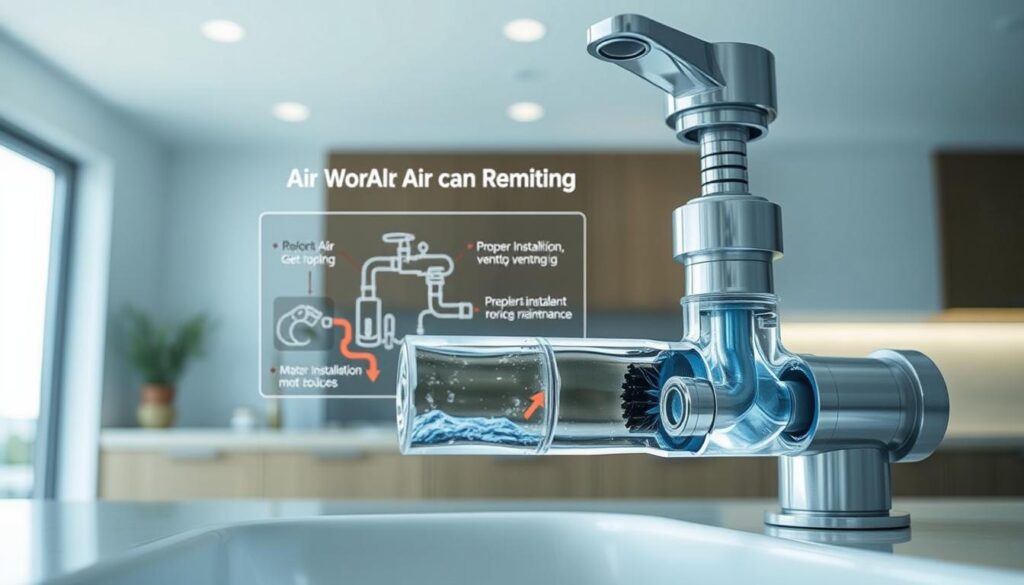
Dealing with air locks in your home’s plumbing can be frustrating. Different fixtures need specific ways to get rid of air from water lines. Knowing how to fix air lock issues can save you time and prevent damage to your plumbing.
Sinks are often where air lock problems happen. When fixing air lock in pipes for kitchen or bathroom sinks, follow a strategic plan. First, check the unique features of each fixture:
- Kitchen sink with garbage disposal
- Bathroom sink with narrow pipes
- Utility sink in laundry areas
Toilets are another challenge when dealing with air in water lines. The complex flush mechanism can trap air, causing irregular water flow and blockages. To manage these issues, you’ll need to:
- Check the toilet’s water supply line
- Inspect the fill valve for air pockets
- Perform a controlled flush to release trapped air
Washing machines need special care when purging air from water lines. Their complex water inlet systems can trap air bubbles, affecting the machine’s performance. Pro tip: Always ensure your washing machine’s water connections are tight and free from air entry points.
Remember, each fixture in your home is unique. A methodical approach to identifying and removing air locks will keep your plumbing system efficient and prevent long-term issues.
Maintenance Tips to Avoid Air in Pipes
Keeping your home’s plumbing system in good shape is key. Regular checks and monitoring can stop air pockets before they cause trouble.
Stopping air from getting into your pipes starts with knowing your home’s water system. A good plan for removing air from your water system includes several important steps.
Regular System Checks
Start by looking for signs of air problems in your plumbing. Pay attention to these areas:
- Check pipe connections for loose fittings
- Look for corrosion or damage
- Inspect under sinks and around toilets
- Watch the plumbing in basements and crawl spaces
Professional Inspection Schedule
While you can do a lot yourself, a pro can spot more issues. Set up an annual check with a licensed plumber. They can use expert water system diagnostics.
Water Pressure Monitoring
Keeping water pressure steady is important to avoid air pockets. Get a pressure gauge to check your water system’s health. The best pressure for homes is between 40-60 PSI.
- Low pressure: May mean air pockets
- High pressure: Could damage your pipes
By following these tips, you can keep your plumbing safe from air pockets and other issues.
Dealing with Stubborn Air Pockets
When simple methods don’t work, you might face tough air pocket issues in your plumbing. Clearing these air pockets needs advanced techniques and careful checks.
Stubborn air pockets can come from complex problems in your home’s water system. These issues often need more than basic air removal methods.
- Inspect hidden pipe sections for possible air trap spots
- Check system pressure points that might cause air buildup
- Evaluate pipe slope and any installation mistakes
Professional plumbers suggest special strategies for dealing with these air pockets:
- Systematic pressure testing
- Advanced bleeding methods
- Thorough system check
| Air Pocket Challenge | Recommended Solution |
|---|---|
| Repeated air buildup | Comprehensive pipe system inspection |
| Consistent pressure changes | Adjusting the pressure regulator |
| Complex pipe network | Professional diagnostic check |
Identifying problems early and using the right strategies are essential for fixing tough water pipe airlocks.
When to Call a Professional Plumber
Some plumbing problems are too big for DIY fixes. Knowing when to call a professional plumber can prevent costly damages. It also helps avoid complex issues with your home’s water system.
Here are times when you should reach out to a professional plumber:
- Persistent air bubble problems that don’t resolve after multiple attempts
- Unusual water pressure fluctuations in multiple fixtures
- Strange noises coming from pipes that continue after initial air removal attempts
- Potential main water line complications
Professional plumbers have the skills to tackle tough water system challenges. They can find problems that homeowners might miss when trying to remove air bubbles from water pipes.
Expert intervention becomes critical when DIY methods fail to resolve air in plumbing lines effectively.
Here are specific scenarios that need professional help:
- Gas line-related plumbing work
- Main sewer line inspections
- Installations requiring municipal permits
- Extensive water system modifications
While many air pocket issues can be fixed on your own, knowing your limits is key. It prevents water damage and keeps your plumbing system in top shape.
Safety Precautions During Air Removal
Removing air from your plumbing system needs careful safety steps. When you start to remove air, keeping yourself and your home safe is key. Knowing the right safety steps can avoid injuries and damage to your plumbing.
- Safety goggles to protect eyes from water spray
- Protective rubber gloves
- Adjustable wrench
- Bucket for catching water
Water Temperature Considerations
Hot water lines need extra care. Always check the water temperature before starting. Scalding can happen fast, when pressure is released from pipes.
| Water Temperature Range | Potential Risk | Recommended Action |
|---|---|---|
| 100-120°F | High Risk of Burn | Wait for cooling, use protective gear |
| Below 100°F | Lower Burn Risk | Proceed with standard precautions |
Pressure Relief Methods
Releasing pressure safely is key when working with your plumbing. Slow, controlled releases stop sudden water bursts and damage. Turn off main water valves before starting to reduce risks.
Professional tip: Always work methodically and never rush pressure release in your bleeding plumbing system.
By following these safety tips, you can safely remove air from your water lines. This protects you and your home’s plumbing.
Alternative Methods for Air Removal
Fixing air lock in pipes needs creativity and technical skills. Standard methods are good, but sometimes you need something different. This is to remove air from your water system effectively.
Looking into unique techniques can help homeowners deal with tough air pockets in their plumbing. These methods offer more choices when usual ways don’t work.
- Compressed Air Technique
- Use a compressor to gently force air out of water lines
- Apply low-pressure settings to prevent pipe damage
- Ideal for complex plumbing configurations
- Gravity Drainage Method
- Drain water system from highest point
- Allow gravity to push trapped air downward
- Effective for multi-story home plumbing
- Chemical Air Elimination Agents
- Use specialized plumbing solutions
- Designed to break down air bubbles
- Work well in complex water system networks
Professional plumbers often suggest using more than one method for best results.
| Method | Difficulty Level | Effectiveness |
|---|---|---|
| Compressed Air | Moderate | High |
| Gravity Drainage | Low | Medium |
| Chemical Agents | Low | High |
Be careful when fixing air lock in pipes. Each water system is different. What works for one home might not work for another. Always put safety first and think about getting a professional if you’re not sure.
Conclusion
Knowing how to get rid of air pockets in plumbing is key for a healthy home water system. By learning how to spot and fix air in your pipes, you can avoid damage. This ensures water flows smoothly in your home.
Fixing water pipe airlocks is more than just quick fixes. It’s about being proactive with your plumbing. Regular checks, watching water pressure, and knowing how to remove air can save you a lot of time and money.
While you can handle simple air removal, complex issues need a pro. If you’re stuck or unsure, call a licensed plumber. They can fix your water system problems safely and quickly.
Your plumbing system is complex and needs regular care. By staying informed and proactive, you can keep your water lines clear. This prevents disruptions and keeps your system running well for years.