
Affiliate Disclosure
Plumber Guide Guys is a participant in the Amazon Services LLC Associates Program, an affiliate advertising program designed to provide a means for sites to earn advertising fees by advertising and linking to Amazon.
How to Fix Plumbing Vent Issues? Ever wondered why your drains start gurgling or why strange smells show up in your home? The problem might be your plumbing vent system, hidden above your roof.
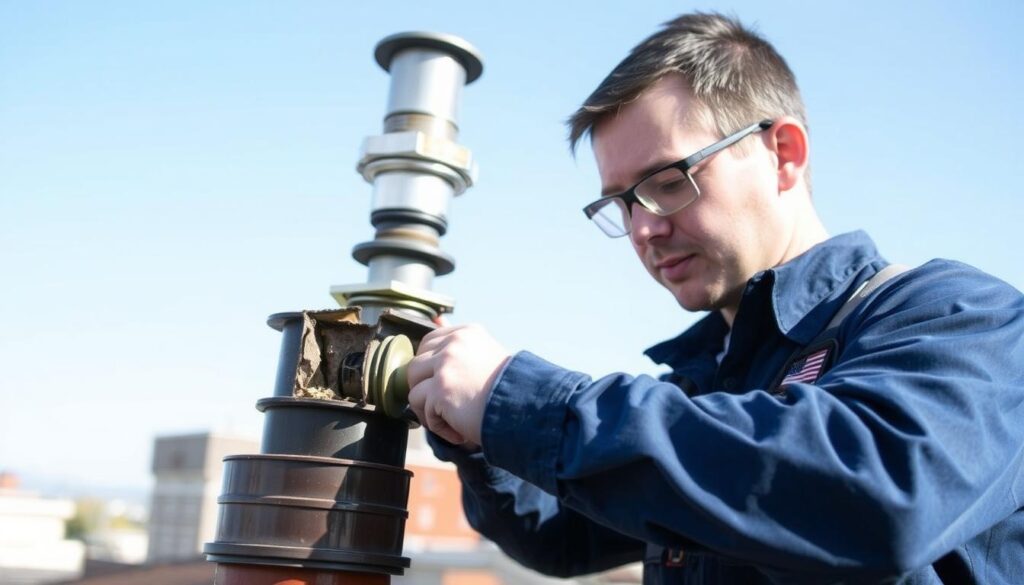
Plumbing vents are key to keeping your home’s drainage working right. They manage air pressure and keep sewer gases out. They also help water flow smoothly through your pipes. If these vents get blocked or damaged, it can lead to many plumbing problems.
Knowing how to handle plumbing vent issues can save you from expensive fixes and health risks. This guide will cover everything you need to know about finding, fixing, and preventing plumbing vent problems.
Key Takeaways
- Plumbing vents are vital for good drainage and stopping sewer gases
- Blocked vents can cause many plumbing issues in your home
- Some vent problems can be fixed without a professional
- Regular upkeep stops costly plumbing repairs
- Always put safety first when dealing with roof issues
Table of Contents
Understanding Your Home’s Plumbing Vent System
Plumbing systems are more than just water movers in your home. A key part is the plumbing vent system. It’s vital for good drainage and health safety.
Your home’s plumbing needs a special ventilation system. It ensures water flows well and avoids problems. Knowing about this system helps keep your home healthy and efficient.
What Is a Plumbing Vent Pipe?
A plumbing vent pipe is a vertical pipe linked to your drainage system. It goes through your roof. Its main jobs are:
- Equalizing air pressure in pipes
- Letting sewer gases escape safely
- Stopping vacuum effects that could block water flow
Why Your Home Needs Proper Ventilation
Good plumbing ventilation is very important. Without it, you might face:
- Slow drainage in sinks and toilets
- Bad sewer smells in your home
- Water trap seal problems
How Drain Plumbing Works with Vents
Drain plumbing and vent pipes work together. When water drains, the vent pipe lets air in. This keeps the water flowing smoothly. It stops negative pressure that could slow water down.
| Vent Pipe Function | Drainage Impact |
|---|---|
| Air Pressure Regulation | Prevents Slow Drainage |
| Gas Removal | Eliminates Sewer Odors |
| Vacuum Prevention | Ensures Smooth Water Flow |
Knowing about your home’s plumbing vent system shows the detailed design. It keeps your home running smoothly and safely.
Common Signs of Blocked Plumbing Vents
Your home’s plumbing system sends out warning signs when something’s amiss with its ventilation. Spotting these signs early can help avoid costly repairs and health risks.
Toilet bubbling is a clear sign of a blocked plumbing vent. When air bubbles appear in your toilet bowl while you’re using another appliance, it’s a big problem. This shows there’s an imbalance in air pressure in your drainage system.
- Toilet water level mysteriously rising and falling
- Gurgling or glugging sounds from drains
- Slow draining from bathtubs and sinks
- Rotten sulfurous smells emerging from drains
Water that won’t drain, even after plunging, hints at a vent system issue. Also, if your toilet tank doesn’t refill, it’s a sign of trouble. These problems usually come from blocked vent pipes that block air flow.
Sewer gas smells are very dangerous. The rotten egg smell means methane and hydrogen sulfide are building up in your pipes. These gases can make you feel sick, dizzy, and even create fire hazards in your home.
| Symptom | Potential Vent System Issue |
|---|---|
| Toilet Bubbling | Air Pressure Imbalance |
| Gurgling Sounds | Restricted Airflow |
| Sulfur Smells | Gas Backup |
Listen for louder flushing sounds in your vent pipes. These sounds mean your plumbing system is fighting to keep air pressure right. Catching these signs early can stop big problems and keep your plumbing safe.
Why Plumbing Vents Get Clogged
Plumbing vent blockages can cause big problems for your home’s drainage. Knowing why they happen helps you avoid issues and keep your plumbing working right. Most blockages start at the roof level, where the vent stack goes out.
Debris and Leaves Blocking the Vent
Tree branches over your roof can really mess with your plumbing vents. Leaves and debris stuck inside can block air flow. This buildup is quick, mainly in autumn when leaves fall a lot.
- Falling leaves
- Small twigs
- Pine needles
- Tree moss
Animals and Nests in Vent Pipes
Small animals like birds, rats, chipmunks, and squirrels can also be a problem. They might try to make nests in your vent pipes or get stuck. This can really mess up your home’s drainage.
Ice Formation in Cold Climates
In colder areas, ice can be a big issue for plumbing vents. Ice formation in small pipes can block them. Without proper vent caps, ice can cause serious drainage problems.
Keep your plumbing system safe by knowing these common blockage causes. Take steps to prevent them and keep your plumbing working well.
How to Fix Plumbing Vent Issues
Fixing plumbing vent problems needs a clear plan. You must safely get to the vent pipe, find the blockage, and remove it. This guide will help you understand these steps.
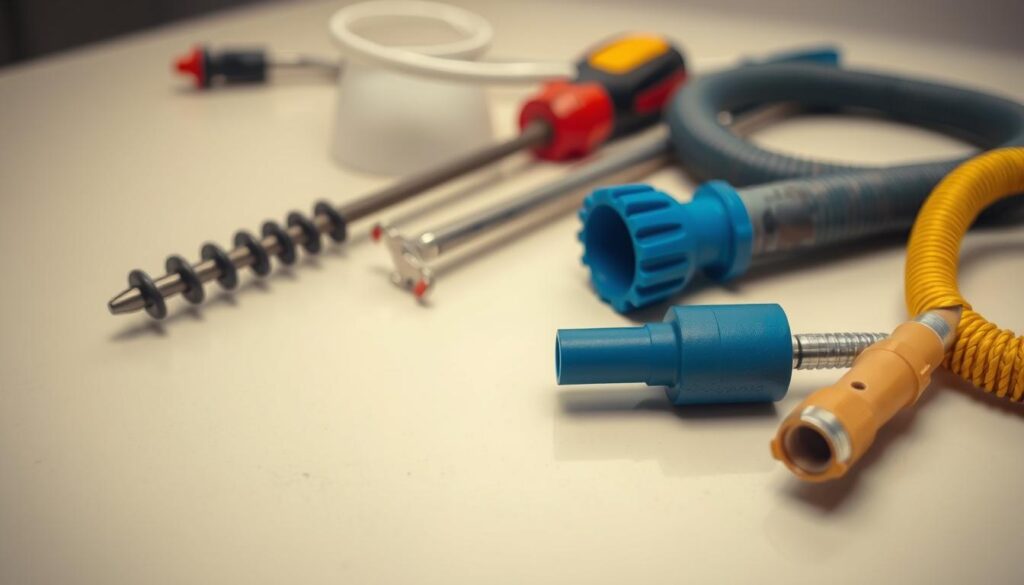
DIY plumbing vent cleaning uses special tools and methods. Before you start, make sure you have the right equipment:
- Plumber’s snake (drain auger)
- Electrician’s fish tape
- Garden hose with adjustable nozzle
- Flashlight
- Safety equipment
Start by looking for blockages with a flashlight from the roof. Shallow obstructions can often be removed by DIY methods. But, deeper blockages might need a pro.
| Approach | Pros | Cons |
|---|---|---|
| Roof Access | Direct route | Safety risks |
| Attic Access | Safer | Less direct path |
Always put safety first. Never go on the roof in icy weather or if it’s too steep. Your comfort and the layout of your home will guide you on how to clear blockages.
Clearing a Clogged Vent from Your Roof
Dealing with a blocked plumbing vent can be tricky. But, with the right approach, you can clear it safely and effectively. Roof vent maintenance needs careful preparation and the right tools. This ensures your home’s plumbing system works smoothly.
Safety First: Preparing for Roof Work
Before trying to clear a clogged vent pipe, make sure you’re safe. Roofing can be dangerous, with slippery or steep surfaces. Always follow these critical safety tips:
- Use a sturdy extension ladder
- Wear non-slip work boots
- Use safety harnesses if working on steep roofs
- Work with a partner who can assist you
Essential Tools for Vent Clearing
Before you start, gather these tools for roof vent cleaning:
- Plumber’s snake (drain auger)
- Powerful flashlight
- Garden hose with adjustable nozzle
- Work gloves
- Safety glasses
Step-by-Step Cleaning Process
First, check the vent on your roof where the vent pipe exits. Use a flashlight to look down the pipe for blockages. Pro tip: If the blockage is shallow, remove it with a drain auger.
After removing debris, use a hose with an adjustable nozzle on jet setting to blast out more materials. Have someone flush a toilet while you hold your hand over the vent. If you feel strong suction, the line is clear.
If you can’t see or reach the blockage with a snake, try using the hose. Warning: Don’t climb on steep or slippery roofs—call a professional plumber if unsure or uncomfortable.
Your home’s plumbing system depends on clear vent pipes to function properly. Regular maintenance can prevent costly repairs.
How to Unclog a Plumbing Vent Without Getting on the Roof
You can unclog a plumbing vent without going on the roof. This is possible if your attic is accessible and has enough space. It’s important to work with PVC (white plastic pipe) because it’s easier to cut and fix than cast iron pipes.
Before you start, make sure you have these tools:
- Hacksaw
- Plumber’s snake
- Rubber or PVC couplings
- Work gloves
- Flashlight
The first step is to find the vent pipe in your attic. You can trace its path from the roof or listen for sounds when toilets flush. Identifying it correctly is key for a successful repair.
Next, pick a good spot on the PVC vent pipe, above your bathroom or kitchen. Use a hacksaw to cut out a 12-18 inch section. This will give you room to insert your plumber’s snake. Make sure your cuts are clean and straight for easier reconnection.
Now, put the plumber’s snake into the pipe and push it down. Rotate and push to break up any blockage. If you hit resistance, move the snake back and forth gently. If the blockage is near the roof, push the snake up.
Warning: If you’re not confident in your plumbing repair skills, professional assistance is recommended to prevent sewer gas leaks.
Once you’ve cleared the blockage, reconnect the pipe section. You can use rubber couplings or PVC cement. The pipe’s rubber gasket makes it easy to adjust. Don’t forget to use PVC primer and let the cement dry completely.
Preventing Future Plumbing Vent Problems
To keep your home’s plumbing vent system working well, you need to take care of it. By doing a few simple things, you can avoid expensive fixes and keep your drains flowing right.
There are several ways homeowners can stop plumbing vent problems before they start:
- Covering vent openings with screens keeps animals out and air flowing
- Trimming tree branches over the roof stops debris from getting stuck
- Swapping out small pipes for bigger ones makes your system better
Installing Proper Vent Caps and Screens
Choosing the right vent caps is key for good airflow. In cold areas, stay away from caps that hold moisture and cause ice. Go for screens with big enough holes for air to pass through but keep out debris and small animals.
Regular Maintenance and Inspection
Getting your roof checked once a year is a smart move against plumbing vent issues. Do thorough inspections in fall and spring to:
- Remove debris from vent screens
- Look for animal signs
- Check the pipes and flashing
- Listen for strange sounds like gurgling drains
Addressing Undersized Vent Pipes
Old homes often have pipes that are too small. Think about switching to 3-inch or 4-inch pipes, more so in cold places. This helps avoid blockages and makes your drainage better.
For fixtures far from the main vent, Air Admittance Valves (AAVs) can be a good option. But, check local building codes first. Rules can differ a lot.
Pro tip: In cold areas, you can de-ice vent pipes from inside the attic with a hair dryer. It’s safer than trying to fix it from the roof.
When to Call a Professional Plumber
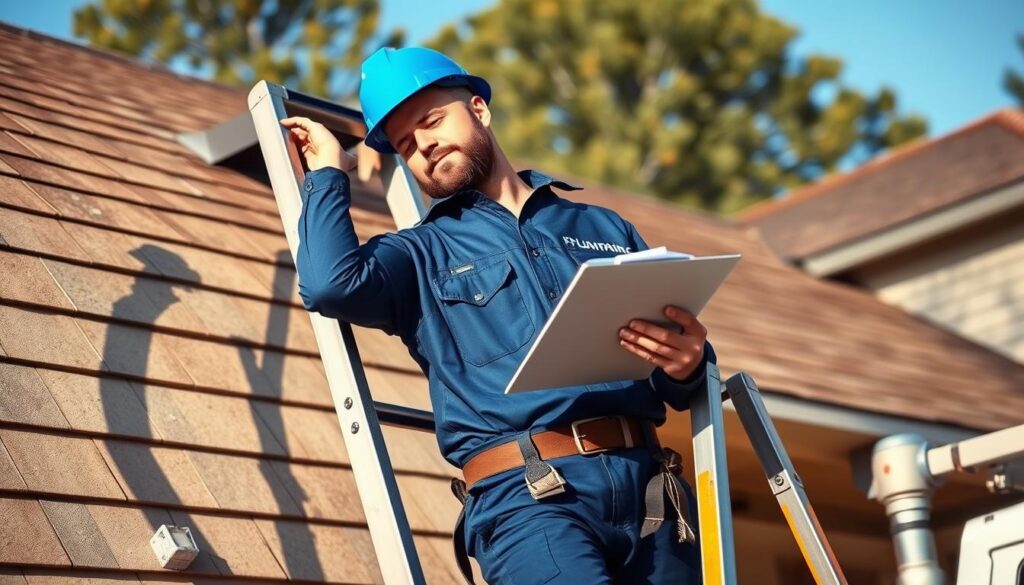
Knowing when to call a professional plumber can save you time, money, and prevent damage to your home’s plumbing. Some situations are best left to experts.
You should consider professional help when:
- You can’t reach or see the blockage with available tools
- DIY methods like snake and hose don’t clear the obstruction
- The blockage appears very large (potentially like a stuck animal)
- You’re uncomfortable with roof access or heights
- You need to upgrade vent pipe sizing to meet code requirements
Professional plumbers have tools you don’t. Camera inspection tools find blockages you can’t see. Power augers clear tough obstructions better than home tools.
| DIY Limitations | Professional Capabilities |
|---|---|
| Limited tool access | Advanced diagnostic equipment |
| Safety risks on steep roofs | Trained personnel with safety gear |
| Uncertain pipe repair skills | Precise code-compliant repairs |
If you’re not sure about cutting and repairing pipes, a pro can do it right. They follow local codes, handle complex jobs, and offer warranties.
Getting professional help can save you money. It prevents big damage and keeps your plumbing working right.
Conclusion
Knowing about your home’s plumbing vent system is key to keeping your space safe. Accessing the vent from your roof needs careful planning and safety steps. When it’s safe, you can fix small blockages yourself. Working from inside your attic is a good option for steep roofs or bad weather.
Prevention is the best way to keep your plumbing system healthy. Putting in vent screens, checking your system yearly, and trimming trees can help a lot. While you can fix many issues yourself, knowing when to call a pro is important. Experts have the tools and know-how for tough problems.
Your safety is always first. Don’t try roof work if it’s not safe. Getting professional help is worth it to avoid injury or damage. This guide has given you the knowledge to handle plumbing vent problems.
Being proactive keeps your drains flowing and your home safe from bad smells. Understanding your plumbing system is a big step in taking care of your home. Act fast when problems come up to keep your plumbing system working well for years.