

Affiliate Disclosure
Plumber Guide Guys is a participant in the Amazon Services LLC Associates Program, an affiliate advertising program designed to provide a means for sites to earn advertising fees by advertising and linking to Amazon.
How to Bid a Plumbing Job? Mike Rodriguez, a seasoned plumber in Phoenix, learned a hard lesson early on. He lost thousands on a residential project by underestimating costs. This mistake taught him the importance of accurate bidding.

For plumbing businesses, accurate estimating is key to survival. With construction companies barely making 7% net profit in 2020, every dollar matters. A good plumbing estimate template can turn your bids from guesses to precise plans.
This guide will show you how to make bids that are both competitive and profitable. It’s vital for your business to thrive, not just survive. Whether you’re a solo contractor or run a big operation, knowing how to bid plumbing jobs is essential.
Key Takeaways
- Accurate bidding is key for plumbing business success
- A detailed plumbing estimate template avoids costly errors
- Knowing market rates and overhead is vital
- Technology boosts bid accuracy and efficiency
- Consistent pricing builds client trust
Table of Contents
Understanding Plumbing Bid Basics and Industry Standards
Getting into plumbing bids means knowing the industry well. It’s not just about the numbers. It’s about making bids that stand out and meet your clients’ needs.
When you start bidding on plumbing jobs, you face important choices. Knowing the different types of bids and pricing is key to winning.
Types of Plumbing Bids
- Fixed-Price Bids: Give a total cost for the whole project
- Time and Materials Bids: Charge for hours worked and materials used
- Cost-Plus Bids: Add a markup to project costs
Common Industry Pricing Ranges
Plumbers usually charge between $45 to $200 an hour. Most jobs cost between $175 to $450. Your cost calculator should reflect these ranges based on:
- Local rates
- Project complexity
- Special skills needed
- Material costs
Market Analysis for Competitive Bidding
Doing deep market research is vital for setting good prices. Look at what local competitors charge. Understand regional price differences and what makes you stand out. This way, you can stay profitable and attract clients.
Essential Components of a Professional Plumbing Estimate
Creating a professional plumbing estimate template is key for winning contracts and keeping your plumbing business thriving. Your pricing guide should highlight your expertise and be clear. It should include several important parts.
A detailed plumbing estimate covers many areas. It helps clients understand the project’s scope and costs. Here are the must-haves for a winning estimate:
- Detailed project description
- Precise material cost breakdown
- Labor hours and rates
- Overhead and operational expenses
- Potential additional work contingencies
Your estimate should show the value you offer. Transparency builds trust with clients and sets clear expectations.
| Estimate Component | Key Details to Include |
|---|---|
| Materials | Itemized list with specific brands and quantities |
| Labor | Hourly rates, estimated work hours, technician expertise |
| Additional Costs | Permit fees, equipment rental, possible challenges |
When making your plumbing estimate template, aim for clarity and professionalism. Use digital tools and software to make the process smoother. This will help you present a detailed and polished document to your clients.
A well-crafted estimate is your first chance to show your expertise and gain the client’s trust.
How to Bid a Plumbing Job: Step-by-Step Process
Learning how to bid on plumbing jobs is all about strategy. It’s about being precise, analyzing carefully, and planning well. Plumbers know that bidding isn’t just about the price. It’s a detailed process that aims to make a profit while pleasing the client.
Starting with a solid plumbing labor cost estimate is key. This involves breaking down each part of the project. Let’s look at the main steps to make a winning bid.
Initial Site Assessment
The first step is a detailed site inspection. This phase is vital because it:
- Helps spot challenges and project complexity
- Looks at the current plumbing setup
- Determines what materials and tools are needed
- Estimates how much time the job will take
Material Cost Calculation
Getting the material costs right is essential for a profitable bid. You need to think about:
- Current prices for plumbing materials
- Extra material and waste
- The quality of the materials needed
- Any price changes
Here’s a simple way to estimate material costs:
| Material Type | Estimated Quantity | Unit Price | Total Cost |
|---|---|---|---|
| Copper Pipes | 50 feet | $3.50/foot | $175 |
| PVC Fittings | 15 units | $5.25/unit | $78.75 |
| Valves | 5 units | $22/unit | $110 |
Labor Hours Estimation
Estimating labor costs needs careful thought. You must consider:
- The project’s complexity
- The experience of the workers
- Any expected challenges
- The need for overtime
Overhead Cost Integration
Remember to include overhead costs in your bid. Don’t forget indirect expenses like:
- Vehicle upkeep
- Insurance
- Tool replacement
- Office costs
Calculating Labor and Material Costs
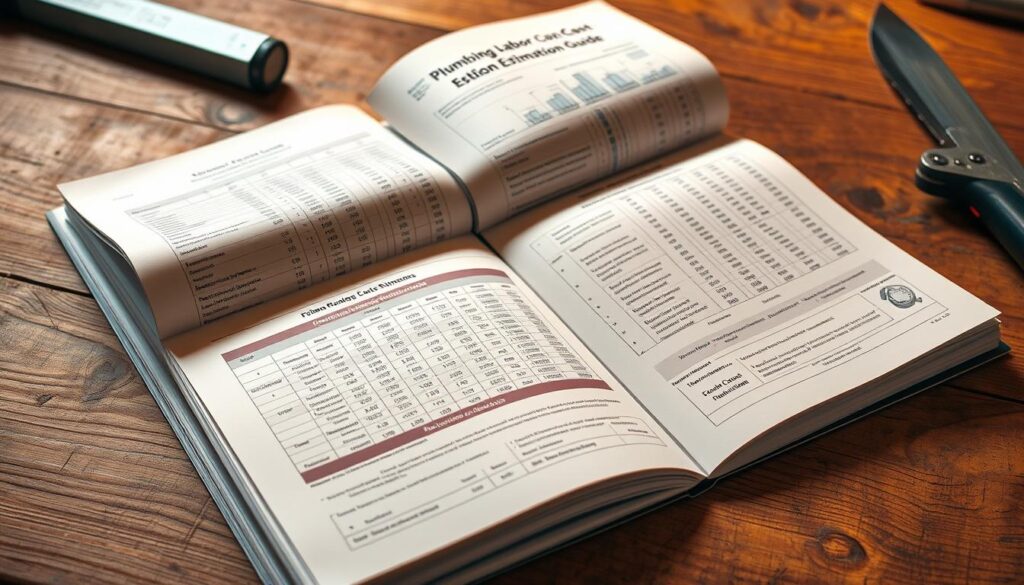
Getting the plumbing labor cost right is key to making money. Plumbers need a smart way to figure out costs, not just simple math.
When pricing plumbing materials, think about a few important things:
- Current market prices for raw materials
- Quality and durability of specific components
- Potential price changes in the supply chain
- Costs can vary by region
Estimating labor costs needs a deep understanding of your team. Consider:
- The skill level of each worker
- The project’s complexity
- How many hours it will take to finish
- Any special tools needed
Pro tip: Always add a little extra to your estimates for surprises or extra time.
Professional plumbers use advanced tracking to get labor costs right. Digital tools and spreadsheets help make pricing more accurate and consistent.
Precision in cost calculation separates successful plumbing businesses from those struggling to remain competitive.
Being clear and detailed in your estimates helps build trust with clients. It shows you know your stuff when it comes to pricing and labor.
Setting Profitable Hourly Rates and Service Fees
Creating a pricing strategy is key for plumbing contractors wanting to grow. Your pricing guide should aim for both competitive bids and profit. This balance is essential for lasting success.
Establishing Your Base Rate
Figuring out your base rate involves looking at several important factors. The average hourly rate for plumbers is about $25.69. But your rate will depend on:
- Local market conditions
- Your experience level
- Specialized skills
- Business overhead costs
Effective Markup Strategies
Using smart markup strategies can turn your bids into profitable chances. Here are some effective ways:
- Flat-rate pricing for standard services
- Tiered pricing models
- Value-based pricing
Emergency Service Pricing
Emergency and after-hours services need higher prices. Your rates should show the extra effort and trouble of urgent plumbing work.
| Service Type | Standard Rate | Emergency Rate |
|---|---|---|
| Standard Repair | $85-$125 | $150-$250 |
| Complex Installation | $200-$350 | $350-$500 |
Pro Tip: Always share your pricing clearly. This builds trust with clients and keeps your pricing guide transparent.
Common Plumbing Project Pricing Guidelines
Understanding how to price plumbing projects is key. Residential and commercial jobs need different pricing strategies. This affects your overall bid.
Here are some pricing guidelines for plumbing services:
- Drain Cleaning: Costs between $100 to $300. It uses a mechanical snake to clear blockages. Prices vary with the job’s complexity and needed tools.
- Pipe Installation: Prices change with material, length, and access. Home jobs might cost $2,000 to $5,000. Commercial jobs can be much higher due to size.
- Water Heater Replacement: Home jobs cost $800 to $1,500. Commercial units can be much pricier.
For residential bids, consider these factors:
- Property age and current setup
- Local building codes and rules
- Material quality and project complexity
- How easy it is to get to the work area
Commercial bids need a closer look. They involve bigger systems, more complex setups, and longer projects. Always add a buffer for surprises to keep profits safe.
Technology and Tools for Accurate Bid Creation
Modern plumbing pros are changing their game with new tech. Digital tools help make bids more precise, improve workflow, and boost profits.
Today’s plumbing job cost calculators have changed the game. They cut down on guesswork and errors in financial estimates.
Powerful Estimating Software Options
When picking a plumbing estimate template and platform, look for these features:
- Real-time material price tracking
- Automatic labor cost calculations
- Cloud-based project management
- Customizable reporting capabilities
Digital Measurement Tools
New measurement tech is changing how we assess sites. Laser rangefinders and apps give quick, accurate measurements. This helps you make precise estimates fast.
Project Management Platforms
Advanced platforms do it all, tracking:
- Job progress
- Resource allocation
- Time management
- Financial reporting
“Technology is not just about efficiency—it’s about transforming how we do business.” – Industry Expert
By using these tech solutions, plumbing pros can make bids more accurate. They can also cut down on paperwork and focus on great service.
Avoiding Common Bidding Mistakes and Pitfalls
Getting competitive plumbing bids right takes careful planning and smart thinking. Many plumbers make costly mistakes that hurt their profits and reputation.
Knowing the common bidding errors can help you make better estimates. Here are key mistakes to avoid:
- Underestimating project complexity
- Failing to conduct thorough site inspections
- Incomplete cost calculations
- Inadequate contingency planning
- Poor communication with clients
To win plumbing bids, you need to prepare well. Always do detailed site assessments to find hidden issues. This helps avoid unexpected costs that can hurt your profit.
| Mistake | Impact | Prevention Strategy |
|---|---|---|
| Incomplete Material Costs | Reduced Profit Margins | Detailed Material Inventory |
| Inaccurate Labor Estimation | Project Delays | Precise Time Tracking |
| Overlooking Overhead Expenses | Financial Loss | Comprehensive Cost Analysis |
Plumbers should always work to improve their bidding skills. By analyzing past projects, you can spot trends and get better at estimating. Spend time learning from every bid, whether it succeeds or fails.
“Success in plumbing bids comes from precision, preparation, and persistent improvement.”
By using these strategies, you’ll stand out in plumbing bids. You’ll also build a solid reputation for being reliable and accurate.
Conclusion
Learning to bid on plumbing jobs is more than just numbers. It’s about adding value for your clients and keeping your business profitable. The strategies and insights in this article will help you make competitive plumbing bids that stand out.
Successful bidding is all about finding the right balance. You need to be precise, professional, and strategic with your pricing. Being able to accurately assess projects, calculate costs, and show value will make you stand out. Each bid is a chance to show your expertise and build lasting client relationships.
Improvement is essential in the plumbing industry. Technology, market conditions, and customer needs change fast. Staying up-to-date and committed to learning is your biggest advantage. Spend time improving your bidding, use modern tools, and always focus on quality and transparency.
By using the techniques from this guide, you’ll be ready to handle the challenges of competitive plumbing bids. Success comes from combining technical skills, business knowledge, and a focus on the customer. This approach turns every bid into a chance for long-term growth.