

Affiliate Disclosure
Plumber Guide Guys is a participant in the Amazon Services LLC Associates Program, an affiliate advertising program designed to provide a means for sites to earn advertising fees by advertising and linking to Amazon.
How to Become a Plumber in PA? Are you ready to unlock a career that keeps America’s infrastructure flowing smoothly? Discover the exciting world of plumbing in Pennsylvania. Here, skilled professionals are in high demand and can build a stable, rewarding career.
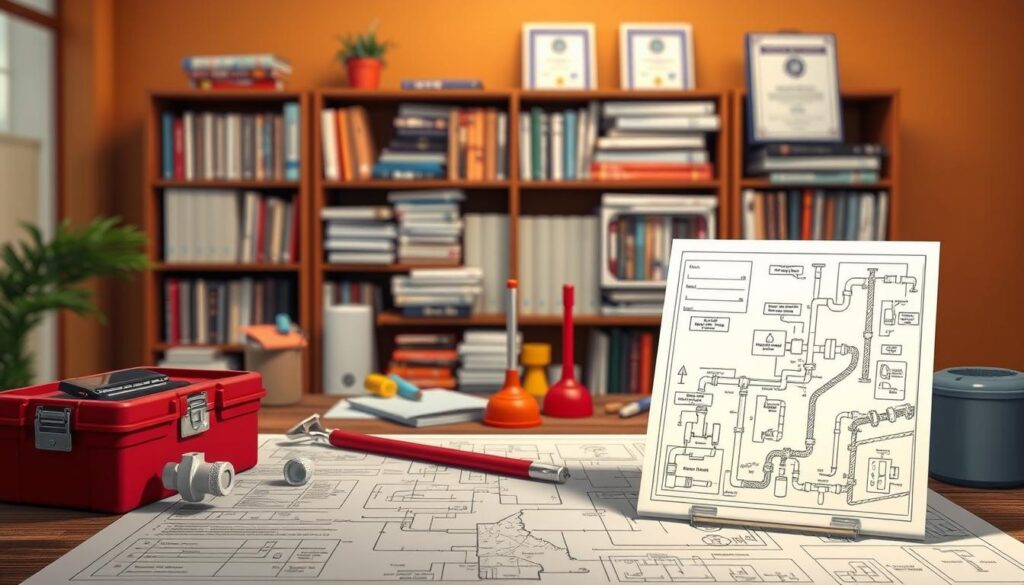
Learning how to become a plumber in PA opens doors to a dynamic profession with substantial growth. The Pennsylvania plumbing license requirements might seem complex. But they’re your roadmap to a successful trade career that offers both financial stability and personal satisfaction.
With nearly 13,540 plumbers working across the Keystone State, this career path provides numerous opportunities. It’s for motivated individuals willing to invest in their skills and professional development.
Key Takeaways
- Plumbing offers a stable career with consistent demand in Pennsylvania
- Multiple licensing paths exist for aspiring plumbers
- Apprenticeship programs provide hands-on training and education
- Potential for significant earnings and career advancement
- Growing industry with projected steady job market expansion
Table of Contents
Understanding the Plumbing Industry in Pennsylvania
The plumbing industry in Pennsylvania is booming. It offers great chances for a stable and fulfilling career. With old infrastructure and new buildings, the need for skilled plumbers is rising fast.
Starting a plumbing career in PA opens doors to many opportunities. It’s important to know the current market well.
Current Market Demand
In Pennsylvania, construction and upkeep are growing fast. This means lots of jobs for plumbers. The job market is expected to grow a lot:
- Projected job growth of 14% from 2018 to 2028
- Approximately 500,300 plumbing jobs needed nationwide
- Strong demand in residential, commercial, and industrial sectors
Industry Growth Projections
The plumbing field is changing fast. New tech and modernizing infrastructure are driving this change. Staying up-to-date with Pennsylvania’s plumbing codes is key to success.
Career Opportunities
There are many promising career paths in plumbing:
- Residential plumbing services
- Commercial building maintenance
- Industrial system installation
- Municipal infrastructure projects
- Green technology implementation
“The future of plumbing is not just about fixing pipes, but about creating sustainable solutions for communities.” – Industry Expert
Skilled plumbers who keep learning and adapt to new tech will thrive in Pennsylvania’s plumbing world.
Essential Requirements for Becoming a PA Plumber
Starting a plumbing career in Pennsylvania means you must meet certain requirements. Knowing these will help you on your professional path.
To kick off your plumbing career in Pennsylvania, you need to meet several key criteria. The state has set clear guidelines for pa plumbing certification. These ensure you’re skilled and safe for the job.
- Minimum age requirement: 18 years old
- High school diploma or equivalent
- Clean criminal background
- Physical fitness to perform job duties
Pennsylvania has two main licensing paths for plumbers: Journeyman and Master Plumber. Each level has its own set of requirements. These show your growing skills and knowledge.
Getting your pa plumbing certification involves a lot of training and hands-on experience. You’ll need to complete a 4-5 year apprenticeship. This lets you learn from experienced plumbers.
“Success in plumbing comes from dedication, continuous learning, and meeting professional standards.” – Pennsylvania Plumbing Board
To get licensed, you’ll need to show proof of your apprenticeship, pass exams, and keep your credentials up to date. Knowing the latest rules helps you become a licensed plumber in Pennsylvania smoothly.
Educational Foundation: High School Diploma and Beyond
Starting a career in plumbing needs a strong educational base. Your path to becoming a professional plumber in Pennsylvania starts with knowing the key educational steps. These steps are vital for a successful trade career.
A high school diploma or equivalent is the first important step to become a plumber in PA. You can choose from several ways to meet this basic requirement:
- Traditional high school diploma
- Online high school programs
- GED (General Educational Development) certificate
Strategic High School Course Selection
To prepare for a plumbing career, choose your high school courses wisely. Focus on classes that improve essential skills:
- Mathematics (algebra and geometry)
- Physics
- Shop or technical education classes
- Computer-aided design (CAD)
Exploring Plumbing Trade Schools in PA
Pennsylvania has many vocational programs and trade schools for plumbing education. These places offer training that mixes classroom learning with practical skills needed in plumbing.
When picking plumbing trade schools in PA, look for programs that offer:
- Comprehensive hands-on training
- Certification preparation
- Industry-standard equipment exposure
- Apprenticeship connections
Investing in your education is key to a successful plumbing career in Pennsylvania. Choosing the right educational path prepares you for the challenges and chances in this dynamic trade.
How to Become a Plumber in PA: Step-by-Step Process
Starting a plumbing career in PA needs careful planning. It involves education, training, and getting certified. These steps are key to becoming a professional plumber.
- Complete High School Diploma
- Focus on math and science courses
- Take technical education classes if available
- Enroll in Vocational Plumbing Program
- Select accredited trade schools
- Choose programs lasting 1-4 years
- Apply for Apprenticeship
- Seek registered apprenticeship programs
- Gain hands-on technical training
Your apprenticeship is a key part of your plumbing career in PA. You’ll work with experienced plumbers. This lets you learn by doing and earn a salary.
“Success in plumbing comes from dedication, continuous learning, and mastering both technical and interpersonal skills.” – Professional Plumbers Association
In Pennsylvania, plumbers need to follow certain licensing steps. You’ll go from apprentice to journeyman to master plumber.
| Career Stage | Training Duration | Requirements |
|---|---|---|
| Apprentice | 4-5 years | Technical school + on-job training |
| Journeyman | 2-3 years | State licensing exam |
| Master Plumber | Additional 2-3 years | Advanced certification |
Pro tip: Network with local plumbing professionals and stay updated on Pennsylvania’s specific licensing requirements to maximize your career opportunities.
Pennsylvania Plumbing License Types and Requirements
Understanding plumbing licenses in Pennsylvania is key. Each license is a step up, opening new doors and more responsibility.
The path to becoming a pro plumber in Pennsylvania is clear. You’ll move through three main license levels. Each has its own set of skills and training needed.
Apprentice License: Your First Step
The apprentice license is your starting point. To get it, you need:
- High school diploma or equivalent
- Minimum age of 18
- Enrollment in a recognized apprenticeship program
Journeyman License: Building Professional Expertise
To become a journeyman plumber, you must commit. The requirements are:
- Completion of 4-5 years of apprenticeship
- Documented 8,000 hours of practical work experience
- Passing the state journeyman plumbing examination
Master Plumber License: Reaching Professional Mastery
The master plumber license is the highest level. It requires:
- Minimum 5 years as a licensed journeyman
- Comprehensive written examination
- Proven expertise in complex plumbing systems
“Advancing through plumbing licenses is a journey of continuous learning and skill development.” – Pennsylvania Plumbing Board
| License Type | Work Scope | Experience Required |
|---|---|---|
| Apprentice | Supervised work | 0-2 years |
| Journeyman | Independent installation | 4-5 years |
| Master Plumber | Complex systems, supervision | 7-10 years |
Knowing the plumbing license requirements in Pennsylvania helps plan your career. It guides you through the plumbing industry.
Training Programs and Trade Schools in Pennsylvania
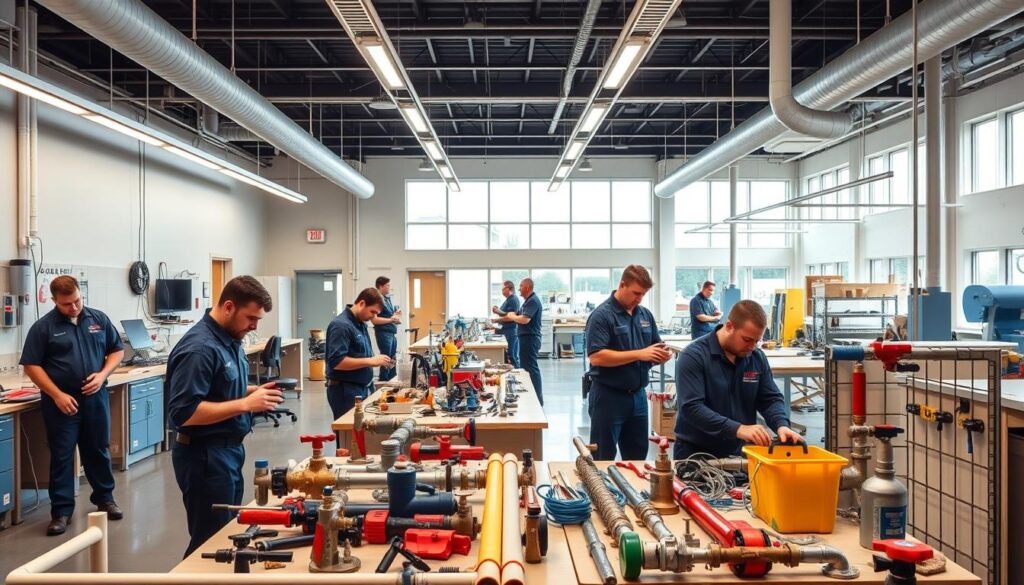
Looking into plumbing trade schools in PA can lead to great career chances. Pennsylvania has many educational paths for starting a plumbing career. You can choose from certificate programs to advanced degrees to get your pa plumbing certification.
Top schools offer special training for the plumbing field. Choosing the right trade school is key for your career growth and success.
- Pennsylvania College of Technology: Offers detailed plumbing programs
- Thaddeus Stevens College of Technology: Provides hands-on technical training
- Delaware County Community College: Offers flexible plumbing education options
When picking a plumbing program, think about these important points:
| Program Consideration | What to Look For |
|---|---|
| Accreditation | Recognized by state licensing boards |
| Curriculum | Comprehensive technical and practical training |
| Hands-on Experience | Real-world skill development |
| Financial Aid | Scholarships and support programs |
Your journey to becoming a professional plumber begins with the right education. Take time to research and compare plumbing trade schools in PA to boost your career chances.
Apprenticeship Programs: Your Gateway to Success
Plumber apprenticeship programs in Pennsylvania are a great way to start your career in the skilled trades. They mix hands-on experience with classroom learning. This approach helps you learn the complex world of plumbing.
When you’re thinking about becoming a plumber in PA, knowing about apprenticeships is key. These programs are the base for a successful plumbing career. They let you learn from experts while earning a good income.
Finding an Apprenticeship
Finding the right apprenticeship takes some planning. Here are the best ways to find a plumbing apprenticeship:
- Contact local plumbing unions in Pennsylvania
- Reach out to vocational schools and trade centers
- Network with professional plumbing associations
- Check online job boards specializing in trade apprenticeships
Required Training Hours
Pennsylvania has strict training rules for plumbers. The apprenticeship program includes:
- 576 hours of classroom instruction
- Four years of on-the-job training (about 8,000 hours)
- 40-hour work weeks during apprenticeship
Compensation During Apprenticeship
Apprentices get paid well and their pay goes up as they get better. Your earnings will grow as you become more skilled in plumbing.
“An apprenticeship is not just a job, it’s an investment in your future career.” – Pennsylvania Plumbing Trade Association
Apprentice wages start at 40-50% of what a journeyman plumber makes. They go up each year of training. This way, you’re supported financially while learning valuable skills.
Licensing Examinations and Certification Process
Getting a plumbing certification in Pennsylvania needs careful planning. You must know the rules for getting a plumbing license. The exam is a big step in your career as a plumber.
To get certified, you’ll face several important steps. You’ll need to show you know a lot by passing a tough exam. This exam checks your technical skills and how well you understand the trade.
- Prepare for a detailed written test
- Know what the test covers
- Fill out all needed paperwork
- Pay the fees for your license
The test will cover key areas of plumbing. These include:
- Plumbing codes and rules
- Safety rules
- How to install plumbing systems
- Both home and business plumbing systems
Once you pass, you’ll have to pay $125 for your license. Don’t forget to get your health permit number. It’s a key part of getting certified.
Success in the Pennsylvania plumbing certification exam requires dedicated study and practical experience.
Good ways to prepare include:
- Studying the latest plumbing codes
- Practicing with sample questions
- Going to workshops to get ready
- Talking to experienced plumbers
Your certification shows your skills, professionalism, and dedication to plumbing in Pennsylvania.
Insurance Requirements and Business Considerations
Starting a plumbing business in Pennsylvania needs careful planning. You must know about insurance and legal rules. As a plumber, you’ll face important business decisions to keep yourself and your business safe.

Keeping your plumbing business safe involves many insurance types and legal rules. Pennsylvania requires specific insurance for plumbers. This ensures safety for both professionals and clients.
Liability Insurance Essentials
Liability insurance is key for plumbers. It covers risks like:
- Property damage protection
- Personal injury coverage
- Professional service liability
- Tool and equipment insurance
Workers’ Compensation Requirements
Pennsylvania has rules for workers’ compensation for plumbing businesses with employees. Your insurance must cover:
- Medical expenses for work-related injuries
- Partial wage replacement
- Rehabilitation support
- Disability benefits
Business Registration Process
Registering your plumbing business is a big step. It ensures you follow the law:
| Registration Step | Required Documentation |
|---|---|
| Business Name Registration | Unique business name certificate |
| Tax Identification | Federal Employer Identification Number (FEIN) |
| State Licensing | Professional plumbing license |
| Local Permits | Municipal business operation permit |
Successful plumbers know insurance and registration are key. They’re not just legal steps. They’re vital for your business’s future.
Salary Expectations and Career Growth
Exploring the plumbing career path in PA shows great financial chances for skilled workers. The plumbing field offers good pay and chances for growth for those who work hard to improve their skills.
The Bureau of Labor Statistics says plumbers in Pennsylvania make about $69,670 a year. Your pay can go up as you move up in your plumbing career.
| Career Stage | Average Annual Salary | Experience Level |
|---|---|---|
| Apprentice Plumber | $35,000 – $45,000 | 0-2 years |
| Journeyman Plumber | $55,000 – $75,000 | 3-5 years |
| Master Plumber | $75,000 – $95,000 | 6+ years |
When you learn to become a plumber in PA, knowing about career growth is important. Your pay can increase with:
- Advanced certifications
- Specialized skills
- Location in Pennsylvania
- More technical skills
Professional plumbers can grow their careers by:
- Starting their own plumbing business
- Getting supervisory roles
- Specializing in commercial or industrial plumbing
- Switching to construction management
Planning your career well and always learning new skills are important to reach your full earning power in Pennsylvania’s plumbing industry.
Professional Associations and Continuing Education
Getting ahead in plumbing is not just about knowing how to fix pipes. Professional groups are key in keeping plumbers up-to-date with rules and standards in Pennsylvania.
Being part of professional organizations has many perks for plumbers in Pennsylvania. These groups offer tools and chances to grow your career.
- Network with industry professionals
- Access current plumbing industry news
- Attend specialized training workshops
- Stay updated on licensing regulations
Here are some important groups for plumbers:
- National Inspection Testing and Certification (NITC)
- International Association of Plumbing and Mechanical Officials (ASSE)
- Pennsylvania Plumbing Contractors Association
Keeping your certification current is vital. Many groups offer courses to help you meet Pennsylvania’s needs and improve your skills.
Investing in professional development ensures you remain competitive in the evolving plumbing industry.
Getting extra certifications can make you more attractive to employers and increase your pay. Training in green plumbing or advanced systems can make you stand out.
Conclusion
Starting a plumbing career in PA is a great choice for those looking for a stable job. With only about 15,000 licensed plumbers in the state, there’s a lot of room for growth. To become a plumber in PA, you need to get the right education and complete an apprenticeship program.
The plumbing industry is more than just a job. It offers real career growth. By learning technical skills, getting licensed, and staying updated, you can move up in your career. You can work for a big company or start your own business in Pennsylvania’s strong construction and maintenance sectors.
Your success in plumbing depends on hard work, technical skills, and a commitment to learning. The steps you’ve learned, from high school to apprenticeship and licensing, are a solid start. Each step, from apprentice to journeyman to master plumber, shows your growth.
If you love solving problems, enjoy working with your hands, and want to help your community, plumbing in PA might be for you. Start today by looking into training programs, finding local trade schools, and starting your apprenticeship.