

Affiliate Disclosure
Plumber Guide Guys is a participant in the Amazon Services LLC Associates Program, an affiliate advertising program designed to provide a means for sites to earn advertising fees by advertising and linking to Amazon.
How Much to Redo Plumbing in House? Did you know the average American homeowner spends $3,500 to $11,000 on a whole house plumbing replacement? Understanding the cost to redo plumbing in a house is key. It’s a big investment but essential for your home’s health.
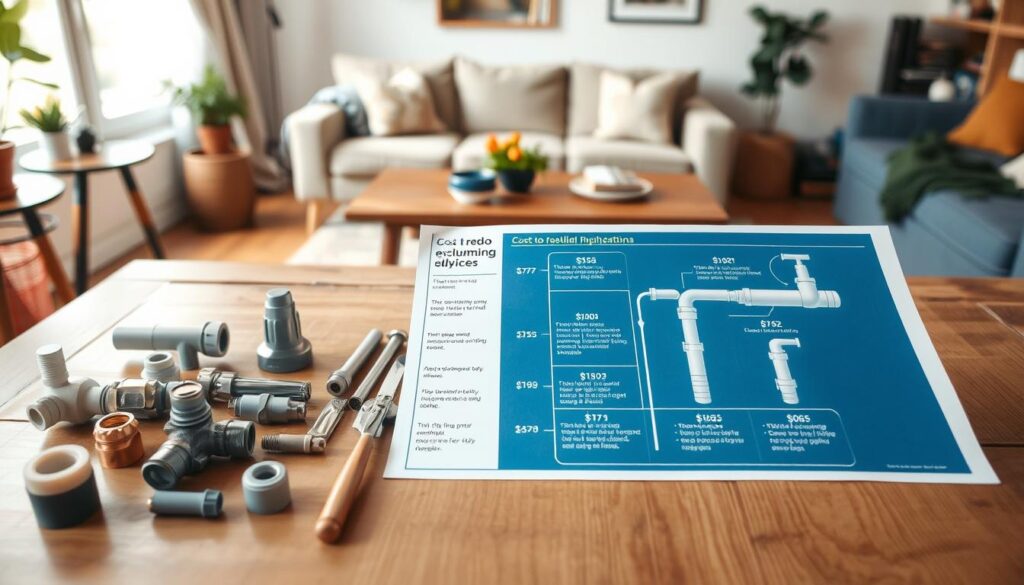
Plumbing repairs are more than just fixing leaks. They protect your home’s structure, water quality, and value. The cost varies based on your home’s size, pipe materials, and installation complexity.
Homeowners often need repiping for water quality issues, leaks, or old pipes. Knowing the costs helps you plan and budget for this important project.
Key Takeaways
- Average whole house plumbing replacement costs range from $3,500 to $11,000
- Total cost depends on home size, pipe materials, and project complexity
- Repiping is critical for maintaining home infrastructure and water quality
- Professional assessment is recommended before starting a plumbing renovation
- Different pipe materials can significantly impact overall project expenses
Table of Contents
Understanding the Average Cost to Replumb Your Home
Replacing your home’s plumbing is a big investment. It helps protect your home from water damage and improves water quality. The cost varies based on several important factors.
Homeowners should expect different costs for a full repiping project. The average cost for a full-home plumbing replacement is between $3,500 and $11,000.
National Average Pricing for Complete Plumbing Replacement
Recent estimates show the cost for repiping a house:
- PEX piping: $3,500 – $7,000
- PVC piping: $4,000 – $8,000
- Copper piping: $8,000 – $15,000
These prices are for homes between 1,200 and 2,500 square feet. Costs can vary based on your home’s layout and plumbing needs.
Cost Breakdown by Project Scope
| Project Type | Typical Cost Range |
|---|---|
| Partial Repairs | $371 – $2,133 |
| Complete System Replacement | $3,500 – $11,000 |
| Whole-House Replumb | $6,785 (Average) |
While the initial cost may seem high, a full plumbing renovation can save you money. It prevents future water damage and reduces repair costs over time.
How Much to Redo Plumbing in House: Factors That Determine Your Total Investment
Understanding the costs of a complete plumbing system upgrade is complex. It’s not just one thing that determines the price. Instead, many factors work together to affect the final cost.
Important factors that influence the cost include:
- Home Size and Layout: Larger homes need more piping and more work
- Pipe Material Selection: Different materials have different prices
- Accessibility of Existing Pipes: Hard-to-reach pipes make things more complicated
- Number of Plumbing Fixtures
- Local Building Code Requirements
Your home’s unique features greatly affect the cost of repiping. Older homes with outdated pipes like galvanized steel or cast iron need more work. Local building codes might also require extra upgrades, such as:
- New shutoff valves
- Expansion tanks
- Pressure regulators
- Updated venting systems
Professional contractors will look at all these factors to give you a precise estimate. Permits and inspections can add $200-$1,000 to your budget, depending on local rules.
Pro Tip: Always get multiple detailed quotes that fully consider your home’s needs.
Home Size and Square Footage Impact on Repiping Costs
Your home’s size is key in figuring out the cost of a plumbing overhaul. Knowing how square footage affects prices helps you plan your budget better.
The bigger your home, the more it costs for plumbing work. This is because bigger homes need more materials and labor. They also require more complex pipe layouts.
Small Homes Under 1,500 Square Feet
Small homes are the cheapest option for plumbing work. They usually need less pipe replacement and fewer wall changes.
- Average cost range: $3,600 – $6,750
- Fewer linear feet of piping needed
- Minimal drywall repairs
- Quickest installation time
Medium-Sized Homes Between 1,500 and 2,500 Square Feet
Medium homes are the most common for plumbing work. They need more detailed pipe replacement plans.
| Home Size | Average Repiping Cost | Typical Characteristics |
|---|---|---|
| 1,500-1,800 sq ft | $7,200 | 10-12 drywall openings |
| 1,800-2,300 sq ft | $9,600 | 12-15 drywall openings |
| 2,300-2,500 sq ft | $11,250 | 15-20 drywall openings |
Large Homes Over 2,500 Square Feet
Big homes need the most work for plumbing. The more square footage, the more complex it gets.
- Cost range: $10,350 – $16,124
- Multiple stories increase complexity
- More than 30 possible drywall openings
- Longer installation timelines
Pro tip: Always get multiple quotes and consider your home’s unique features when planning for a plumbing replacement.
Pipe Material Costs: Comparing PEX, Copper, and Other Options
Choosing the right pipe material is key when updating your plumbing. Each type has its own benefits and costs. These can greatly affect your home’s plumbing system.
PEX (cross-linked polyethylene) is the favorite for modern homes. It costs between $3,500 to $7,000 for a full home replumb. It’s priced at $0.40 to $2.00 per foot. Its main advantages are:
- Easy to install in tight spaces
- Resists freezing and heat damage
- 10-25 year manufacturer warranties
- Minimal damage to drywall during installation
Copper pipes are popular in luxury homes. They cost $8,000 to $15,000 for a full replacement. Copper is durable and looks good, costing $3-$8 per foot. ProPress copper fittings make installation faster, saving up to 95% of labor time.
For those on a tight budget, PVC is an option. It costs $4,000-$8,000 for a full home replumb. But, PVC is mainly used for drain and waste lines, not water supply.
Galvanized steel and cast iron pipes are more expensive. They cost $5,000 to $12,000 to replace. This is because they corrode and can harm water quality.
Pro tip: Talk to a licensed plumber to find the best pipe material for your home. They’ll consider your home’s needs and local codes.
Labor Costs and Professional Installation Expenses
When planning a house repiping project, understanding labor costs is key for budgeting. Labor costs can greatly affect your total investment. It’s important to know what to expect from professional plumbers.
Professional plumbing installation involves many factors that affect the cost. Skilled contractors ensure your plumbing system works well and meets building codes.
Hourly Rates for Licensed Plumbers
Professional plumbers charge different rates based on experience and location. Here’s a breakdown of typical hourly rates:
| Plumber Experience Level | Hourly Rate Range | Typical Project Complexity |
|---|---|---|
| Apprentice Plumber | $45 – $90 | Simple repairs and basic installations |
| Journeyman Plumber | $90 – $140 | Standard house repiping projects |
| Master Plumber | $140 – $200 | Complex whole-house repiping |
Timeline and Duration of Repiping Projects
The time needed for house repiping can vary based on several factors:
- Home size and layout complexity
- Pipe material selection
- Accessibility of existing plumbing
- Number of fixtures to be replaced
A typical repiping project for an average-sized home takes 2-5 days. Modern techniques like PEX piping can make installation faster. Skilled plumbers often finish the main pipe replacement in one day.
Choosing a contractor who offers in-house services can help keep costs down. This approach can lead to more efficient and cost-effective results.
Number of Fixtures and Their Effect on Whole House Plumbing Replacement Cost
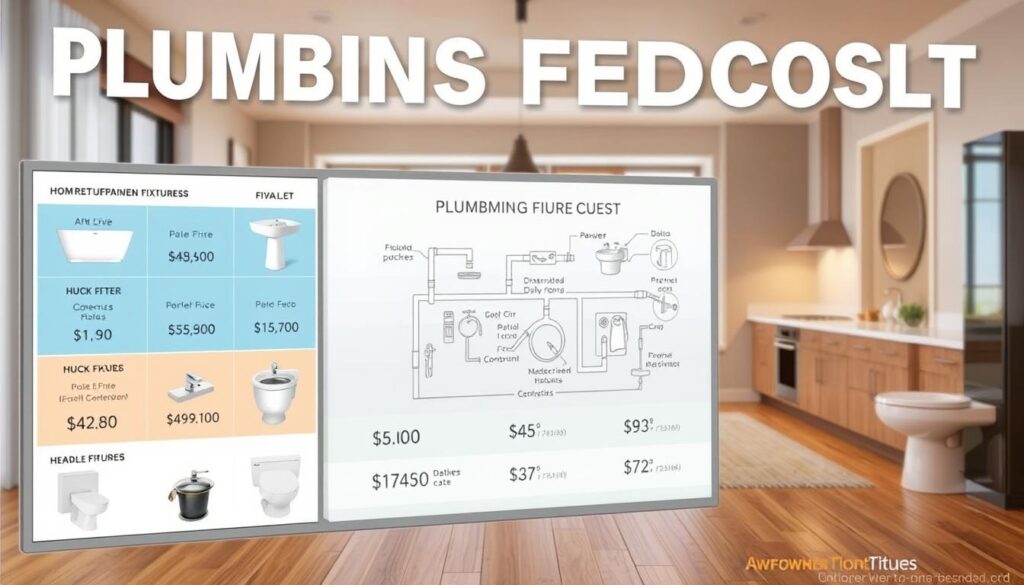
Knowing how plumbing fixtures affect the cost of a whole house plumbing replacement is key for homeowners. The number of fixtures in your home plays a big role in the total cost of plumbing replacement.
Experts use a special method to count fixtures. This helps figure out the complexity and cost of the plumbing installation:
- Sink = 1 fixture
- Shower/tub = 1 fixture
- Toilet = 0.5 fixture
- Hose spigot = 0.5 fixture
- Water heater = 1 fixture
The more fixtures you have, the more you’ll spend on plumbing replacement. This is because more materials, labor, and time are needed for installation.
| Fixture Count Range | Average Replacement Cost |
|---|---|
| Less than 9.5 fixtures | $4,614 |
| 9.5-11.5 fixtures | $6,352 |
| 11.5-14.5 fixtures | $7,815 |
| More than 14.5 fixtures | $11,098 |
Adding more fixtures means more fittings, connections, shutoff valves, and labor time are needed. Home size doesn’t always match the number of fixtures. A small home can have many fixtures, while a big home might have fewer.
To get a good idea of the cost, count your home’s fixtures carefully. Then, talk to a professional plumber. They can give you a detailed quote based on your home’s needs.
Warning Signs That Indicate You Need to Repipe Your Home
Knowing when to redo your plumbing can prevent expensive water damage and big repairs. Spotting the warning signs early helps you budget for repiping and keep your home safe.
Age-Related Plumbing Deterioration
Your plumbing system has a limited life span. Pipes usually last 50-60 years. So, homes built before the 1960s might need new pipes.
Aging pipes can crack and fail suddenly. This is because they weaken over time.
- Homes over 50 years old with original pipes
- Visible pipe corrosion
- Increased frequency of repairs
Water Quality Issues and Discoloration
Bad water quality can point to big plumbing problems. If your water is rusty, brown, or cloudy, it’s a sign of pipe corrosion. This means your pipes are breaking down and could be making your water unsafe.
- Rusty-colored water
- Calcium buildup on faucets
- Iron stains in sinks and tubs
Pressure Problems and Recurring Leaks
Low water pressure means your pipes are restricted. Leaks in different places show your plumbing is failing all over. Listen for water hammer, a rattling sound after turning off water. It means your pipes are under a lot of stress.
Getting a professional to check your pipes can help. Services like scope inspections ($270-$1,737) and hydrostatic pressure tests ($250-$500) can tell you what you need to do. They help you figure out the best way to fix your plumbing.
Problematic Pipe Materials That Increase Replacement Urgency
Knowing what pipe materials are in your home is key for plumbing needs. Some old pipe materials are risky and need quick action.
Some pipes can harm your water quality and home structure. Here are the worst pipe types:
- Lead Pipes: Common in homes before 1986, they’re very dangerous. They can release toxic lead into your water, posing health risks.
- Polybutylene Pipes: Used from 1978 to mid-1990s, these pipes easily crack and fail at joints.
- Galvanized Steel Pipes: Found in homes before 1960, they rust inside, blocking water flow and contaminating water.
- Cast Iron Pipes: Common in 1950s-1960s homes, they get brittle and can be damaged by roots.
Your home’s plumbing is vital for its health. Spotting these bad pipe materials early can stop expensive damage and health issues. A pro can check if your home needs urgent plumbing work.
Warning: Pipes showing signs of wear, color changes, or frequent leaks need quick checks by a licensed plumber.
Replacing old pipes is more than keeping your home in shape. It’s about keeping your family safe and ensuring clean water.
Accessibility Challenges and Additional Costs for Drywall Repair
Replacing plumbing can get very expensive if the pipes are hard to reach. Where your home’s plumbing is located plays a big role in the cost. This is true, even if it’s hidden behind walls or in complex parts of the structure.

Knowing about these challenges can help you plan your plumbing project better. Different homes have their own unique problems. These problems can affect how much your project will cost.
Hidden Pipes Behind Finished Walls
Getting to pipes in finished areas needs careful thought. Your plan for plumbing replacement depends on a few key things:
- Pipe material flexibility (PEX vs. copper)
- Wall construction type
- Number of required access points
- Restoration complexity
PEX pipes are easier to work with because they can be fished through walls with little damage. Copper pipes, being stiffer, need bigger holes for installation.
Concrete Slab and Foundation Complications
Homes on concrete slabs are the toughest and most costly to fix. Fixing pipes might mean:
- Breaking through concrete foundations
- Specialized equipment rental
- Extended labor hours
- Potential temporary relocation
A small home might need 10 drywall openings, while bigger homes could need 30+ spots. Each opening increases labor and repair costs, affecting your plumbing replacement budget.
Permits, Code Requirements, and Inspection Fees
Understanding plumbing renovation costs means knowing about permits and code compliance. When you start a home repiping project, you need official documents. These ensure your work is safe and meets current standards.
Permit and inspection fees can cost between $200 and $1,000. This depends on where you live and the size of your project. These costs are important for your home’s safety and value.
- Permits protect your property’s long-term integrity
- Inspections verify compliance with current building codes
- Code compliance ensures proper installation techniques
Your plumbing renovation costs will likely include several mandatory code upgrades, such as:
- Installing new shutoff valves
- Adding expansion tanks
- Implementing pressure regulators
- Modifying venting systems
Local requirements can vary a lot. Condominium projects often face more stringent regulations and possibly higher fees. Some places might need engineer-stamped plans or approvals from several departments.
Even though these costs might seem high, they’re worth it. They protect your investment and make sure your home’s plumbing is safe.
Cost-Saving Strategies for Your Residential Plumbing Overhaul
To save money on plumbing replacement, plan smartly and make wise choices. You don’t have to spend a lot on your plumbing overhaul. There are ways to cut costs without sacrificing quality.
Homeowners can save a lot by managing their projects well and choosing the right time. Cost-effective repiping is more than picking materials. It’s about planning every step carefully.
Synchronizing Renovations for Maximum Savings
Timing is key when you’re planning your plumbing overhaul. Here are some tips to help you save money:
- Coordinate plumbing work with existing renovation projects
- Use existing wall openings to save on drywall repair costs
- Ask for credits for painting services done at the same time
Selecting Cost-Efficient Materials
The materials you choose greatly affect your project’s cost. PEX piping is a great choice for saving money on plumbing replacement.
| Material | Cost | Warranty |
|---|---|---|
| PEX | Lower | 10-25 years |
| Copper | Higher | No manufacturer warranty |
When picking professionals for repiping, look for those who offer full services. In-house teams can save you 15-30% on costs by avoiding extra subcontractor fees.
- Find providers with 0% APR financing
- Choose those known for efficient work
- Make sure they offer a wide range of services
By using these strategies, you can turn your plumbing overhaul into a smart investment in your home.
Conclusion
Deciding to replumb your house can be daunting. The cost varies widely, from $3,500 to $11,000. Most people spend about $6,785. The final cost depends on your home’s size, the type of pipes, and local labor prices.
The initial cost might seem high, but it’s worth it. Replacing old pipes can prevent major water damage. Your decision should focus on keeping your home safe and working well for years to come.
Professional plumbers suggest a detailed check of your current plumbing. Get quotes from licensed plumbers and plan your project with other home updates. This investment keeps your home safe and can increase its value.
Knowing what you need helps you make a smart choice. Fixing problems early saves money and avoids costly damage to your home and belongings.