
Affiliate Disclosure
Plumber Guide Guys is a participant in the Amazon Services LLC Associates Program, an affiliate advertising program designed to provide a means for sites to earn advertising fees by advertising and linking to Amazon.
How Much to Plumb a New House? Did you know plumbing is about 15% of a new home’s budget? Knowing the cost of plumbing for new homes helps you plan better. This way, you can budget for your dream home.
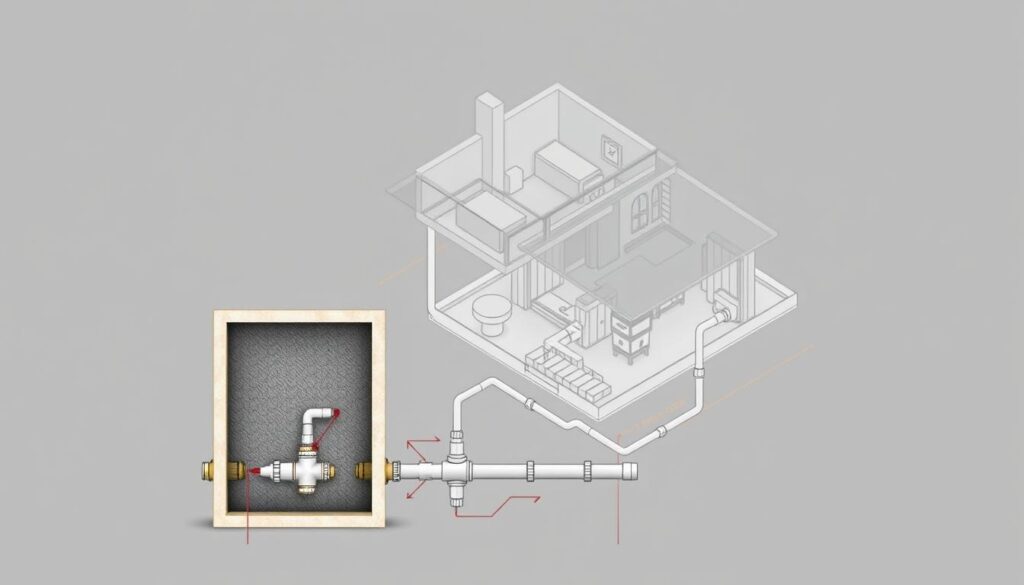
Calculating plumbing costs for a new house involves many factors. Costs change based on your home’s size, design, materials, and local labor rates.
This guide will cover the key costs of plumbing in new homes. We’ll look at everything from supply lines to drainage systems. This will help you understand your plumbing investment better.
Key Takeaways
- Plumbing typically accounts for 15% of new home construction budgets
- Costs vary based on home size, design, and regional labor rates
- Material selection significantly impacts overall plumbing expenses
- Professional planning can help manage plumbing installation costs
- Understanding local building codes is key for accurate budgets
Table of Contents
Understanding New Home Plumbing Costs
Figuring out plumbing costs for a new home can be tough. The cost depends on many factors that affect your budget. Knowing these factors helps you plan better and make smart choices.
Several important elements affect the total cost of your plumbing project:
- Material selection and quality
- Home size and complexity
- Local labor market conditions
- Specific fixture requirements
Basic Cost Components
The main cost factors for new home plumbing are material costs and installation fees. Plumbing contractor rates usually fall between $50 to $150 per hour. This greatly affects your budget.
Labor vs Material Expenses
Looking closely at your plumbing costs shows two main parts:
- Labor Costs: Skilled plumbers charge for their time and skill
- Material Expenses: This includes pipes, fixtures, and special equipment
Regional Price Variations
Your location greatly influences plumbing costs. Cities with higher costs see more expensive plumbing rates. Rural areas might be cheaper because of lower costs.
Planning carefully and knowing regional cost differences can help you save on plumbing costs.
Average Plumbing Installation Costs for New Construction
When planning new house plumbing expenses, understanding the residential plumbing price estimate is key. The cost of plumbing installation changes a lot. This depends on home size, complexity, and local rates.
Residential plumbing price estimates vary by home size and layout. For an average single-family home, here’s what you might pay:
- Small homes (1,000-1,500 sq ft): $4,000 – $6,500
- Medium homes (1,500-2,500 sq ft): $6,500 – $10,000
- Large homes (2,500-4,000 sq ft): $10,000 – $15,000
Your plumbing costs will depend on a few important things:
| Plumbing Component | Estimated Cost Range |
|---|---|
| Supply Lines | $1,500 – $3,500 |
| Drainage System | $2,000 – $5,000 |
| Fixture Installations | $1,000 – $3,500 |
Professional plumbers suggest adding 10-15% for surprises or upgrades. Always get multiple quotes to ensure you’re getting a good deal.
How Much to Plumb a New House: Detailed Breakdown
Knowing the plumbing rough-in cost is key when planning your new home’s plumbing. It helps homeowners and contractors understand the cost of a full plumbing system.
Your new home’s plumbing system has many important parts. Each part is vital for a working and efficient water system.
Supply Line Network Costs
The supply line network is a big part of your plumbing budget. These pipes carry fresh water and need careful planning and installation.
- Copper piping: $2-$5 per linear foot
- PEX piping: $1-$3 per linear foot
- Material quality impacts long-term performance
Drainage System Expenses
Your home’s drainage system removes water and waste well. Professional installation ensures it works right and avoids future problems.
| Drainage Component | Estimated Cost Range |
|---|---|
| Main sewer line | $50-$250 per linear foot |
| Vent pipes | $10-$50 per linear foot |
| Underground drainage | $75-$300 per linear foot |
Fixture Installation Pricing
Plumbing fixtures are the parts you see. Choosing them affects your home’s look and how well it works.
- Kitchen sink: $200-$500
- Bathroom toilet: $100-$400
- Shower installation: $1,000-$3,000
- Water heater: $800-$1,500
The total cost for plumbing will change based on your home’s size, the materials you choose, and local prices. Planning well helps keep your plumbing budget in check.
Material Selection and Cost Impact
When planning your home’s plumbing, the materials you choose greatly affect the cost. The right materials save you money upfront and in the long run.
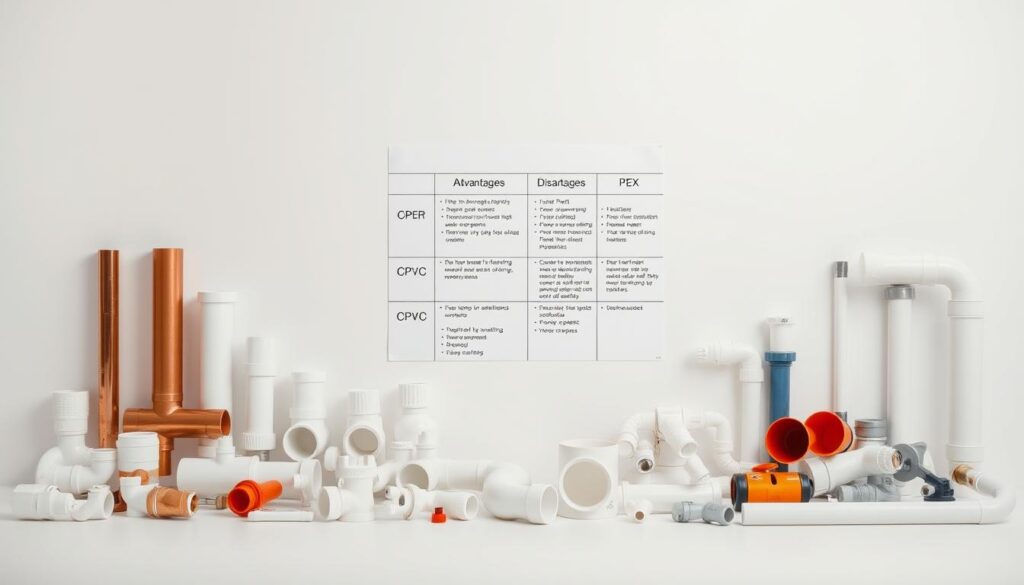
Choosing the right plumbing materials is important. They impact how long your plumbing lasts, how much maintenance it needs, and how reliable it is.
PVC vs Copper Piping
Different materials have their own benefits for plumbing costs:
- PVC Pipes:
- Lowest upfront cost
- Corrosion-resistant
- Lightweight and easy to install
- Copper Pipes:
- Higher initial investment
- Extremely durable
- Excellent heat resistance
Fixture Quality Grades
The cost of plumbing also depends on the fixtures you choose. Fixtures are divided into three quality levels:
- Economy Grade: Budget-friendly, basic functionality
- Mid-Range Grade: Balanced performance and price
- Premium Grade: High-end materials, advanced features
Modern Plumbing Technologies
New plumbing technologies may cost more at first but save money later. Smart water systems, water-saving fixtures, and advanced pipes are good investments. They cut down on future maintenance costs.
Investing wisely in quality materials can save you significant money over your home’s lifetime.
Professional Labor and Installation Charges
When planning your new house plumbing expenses, understanding professional labor costs is key. Plumbing contractor rates for new homes vary a lot. They depend on experience, location, and how complex the project is. Plumbers usually charge between $50 to $200 per hour.
Your total labor expenses will depend on several things:
- Plumber’s skill level and certification
- Project scale and complexity
- Local market rates
- Time required for installation
More experienced plumbers charge more but work faster. For new home construction, you might see different pricing:
| Plumber Experience Level | Hourly Rate | Typical New Home Project Impact |
|---|---|---|
| Apprentice | $50-$75 | Basic installations, supervised work |
| Journeyman | $75-$125 | Standard residential projects |
| Master Plumber | $125-$200 | Complex system designs, troubleshooting |
Pro tip: Always request detailed quotes and understand what’s included in the labor charges for your new house plumbing expenses. Some contractors might offer flat-rate pricing for entire new home plumbing installations. This can save you money compared to hourly rates.
Investing in skilled professionals ensures your home’s plumbing system is installed correctly the first time.
Permit Requirements and Associated Costs
Understanding permits is key to your new construction plumbing budget. Knowing local rules can greatly impact your costs. Each area has its own rules that can change your project’s price and time.
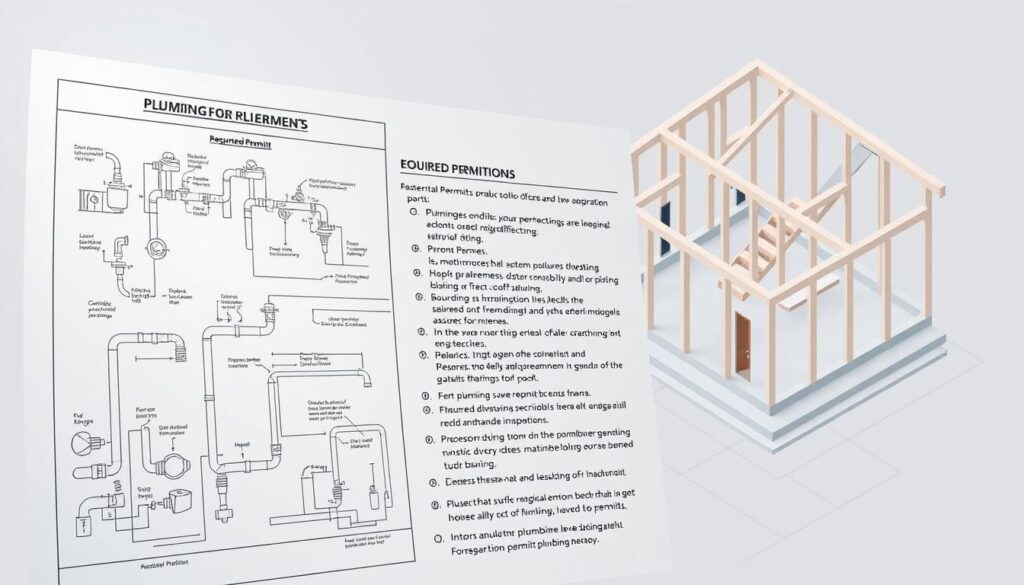
Plumbing permits keep homes safe by checking work quality and safety. They make sure your plumbing meets current building codes and standards.
Local Building Code Considerations
Building codes differ by area. Your location affects your plumbing installation:
- Pipe material requirements
- Minimum pipe diameter specifications
- Drainage and venting regulations
- Water pressure standards
Inspection Fees and Process
Inspection costs vary, from $100 to $500, based on where you live. You’ll need several inspections during plumbing work:
- Pre-construction review
- Rough-in inspection
- Final plumbing system inspection
Documentation Requirements
Get these documents ready for your plumbing permit:
- Detailed plumbing system blueprint
- Contractor licensing information
- Property survey
- Proof of property ownership
Pro tip: Always check with your local building department for specific requirements, as regulations can change and vary by location.
Common Cost Variables in New Home Plumbing
When figuring out the plumbing costs for a new house, several important factors come into play. These factors can greatly affect the overall plumbing cost. Knowing these can help homeowners plan their budgets better and avoid surprises.
The complexity of your home’s plumbing system is influenced by many elements. Key factors that affect costs include:
- Home square footage
- Architectural design complexity
- Local terrain and soil conditions
- Distance from municipal water and sewer lines
- Number and type of plumbing fixtures
Your home’s design greatly influences plumbing costs. Homes with complex layouts, like many bathrooms or kitchens, cost more to plumb.
| Cost Variable | Potential Cost Impact |
|---|---|
| Complex Floor Plan | $2,500 – $5,000 increase |
| Difficult Terrain | $1,500 – $3,500 additional |
| Multiple Story Levels | $1,000 – $2,500 extra |
Soil conditions can greatly affect pipe installation. Rocky or uneven terrain needs special equipment and methods, raising costs. Getting a site assessment before starting helps predict challenges.
Where you live also affects prices. Cities with well-established plumbing systems might be cheaper than rural areas needing more work.
Cost-Saving Strategies for New Home Plumbing
When planning your home plumbing, making smart choices can save a lot of money. Careful planning during the plumbing rough-in phase can lead to big savings. This doesn’t mean you have to sacrifice quality.
Here are some key ways to save on your new home plumbing:
- Design efficient pipe layouts with direct runs to cut down on material and labor costs
- Choose materials wisely, balancing initial cost with long-term durability
- Group plumbing fixtures together to reduce pipe length and installation complexity
- Select water-efficient fixtures to save on utility bills in the future
Optimizing your plumbing rough-in cost means working with experienced pros. They know local codes and can suggest cost-effective options. Spending time on initial planning can avoid costly changes later.
Practical steps include using standard pipe sizes, choosing versatile materials like PEX, and planning for future growth during the first installation.
Conclusion
Planning your plumbing for a new house involves many factors. Your budget will depend on design, materials, and local labor costs. Knowing these can help you make choices that are both good quality and affordable.
Getting help from professionals is key to understanding plumbing costs for new homes. They can give you a detailed estimate based on your home’s design and local building rules. Doing your homework and talking to experts can prevent unexpected costs.
Even though plumbing costs might seem high at first, remember they protect your home. Investing in quality pipes, efficient fixtures, and expert installation saves money in the long run. It keeps your home running smoothly for years.
When planning your plumbing, focus on durability, efficiency, and performance. By choosing the right materials and skilled installers, you’ll get a plumbing system that lasts. It will keep your home comfortable and functional for many years.