
Affiliate Disclosure
Plumber Guide Guys is a participant in the Amazon Services LLC Associates Program, an affiliate advertising program designed to provide a means for sites to earn advertising fees by advertising and linking to Amazon.
How Much Plumbing Tape Should I Use? Are you tired of leaky pipes that waste your time and money? Knowing how much plumbing tape to use can make all the difference. It can turn a leaky pipe into a secure one.
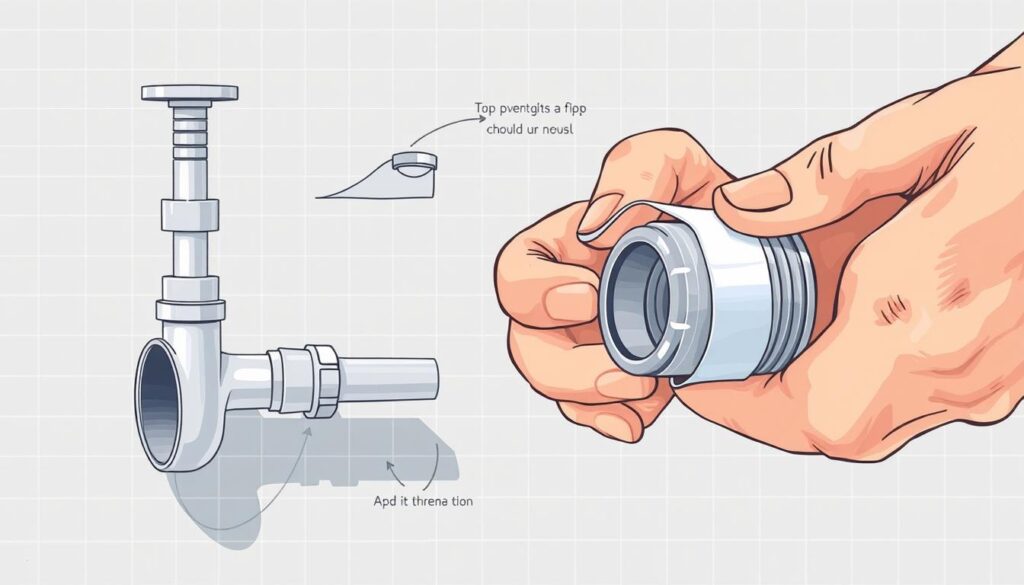
It’s not just about wrapping pipes randomly. Plumbers and DIY fans know the right amount is key. A plumber’s guide shows that 2-4 wraps are usually enough for water pipes.
But, many think more tape means better sealing. The truth is, too much tape can cause more issues. It’s the quality of application that counts, not how much tape you use.
Key Takeaways
- Most pipe connections need only 2-4 tape wraps
- Excessive tape can compromise pipe fitting integrity
- Proper technique matters more than tape quantity
- Different pipe sizes require adjusted tape amounts
- Quality of tape matters more than number of wraps
Table of Contents
Understanding Plumber’s Tape and Its Purpose
Plumber’s tape is key for making pipe connections watertight. It’s vital for stopping leaks and making pipe installations smooth. It’s used in many plumbing jobs.
Skilled plumbers use this special tape to fix common sealing issues. The tape is usually 2.5 to 3.5 mil thick, like a sheet of paper.
What Is PTFE Tape Made From
Polytetrafluoroethylene (PTFE) is the main part of plumber’s tape. This fluoropolymer has great qualities for pipe connections:
- It’s nonflammable and safe to use
- It keeps water away with its hydrophobic properties
- It stands up to chemicals and heat
- It’s very flexible and stretchy
Why Plumber’s Tape Works Without Adhesive
The magic of plumber’s tape is in its special properties. Unlike sticky tapes, PTFE tape seals by squeezing into gaps. It wraps around pipe threads, filling tiny spaces and lubricating them.
When you wrap it, the tape stretches to fit between thread ridges. This makes a strong seal without needing glue. Its smooth surface helps pipes slide together better and stops leaks.
Professional tip: Proper application technique matters more than the quantity of tape used.
Different Types and Colors of Plumbing Tape
Choosing the right plumbing tape is key for a safe and leak-free connection. The tape’s color tells us a lot about its use. Knowing the teflon tape thickness for pipe threads is vital for your plumbing projects.
- White Tape: The standard for water pipe connections, typically 2.5-3.5 mils thick
- Yellow Tape: Made for gas lines, meeting strict safety standards
- Green Tape: For oxygen lines, completely grease and oil-free
- Gray/Silver Tape: For stainless steel pipes, about 4 mils thick
- Red/Pink Tape: Heavy-duty for larger pipe diameters
Gas line connections need special care. Yellow tape is the only safe choice for natural gas, propane, and butane. Never use standard white tape for gas lines to avoid safety risks.
“Selecting the right tape is not just about performance—it’s about ensuring the safety of your entire plumbing system.”
Each tape type has its own benefits for different plumbing challenges. The thickness and materials vary, with specialty tapes giving extra protection. Whether it’s for home water lines or industrial gas connections, knowing these differences is essential for a good job.
How Much Plumbing Tape Should I Use
Finding the right amount of plumbing tape is key for a tight seal on pipes. Experts say to use a certain amount to prevent leaks but avoid too much. This helps keep your pipes in good shape.
Standard Wrapping Guidelines for Water Pipes
The number of tape wraps needed varies. For home water pipes, here’s what to do:
- Use 2-4 complete wraps for typical connections
- Ensure threads are barely visible through the tape
- Pull the tape tight during application
Adjusting Tape Amount Based on Thread Size
The amount of tape you need changes with pipe size and type. Here’s a guide:
| Pipe Size | Recommended Tape Wraps | Tape Thickness |
|---|---|---|
| 1/2″ pipes | 3 wraps | Standard density |
| 3/4″ pipes | 3-4 wraps | Standard density |
| 1″ pipes | 4-5 wraps | High-density tape |
Important tips for using plumbing tape:
- Avoid over-wrapping: Too much tape makes threads bigger
- Pull tape tight for a good seal
- Make sure threads are a bit visible
Pro Tip: Less is often more when applying plumbing tape. Focus on technique over quantity.
Proper Technique for Applying Thread Seal Tape
Mastering the pipe thread sealing technique needs precision and detail. Success comes from preparing and applying plumber’s tape well. This creates a reliable seal that stops leaks and ensures a tight connection.
- Clean the pipe threads thoroughly
- Ensure threads are completely dry
- Remove any old tape or debris
- Inspect threads for damage
When applying the tape, follow these important guidelines:
- Start wrapping on the second thread from the pipe end
- Wrap in the same direction the pipe will turn
- Maintain consistent tension while wrapping
- Apply 2-3 complete wraps around the thread
The secret to a good seal is keeping the right tension. Make sure the tape fits smoothly on the threads. Tear the tape cleanly and press the end firmly against the previous wrap for a seamless seal.
| Wrapping Step | Key Technique |
|---|---|
| Thread Preparation | Clean and dry completely |
| Tape Placement | Start on second thread |
| Wrapping Direction | Follow pipe thread rotation |
| Final Assembly | Hand-tighten plus 1-2 wrench turns |
Remember, technique matters more than how much tape you use. Don’t over-wrap or apply too much force. Your goal is a smooth, tight seal that prevents leaks without harming the pipe threads.
Wrapping Direction and Why It Matters
Knowing how to wrap plumbing tape is key for a tight seal on pipes. The right way to apply tape can make your plumbing job successful.
For a secure seal, pipe threads need a special wrapping method. The main rule is simple: wrap tape in the direction the pipe threads.
The Clockwise Rule for Pipe Threads
Pipe connections usually thread clockwise. Here’s how to wrap your tape correctly:
- Start at the pipe thread’s end
- Wrap tape clockwise around the threads
- Keep the tension even while wrapping
- Overlap each turn by about 50%
Preventing Tape Unraveling During Assembly
Wrapping tape wrong can lead to big problems during assembly. If you wrap it the wrong way, it will:
- Bunch up during connection
- Stop the thread from sealing properly
- Make leaks possible
- Weaken the pipe connection
Remember the golden rule: “Righty-tighty” means wrap clockwise when viewing the pipe end-on.
Experts say practicing the right tape wrap is essential for a perfect seal. Take your time and wrap the tape carefully for the best results.
Common Mistakes When Using Plumbing Tape
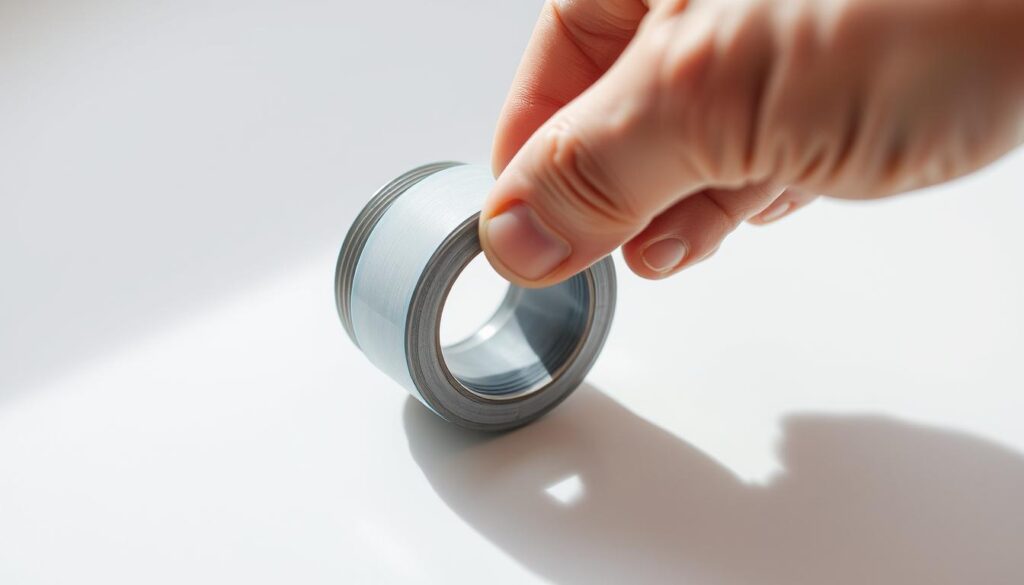
Learning to use plumbing tape right is key to avoiding big mistakes. These errors can lead to leaks, damaged threads, and even pipe failures. Both DIY fans and pros can make these mistakes.
The most common errors in pipe thread tape application include:
- Over-tightening connections when the initial seal isn’t perfect
- Wrapping tape in the incorrect direction
- Failing to remove and reapply tape when a leak occurs
- Not pulling the tape tight during application
- Leaving excess tape hanging out after connecting pipes
One big mistake is using tape on female threads. This can stress the pipe joints and cause cracks. Another error is wrapping too much tape, thinking it’s better. But too much tape can stop the threads from fitting right and create pressure points.
Professional plumbers know the importance of using tape correctly. Start wrapping from the second thread and keep the tension even. Make sure the tape fits smoothly on the threads. Always check the connections with water pressure to make sure they’re sealed.
Remember: Tape is a sealing aid, not a miracle solution. Careful application and testing are key to a successful plumbing connection.
Thickness Considerations for Different Applications
Choosing the right teflon tape thickness for pipe threads is key. It ensures reliable, leak-free seals in various applications. The tape’s thickness is critical for a good seal.
Understanding thread seal tape thickness is important. Not all tapes are the same. The right thickness can greatly affect your connection’s performance.
Standard Versus Premium High-Density Tape
Standard tape is usually 2.5 to 3.5 mils thick, like a sheet of paper. Professional plumbers suggest these for everyday home use.
- Standard white tape: 2.5-3.5 mils thick
- Premium white high-density tape: Enhanced molecular structure
- No pigments or additives in premium versions
When to Use Thicker Specialty Tapes
For tough environments, you need thicker tape. Specialty tapes are made for specific challenges and pipe types.
| Tape Type | Thickness | Best Used For |
|---|---|---|
| Gray Stainless Steel Tape | 4 mils | Aggressive stainless steel threads |
| Pink/Red Heavy-Duty Tape | 4-5 mils | Large diameter pipes (1/2 to 2 inches) |
| White Premium Tape | 3.5 mils | Food processing, potable water systems |
Choosing the right tape thickness is more than just protection. It’s about making the best seals with less waste. Quality tape can save you from expensive leaks and repairs later.
Testing Your Connection and Troubleshooting Leaks
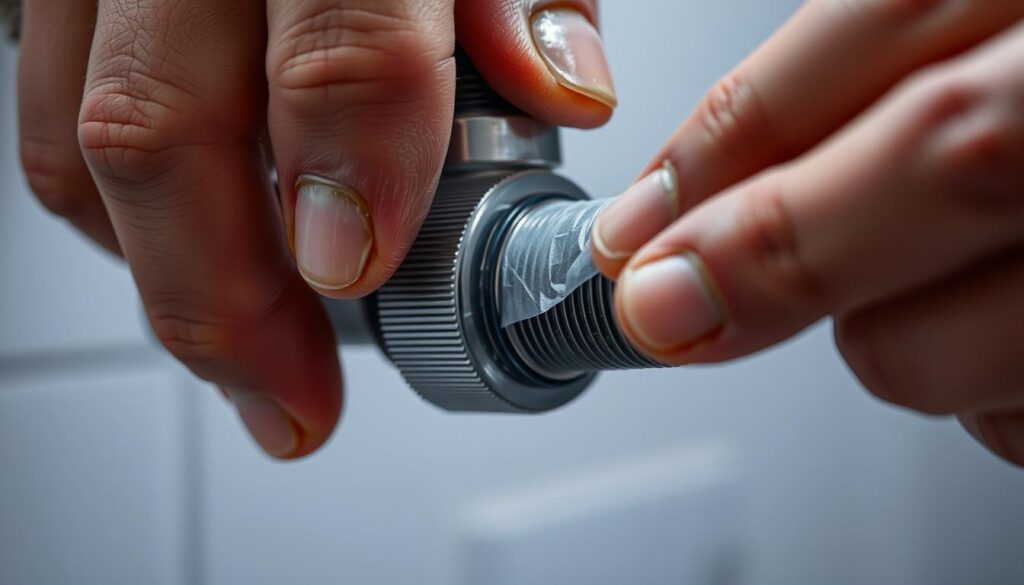
After you’ve sealed your pipes, it’s important to test them. Not every connection works right the first time. So, checking them carefully is key to avoid water damage.
To test your pipe connection, follow these steps:
- Gradually restore water pressure
- Carefully observe the connection for any seepage
- Check for drips under full system pressure
- Look for signs of slow leaks
If you find a leak, don’t worry. Your sealing might just need a little tweak. Try tightening it a quarter-turn first. If that doesn’t work, you’ll need to take more steps.
For leaks that won’t go away, try these fixes:
- Disassemble the connection completely
- Inspect threads for damage
- Clean threads well
- Reapply tape with care
Pro tip: Adding a thin layer of pipe dope can help, too. It’s good for connections that face temperature changes or vibration.
If leaks keep coming back, it might mean bigger problems. Like damaged threads or bad parts. In that case, the best thing to do is replace the fitting.
Conclusion
Figuring out how much plumbing tape to use is simple. It’s all about the technique, not the amount. For home water pipes, 2-4 wraps of good tape will seal things up tight.
There are a few key steps to follow for your plumber’s tape guide. First, clean the threads well. Then, pick the right tape for the job. Make sure to wrap it the right way and put it together carefully.
White tape is for water lines, while yellow and green are for gas and oxygen. This helps you know which tape to use for each job.
Getting good at plumbing tape means doing it right every time. Wrap it clockwise for right-hand threads, so threads are just peeking through. Don’t wrap too much or too tight. You want a seal that’s snug but not too tight.
With time, you’ll get better at choosing the right tape and using the right amount. Each project will make you more skilled. Soon, you’ll be able to handle plumbing tasks with ease and confidence.