
Affiliate Disclosure
Plumber Guide Guys is a participant in the Amazon Services LLC Associates Program, an affiliate advertising program designed to provide a means for sites to earn advertising fees by advertising and linking to Amazon.
How Much is Copper Plumbing Worth? Did you know copper plumbing can keep up to 90% of its value for decades? Knowing the worth of copper plumbing is key for homeowners and contractors. The price of copper plumbing scrap changes based on several important factors.
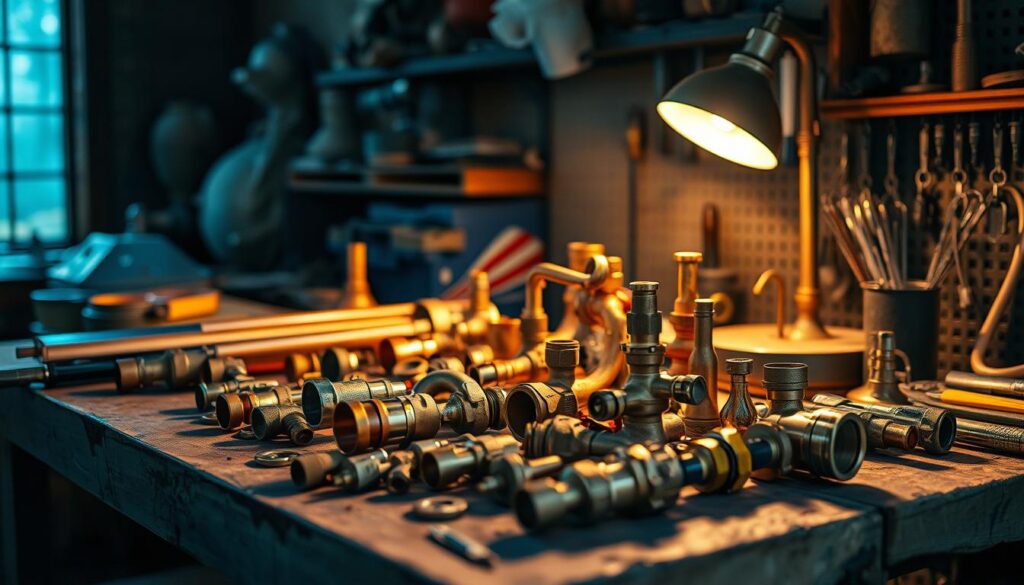
Copper is a top choice for plumbing because it’s durable and conducts well. The cost of copper plumbing varies from $2 to $4 per foot. This price can change a lot based on the market, the condition of the pipes, and the type of copper.
If you’re thinking about replacing old pipes or figuring out material costs, knowing copper’s value is important. Copper is great for recycling and always in demand. This makes copper plumbing a smart investment.
Key Takeaways
- Copper plumbing can retain up to 90% of its original value
- Average copper pipe costs range from $2 to $4 per linear foot
- Market conditions significantly impact copper plumbing value
- Copper is highly recyclable and maintains strong market demand
- Material grade and condition affect overall worth
Table of Contents
Understanding the Value of Copper Plumbing Materials
Copper plumbing materials are a big investment for homeowners and contractors. They have value beyond just plumbing. The scrap metal market offers chances to recycle and get some of your money back.
Types of Copper Grades in Plumbing
Copper plumbing has different grades that affect its value. Recyclers usually sort copper into two main grades:
- Grade #1 Copper: Clean, uncoated copper with little contamination
- Grade #2 Copper: Copper with some soldering, paint, or minor impurities
Factors Affecting Copper Pipe Values
Several things affect copper pipe values:
- Material purity
- Current market demand
- Local scrap metal prices
- Condition of the copper pipes
Current Market Rates for Copper Plumbing
Here’s a quick look at copper scrap values:
| Copper Grade | Price per Pound | Condition |
|---|---|---|
| Grade #1 Copper | $3.50 – $4.50 | Pristine, clean condition |
| Grade #2 Copper | $3.00 – $4.00 | Some impurities present |
The value of your copper plumbing depends on how well you take care of it. Knowing about grading systems helps you make smart choices about replacing or recycling.
How Much is Copper Plumbing Worth in Today’s Market
To figure out copper plumbing’s value, you need to know today’s market rates and scrap prices. The worth of copper plumbing changes based on several important factors. These factors directly affect its resale value.
Copper plumbing scrap prices usually fall between $2 to $4 per pound. This price depends on the material’s grade and condition. Metal recyclers and scrapyards look at specific criteria to evaluate copper:
- Type of copper material
- Cleanliness of the pipes
- Current market demand
- Regional metal recycling rates
Understanding copper grades is key to knowing its worth. Number 1 copper tubing, known as “clean copper tubing,” gets the highest prices. To be considered #1 copper, it must be:
- Free from soldering
- Without paint
- Completely free of other materials
| Copper Grade | Price per Pound | Condition Requirements |
|---|---|---|
| #1 Copper | $3.50 – $4.00 | Pristine, clean, no attachments |
| #2 Copper | $2.50 – $3.25 | Minor contamination, some attachments |
| Copper Wire | $2.00 – $3.00 | Requires stripping, clean metal |
Your local scrap yard or metal recycler can give you the most up-to-date copper prices. Prices change with global metal markets. So, always check current rates before selling your copper materials.
Initial Investment Costs of Copper Plumbing
Thinking about copper plumbing for your home? It’s important to know the total cost. Copper piping is a big upfront expense that needs careful planning. The copper piping scrap market shows that while it costs more at first, it lasts longer, making it a good investment.
Expect to spend between $2,000 and $4,000 for a full copper plumbing installation. This includes the cost of materials and professional labor. It’s pricier than other piping options.
Material Costs Breakdown
Copper plumbing materials are pricier than plastic ones. Here’s a detailed breakdown:
- Copper pipes: $2.50 – $4.00 per linear foot
- PEX pipes: $0.50 – $2.00 per linear foot
- PVC pipes: $0.25 – $1.50 per linear foot
Installation and Labor Expenses
Professional installation adds a lot to the cost of copper plumbing. Plumbers charge between $45 and $200 per hour. This depends on local rates and how complex the project is.
Comparing Alternative Materials
Even though copper plumbing scrap prices are good, other materials are cheaper at first:
- PEX Piping: Cheaper installation, more flexible
- PVC Piping: Most affordable option
- Copper Piping: Higher upfront cost, superior durability
“Invest in quality plumbing materials now to save on repairs later.” – Professional Plumbing Association
Your choice depends on your budget, long-term goals, and local building codes. Copper is a top choice for those who value quality and durability.
Factors That Influence Copper Plumbing Scrap Value
Understanding the value of scrap copper pipes involves knowing several key factors. The condition and grade of your copper plumbing materials greatly affect the salvage rates. Recycling centers look at several elements to determine the value of your scrap materials.
- Copper Condition: Clean copper pipes command higher prices
- Material Grade: Different copper grades have varying market values
- Current Market Demand: Fluctuating metal prices affect salvage rates
The cleanliness of your copper plumbing is a big factor in its scrap value. Pristine, unsoldered pipes typically fetch higher prices than those with a lot of solder or contamination.
| Copper Grade | Typical Scrap Value | Condition Requirements |
|---|---|---|
| #1 Copper | $3.80 – $4.50 per pound | Clean, no solder, minimal oxidation |
| #2 Copper | $3.60 – $4.00 per pound | Some soldering, light oxidation |
Scrap yards consider many factors when evaluating your copper plumbing. They look at the material’s purity, physical condition, and current market demand. All these factors help determine your final scrap copper pipe value.
“Not all copper is created equal – its value depends on its quality and market conditions.”
To get the best salvage rates for your copper plumbing, prepare your materials well. Remove any non-copper attachments, clean the pipes thoroughly, and separate different grades. This way, you’ll get the highest possible price.
Benefits of Recycling Copper Plumbing Materials
Recycling copper pipes is good for your wallet and the planet. It’s not just about making money. It’s also about helping the environment.
The prices for recycling copper tubing are great. This metal is valuable and can be recycled easily. It’s good for the economy and the planet.
Environmental Sustainability
Copper recycling is very good for the environment:
- It uses 85% less energy than making new copper.
- It reduces mining harm to nature.
- It cuts down on harmful gases.
- It saves natural resources.
Economic Advantages
Knowing the prices for recycling copper tubing helps a lot. You can turn old pipes into cash. Scrap yards pay well for clean, sorted copper.
Recycling Process Overview
The copper recycling process has a few main steps:
- Collecting copper pipes from various sources.
- Sorting and grading the copper.
- Cleaning and preparing the pipes for melting.
- Melting and shaping the copper into new products.
Choosing to recycle copper pipes helps you make money. It also supports a sustainable economy for all.
Where to Sell Your Copper Plumbing for Best Prices
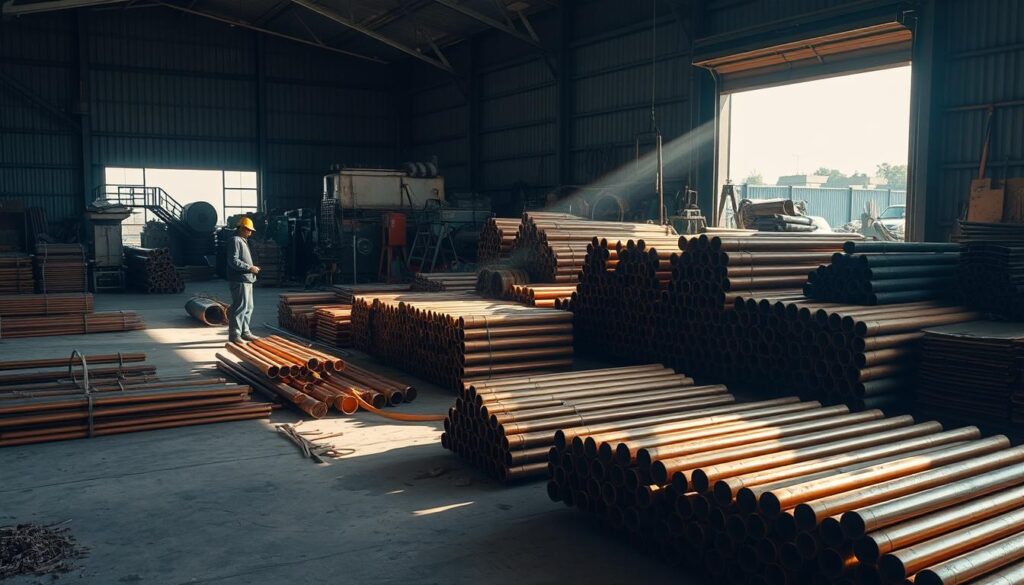
Finding the right buyer is key when selling used copper plumbing. Look into local scrap yards and recycling centers to get the best prices. This can really boost your earnings.
Begin by checking out different places to sell your copper plumbing. Local recycling centers usually offer good rates. Prices depend on the copper’s condition and quality. Make sure to check current copper tubing prices to get a fair deal.
- Verify the reputation of scrap buyers
- Clean and sort your copper before selling
- Compare prices from various recycling centers
- Know the value of different copper grades
Getting ready to sell copper plumbing scrap is important. Remove any non-copper attachments and sort copper by grade. This way, you can earn more. Scrap yards like well-organized materials and may pay more for them.
Here are some top places to sell your copper plumbing:
- Local scrap metal recycling centers
- Metal recycling businesses
- Online metal buying platforms
- Specialized copper recycling facilities
Before you sell, ask about their current prices and what they need. Some buyers have specific rules about the copper they buy.
Testing and Identifying Valuable Copper Plumbing
Learning how to spot and value copper plumbing can really boost its worth. Scrap yards and recyclers use special methods to check the quality and value of copper.
There are a few main ways to figure out the copper pipe value per pound.
Visual Inspection Techniques
Looking at copper can tell you a lot about its quality and value. Here are some important things to look for:
- Pure copper has a unique reddish-brown color
- Oxidized copper shows a green patina
- Materials with bright, clean surfaces are usually of higher quality
Physical Testing Methods
Physical tests can also confirm if copper is real and of good quality. Experts say there are a few reliable tests:
- Magnet Test: Real copper doesn’t stick to magnets. If it does, it might have other metals
- Scratch Test: A scratch should show a bright orange-red inside, meaning it’s pure copper
| Copper Grade | Visual Characteristics | Estimated Value per Pound |
|---|---|---|
| Bare Bright Copper | Clean, untarnished surface | $4.00 |
| No. 1 Copper | Minimal oxidation, clean | $3.67 |
| No. 2 Copper | Some oxidation, less clean | $3.22 |
“Accurate identification is key to maximizing your copper’s value.” – Metal Recycling Experts
By learning these testing methods, you can better judge and sell your copper plumbing for good prices.
Tips for Maximizing Your Copper Plumbing’s Worth
To know how much copper plumbing is worth, you need a good plan and smart selling tips. The copper piping scrap market is full of chances for those who put in the effort to prepare their materials well.
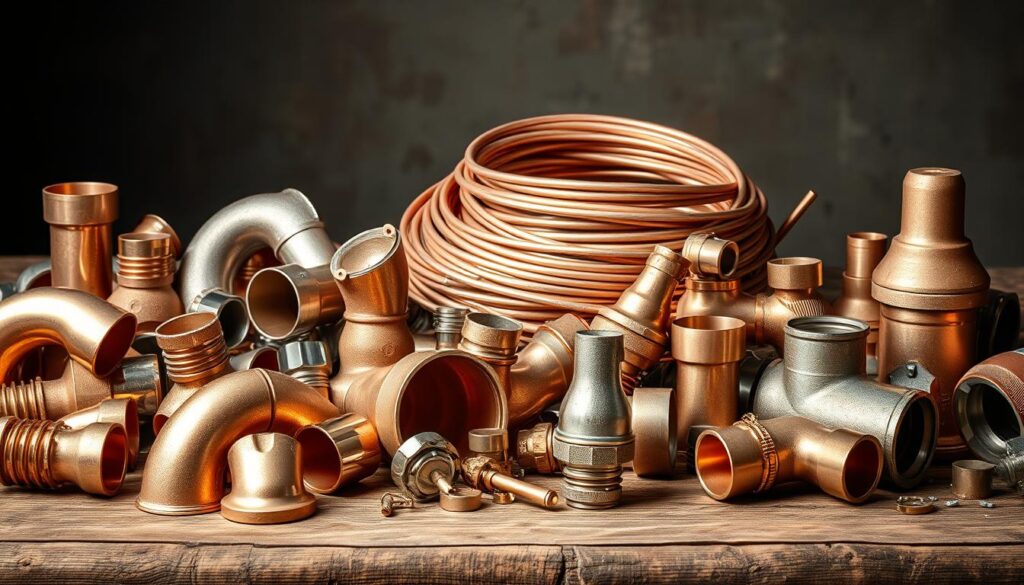
- Clean copper thoroughly by removing all insulation, solder, and external coatings
- Sort copper pipes by grade and quality before selling
- Accumulate larger quantities to negotiate better prices
- Track current copper piping scrap market trends
Scrap yards grade copper differently, affecting its worth. Bare bright copper gets the highest prices. But, copper that’s contaminated or mixed gets much less.
“The cleaner your copper, the more money you’ll receive” – Scrap Metal Recycling Experts
Knowing about copper grades can increase your earnings. Here’s a quick guide to copper classifications:
| Copper Grade | Description | Typical Price Range |
|---|---|---|
| Bare Bright Copper | Clean, uncoated copper with no oxidation | Highest rate |
| #1 Copper | Clean, no paint or significant contamination | High rate |
| #2 Copper | Contains minor contamination | Moderate rate |
When you sell can also affect your earnings. Check metal prices and sell when they’re high to get the most from your copper plumbing.
Conclusion
Your copper plumbing is more than just pipes. It lasts about 50 years, beating PVC and PEX. Knowing about copper recycling prices helps you make better choices for your home.
Selling used copper plumbing is more than quick cash. It’s a step towards caring for your home in a green way. Copper’s durability and recyclability help you manage your plumbing and support the environment.
Copper plumbing is a wise choice for the long run. It’s strong, can be recycled, and always in demand. Keeping up with recycling rates and market trends helps you get the most from your copper.
Your copper plumbing is a valuable asset. It’s not just for now but for future upgrades too. Understanding copper’s worth leads to better, greener home improvements.