

Affiliate Disclosure
Plumber Guide Guys is a participant in the Amazon Services LLC Associates Program, an affiliate advertising program designed to provide a means for sites to earn advertising fees by advertising and linking to Amazon.
How Much for Plumbing New House? Did you know plumbing can take up to 15% of your new home budget? Knowing the plumbing costs is key for those building their dream home.
Calculating plumbing costs involves many factors. This includes pipe materials and labor. The complexity of your plumbing system greatly affects your budget.
This guide will cover all you need to know about plumbing costs. It aims to help you make smart choices and avoid surprises in your home project.
Key Takeaways
- Plumbing costs vary widely based on home size and complexity
- Material selection significantly impacts overall plumbing expenses
- Professional installation is critical for long-term system reliability
- Budgeting for unexpected costs is recommended
- Energy-efficient solutions can provide long-term savings
Table of Contents
Understanding Plumbing System Basics
Your home’s plumbing system is a complex network. It ensures clean water delivery and waste removal. Knowing about residential plumbing expenses and pricing can help you make smart choices for your home.
A residential plumbing system has several key parts. These parts work together to provide water services. They manage water supply, drainage, and keep your home comfortable.
Core Components of Residential Plumbing
- Water supply pipes
- Drainage pipes
- Fixtures (sinks, toilets, showers)
- Water heaters
- Valves and connections
Types of Plumbing Installations
Plumbing installation costs vary based on the project type. Homeowners usually face three main scenarios:
- New construction installations
- Retrofit or replacement projects
- Renovation and expansion work
Water Supply and Drainage Systems
Your home has two main systems: water supply and drainage. The water supply system brings fresh water in. The drainage system removes wastewater safely and efficiently.
Knowing about these systems helps manage plumbing costs. It ensures your home’s plumbing works well. A professional can give you detailed advice on your plumbing needs.
How Much for Plumbing New House: Complete Cost Breakdown
Understanding the plumbing costs for a new home can be daunting. The cost to plumb a new house varies from $4,000 to $15,000. This depends on several important factors.
When figuring out plumbing costs for a new house, consider a few key things:
- Total square footage of the home
- Number of bathrooms and fixtures
- Pipe material selections
- Local labor rates
- Complexity of the plumbing design
Residential plumbing costs fall into main categories:
- Material Costs: Pipes, fixtures, and connecting hardware
- Labor Expenses: Professional installation and technical expertise
- Permit Fees: Local government documentation requirements
“Your new home plumbing budget should include a 10-15% contingency for unexpected challenges,” recommends professional plumbing contractors.
Professional plumbers suggest detailed planning to manage your plumbing budget well. Researching local rates and getting multiple quotes helps you understand costs. This way, you can make smart choices for your plumbing project.
Factors Affecting New Construction Plumbing Costs
Knowing what affects new construction plumbing costs helps you plan better for your home. Plumbing costs vary based on several important factors.
When planning your home’s plumbing, several key aspects will impact your overall expenses:
Labor and Material Expenses
Plumbing contractor rates change with the market. Your total cost depends on:
- Current raw material prices
- Skilled labor availability
- Complexity of installation
- Quality of selected materials
Geographic Location Impact
The location of your home greatly affects plumbing costs. Different areas have:
- Labor market rates
- Material transportation expenses
- Local building code requirements
- Economic conditions
States like California, Alaska, and Hawaii typically experience higher construction costs compared to midwest regions.
Building Size and Complexity
Your home’s design affects plumbing costs. Larger or more complex homes need:
- More pipe lengths
- Additional fixture installations
- Complex routing strategies
- Advanced drainage systems
Talking to experienced plumbing contractors can help you understand these costs. They can help you plan a better budget for your project.
Average Plumbing Installation Costs by Room
When planning a new home or renovation, knowing plumbing costs is key. The cost to plumb a house changes a lot based on the room and its needs.
Every room in your home has its own plumbing challenges and costs. Bathrooms and kitchens need the most work because they have many fixtures and complex water systems.
| Room Type | Average Plumbing Installation Cost | Key Fixtures |
|---|---|---|
| Kitchen | $1,000 – $1,800 | Sink, Dishwasher, Refrigerator Water Line |
| Bathroom | $800 – $1,500 | Toilet, Shower, Sink, Bathtub |
| Laundry Room | $500 – $1,000 | Washing Machine, Utility Sink |
Several factors affect your plumbing installation costs:
- Number of fixtures in each room
- Complexity of pipe routing
- Material quality of pipes and fixtures
- Local labor rates
Pro tip: Always budget for unexpected complications when calculating the average cost to plumb a house. Professional plumbers recommend adding a 10-15% contingency to your initial estimate.
Material Costs for New Home Plumbing
When planning your new home plumbing budget, it’s important to think about material costs. The right materials can greatly affect your plumbing costs and the total project cost. Knowing your options helps you choose wisely, balancing quality and price.
There are several key options to consider for your plumbing materials:
- Copper piping: Premium but durable option
- PVC pipes: Cost-effective and lightweight
- PEX tubing: Flexible and relatively inexpensive
Pipe Materials and Pricing
Each pipe material has its own price. Copper pipes cost $2-$5 per foot. PVC pipes are cheaper, at $0.50-$1 per foot. PEX tubing is a good middle choice, priced at $1-$3 per foot.
“Your material choice can save or cost thousands in your plumbing installation” – Professional Plumbing Association
Fixture and Fitting Expenses
Fixtures are also key to your plumbing costs. Basic bathroom fixtures cost $100-$500. High-end ones can be over $1,500. Kitchen sinks and faucets add $200-$800 to your total.
Additional Hardware Costs
Don’t forget about extra hardware like valves and connectors. These small parts can cost $200-$500. Choosing wisely helps keep your plumbing budget in check.
Labor Costs and Professional Fees
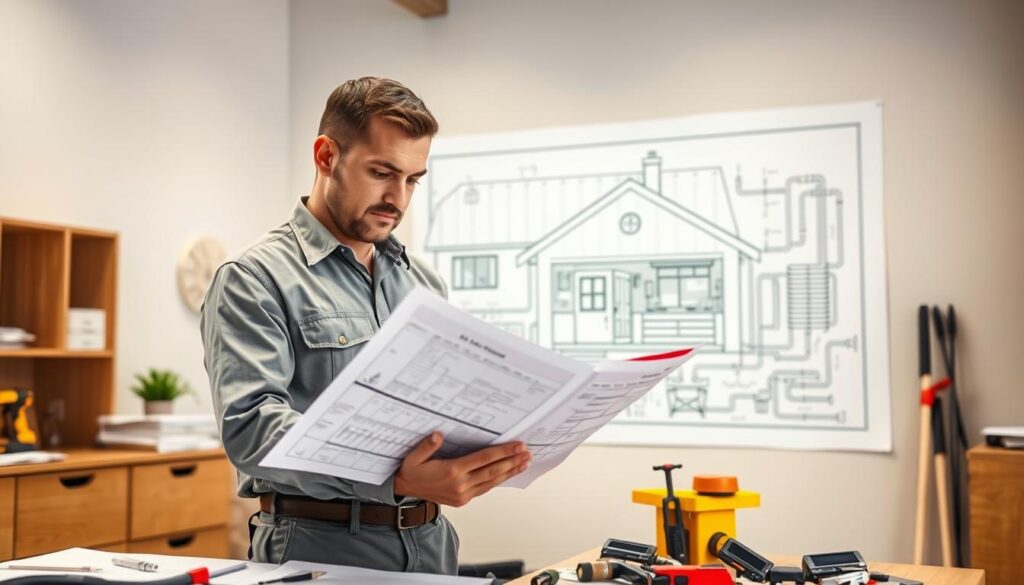
When planning your new construction plumbing costs, knowing the rates is key. Plumbers charge based on the job’s complexity, their skill level, and where they are located.
Plumbing labor costs can be a big part of your budget. Plumbers use different ways to figure out their rates:
- Hourly rates ranging from $45 to $200 per hour
- Flat project rates for entire new construction plumbing installations
- Per-square-foot pricing for all plumbing work
Several factors affect your plumbing contractor rates:
- Complexity of plumbing system design
- Size and layout of your new home
- Local labor market conditions
- Specialized skills needed for unique installations
“Investing in experienced professionals ensures quality workmanship and long-term reliability in your home’s plumbing infrastructure.”
Professional fees might also include extra services. These can be plumbing design consultations, blueprint reviews, and compliance inspections. These services can add to your costs but are important for a successful project.
Permits and Inspection Requirements
Understanding permits and inspections is key when dealing with new build plumbing costs. These rules protect homeowners and make sure your plumbing meets safety and local standards.
Building permits are a must for any plumbing job. They let you start construction, knowing your project follows local building codes. The cost for these permits varies, from $400 to $2,200, based on where you are and how complex your project is.
Local Building Code Compliance
Your local government needs certain documents for plumbing permits. You’ll have to provide detailed plans that show:
- Precise plumbing system layout
- Material specifications
- Compliance with local water and drainage rules
- Inspection checkpoint needs
Inspection Standards
Professional inspectors will check your plumbing at different stages. They look for critical safety elements like correct pipe installation, water pressure, and drainage system integrity. Not getting the right permits can lead to big fines and even stopping your project.
To make the permit process easier, visit your local building department or check their online resources at building permit guidelines. There, you’ll find all you need to know about plumbing costs and permit rules.
Pro Tip: Always budget for permit costs in your initial plumbing project planning to avoid unexpected financial surprises.
Planning Your Plumbing Budget
Creating a new home plumbing budget needs careful thought and planning ahead. Your budget should cover both expected and unexpected costs. This ensures you’re financially ready for anything.
When planning your plumbing budget, keep these tips in mind:
- Set aside about 15% of your total construction budget for plumbing costs
- Get quotes from certified plumbing contractors
- Have a contingency fund for unexpected issues
- Focus on essential plumbing features first
A detailed house plumbing price estimate looks at several important parts. Begin by breaking down costs into different areas:
- Material expenses: This includes pipes, fixtures, and necessary hardware
- Labor costs: This covers professional installation and technical skills
- Permit and inspection fees: These are for local rules and checks
- Potential modifications: This is for any unexpected changes in structure or design
To make the most of your plumbing budget, work well with your plumbing contractor. Talk about ways to save money and choose energy-efficient options. These can lower costs over time while ensuring quality work.
“Smart budgeting isn’t about spending less, but spending wisely on your home’s essential infrastructure.”
Energy-Efficient Plumbing Solutions
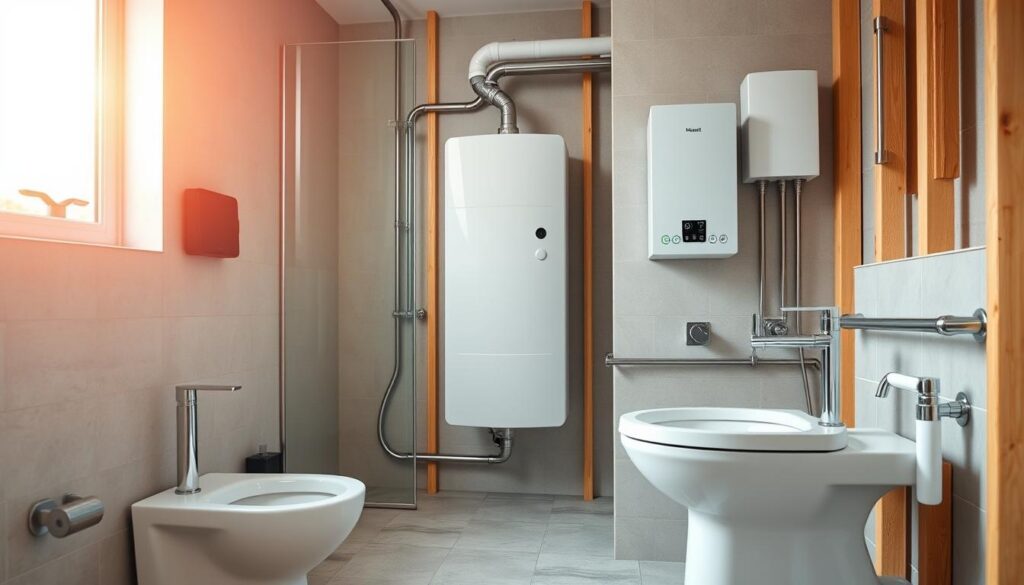
When you’re planning your new construction plumbing, think about energy-efficient options. These can cut down on long-term costs. Today’s plumbing prices include new tech that saves money and helps the planet.
Smart homeowners are choosing the latest plumbing tech to cut energy use. These choices don’t just lower bills. They also boost your home’s value and eco-friendliness.
- Tankless Water Heaters: Give hot water when you need it, saving energy
- Low-flow fixtures that use less water
- Insulated pipes to lose less heat
- Solar water heating systems
- Greywater recycling systems
“Energy-efficient plumbing is an investment in your home’s future sustainability and cost-effectiveness.” – Green Building Expert
These advanced systems might cost more upfront. But, they save a lot of money over time. By choosing energy-efficient plumbing in new construction, you could save hundreds a year on bills.
It’s wise to talk to a pro plumber who knows green building tech. They can create a plumbing system that’s cost-effective now and saves energy later.
Timeline for New House Plumbing Installation
Planning the plumbing installation for a new house is key. It’s all about how well you manage each step. Knowing the typical process helps you avoid delays and stay on schedule.
Plumbing work has a clear order that fits with other construction tasks. It takes teamwork between different trades to get it right.
Project Phases Breakdown
- Pre-Construction Planning: Design and blueprint review
- Underground Rough-In: Sewer and water main connections
- Framing Stage Rough-In: Initial pipe installations
- Mechanical Systems Integration
- Final Fixture Installation
Common Delays and Strategic Solutions
| Potential Delay | Mitigation Strategy |
|---|---|
| Material Shortages | Advanced ordering and multiple supplier relationships |
| Permit Processing | Early application and proactive follow-up |
| Weather Complications | Flexible scheduling and indoor preparation work |
“Successful plumbing installation is about precision, planning, and adaptability.” – Professional Plumbing Contractor
Choosing skilled professionals is vital. They know how to handle the plumbing timeline and any issues that come up.
Choosing the Right Plumbing Contractor
Finding the right plumbing contractor for your new home is key. It ensures your plumbing system works well and lasts long. Your choice affects your home’s plumbing quality and life.
When looking at plumbing contractors, keep these points in mind:
- Make sure they are licensed and certified
- Check if they have full insurance
- Ask for examples of their past work
- Look at what others say about them online
It’s important to research plumbing contractor prices. Don’t just pick the cheapest one. Good work is worth the cost, showing they know what they’re doing.
“A skilled plumber protects your home’s most critical infrastructure.”
Here are key steps to choose a contractor:
- Get several detailed quotes
- Compare what they plan to do
- See how well they communicate and act professionally
- Make sure they know how to handle new homes
Choose contractors who are clear about costs, know local rules, and have done good work before. Your careful choice will protect your money and give you a great plumbing system.
Conclusion
When planning plumbing for a new house, knowing the average cost is key for budgeting. Your total cost will depend on several factors. These include the size of your home, the materials you choose, and local labor rates.
The cost for plumbing in new homes can vary a lot. Most homeowners spend between $4,000 and $15,000 for a full system. This range shows how different costs can be.
The cost to plumb a new house depends on smart planning and expert advice. Homeowners who invest in quality plumbing save a lot on repairs later. Choosing energy-efficient options and working with certified pros is wise.
Creating a strong plumbing system is a big investment in your home. By picking the right materials, following local codes, and choosing experienced contractors, you get a system that works well. It also saves water and lasts long.
Remember, the cost of plumbing is just part of your home’s plumbing plan. It’s about more than just the money.
For successful plumbing in a new home, do your research, plan your budget well, and work with skilled pros. Your hard work will pay off with a plumbing system that keeps your home comfortable and functional for years.
FAQ
What is the average cost of plumbing for a new house?
How do different piping materials affect plumbing costs?
What is the average cost of plumbing for a new house?
How do different piping materials affect plumbing costs?
FAQ
What is the average cost of plumbing for a new house?
Plumbing for a new house costs between ,000 and ,000. This depends on the house size, location, and plumbing system complexity. For a 2,000 square foot home, expect to spend ,000 to ,000.
How do different piping materials affect plumbing costs?
The cost of plumbing changes with piping materials. Copper pipes cost to per foot. PEX pipes are cheaper at
FAQ
What is the average cost of plumbing for a new house?
Plumbing for a new house costs between $4,000 and $15,000. This depends on the house size, location, and plumbing system complexity. For a 2,000 square foot home, expect to spend $8,000 to $12,000.
How do different piping materials affect plumbing costs?
The cost of plumbing changes with piping materials. Copper pipes cost $2 to $5 per foot. PEX pipes are cheaper at $1 to $3 per foot. PVC pipes are the least expensive at $0.50 to $1 per foot.
What factors influence the total plumbing installation cost?
Several factors impact plumbing costs. These include house size, bathroom number, plumbing design complexity, and local labor rates. Material choices and location also play a role. Additional costs come from fixtures, water systems, and unique architectural needs.
How much do bathroom plumbing installations typically cost?
Bathroom plumbing costs range from $1,500 to $5,000 per bathroom. Costs vary by fixture number, layout complexity, and material quality. Adding sinks, showers, or special fixtures increases the cost.
Are there ways to reduce plumbing installation costs?
Yes, to cut costs, get quotes from different contractors. Choose affordable materials like PEX. Limit fixtures and plan an efficient layout. Installing during off-peak seasons can also save money.
What permits are typically required for new home plumbing?
Most places need plumbing permits for new homes. These include permits for water, drainage, and fixtures. Costs range from $50 to $500, based on your area and plumbing system complexity.
How long does plumbing installation take in a new house?
Plumbing for a new house takes 1-2 weeks, depending on size and complexity. The process includes rough-in, pipe installation, fixture placement, and connections. Larger homes might need 3-4 weeks.
What are the most energy-efficient plumbing options?
Energy-saving options include tankless water heaters, low-flow fixtures, and greywater systems. These may cost more upfront but save water and energy over time. Tankless water heaters can cut costs by up to 30%.
How do I choose a reliable plumbing contractor?
Choose a contractor by checking their license and insurance. Look at online reviews and ask for references. Ensure they know local codes and provide detailed estimates. Quality and reliability are more important than the lowest price.
What additional costs should I budget for in plumbing installation?
Budget for extra costs like repairs, energy-efficient upgrades, and specialized fixtures. Also, include a 10-20% contingency fund for unexpected expenses during installation.
to per foot. PVC pipes are the least expensive at
FAQ
What is the average cost of plumbing for a new house?
Plumbing for a new house costs between $4,000 and $15,000. This depends on the house size, location, and plumbing system complexity. For a 2,000 square foot home, expect to spend $8,000 to $12,000.
How do different piping materials affect plumbing costs?
The cost of plumbing changes with piping materials. Copper pipes cost $2 to $5 per foot. PEX pipes are cheaper at $1 to $3 per foot. PVC pipes are the least expensive at $0.50 to $1 per foot.
What factors influence the total plumbing installation cost?
Several factors impact plumbing costs. These include house size, bathroom number, plumbing design complexity, and local labor rates. Material choices and location also play a role. Additional costs come from fixtures, water systems, and unique architectural needs.
How much do bathroom plumbing installations typically cost?
Bathroom plumbing costs range from $1,500 to $5,000 per bathroom. Costs vary by fixture number, layout complexity, and material quality. Adding sinks, showers, or special fixtures increases the cost.
Are there ways to reduce plumbing installation costs?
Yes, to cut costs, get quotes from different contractors. Choose affordable materials like PEX. Limit fixtures and plan an efficient layout. Installing during off-peak seasons can also save money.
What permits are typically required for new home plumbing?
Most places need plumbing permits for new homes. These include permits for water, drainage, and fixtures. Costs range from $50 to $500, based on your area and plumbing system complexity.
How long does plumbing installation take in a new house?
Plumbing for a new house takes 1-2 weeks, depending on size and complexity. The process includes rough-in, pipe installation, fixture placement, and connections. Larger homes might need 3-4 weeks.
What are the most energy-efficient plumbing options?
Energy-saving options include tankless water heaters, low-flow fixtures, and greywater systems. These may cost more upfront but save water and energy over time. Tankless water heaters can cut costs by up to 30%.
How do I choose a reliable plumbing contractor?
Choose a contractor by checking their license and insurance. Look at online reviews and ask for references. Ensure they know local codes and provide detailed estimates. Quality and reliability are more important than the lowest price.
What additional costs should I budget for in plumbing installation?
Budget for extra costs like repairs, energy-efficient upgrades, and specialized fixtures. Also, include a 10-20% contingency fund for unexpected expenses during installation.
FAQ
What is the average cost of plumbing for a new house?
Plumbing for a new house costs between ,000 and ,000. This depends on the house size, location, and plumbing system complexity. For a 2,000 square foot home, expect to spend ,000 to ,000.
How do different piping materials affect plumbing costs?
The cost of plumbing changes with piping materials. Copper pipes cost to per foot. PEX pipes are cheaper at
FAQ
What is the average cost of plumbing for a new house?
Plumbing for a new house costs between $4,000 and $15,000. This depends on the house size, location, and plumbing system complexity. For a 2,000 square foot home, expect to spend $8,000 to $12,000.
How do different piping materials affect plumbing costs?
The cost of plumbing changes with piping materials. Copper pipes cost $2 to $5 per foot. PEX pipes are cheaper at $1 to $3 per foot. PVC pipes are the least expensive at $0.50 to $1 per foot.
What factors influence the total plumbing installation cost?
Several factors impact plumbing costs. These include house size, bathroom number, plumbing design complexity, and local labor rates. Material choices and location also play a role. Additional costs come from fixtures, water systems, and unique architectural needs.
How much do bathroom plumbing installations typically cost?
Bathroom plumbing costs range from $1,500 to $5,000 per bathroom. Costs vary by fixture number, layout complexity, and material quality. Adding sinks, showers, or special fixtures increases the cost.
Are there ways to reduce plumbing installation costs?
Yes, to cut costs, get quotes from different contractors. Choose affordable materials like PEX. Limit fixtures and plan an efficient layout. Installing during off-peak seasons can also save money.
What permits are typically required for new home plumbing?
Most places need plumbing permits for new homes. These include permits for water, drainage, and fixtures. Costs range from $50 to $500, based on your area and plumbing system complexity.
How long does plumbing installation take in a new house?
Plumbing for a new house takes 1-2 weeks, depending on size and complexity. The process includes rough-in, pipe installation, fixture placement, and connections. Larger homes might need 3-4 weeks.
What are the most energy-efficient plumbing options?
Energy-saving options include tankless water heaters, low-flow fixtures, and greywater systems. These may cost more upfront but save water and energy over time. Tankless water heaters can cut costs by up to 30%.
How do I choose a reliable plumbing contractor?
Choose a contractor by checking their license and insurance. Look at online reviews and ask for references. Ensure they know local codes and provide detailed estimates. Quality and reliability are more important than the lowest price.
What additional costs should I budget for in plumbing installation?
Budget for extra costs like repairs, energy-efficient upgrades, and specialized fixtures. Also, include a 10-20% contingency fund for unexpected expenses during installation.
to per foot. PVC pipes are the least expensive at
FAQ
What is the average cost of plumbing for a new house?
Plumbing for a new house costs between $4,000 and $15,000. This depends on the house size, location, and plumbing system complexity. For a 2,000 square foot home, expect to spend $8,000 to $12,000.
How do different piping materials affect plumbing costs?
The cost of plumbing changes with piping materials. Copper pipes cost $2 to $5 per foot. PEX pipes are cheaper at $1 to $3 per foot. PVC pipes are the least expensive at $0.50 to $1 per foot.
What factors influence the total plumbing installation cost?
Several factors impact plumbing costs. These include house size, bathroom number, plumbing design complexity, and local labor rates. Material choices and location also play a role. Additional costs come from fixtures, water systems, and unique architectural needs.
How much do bathroom plumbing installations typically cost?
Bathroom plumbing costs range from $1,500 to $5,000 per bathroom. Costs vary by fixture number, layout complexity, and material quality. Adding sinks, showers, or special fixtures increases the cost.
Are there ways to reduce plumbing installation costs?
Yes, to cut costs, get quotes from different contractors. Choose affordable materials like PEX. Limit fixtures and plan an efficient layout. Installing during off-peak seasons can also save money.
What permits are typically required for new home plumbing?
Most places need plumbing permits for new homes. These include permits for water, drainage, and fixtures. Costs range from $50 to $500, based on your area and plumbing system complexity.
How long does plumbing installation take in a new house?
Plumbing for a new house takes 1-2 weeks, depending on size and complexity. The process includes rough-in, pipe installation, fixture placement, and connections. Larger homes might need 3-4 weeks.
What are the most energy-efficient plumbing options?
Energy-saving options include tankless water heaters, low-flow fixtures, and greywater systems. These may cost more upfront but save water and energy over time. Tankless water heaters can cut costs by up to 30%.
How do I choose a reliable plumbing contractor?
Choose a contractor by checking their license and insurance. Look at online reviews and ask for references. Ensure they know local codes and provide detailed estimates. Quality and reliability are more important than the lowest price.
What additional costs should I budget for in plumbing installation?
Budget for extra costs like repairs, energy-efficient upgrades, and specialized fixtures. Also, include a 10-20% contingency fund for unexpected expenses during installation.
FAQ
What is the average cost of plumbing for a new house?
Plumbing for a new house costs between ,000 and ,000. This depends on the house size, location, and plumbing system complexity. For a 2,000 square foot home, expect to spend ,000 to ,000.
How do different piping materials affect plumbing costs?
The cost of plumbing changes with piping materials. Copper pipes cost to per foot. PEX pipes are cheaper at
FAQ
What is the average cost of plumbing for a new house?
Plumbing for a new house costs between $4,000 and $15,000. This depends on the house size, location, and plumbing system complexity. For a 2,000 square foot home, expect to spend $8,000 to $12,000.
How do different piping materials affect plumbing costs?
The cost of plumbing changes with piping materials. Copper pipes cost $2 to $5 per foot. PEX pipes are cheaper at $1 to $3 per foot. PVC pipes are the least expensive at $0.50 to $1 per foot.
What factors influence the total plumbing installation cost?
Several factors impact plumbing costs. These include house size, bathroom number, plumbing design complexity, and local labor rates. Material choices and location also play a role. Additional costs come from fixtures, water systems, and unique architectural needs.
How much do bathroom plumbing installations typically cost?
Bathroom plumbing costs range from $1,500 to $5,000 per bathroom. Costs vary by fixture number, layout complexity, and material quality. Adding sinks, showers, or special fixtures increases the cost.
Are there ways to reduce plumbing installation costs?
Yes, to cut costs, get quotes from different contractors. Choose affordable materials like PEX. Limit fixtures and plan an efficient layout. Installing during off-peak seasons can also save money.
What permits are typically required for new home plumbing?
Most places need plumbing permits for new homes. These include permits for water, drainage, and fixtures. Costs range from $50 to $500, based on your area and plumbing system complexity.
How long does plumbing installation take in a new house?
Plumbing for a new house takes 1-2 weeks, depending on size and complexity. The process includes rough-in, pipe installation, fixture placement, and connections. Larger homes might need 3-4 weeks.
What are the most energy-efficient plumbing options?
Energy-saving options include tankless water heaters, low-flow fixtures, and greywater systems. These may cost more upfront but save water and energy over time. Tankless water heaters can cut costs by up to 30%.
How do I choose a reliable plumbing contractor?
Choose a contractor by checking their license and insurance. Look at online reviews and ask for references. Ensure they know local codes and provide detailed estimates. Quality and reliability are more important than the lowest price.
What additional costs should I budget for in plumbing installation?
Budget for extra costs like repairs, energy-efficient upgrades, and specialized fixtures. Also, include a 10-20% contingency fund for unexpected expenses during installation.
to per foot. PVC pipes are the least expensive at
FAQ
What is the average cost of plumbing for a new house?
Plumbing for a new house costs between $4,000 and $15,000. This depends on the house size, location, and plumbing system complexity. For a 2,000 square foot home, expect to spend $8,000 to $12,000.
How do different piping materials affect plumbing costs?
The cost of plumbing changes with piping materials. Copper pipes cost $2 to $5 per foot. PEX pipes are cheaper at $1 to $3 per foot. PVC pipes are the least expensive at $0.50 to $1 per foot.
What factors influence the total plumbing installation cost?
Several factors impact plumbing costs. These include house size, bathroom number, plumbing design complexity, and local labor rates. Material choices and location also play a role. Additional costs come from fixtures, water systems, and unique architectural needs.
How much do bathroom plumbing installations typically cost?
Bathroom plumbing costs range from $1,500 to $5,000 per bathroom. Costs vary by fixture number, layout complexity, and material quality. Adding sinks, showers, or special fixtures increases the cost.
Are there ways to reduce plumbing installation costs?
Yes, to cut costs, get quotes from different contractors. Choose affordable materials like PEX. Limit fixtures and plan an efficient layout. Installing during off-peak seasons can also save money.
What permits are typically required for new home plumbing?
Most places need plumbing permits for new homes. These include permits for water, drainage, and fixtures. Costs range from $50 to $500, based on your area and plumbing system complexity.
How long does plumbing installation take in a new house?
Plumbing for a new house takes 1-2 weeks, depending on size and complexity. The process includes rough-in, pipe installation, fixture placement, and connections. Larger homes might need 3-4 weeks.
What are the most energy-efficient plumbing options?
Energy-saving options include tankless water heaters, low-flow fixtures, and greywater systems. These may cost more upfront but save water and energy over time. Tankless water heaters can cut costs by up to 30%.
How do I choose a reliable plumbing contractor?
Choose a contractor by checking their license and insurance. Look at online reviews and ask for references. Ensure they know local codes and provide detailed estimates. Quality and reliability are more important than the lowest price.
What additional costs should I budget for in plumbing installation?
Budget for extra costs like repairs, energy-efficient upgrades, and specialized fixtures. Also, include a 10-20% contingency fund for unexpected expenses during installation.
What factors influence the total plumbing installation cost?
How much do bathroom plumbing installations typically cost?
FAQ
What is the average cost of plumbing for a new house?
Plumbing for a new house costs between ,000 and ,000. This depends on the house size, location, and plumbing system complexity. For a 2,000 square foot home, expect to spend ,000 to ,000.
How do different piping materials affect plumbing costs?
The cost of plumbing changes with piping materials. Copper pipes cost to per foot. PEX pipes are cheaper at
FAQ
What is the average cost of plumbing for a new house?
Plumbing for a new house costs between $4,000 and $15,000. This depends on the house size, location, and plumbing system complexity. For a 2,000 square foot home, expect to spend $8,000 to $12,000.
How do different piping materials affect plumbing costs?
The cost of plumbing changes with piping materials. Copper pipes cost $2 to $5 per foot. PEX pipes are cheaper at $1 to $3 per foot. PVC pipes are the least expensive at $0.50 to $1 per foot.
What factors influence the total plumbing installation cost?
Several factors impact plumbing costs. These include house size, bathroom number, plumbing design complexity, and local labor rates. Material choices and location also play a role. Additional costs come from fixtures, water systems, and unique architectural needs.
How much do bathroom plumbing installations typically cost?
Bathroom plumbing costs range from $1,500 to $5,000 per bathroom. Costs vary by fixture number, layout complexity, and material quality. Adding sinks, showers, or special fixtures increases the cost.
Are there ways to reduce plumbing installation costs?
Yes, to cut costs, get quotes from different contractors. Choose affordable materials like PEX. Limit fixtures and plan an efficient layout. Installing during off-peak seasons can also save money.
What permits are typically required for new home plumbing?
Most places need plumbing permits for new homes. These include permits for water, drainage, and fixtures. Costs range from $50 to $500, based on your area and plumbing system complexity.
How long does plumbing installation take in a new house?
Plumbing for a new house takes 1-2 weeks, depending on size and complexity. The process includes rough-in, pipe installation, fixture placement, and connections. Larger homes might need 3-4 weeks.
What are the most energy-efficient plumbing options?
Energy-saving options include tankless water heaters, low-flow fixtures, and greywater systems. These may cost more upfront but save water and energy over time. Tankless water heaters can cut costs by up to 30%.
How do I choose a reliable plumbing contractor?
Choose a contractor by checking their license and insurance. Look at online reviews and ask for references. Ensure they know local codes and provide detailed estimates. Quality and reliability are more important than the lowest price.
What additional costs should I budget for in plumbing installation?
Budget for extra costs like repairs, energy-efficient upgrades, and specialized fixtures. Also, include a 10-20% contingency fund for unexpected expenses during installation.
to per foot. PVC pipes are the least expensive at
FAQ
What is the average cost of plumbing for a new house?
Plumbing for a new house costs between $4,000 and $15,000. This depends on the house size, location, and plumbing system complexity. For a 2,000 square foot home, expect to spend $8,000 to $12,000.
How do different piping materials affect plumbing costs?
The cost of plumbing changes with piping materials. Copper pipes cost $2 to $5 per foot. PEX pipes are cheaper at $1 to $3 per foot. PVC pipes are the least expensive at $0.50 to $1 per foot.
What factors influence the total plumbing installation cost?
Several factors impact plumbing costs. These include house size, bathroom number, plumbing design complexity, and local labor rates. Material choices and location also play a role. Additional costs come from fixtures, water systems, and unique architectural needs.
How much do bathroom plumbing installations typically cost?
Bathroom plumbing costs range from $1,500 to $5,000 per bathroom. Costs vary by fixture number, layout complexity, and material quality. Adding sinks, showers, or special fixtures increases the cost.
Are there ways to reduce plumbing installation costs?
Yes, to cut costs, get quotes from different contractors. Choose affordable materials like PEX. Limit fixtures and plan an efficient layout. Installing during off-peak seasons can also save money.
What permits are typically required for new home plumbing?
Most places need plumbing permits for new homes. These include permits for water, drainage, and fixtures. Costs range from $50 to $500, based on your area and plumbing system complexity.
How long does plumbing installation take in a new house?
Plumbing for a new house takes 1-2 weeks, depending on size and complexity. The process includes rough-in, pipe installation, fixture placement, and connections. Larger homes might need 3-4 weeks.
What are the most energy-efficient plumbing options?
Energy-saving options include tankless water heaters, low-flow fixtures, and greywater systems. These may cost more upfront but save water and energy over time. Tankless water heaters can cut costs by up to 30%.
How do I choose a reliable plumbing contractor?
Choose a contractor by checking their license and insurance. Look at online reviews and ask for references. Ensure they know local codes and provide detailed estimates. Quality and reliability are more important than the lowest price.
What additional costs should I budget for in plumbing installation?
Budget for extra costs like repairs, energy-efficient upgrades, and specialized fixtures. Also, include a 10-20% contingency fund for unexpected expenses during installation.
Are there ways to reduce plumbing installation costs?
What permits are typically required for new home plumbing?
How long does plumbing installation take in a new house?
What are the most energy-efficient plumbing options?
How do I choose a reliable plumbing contractor?
What additional costs should I budget for in plumbing installation?
What is the average cost of plumbing for a new house?
How do different piping materials affect plumbing costs?
FAQ
What is the average cost of plumbing for a new house?
Plumbing for a new house costs between ,000 and ,000. This depends on the house size, location, and plumbing system complexity. For a 2,000 square foot home, expect to spend ,000 to ,000.
How do different piping materials affect plumbing costs?
The cost of plumbing changes with piping materials. Copper pipes cost to per foot. PEX pipes are cheaper at
FAQ
What is the average cost of plumbing for a new house?
Plumbing for a new house costs between $4,000 and $15,000. This depends on the house size, location, and plumbing system complexity. For a 2,000 square foot home, expect to spend $8,000 to $12,000.
How do different piping materials affect plumbing costs?
The cost of plumbing changes with piping materials. Copper pipes cost $2 to $5 per foot. PEX pipes are cheaper at $1 to $3 per foot. PVC pipes are the least expensive at $0.50 to $1 per foot.
What factors influence the total plumbing installation cost?
Several factors impact plumbing costs. These include house size, bathroom number, plumbing design complexity, and local labor rates. Material choices and location also play a role. Additional costs come from fixtures, water systems, and unique architectural needs.
How much do bathroom plumbing installations typically cost?
Bathroom plumbing costs range from $1,500 to $5,000 per bathroom. Costs vary by fixture number, layout complexity, and material quality. Adding sinks, showers, or special fixtures increases the cost.
Are there ways to reduce plumbing installation costs?
Yes, to cut costs, get quotes from different contractors. Choose affordable materials like PEX. Limit fixtures and plan an efficient layout. Installing during off-peak seasons can also save money.
What permits are typically required for new home plumbing?
Most places need plumbing permits for new homes. These include permits for water, drainage, and fixtures. Costs range from $50 to $500, based on your area and plumbing system complexity.
How long does plumbing installation take in a new house?
Plumbing for a new house takes 1-2 weeks, depending on size and complexity. The process includes rough-in, pipe installation, fixture placement, and connections. Larger homes might need 3-4 weeks.
What are the most energy-efficient plumbing options?
Energy-saving options include tankless water heaters, low-flow fixtures, and greywater systems. These may cost more upfront but save water and energy over time. Tankless water heaters can cut costs by up to 30%.
How do I choose a reliable plumbing contractor?
Choose a contractor by checking their license and insurance. Look at online reviews and ask for references. Ensure they know local codes and provide detailed estimates. Quality and reliability are more important than the lowest price.
What additional costs should I budget for in plumbing installation?
Budget for extra costs like repairs, energy-efficient upgrades, and specialized fixtures. Also, include a 10-20% contingency fund for unexpected expenses during installation.
to per foot. PVC pipes are the least expensive at
FAQ
What is the average cost of plumbing for a new house?
Plumbing for a new house costs between $4,000 and $15,000. This depends on the house size, location, and plumbing system complexity. For a 2,000 square foot home, expect to spend $8,000 to $12,000.
How do different piping materials affect plumbing costs?
The cost of plumbing changes with piping materials. Copper pipes cost $2 to $5 per foot. PEX pipes are cheaper at $1 to $3 per foot. PVC pipes are the least expensive at $0.50 to $1 per foot.
What factors influence the total plumbing installation cost?
Several factors impact plumbing costs. These include house size, bathroom number, plumbing design complexity, and local labor rates. Material choices and location also play a role. Additional costs come from fixtures, water systems, and unique architectural needs.
How much do bathroom plumbing installations typically cost?
Bathroom plumbing costs range from $1,500 to $5,000 per bathroom. Costs vary by fixture number, layout complexity, and material quality. Adding sinks, showers, or special fixtures increases the cost.
Are there ways to reduce plumbing installation costs?
Yes, to cut costs, get quotes from different contractors. Choose affordable materials like PEX. Limit fixtures and plan an efficient layout. Installing during off-peak seasons can also save money.
What permits are typically required for new home plumbing?
Most places need plumbing permits for new homes. These include permits for water, drainage, and fixtures. Costs range from $50 to $500, based on your area and plumbing system complexity.
How long does plumbing installation take in a new house?
Plumbing for a new house takes 1-2 weeks, depending on size and complexity. The process includes rough-in, pipe installation, fixture placement, and connections. Larger homes might need 3-4 weeks.
What are the most energy-efficient plumbing options?
Energy-saving options include tankless water heaters, low-flow fixtures, and greywater systems. These may cost more upfront but save water and energy over time. Tankless water heaters can cut costs by up to 30%.
How do I choose a reliable plumbing contractor?
Choose a contractor by checking their license and insurance. Look at online reviews and ask for references. Ensure they know local codes and provide detailed estimates. Quality and reliability are more important than the lowest price.
What additional costs should I budget for in plumbing installation?
Budget for extra costs like repairs, energy-efficient upgrades, and specialized fixtures. Also, include a 10-20% contingency fund for unexpected expenses during installation.
FAQ
What is the average cost of plumbing for a new house?
Plumbing for a new house costs between ,000 and ,000. This depends on the house size, location, and plumbing system complexity. For a 2,000 square foot home, expect to spend ,000 to ,000.
How do different piping materials affect plumbing costs?
The cost of plumbing changes with piping materials. Copper pipes cost to per foot. PEX pipes are cheaper at
FAQ
What is the average cost of plumbing for a new house?
Plumbing for a new house costs between $4,000 and $15,000. This depends on the house size, location, and plumbing system complexity. For a 2,000 square foot home, expect to spend $8,000 to $12,000.
How do different piping materials affect plumbing costs?
The cost of plumbing changes with piping materials. Copper pipes cost $2 to $5 per foot. PEX pipes are cheaper at $1 to $3 per foot. PVC pipes are the least expensive at $0.50 to $1 per foot.
What factors influence the total plumbing installation cost?
Several factors impact plumbing costs. These include house size, bathroom number, plumbing design complexity, and local labor rates. Material choices and location also play a role. Additional costs come from fixtures, water systems, and unique architectural needs.
How much do bathroom plumbing installations typically cost?
Bathroom plumbing costs range from $1,500 to $5,000 per bathroom. Costs vary by fixture number, layout complexity, and material quality. Adding sinks, showers, or special fixtures increases the cost.
Are there ways to reduce plumbing installation costs?
Yes, to cut costs, get quotes from different contractors. Choose affordable materials like PEX. Limit fixtures and plan an efficient layout. Installing during off-peak seasons can also save money.
What permits are typically required for new home plumbing?
Most places need plumbing permits for new homes. These include permits for water, drainage, and fixtures. Costs range from $50 to $500, based on your area and plumbing system complexity.
How long does plumbing installation take in a new house?
Plumbing for a new house takes 1-2 weeks, depending on size and complexity. The process includes rough-in, pipe installation, fixture placement, and connections. Larger homes might need 3-4 weeks.
What are the most energy-efficient plumbing options?
Energy-saving options include tankless water heaters, low-flow fixtures, and greywater systems. These may cost more upfront but save water and energy over time. Tankless water heaters can cut costs by up to 30%.
How do I choose a reliable plumbing contractor?
Choose a contractor by checking their license and insurance. Look at online reviews and ask for references. Ensure they know local codes and provide detailed estimates. Quality and reliability are more important than the lowest price.
What additional costs should I budget for in plumbing installation?
Budget for extra costs like repairs, energy-efficient upgrades, and specialized fixtures. Also, include a 10-20% contingency fund for unexpected expenses during installation.
to per foot. PVC pipes are the least expensive at
FAQ
What is the average cost of plumbing for a new house?
Plumbing for a new house costs between $4,000 and $15,000. This depends on the house size, location, and plumbing system complexity. For a 2,000 square foot home, expect to spend $8,000 to $12,000.
How do different piping materials affect plumbing costs?
The cost of plumbing changes with piping materials. Copper pipes cost $2 to $5 per foot. PEX pipes are cheaper at $1 to $3 per foot. PVC pipes are the least expensive at $0.50 to $1 per foot.
What factors influence the total plumbing installation cost?
Several factors impact plumbing costs. These include house size, bathroom number, plumbing design complexity, and local labor rates. Material choices and location also play a role. Additional costs come from fixtures, water systems, and unique architectural needs.
How much do bathroom plumbing installations typically cost?
Bathroom plumbing costs range from $1,500 to $5,000 per bathroom. Costs vary by fixture number, layout complexity, and material quality. Adding sinks, showers, or special fixtures increases the cost.
Are there ways to reduce plumbing installation costs?
Yes, to cut costs, get quotes from different contractors. Choose affordable materials like PEX. Limit fixtures and plan an efficient layout. Installing during off-peak seasons can also save money.
What permits are typically required for new home plumbing?
Most places need plumbing permits for new homes. These include permits for water, drainage, and fixtures. Costs range from $50 to $500, based on your area and plumbing system complexity.
How long does plumbing installation take in a new house?
Plumbing for a new house takes 1-2 weeks, depending on size and complexity. The process includes rough-in, pipe installation, fixture placement, and connections. Larger homes might need 3-4 weeks.
What are the most energy-efficient plumbing options?
Energy-saving options include tankless water heaters, low-flow fixtures, and greywater systems. These may cost more upfront but save water and energy over time. Tankless water heaters can cut costs by up to 30%.
How do I choose a reliable plumbing contractor?
Choose a contractor by checking their license and insurance. Look at online reviews and ask for references. Ensure they know local codes and provide detailed estimates. Quality and reliability are more important than the lowest price.
What additional costs should I budget for in plumbing installation?
Budget for extra costs like repairs, energy-efficient upgrades, and specialized fixtures. Also, include a 10-20% contingency fund for unexpected expenses during installation.
FAQ
What is the average cost of plumbing for a new house?
Plumbing for a new house costs between ,000 and ,000. This depends on the house size, location, and plumbing system complexity. For a 2,000 square foot home, expect to spend ,000 to ,000.
How do different piping materials affect plumbing costs?
The cost of plumbing changes with piping materials. Copper pipes cost to per foot. PEX pipes are cheaper at
FAQ
What is the average cost of plumbing for a new house?
Plumbing for a new house costs between $4,000 and $15,000. This depends on the house size, location, and plumbing system complexity. For a 2,000 square foot home, expect to spend $8,000 to $12,000.
How do different piping materials affect plumbing costs?
The cost of plumbing changes with piping materials. Copper pipes cost $2 to $5 per foot. PEX pipes are cheaper at $1 to $3 per foot. PVC pipes are the least expensive at $0.50 to $1 per foot.
What factors influence the total plumbing installation cost?
Several factors impact plumbing costs. These include house size, bathroom number, plumbing design complexity, and local labor rates. Material choices and location also play a role. Additional costs come from fixtures, water systems, and unique architectural needs.
How much do bathroom plumbing installations typically cost?
Bathroom plumbing costs range from $1,500 to $5,000 per bathroom. Costs vary by fixture number, layout complexity, and material quality. Adding sinks, showers, or special fixtures increases the cost.
Are there ways to reduce plumbing installation costs?
Yes, to cut costs, get quotes from different contractors. Choose affordable materials like PEX. Limit fixtures and plan an efficient layout. Installing during off-peak seasons can also save money.
What permits are typically required for new home plumbing?
Most places need plumbing permits for new homes. These include permits for water, drainage, and fixtures. Costs range from $50 to $500, based on your area and plumbing system complexity.
How long does plumbing installation take in a new house?
Plumbing for a new house takes 1-2 weeks, depending on size and complexity. The process includes rough-in, pipe installation, fixture placement, and connections. Larger homes might need 3-4 weeks.
What are the most energy-efficient plumbing options?
Energy-saving options include tankless water heaters, low-flow fixtures, and greywater systems. These may cost more upfront but save water and energy over time. Tankless water heaters can cut costs by up to 30%.
How do I choose a reliable plumbing contractor?
Choose a contractor by checking their license and insurance. Look at online reviews and ask for references. Ensure they know local codes and provide detailed estimates. Quality and reliability are more important than the lowest price.
What additional costs should I budget for in plumbing installation?
Budget for extra costs like repairs, energy-efficient upgrades, and specialized fixtures. Also, include a 10-20% contingency fund for unexpected expenses during installation.
to per foot. PVC pipes are the least expensive at
FAQ
What is the average cost of plumbing for a new house?
Plumbing for a new house costs between $4,000 and $15,000. This depends on the house size, location, and plumbing system complexity. For a 2,000 square foot home, expect to spend $8,000 to $12,000.
How do different piping materials affect plumbing costs?
The cost of plumbing changes with piping materials. Copper pipes cost $2 to $5 per foot. PEX pipes are cheaper at $1 to $3 per foot. PVC pipes are the least expensive at $0.50 to $1 per foot.
What factors influence the total plumbing installation cost?
Several factors impact plumbing costs. These include house size, bathroom number, plumbing design complexity, and local labor rates. Material choices and location also play a role. Additional costs come from fixtures, water systems, and unique architectural needs.
How much do bathroom plumbing installations typically cost?
Bathroom plumbing costs range from $1,500 to $5,000 per bathroom. Costs vary by fixture number, layout complexity, and material quality. Adding sinks, showers, or special fixtures increases the cost.
Are there ways to reduce plumbing installation costs?
Yes, to cut costs, get quotes from different contractors. Choose affordable materials like PEX. Limit fixtures and plan an efficient layout. Installing during off-peak seasons can also save money.
What permits are typically required for new home plumbing?
Most places need plumbing permits for new homes. These include permits for water, drainage, and fixtures. Costs range from $50 to $500, based on your area and plumbing system complexity.
How long does plumbing installation take in a new house?
Plumbing for a new house takes 1-2 weeks, depending on size and complexity. The process includes rough-in, pipe installation, fixture placement, and connections. Larger homes might need 3-4 weeks.
What are the most energy-efficient plumbing options?
Energy-saving options include tankless water heaters, low-flow fixtures, and greywater systems. These may cost more upfront but save water and energy over time. Tankless water heaters can cut costs by up to 30%.
How do I choose a reliable plumbing contractor?
Choose a contractor by checking their license and insurance. Look at online reviews and ask for references. Ensure they know local codes and provide detailed estimates. Quality and reliability are more important than the lowest price.
What additional costs should I budget for in plumbing installation?
Budget for extra costs like repairs, energy-efficient upgrades, and specialized fixtures. Also, include a 10-20% contingency fund for unexpected expenses during installation.
What factors influence the total plumbing installation cost?
How much do bathroom plumbing installations typically cost?
FAQ
What is the average cost of plumbing for a new house?
Plumbing for a new house costs between ,000 and ,000. This depends on the house size, location, and plumbing system complexity. For a 2,000 square foot home, expect to spend ,000 to ,000.
How do different piping materials affect plumbing costs?
The cost of plumbing changes with piping materials. Copper pipes cost to per foot. PEX pipes are cheaper at
FAQ
What is the average cost of plumbing for a new house?
Plumbing for a new house costs between $4,000 and $15,000. This depends on the house size, location, and plumbing system complexity. For a 2,000 square foot home, expect to spend $8,000 to $12,000.
How do different piping materials affect plumbing costs?
The cost of plumbing changes with piping materials. Copper pipes cost $2 to $5 per foot. PEX pipes are cheaper at $1 to $3 per foot. PVC pipes are the least expensive at $0.50 to $1 per foot.
What factors influence the total plumbing installation cost?
Several factors impact plumbing costs. These include house size, bathroom number, plumbing design complexity, and local labor rates. Material choices and location also play a role. Additional costs come from fixtures, water systems, and unique architectural needs.
How much do bathroom plumbing installations typically cost?
Bathroom plumbing costs range from $1,500 to $5,000 per bathroom. Costs vary by fixture number, layout complexity, and material quality. Adding sinks, showers, or special fixtures increases the cost.
Are there ways to reduce plumbing installation costs?
Yes, to cut costs, get quotes from different contractors. Choose affordable materials like PEX. Limit fixtures and plan an efficient layout. Installing during off-peak seasons can also save money.
What permits are typically required for new home plumbing?
Most places need plumbing permits for new homes. These include permits for water, drainage, and fixtures. Costs range from $50 to $500, based on your area and plumbing system complexity.
How long does plumbing installation take in a new house?
Plumbing for a new house takes 1-2 weeks, depending on size and complexity. The process includes rough-in, pipe installation, fixture placement, and connections. Larger homes might need 3-4 weeks.
What are the most energy-efficient plumbing options?
Energy-saving options include tankless water heaters, low-flow fixtures, and greywater systems. These may cost more upfront but save water and energy over time. Tankless water heaters can cut costs by up to 30%.
How do I choose a reliable plumbing contractor?
Choose a contractor by checking their license and insurance. Look at online reviews and ask for references. Ensure they know local codes and provide detailed estimates. Quality and reliability are more important than the lowest price.
What additional costs should I budget for in plumbing installation?
Budget for extra costs like repairs, energy-efficient upgrades, and specialized fixtures. Also, include a 10-20% contingency fund for unexpected expenses during installation.
to per foot. PVC pipes are the least expensive at
FAQ
What is the average cost of plumbing for a new house?
Plumbing for a new house costs between $4,000 and $15,000. This depends on the house size, location, and plumbing system complexity. For a 2,000 square foot home, expect to spend $8,000 to $12,000.
How do different piping materials affect plumbing costs?
The cost of plumbing changes with piping materials. Copper pipes cost $2 to $5 per foot. PEX pipes are cheaper at $1 to $3 per foot. PVC pipes are the least expensive at $0.50 to $1 per foot.
What factors influence the total plumbing installation cost?
Several factors impact plumbing costs. These include house size, bathroom number, plumbing design complexity, and local labor rates. Material choices and location also play a role. Additional costs come from fixtures, water systems, and unique architectural needs.
How much do bathroom plumbing installations typically cost?
Bathroom plumbing costs range from $1,500 to $5,000 per bathroom. Costs vary by fixture number, layout complexity, and material quality. Adding sinks, showers, or special fixtures increases the cost.
Are there ways to reduce plumbing installation costs?
Yes, to cut costs, get quotes from different contractors. Choose affordable materials like PEX. Limit fixtures and plan an efficient layout. Installing during off-peak seasons can also save money.
What permits are typically required for new home plumbing?
Most places need plumbing permits for new homes. These include permits for water, drainage, and fixtures. Costs range from $50 to $500, based on your area and plumbing system complexity.
How long does plumbing installation take in a new house?
Plumbing for a new house takes 1-2 weeks, depending on size and complexity. The process includes rough-in, pipe installation, fixture placement, and connections. Larger homes might need 3-4 weeks.
What are the most energy-efficient plumbing options?
Energy-saving options include tankless water heaters, low-flow fixtures, and greywater systems. These may cost more upfront but save water and energy over time. Tankless water heaters can cut costs by up to 30%.
How do I choose a reliable plumbing contractor?
Choose a contractor by checking their license and insurance. Look at online reviews and ask for references. Ensure they know local codes and provide detailed estimates. Quality and reliability are more important than the lowest price.
What additional costs should I budget for in plumbing installation?
Budget for extra costs like repairs, energy-efficient upgrades, and specialized fixtures. Also, include a 10-20% contingency fund for unexpected expenses during installation.
Are there ways to reduce plumbing installation costs?
What permits are typically required for new home plumbing?
How long does plumbing installation take in a new house?
What are the most energy-efficient plumbing options?
How do I choose a reliable plumbing contractor?
What additional costs should I budget for in plumbing installation?
.50 to
FAQ
What is the average cost of plumbing for a new house?
Plumbing for a new house costs between $4,000 and $15,000. This depends on the house size, location, and plumbing system complexity. For a 2,000 square foot home, expect to spend $8,000 to $12,000.
How do different piping materials affect plumbing costs?
The cost of plumbing changes with piping materials. Copper pipes cost $2 to $5 per foot. PEX pipes are cheaper at $1 to $3 per foot. PVC pipes are the least expensive at $0.50 to $1 per foot.
What factors influence the total plumbing installation cost?
Several factors impact plumbing costs. These include house size, bathroom number, plumbing design complexity, and local labor rates. Material choices and location also play a role. Additional costs come from fixtures, water systems, and unique architectural needs.
How much do bathroom plumbing installations typically cost?
Bathroom plumbing costs range from $1,500 to $5,000 per bathroom. Costs vary by fixture number, layout complexity, and material quality. Adding sinks, showers, or special fixtures increases the cost.
Are there ways to reduce plumbing installation costs?
Yes, to cut costs, get quotes from different contractors. Choose affordable materials like PEX. Limit fixtures and plan an efficient layout. Installing during off-peak seasons can also save money.
What permits are typically required for new home plumbing?
Most places need plumbing permits for new homes. These include permits for water, drainage, and fixtures. Costs range from $50 to $500, based on your area and plumbing system complexity.
How long does plumbing installation take in a new house?
Plumbing for a new house takes 1-2 weeks, depending on size and complexity. The process includes rough-in, pipe installation, fixture placement, and connections. Larger homes might need 3-4 weeks.
What are the most energy-efficient plumbing options?
Energy-saving options include tankless water heaters, low-flow fixtures, and greywater systems. These may cost more upfront but save water and energy over time. Tankless water heaters can cut costs by up to 30%.
How do I choose a reliable plumbing contractor?
Choose a contractor by checking their license and insurance. Look at online reviews and ask for references. Ensure they know local codes and provide detailed estimates. Quality and reliability are more important than the lowest price.
What additional costs should I budget for in plumbing installation?
Budget for extra costs like repairs, energy-efficient upgrades, and specialized fixtures. Also, include a 10-20% contingency fund for unexpected expenses during installation.
per foot.
What factors influence the total plumbing installation cost?
Several factors impact plumbing costs. These include house size, bathroom number, plumbing design complexity, and local labor rates. Material choices and location also play a role. Additional costs come from fixtures, water systems, and unique architectural needs.
How much do bathroom plumbing installations typically cost?
Bathroom plumbing costs range from
FAQ
What is the average cost of plumbing for a new house?
Plumbing for a new house costs between $4,000 and $15,000. This depends on the house size, location, and plumbing system complexity. For a 2,000 square foot home, expect to spend $8,000 to $12,000.
How do different piping materials affect plumbing costs?
The cost of plumbing changes with piping materials. Copper pipes cost $2 to $5 per foot. PEX pipes are cheaper at $1 to $3 per foot. PVC pipes are the least expensive at $0.50 to $1 per foot.
What factors influence the total plumbing installation cost?
Several factors impact plumbing costs. These include house size, bathroom number, plumbing design complexity, and local labor rates. Material choices and location also play a role. Additional costs come from fixtures, water systems, and unique architectural needs.
How much do bathroom plumbing installations typically cost?
Bathroom plumbing costs range from $1,500 to $5,000 per bathroom. Costs vary by fixture number, layout complexity, and material quality. Adding sinks, showers, or special fixtures increases the cost.
Are there ways to reduce plumbing installation costs?
Yes, to cut costs, get quotes from different contractors. Choose affordable materials like PEX. Limit fixtures and plan an efficient layout. Installing during off-peak seasons can also save money.
What permits are typically required for new home plumbing?
Most places need plumbing permits for new homes. These include permits for water, drainage, and fixtures. Costs range from $50 to $500, based on your area and plumbing system complexity.
How long does plumbing installation take in a new house?
Plumbing for a new house takes 1-2 weeks, depending on size and complexity. The process includes rough-in, pipe installation, fixture placement, and connections. Larger homes might need 3-4 weeks.
What are the most energy-efficient plumbing options?
Energy-saving options include tankless water heaters, low-flow fixtures, and greywater systems. These may cost more upfront but save water and energy over time. Tankless water heaters can cut costs by up to 30%.
How do I choose a reliable plumbing contractor?
Choose a contractor by checking their license and insurance. Look at online reviews and ask for references. Ensure they know local codes and provide detailed estimates. Quality and reliability are more important than the lowest price.
What additional costs should I budget for in plumbing installation?
Budget for extra costs like repairs, energy-efficient upgrades, and specialized fixtures. Also, include a 10-20% contingency fund for unexpected expenses during installation.
,500 to ,000 per bathroom. Costs vary by fixture number, layout complexity, and material quality. Adding sinks, showers, or special fixtures increases the cost.
Are there ways to reduce plumbing installation costs?
Yes, to cut costs, get quotes from different contractors. Choose affordable materials like PEX. Limit fixtures and plan an efficient layout. Installing during off-peak seasons can also save money.
What permits are typically required for new home plumbing?
Most places need plumbing permits for new homes. These include permits for water, drainage, and fixtures. Costs range from to 0, based on your area and plumbing system complexity.
How long does plumbing installation take in a new house?
Plumbing for a new house takes 1-2 weeks, depending on size and complexity. The process includes rough-in, pipe installation, fixture placement, and connections. Larger homes might need 3-4 weeks.
What are the most energy-efficient plumbing options?
Energy-saving options include tankless water heaters, low-flow fixtures, and greywater systems. These may cost more upfront but save water and energy over time. Tankless water heaters can cut costs by up to 30%.
How do I choose a reliable plumbing contractor?
Choose a contractor by checking their license and insurance. Look at online reviews and ask for references. Ensure they know local codes and provide detailed estimates. Quality and reliability are more important than the lowest price.
What additional costs should I budget for in plumbing installation?
Budget for extra costs like repairs, energy-efficient upgrades, and specialized fixtures. Also, include a 10-20% contingency fund for unexpected expenses during installation.