
Affiliate Disclosure
Plumber Guide Guys is a participant in the Amazon Services LLC Associates Program, an affiliate advertising program designed to provide a means for sites to earn advertising fees by advertising and linking to Amazon.
How Much Does Plumbing Cost for a Tiny House? Did you know plumbing for a tiny house can be up to 30% cheaper than regular homes? Knowing the cost of plumbing for a tiny house is key for those thinking about this lifestyle. The price for tiny house plumbing varies, but planning well can keep your costs down.
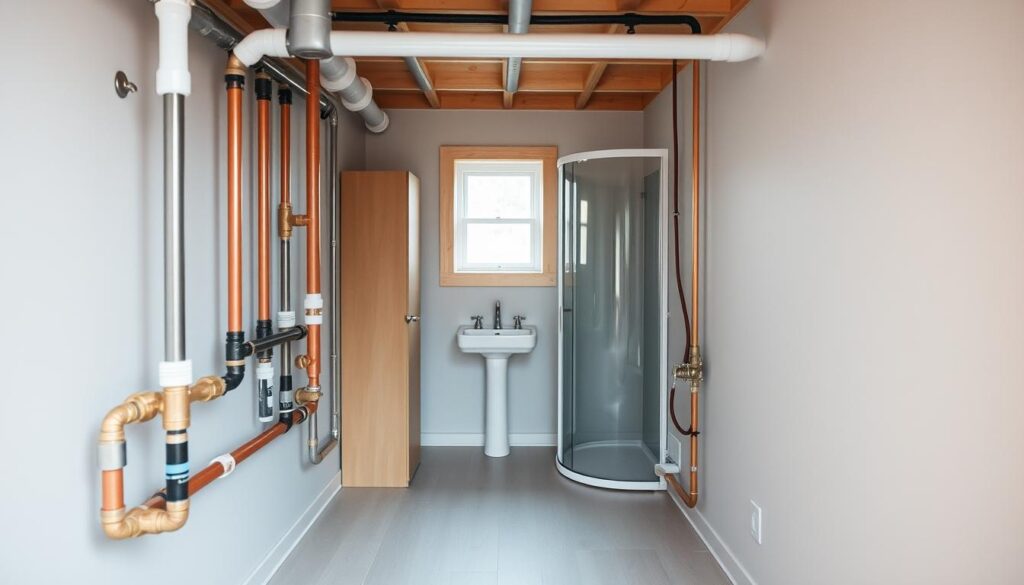
Tiny houses have special plumbing needs. Your costs will depend on design, water system, and if you do it yourself or hire a pro. Most tiny house plumbing jobs cost between $1,500 and $4,000, making it a big part of your tiny home budget.
Choosing the right plumbing for a tiny house means thinking about space, efficiency, and function. You’ll need to pick the right water system, drainage, and fixtures for a cozy and useful home.
Key Takeaways
- Tiny house plumbing costs typically range from $1,500 to $4,000
- DIY installation can significantly reduce overall expenses
- Space efficiency is critical in tiny house plumbing design
- Professional consultation can help optimize your plumbing system
- Water conservation features can lower long-term costs
Table of Contents
Understanding Tiny House Plumbing Basics
Creating an affordable plumbing system for small homes needs careful planning. The cost of a tiny house water system depends on several key factors. These factors make tiny homes different from traditional homes in plumbing.
Tiny house plumbing comes with unique challenges. Your small living space needs a well-thought-out water management plan. This plan should focus on being efficient and using space wisely.
Key Components of a Tiny House Plumbing System
The main parts of a tiny house water system include:
- Compact water storage tanks
- Flexible supply lines
- Space-saving fixtures
- Efficient drainage systems
- Compact water heating solutions
Differences from Traditional Home Plumbing
Unlike regular home plumbing, tiny house systems face:
- Mobility considerations
- Limited space constraints
- Adaptable water source connections
- Lightweight material requirements
Required Tools and Materials
For a successful tiny house plumbing setup, you’ll need special tools for small spaces. You’ll need PEX piping, compact connectors, and precise measuring tools. These tools help integrate the water system efficiently.
To save money, choose compact, multi-functional plumbing parts. These parts save space and cut costs.
Planning Your Plumbing Layout for Maximum Efficiency
Creating an efficient plumbing layout is key when dealing with tiny house plumbing costs. By planning smartly and placing fixtures wisely, you can lower your expenses.
Here are some important tips for your tiny house plumbing system:
- Minimize pipe runs by clustering water fixtures together
- Create centralized plumbing zones to reduce material costs
- Design accessible maintenance points for easy repairs
- Incorporate proper drainage slopes to prevent water accumulation
Where you place things is very important in tiny house designs. Vertical stacking of fixtures can cut down costs. Putting your kitchen and bathroom back-to-back helps save on pipes and reduces complexity.
Here are some key things to think about for your plumbing layout:
- Measure precise distances between fixtures
- Plan for possible future changes
- Choose compact, multi-functional fixtures
- Prioritize water-efficient components
To save on tiny house plumbing costs, plan ahead. Draw different layouts, look at professional plans, and focus on function and ease of use.
How Much Does Plumbing Cost for a Tiny House?
Knowing the plumbing costs for a tiny house is key for those watching their budget. The cost can change a lot based on several things. Your final cost will depend on how complex your plumbing system is, how it’s installed, and what you need.
Basic Installation Costs
When figuring out plumbing costs for a tiny house, you’ll see different prices:
- DIY plumbing installations: $805 – $1,580
- Professional plumbing installations: $1,300 – $3,580
- Materials and additional components: $200 – $800
Professional vs DIY Installation Expenses
Choosing between professional and DIY plumbing can really affect your budget. Professionals bring expertise but cost more. DIY can save money but needs skills and time.
| Installation Type | Estimated Cost | Skill Level Required |
|---|---|---|
| DIY Plumbing | $805 – $1,580 | Advanced |
| Professional Installation | $1,300 – $3,580 | Expert |
Additional Cost Factors to Consider
Many things can add to the cost of plumbing in a tiny house:
- Permit fees
- Inspection charges
- Specialized fixture selections
- Water system complexity
- Local building regulations
Pro tip: Always budget an extra 10-15% for unexpected expenses during your tiny house plumbing project.
Choosing the Right Water Supply System
Choosing the right water supply system is key for your tiny house. It affects both comfort and your budget. There are many options to fit different needs and locations.
Water supply solutions for tiny houses include:
- City water hookups
- Well water systems
- Rainwater collection
- Onboard water storage tanks
Off-grid plumbing prices vary based on your needs. City connections are easy and cheap, with good water pressure. Portable systems are great for mobile tiny houses.
When looking at off-grid plumbing prices, consider these important points:
- Location accessibility
- Water quality needs
- Local rules
- Future maintenance costs
Rainwater collection systems are a good choice for areas with lots of rain. They cost between $500 and $3,000, depending on how complex they are and how much water they hold.
Your water system should match your tiny house’s needs. Think about its mobility, location, and how much water you use. Planning well helps you save money and get the most out of your system.
Essential Fixtures and Their Costs
Choosing the right plumbing fixtures is key for a compact bathroom in your tiny house. Your picks affect both function and cost. Knowing your options helps make a space that’s both efficient and meets your needs.
Designing a tiny house bathroom needs careful planning and smart fixture choices. Space-saving options can cut down on costs and make the most of small spaces.
Sink and Faucet Options
Here are some compact sink options for tiny houses:
- Wall-mounted corner sinks
- Vessel sinks
- Undermount narrow-profile models
Shower and Bathroom Solutions
Innovative shower designs for small spaces can improve your bathroom layout:
- Wet room designs
- Compact shower stalls
- Fold-down shower seats
Water Heater Selections
Picking the right water heater is important for comfort and efficiency. Here are some choices:
| Water Heater Type | Size | Cost Range |
|---|---|---|
| Tankless Electric | Compact | $200-$500 |
| Propane Tankless | Small | $300-$800 |
| Mini Tank Electric | Ultra-Compact | $150-$300 |
Pro tip: Always measure your available space carefully before buying any bathroom fixtures. This ensures a perfect fit in your tiny house.
PEX Plumbing Installation and Expenses
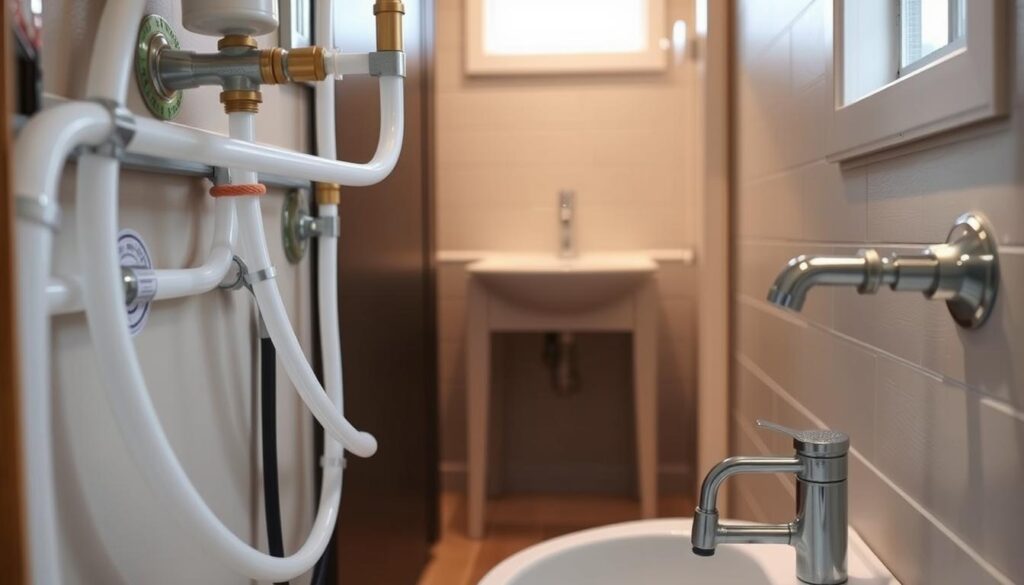
PEX tubing is a big deal for tiny house plumbing costs. It’s a flexible plastic pipe that’s cheaper and quicker to install. This makes it perfect for small homes.
PEX is great for tiny homes because it’s:
- Extremely flexible and easy to install
- Resistant to freezing and cracking
- Lower material costs compared to copper
- Fewer connection points reduce leak risks
PEX plumbing for tiny houses costs between $200-$500 for materials. A 50-foot roll of PEX tubing is about $30-$50. You’ll also need:
- Specialized cutting tools
- Fitting connectors
- Pipe supports
- Insulation materials
Pro tip: Invest in a good PEX cutting tool and learn proper installation techniques to maximize your savings. DIY installation can save up to 70% on labor costs. This is great for those watching their budget.
Careful planning and precise measurements are key for successful PEX plumbing in your tiny home.
Drainage and Waste Management Solutions
Managing waste in a tiny house needs careful planning and creative solutions. Your drainage system is key to a clean and green living space. Looking into off-grid plumbing solutions price helps you choose wisely for your tiny house waste management.
It’s important to know the different types of water waste. This knowledge helps in planning a good drainage strategy. Tiny houses produce two main types of wastewater:
- Greywater: Water from sinks, showers, and washing areas
- Blackwater: Waste from toilets that needs special handling
Greywater Systems
Greywater recycling is a smart way to save water. You can use water from sinks and showers for irrigation or other uses. This method cuts down water use and supports green living in your tiny home.
Blackwater Management
Handling blackwater traditionally can be tricky and pricey. Looking at composting toilet vs traditional plumbing costs shows big benefits for alternative waste solutions. Composting toilets cost between $900 to $2,000, making them a budget-friendly and eco-friendly choice.
Composting Toilet Options
Composting toilets are getting more popular in tiny houses. They turn human waste into compost, avoiding the need for complex sewage systems. They offer:
- Less water use
- Less harm to the environment
- Lower costs for installation and upkeep
Choosing the right waste management depends on your needs, local rules, and environmental goals. With thorough research and planning, you can set up an efficient and green drainage system for your tiny house.
Water Conservation Features and Their Value
When designing plumbing for small homes, saving water is key. It helps lower utility costs. Tiny house owners can save a lot by using smart water-saving tech.
Key water-saving features for tiny house utility hookup expenses include:
- Low-flow fixtures that dramatically reduce water consumption
- Tankless water heaters with improved energy efficiency
- Greywater recycling systems
- Rainwater collection mechanisms
These technologies might seem pricey at first. But they save a lot of money over time. For example, a low-flow showerhead can save up to 2,700 gallons of water yearly. This means big savings on water and heating bills.
Here are some affordable ways to save water:
- Install WaterSense-labeled fixtures
- Use high-efficiency toilets
- Implement point-of-use water heaters
- Create a detailed water management plan
By focusing on water conservation in your tiny house, you’ll help the environment. You’ll also make your home more sustainable and cost-effective.
Climate Protection and Insulation Costs
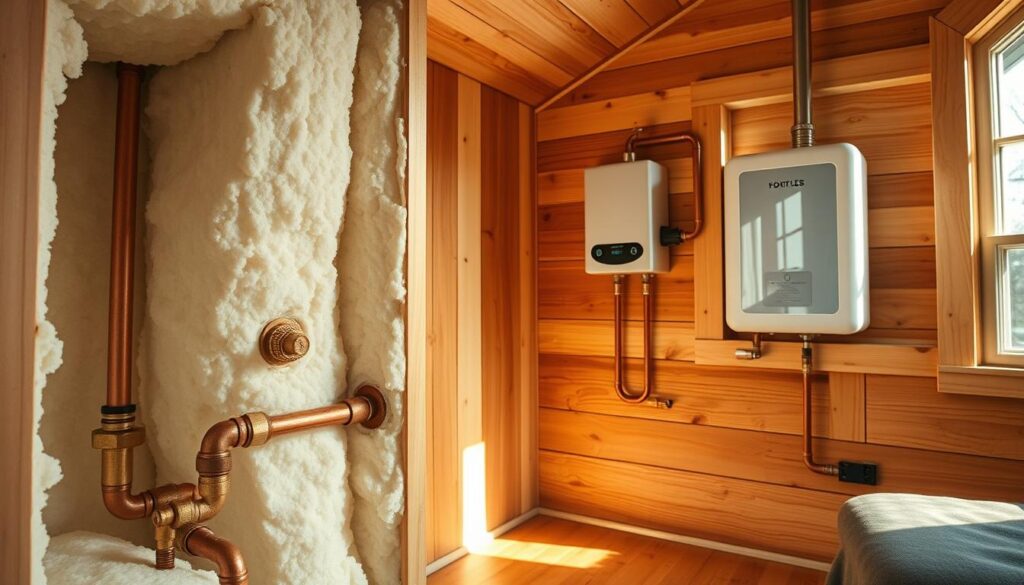
Keeping your tiny house plumbing safe from extreme temperatures is key. Without the right protection, tiny house plumbing costs can rise fast.
In cold areas, tiny house owners face big challenges. Insulating pipes is essential to avoid freezing and damage. Here are important tips for protecting your plumbing:
- Foam pipe insulation ranges from $10 to $20 per 6-foot section
- Heat tape solutions cost between $20 and $100 depending on length
- Exterior pipe wrapping prevents freeze-related damages
Off-grid plumbing costs change based on your climate needs. Good insulation can save you money on repairs later. Here are some affordable ways to protect your plumbing:
- Use foam pipe sleeves for vulnerable water lines
- Install heat tape on exposed pipes
- Create additional interior insulation around plumbing areas
Plan to spend $100-$300 for full tiny house plumbing climate protection. Your costs will depend on your local climate, pipe length, and insulation choices.
Proactive climate protection is cheaper than emergency repairs!
Maintenance and Long-term Cost Considerations
Keeping your tiny house plumbing system in good shape is key. It’s about planning and managing your budget well. Affordable plumbing for small homes means taking care of your systems to avoid big repair bills later.
Knowing what costs might come up and taking steps to prevent them is smart. Your tiny house’s utility hookup costs can change, but regular care can keep them down.
Regular Maintenance Expenses
For tiny homes, routine plumbing care includes:
- Annual pipe inspection
- Checking water connections
- Examining seal integrity
- Testing water pressure
Emergency Repair Budgeting
It’s smart to save money for unexpected repairs. Experts say to set aside 1-3% of your tiny house’s value for emergency plumbing fixes.
| Repair Type | Estimated Cost Range |
|---|---|
| Minor Leak Repair | $75 – $250 |
| Pipe Replacement | $200 – $500 |
| Fixture Replacement | $100 – $350 |
Winterization Costs
It’s important to protect your plumbing when it gets cold. Winterization costs can range from $50 to $300, based on your system and where you live.
“Prevention is always cheaper than repair in tiny house plumbing maintenance.”
By spending time and money on regular upkeep, you can save a lot in the long run. This ensures your plumbing system works well and lasts longer.
Permits and Regulatory Requirements
Getting permits for tiny house plumbing can be tricky. The cost of plumbing in your tiny house depends a lot on local rules. Each area has its own set of rules that affect how much you’ll spend on hooking up utilities.
Before you start plumbing, you need to look into local laws. Some important things to think about are:
- Zoning rules for tiny houses
- Plumbing codes you must follow
- Inspections needed for utility connections
- Requirements for professional certifications
Permit costs can change a lot from one place to another. Here’s a rough idea of what you might pay:
| Permit Type | Estimated Cost Range | Additional Requirements |
|---|---|---|
| Basic Plumbing Permit | $50 – $250 | Standard residential connection |
| Comprehensive Utility Hookup | $200 – $500 | Professional installation required |
| Special Zoning Permits | $100 – $400 | Unique tiny house regulations |
Pro tip: Talk to your local building department early. They can guide you on plumbing costs and permits. This helps you avoid legal issues.
Remember, following the rules is key. Not getting permits can lead to big fines or even having to remove your plumbing. Spend time learning about local laws to make sure your utility setup goes smoothly.
Conclusion
Understanding the cost of plumbing in a tiny house can be tricky. But, with careful planning, you can have a plumbing system that’s both efficient and affordable. The cost can vary from under $1,000 for DIY jobs to up to $5,000 for professional setups. This depends on what you need and want.
When looking at affordable plumbing for small homes, making smart choices is key. Using materials like PEX piping, choosing compact fixtures, and adding water-saving features can help save money. These choices keep your tiny house plumbing system working well without breaking the bank.
The secret to success is doing your homework, planning well, and knowing what you need. Whether you hire a pro or do it yourself, focus on quality, efficiency, and lasting value. Your tiny house plumbing is an investment in your comfort and unique living space.
Think about climate, maintenance, and local rules when setting up your plumbing. This way, you can build a plumbing system that fits your tiny house lifestyle. Take your time, plan your budget, and turn your plumbing dreams into a reality that’s both practical and affordable.
FAQ
How much does plumbing typically cost for a tiny house?
How much does plumbing typically cost for a tiny house?
FAQ
How much does plumbing typically cost for a tiny house?
Plumbing for a tiny house can cost between
FAQ
How much does plumbing typically cost for a tiny house?
Plumbing for a tiny house can cost between $1,500 and $5,000. This depends on the system’s complexity, materials, and whether you install it yourself or hire a pro. The cost also varies based on the water supply, fixtures, and waste management system.
Is PEX piping a good option for tiny house plumbing?
Yes, PEX piping is great for tiny houses. It’s flexible, affordable, and easy to install. Plus, it resists freezing. PEX costs between $0.50 to $2 per foot, making it a smart choice for small homes.
What are the most affordable water supply options for a tiny house?
Affordable water options include municipal connections, rainwater collection, or wells. Municipal connections are the cheapest upfront. Rainwater harvesting offers long-term savings and self-sufficiency.
Can I install tiny house plumbing myself to save money?
DIY plumbing can save 50-70% on labor. But, it needs plumbing knowledge. If you’re not skilled, mistakes could be costly. Think about your skills, local codes, and complexity before DIY.
What are the most cost-effective waste management solutions?
Composting toilets are cost-effective and eco-friendly for tiny houses. They cost $900 to $2,000 and use little water. Greywater recycling also saves money and is sustainable.
How do I protect my tiny house plumbing from freezing?
Use heat tape, foam, and pipe sleeves to prevent freezing. Install pipes in heated areas or use insulated systems. Budget $100 to $500 for freeze protection, based on your climate.
What ongoing maintenance costs should I expect for tiny house plumbing?
Annual maintenance costs $100 to $300. It includes leak checks, connection inspections, filter cleaning, and winterizing. Regular upkeep prevents expensive repairs and extends your plumbing’s life.
Are there any specific permits required for tiny house plumbing?
Permit needs vary by location. Most places require plumbing permits, costing $50 to $500. Check local codes, zoning, and possibly need extra permits for water, waste, and installation.
,500 and ,000. This depends on the system’s complexity, materials, and whether you install it yourself or hire a pro. The cost also varies based on the water supply, fixtures, and waste management system.
Is PEX piping a good option for tiny house plumbing?
Yes, PEX piping is great for tiny houses. It’s flexible, affordable, and easy to install. Plus, it resists freezing. PEX costs between
FAQ
How much does plumbing typically cost for a tiny house?
Plumbing for a tiny house can cost between $1,500 and $5,000. This depends on the system’s complexity, materials, and whether you install it yourself or hire a pro. The cost also varies based on the water supply, fixtures, and waste management system.
Is PEX piping a good option for tiny house plumbing?
Yes, PEX piping is great for tiny houses. It’s flexible, affordable, and easy to install. Plus, it resists freezing. PEX costs between $0.50 to $2 per foot, making it a smart choice for small homes.
What are the most affordable water supply options for a tiny house?
Affordable water options include municipal connections, rainwater collection, or wells. Municipal connections are the cheapest upfront. Rainwater harvesting offers long-term savings and self-sufficiency.
Can I install tiny house plumbing myself to save money?
DIY plumbing can save 50-70% on labor. But, it needs plumbing knowledge. If you’re not skilled, mistakes could be costly. Think about your skills, local codes, and complexity before DIY.
What are the most cost-effective waste management solutions?
Composting toilets are cost-effective and eco-friendly for tiny houses. They cost $900 to $2,000 and use little water. Greywater recycling also saves money and is sustainable.
How do I protect my tiny house plumbing from freezing?
Use heat tape, foam, and pipe sleeves to prevent freezing. Install pipes in heated areas or use insulated systems. Budget $100 to $500 for freeze protection, based on your climate.
What ongoing maintenance costs should I expect for tiny house plumbing?
Annual maintenance costs $100 to $300. It includes leak checks, connection inspections, filter cleaning, and winterizing. Regular upkeep prevents expensive repairs and extends your plumbing’s life.
Are there any specific permits required for tiny house plumbing?
Permit needs vary by location. Most places require plumbing permits, costing $50 to $500. Check local codes, zoning, and possibly need extra permits for water, waste, and installation.
Is PEX piping a good option for tiny house plumbing?
FAQ
How much does plumbing typically cost for a tiny house?
Plumbing for a tiny house can cost between
FAQ
How much does plumbing typically cost for a tiny house?
Plumbing for a tiny house can cost between $1,500 and $5,000. This depends on the system’s complexity, materials, and whether you install it yourself or hire a pro. The cost also varies based on the water supply, fixtures, and waste management system.
Is PEX piping a good option for tiny house plumbing?
Yes, PEX piping is great for tiny houses. It’s flexible, affordable, and easy to install. Plus, it resists freezing. PEX costs between $0.50 to $2 per foot, making it a smart choice for small homes.
What are the most affordable water supply options for a tiny house?
Affordable water options include municipal connections, rainwater collection, or wells. Municipal connections are the cheapest upfront. Rainwater harvesting offers long-term savings and self-sufficiency.
Can I install tiny house plumbing myself to save money?
DIY plumbing can save 50-70% on labor. But, it needs plumbing knowledge. If you’re not skilled, mistakes could be costly. Think about your skills, local codes, and complexity before DIY.
What are the most cost-effective waste management solutions?
Composting toilets are cost-effective and eco-friendly for tiny houses. They cost $900 to $2,000 and use little water. Greywater recycling also saves money and is sustainable.
How do I protect my tiny house plumbing from freezing?
Use heat tape, foam, and pipe sleeves to prevent freezing. Install pipes in heated areas or use insulated systems. Budget $100 to $500 for freeze protection, based on your climate.
What ongoing maintenance costs should I expect for tiny house plumbing?
Annual maintenance costs $100 to $300. It includes leak checks, connection inspections, filter cleaning, and winterizing. Regular upkeep prevents expensive repairs and extends your plumbing’s life.
Are there any specific permits required for tiny house plumbing?
Permit needs vary by location. Most places require plumbing permits, costing $50 to $500. Check local codes, zoning, and possibly need extra permits for water, waste, and installation.
,500 and ,000. This depends on the system’s complexity, materials, and whether you install it yourself or hire a pro. The cost also varies based on the water supply, fixtures, and waste management system.
Is PEX piping a good option for tiny house plumbing?
Yes, PEX piping is great for tiny houses. It’s flexible, affordable, and easy to install. Plus, it resists freezing. PEX costs between
FAQ
How much does plumbing typically cost for a tiny house?
Plumbing for a tiny house can cost between $1,500 and $5,000. This depends on the system’s complexity, materials, and whether you install it yourself or hire a pro. The cost also varies based on the water supply, fixtures, and waste management system.
Is PEX piping a good option for tiny house plumbing?
Yes, PEX piping is great for tiny houses. It’s flexible, affordable, and easy to install. Plus, it resists freezing. PEX costs between $0.50 to $2 per foot, making it a smart choice for small homes.
What are the most affordable water supply options for a tiny house?
Affordable water options include municipal connections, rainwater collection, or wells. Municipal connections are the cheapest upfront. Rainwater harvesting offers long-term savings and self-sufficiency.
Can I install tiny house plumbing myself to save money?
DIY plumbing can save 50-70% on labor. But, it needs plumbing knowledge. If you’re not skilled, mistakes could be costly. Think about your skills, local codes, and complexity before DIY.
What are the most cost-effective waste management solutions?
Composting toilets are cost-effective and eco-friendly for tiny houses. They cost $900 to $2,000 and use little water. Greywater recycling also saves money and is sustainable.
How do I protect my tiny house plumbing from freezing?
Use heat tape, foam, and pipe sleeves to prevent freezing. Install pipes in heated areas or use insulated systems. Budget $100 to $500 for freeze protection, based on your climate.
What ongoing maintenance costs should I expect for tiny house plumbing?
Annual maintenance costs $100 to $300. It includes leak checks, connection inspections, filter cleaning, and winterizing. Regular upkeep prevents expensive repairs and extends your plumbing’s life.
Are there any specific permits required for tiny house plumbing?
Permit needs vary by location. Most places require plumbing permits, costing $50 to $500. Check local codes, zoning, and possibly need extra permits for water, waste, and installation.
What are the most affordable water supply options for a tiny house?
Can I install tiny house plumbing myself to save money?
What are the most cost-effective waste management solutions?
How do I protect my tiny house plumbing from freezing?
What ongoing maintenance costs should I expect for tiny house plumbing?
Are there any specific permits required for tiny house plumbing?
Is PEX piping a good option for tiny house plumbing?
How much does plumbing typically cost for a tiny house?
FAQ
How much does plumbing typically cost for a tiny house?
Plumbing for a tiny house can cost between
FAQ
How much does plumbing typically cost for a tiny house?
Plumbing for a tiny house can cost between $1,500 and $5,000. This depends on the system’s complexity, materials, and whether you install it yourself or hire a pro. The cost also varies based on the water supply, fixtures, and waste management system.
Is PEX piping a good option for tiny house plumbing?
Yes, PEX piping is great for tiny houses. It’s flexible, affordable, and easy to install. Plus, it resists freezing. PEX costs between $0.50 to $2 per foot, making it a smart choice for small homes.
What are the most affordable water supply options for a tiny house?
Affordable water options include municipal connections, rainwater collection, or wells. Municipal connections are the cheapest upfront. Rainwater harvesting offers long-term savings and self-sufficiency.
Can I install tiny house plumbing myself to save money?
DIY plumbing can save 50-70% on labor. But, it needs plumbing knowledge. If you’re not skilled, mistakes could be costly. Think about your skills, local codes, and complexity before DIY.
What are the most cost-effective waste management solutions?
Composting toilets are cost-effective and eco-friendly for tiny houses. They cost $900 to $2,000 and use little water. Greywater recycling also saves money and is sustainable.
How do I protect my tiny house plumbing from freezing?
Use heat tape, foam, and pipe sleeves to prevent freezing. Install pipes in heated areas or use insulated systems. Budget $100 to $500 for freeze protection, based on your climate.
What ongoing maintenance costs should I expect for tiny house plumbing?
Annual maintenance costs $100 to $300. It includes leak checks, connection inspections, filter cleaning, and winterizing. Regular upkeep prevents expensive repairs and extends your plumbing’s life.
Are there any specific permits required for tiny house plumbing?
Permit needs vary by location. Most places require plumbing permits, costing $50 to $500. Check local codes, zoning, and possibly need extra permits for water, waste, and installation.
,500 and ,000. This depends on the system’s complexity, materials, and whether you install it yourself or hire a pro. The cost also varies based on the water supply, fixtures, and waste management system.
Is PEX piping a good option for tiny house plumbing?
Yes, PEX piping is great for tiny houses. It’s flexible, affordable, and easy to install. Plus, it resists freezing. PEX costs between
FAQ
How much does plumbing typically cost for a tiny house?
Plumbing for a tiny house can cost between $1,500 and $5,000. This depends on the system’s complexity, materials, and whether you install it yourself or hire a pro. The cost also varies based on the water supply, fixtures, and waste management system.
Is PEX piping a good option for tiny house plumbing?
Yes, PEX piping is great for tiny houses. It’s flexible, affordable, and easy to install. Plus, it resists freezing. PEX costs between $0.50 to $2 per foot, making it a smart choice for small homes.
What are the most affordable water supply options for a tiny house?
Affordable water options include municipal connections, rainwater collection, or wells. Municipal connections are the cheapest upfront. Rainwater harvesting offers long-term savings and self-sufficiency.
Can I install tiny house plumbing myself to save money?
DIY plumbing can save 50-70% on labor. But, it needs plumbing knowledge. If you’re not skilled, mistakes could be costly. Think about your skills, local codes, and complexity before DIY.
What are the most cost-effective waste management solutions?
Composting toilets are cost-effective and eco-friendly for tiny houses. They cost $900 to $2,000 and use little water. Greywater recycling also saves money and is sustainable.
How do I protect my tiny house plumbing from freezing?
Use heat tape, foam, and pipe sleeves to prevent freezing. Install pipes in heated areas or use insulated systems. Budget $100 to $500 for freeze protection, based on your climate.
What ongoing maintenance costs should I expect for tiny house plumbing?
Annual maintenance costs $100 to $300. It includes leak checks, connection inspections, filter cleaning, and winterizing. Regular upkeep prevents expensive repairs and extends your plumbing’s life.
Are there any specific permits required for tiny house plumbing?
Permit needs vary by location. Most places require plumbing permits, costing $50 to $500. Check local codes, zoning, and possibly need extra permits for water, waste, and installation.
Is PEX piping a good option for tiny house plumbing?
FAQ
How much does plumbing typically cost for a tiny house?
Plumbing for a tiny house can cost between
FAQ
How much does plumbing typically cost for a tiny house?
Plumbing for a tiny house can cost between $1,500 and $5,000. This depends on the system’s complexity, materials, and whether you install it yourself or hire a pro. The cost also varies based on the water supply, fixtures, and waste management system.
Is PEX piping a good option for tiny house plumbing?
Yes, PEX piping is great for tiny houses. It’s flexible, affordable, and easy to install. Plus, it resists freezing. PEX costs between $0.50 to $2 per foot, making it a smart choice for small homes.
What are the most affordable water supply options for a tiny house?
Affordable water options include municipal connections, rainwater collection, or wells. Municipal connections are the cheapest upfront. Rainwater harvesting offers long-term savings and self-sufficiency.
Can I install tiny house plumbing myself to save money?
DIY plumbing can save 50-70% on labor. But, it needs plumbing knowledge. If you’re not skilled, mistakes could be costly. Think about your skills, local codes, and complexity before DIY.
What are the most cost-effective waste management solutions?
Composting toilets are cost-effective and eco-friendly for tiny houses. They cost $900 to $2,000 and use little water. Greywater recycling also saves money and is sustainable.
How do I protect my tiny house plumbing from freezing?
Use heat tape, foam, and pipe sleeves to prevent freezing. Install pipes in heated areas or use insulated systems. Budget $100 to $500 for freeze protection, based on your climate.
What ongoing maintenance costs should I expect for tiny house plumbing?
Annual maintenance costs $100 to $300. It includes leak checks, connection inspections, filter cleaning, and winterizing. Regular upkeep prevents expensive repairs and extends your plumbing’s life.
Are there any specific permits required for tiny house plumbing?
Permit needs vary by location. Most places require plumbing permits, costing $50 to $500. Check local codes, zoning, and possibly need extra permits for water, waste, and installation.
,500 and ,000. This depends on the system’s complexity, materials, and whether you install it yourself or hire a pro. The cost also varies based on the water supply, fixtures, and waste management system.
Is PEX piping a good option for tiny house plumbing?
Yes, PEX piping is great for tiny houses. It’s flexible, affordable, and easy to install. Plus, it resists freezing. PEX costs between
FAQ
How much does plumbing typically cost for a tiny house?
Plumbing for a tiny house can cost between $1,500 and $5,000. This depends on the system’s complexity, materials, and whether you install it yourself or hire a pro. The cost also varies based on the water supply, fixtures, and waste management system.
Is PEX piping a good option for tiny house plumbing?
Yes, PEX piping is great for tiny houses. It’s flexible, affordable, and easy to install. Plus, it resists freezing. PEX costs between $0.50 to $2 per foot, making it a smart choice for small homes.
What are the most affordable water supply options for a tiny house?
Affordable water options include municipal connections, rainwater collection, or wells. Municipal connections are the cheapest upfront. Rainwater harvesting offers long-term savings and self-sufficiency.
Can I install tiny house plumbing myself to save money?
DIY plumbing can save 50-70% on labor. But, it needs plumbing knowledge. If you’re not skilled, mistakes could be costly. Think about your skills, local codes, and complexity before DIY.
What are the most cost-effective waste management solutions?
Composting toilets are cost-effective and eco-friendly for tiny houses. They cost $900 to $2,000 and use little water. Greywater recycling also saves money and is sustainable.
How do I protect my tiny house plumbing from freezing?
Use heat tape, foam, and pipe sleeves to prevent freezing. Install pipes in heated areas or use insulated systems. Budget $100 to $500 for freeze protection, based on your climate.
What ongoing maintenance costs should I expect for tiny house plumbing?
Annual maintenance costs $100 to $300. It includes leak checks, connection inspections, filter cleaning, and winterizing. Regular upkeep prevents expensive repairs and extends your plumbing’s life.
Are there any specific permits required for tiny house plumbing?
Permit needs vary by location. Most places require plumbing permits, costing $50 to $500. Check local codes, zoning, and possibly need extra permits for water, waste, and installation.
What are the most affordable water supply options for a tiny house?
Can I install tiny house plumbing myself to save money?
What are the most cost-effective waste management solutions?
How do I protect my tiny house plumbing from freezing?
What ongoing maintenance costs should I expect for tiny house plumbing?
Are there any specific permits required for tiny house plumbing?
.50 to per foot, making it a smart choice for small homes.
What are the most affordable water supply options for a tiny house?
Affordable water options include municipal connections, rainwater collection, or wells. Municipal connections are the cheapest upfront. Rainwater harvesting offers long-term savings and self-sufficiency.
Can I install tiny house plumbing myself to save money?
DIY plumbing can save 50-70% on labor. But, it needs plumbing knowledge. If you’re not skilled, mistakes could be costly. Think about your skills, local codes, and complexity before DIY.
What are the most cost-effective waste management solutions?
Composting toilets are cost-effective and eco-friendly for tiny houses. They cost 0 to ,000 and use little water. Greywater recycling also saves money and is sustainable.
How do I protect my tiny house plumbing from freezing?
Use heat tape, foam, and pipe sleeves to prevent freezing. Install pipes in heated areas or use insulated systems. Budget 0 to 0 for freeze protection, based on your climate.
What ongoing maintenance costs should I expect for tiny house plumbing?
Annual maintenance costs 0 to 0. It includes leak checks, connection inspections, filter cleaning, and winterizing. Regular upkeep prevents expensive repairs and extends your plumbing’s life.
Are there any specific permits required for tiny house plumbing?
Permit needs vary by location. Most places require plumbing permits, costing to 0. Check local codes, zoning, and possibly need extra permits for water, waste, and installation.