
Affiliate Disclosure
Plumber Guide Guys is a participant in the Amazon Services LLC Associates Program, an affiliate advertising program designed to provide a means for sites to earn advertising fees by advertising and linking to Amazon.
How Much Does it Cost to Replace Polybutylene Plumbing? Did you know that about 10-15 million homes in the U.S. have polybutylene pipes? These pipes are at high risk of failing suddenly. Knowing the cost to replace them is key for homeowners to protect their homes and avoid water damage.
Polybutylene plumbing was once seen as a smart and affordable choice for homes. It was installed in many homes from the late 1970s to the mid-1990s. Now, homeowners are facing big challenges with the cost of replacing these pipes.
This guide will help you understand the cost of replacing polybutylene pipes. You’ll learn about the factors that affect the cost, the risks of not replacing them, and how to tackle this important home maintenance task.
Key Takeaways
- Polybutylene pipes were widely used between 1978 and 1995
- Replacement costs vary based on home size and pipe accessibility
- Professional assessment is key before starting replacement
- Modern pipe materials offer better durability and performance
- Replacing them early can save you from costly water damage
Table of Contents
Understanding Polybutylene Plumbing Systems
Polybutylene pipes were once a common choice for homes. They were flexible gray pipes that were popular for a while. Homeowners should know about them when thinking about replacing these pipes.
What Are Polybutylene Pipes?
Polybutylene (PB) pipes are made of synthetic plastic. They are known for:
- Flexible gray or white appearance
- Diameter ranging from 1/2 to 1 inch
- Distinctive “PB2110” stamping
- Lightweight and easy to install material
Historical Usage and Installation Period
These pipes were used from the late 1970s to the mid-1990s. Builders liked them because they were cheap and easy to put in. But, as problems with the pipes arose, the cost of replacing them became a big concern.
| Installation Period | Approximate Usage |
|---|---|
| 1978-1995 | Peak installation years |
| 1995-2000 | Declining usage |
Common Locations in Homes
Polybutylene pipes were found in certain areas:
- Underground water main connections
- Interior wall spaces
- Beneath concrete slabs
- Crawl spaces
Knowing where these pipes were helps homeowners figure out the cost of replacing them. It helps them make smart choices about their plumbing.
Signs of Failing Polybutylene Pipes
Spotting early signs of failing polybutylene pipes can save you a lot of money. Your home’s plumbing system sends out warning signs. These signs need your attention right away.
Look out for these important warning signs. They tell you if your polybutylene plumbing needs to be replaced:
- Visible water leaks around pipe connections
- Unexplained water stains on walls or ceilings
- Discolored or cloudy water emerging from faucets
- Sudden drops in water pressure
- Unusual chemical or plastic-like odors near plumbing lines
When you see these problems often, it’s time to get estimates for replacement. Polybutylene pipes can break down fast. This is true, even more so in places with lots of chlorine or big changes in water pressure.
“Early detection can prevent catastrophic water damage and save thousands in possible repair costs.” – Professional Plumbing Association
| Warning Sign | Potential Severity | Recommended Action |
|---|---|---|
| Frequent Leaks | High | Immediate Professional Inspection |
| Water Discoloration | Medium | Schedule Pipe Assessment |
| Reduced Water Pressure | Low-Medium | Comprehensive Plumbing Evaluation |
Watching for these signs can help you control the cost of replacing your polybutylene pipes. This way, you avoid a complete system failure.
Why Polybutylene Pipe Replacement is Necessary
Polybutylene pipes can be a big risk for homeowners. They are more than just a plumbing issue. Knowing the dangers can help you protect your home’s value and safety.
Health and Safety Concerns
Polybutylene pipes can harm your family’s health. They often burst or leak, which can contaminate water and cause mold. Even though replacing them costs money, it’s better than risking your health.
- Potential water contamination
- Risk of toxic chemical leaching
- Increased likelihood of mold development
- Compromised water quality
Insurance Coverage Issues
Insurance companies see homes with polybutylene pipes as risky. This can make your insurance more expensive or hard to get. Switching to PEX might lower your insurance costs.
| Insurance Risk Factor | Potential Consequence |
|---|---|
| High Leak Probability | Increased Premiums |
| Potential Property Damage | Coverage Limitations |
| Aging Pipe System | Potential Policy Cancellation |
Impact on Property Value
Homes with polybutylene pipes may lose value. Buyers often ask for pipe replacement during inspections. This can slow down sales and lower the home’s worth.
Getting professional pipe replacement helps keep your home safe and valuable. It also makes your home more attractive to buyers.
How Much Does it Cost to Replace Polybutylene Plumbing
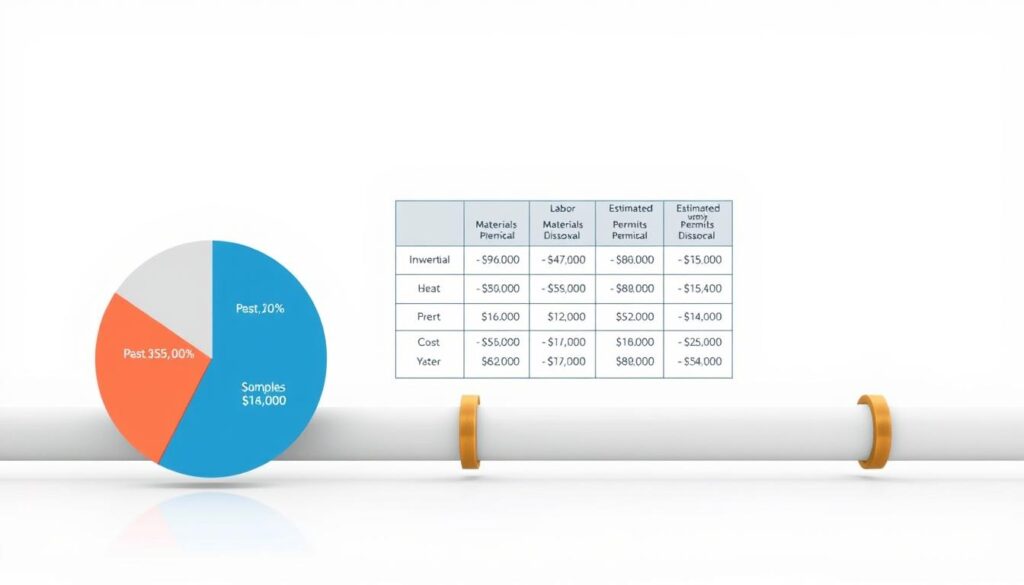
Knowing the cost to replace polybutylene plumbing is key for planning your home upgrade. The price can vary a lot based on several important factors. On average, homeowners spend between $3,000 and $20,000 for a full pipe swap.
Several things affect the total cost of replacing your plumbing. Here’s a look at what you might pay:
- Small homes (1-2 bathrooms): Starting at $3,000
- Average-sized homes: About $8,000-$12,000
- Large homes or complex layouts: Up to $20,000
The type of material you pick also plays a big role in the cost. Plastic pipes like PEX or PVC-CPVC are usually cheaper than copper.
| Pipe Material | Estimated Cost Range | Durability |
|---|---|---|
| PEX Pipes | $4,000 – $8,000 | 25-40 years |
| Copper Pipes | $8,000 – $16,000 | 50-70 years |
Remember, extra costs like fixing walls, painting, and fixing water damage can add $5,000 to $10,000. Always get quotes from licensed plumbers to get a precise estimate for your home.
Factors Affecting Replacement Costs
Replacing polybutylene plumbing involves many variables that affect your costs. Knowing these factors helps you plan and budget for the project.
Several key elements determine the cost of replacing pb plumbing. Homeowners should consider these important factors before starting their project.
Home Size and Layout Considerations
Your home’s size and design play a big role in costs. Larger homes with complex plumbing need more work, raising costs.
- Small homes (under 1,500 sq ft): Lower replacement costs
- Medium homes (1,500-2,500 sq ft): Moderate expenses
- Large homes (over 2,500 sq ft): Higher replacement investments
Pipe Accessibility Challenges
The location and reach of your pipes affect costs. Pipes that are hidden or hard to get to need more work and tools, increasing costs.
Material Selection Impact
Choosing materials affects your project costs. Different pipes have different prices:
- PEX Piping: Cost-effective and flexible
- Copper Piping: Durable but more expensive
- CPVC Piping: Mid-range pricing with good durability
Your home needs and budget will help choose the best replacement strategy. This will help manage your polybutylene remediation expenses.
Modern Plumbing Material Options
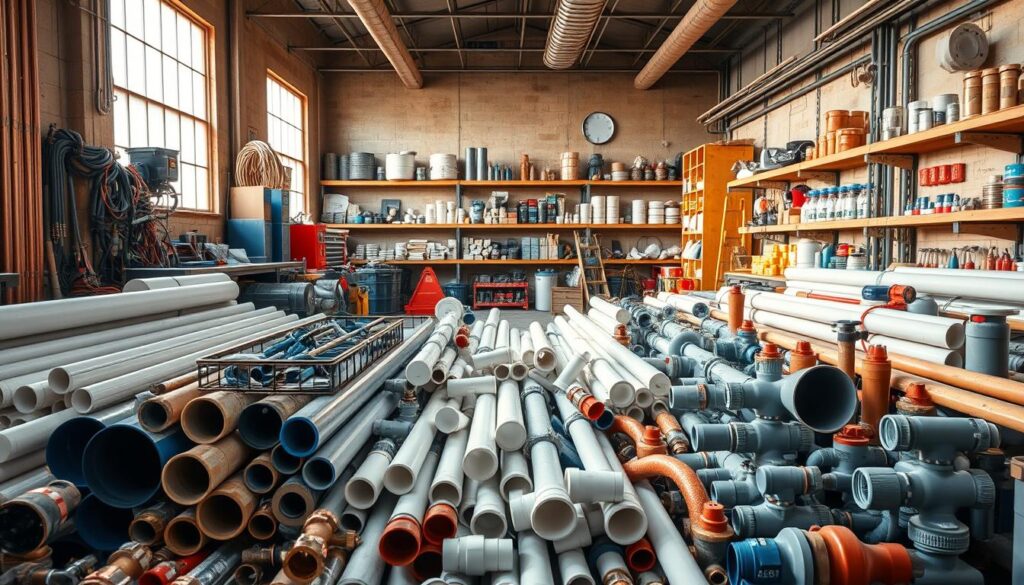
When you replace polybutylene pipes, you’ll find many modern materials. These options are more durable and perform better. The cost of switching to PEX is now more appealing to homeowners.
Your main choices are:
- PEX (Cross-linked Polyethylene)
- Most popular replacement option
- Flexible and resistant to corrosion
- Lower repiping polybutylene pipes expense
- Easier installation
- Copper Pipes
- Traditional and durable
- Higher installation costs
- Excellent longevity
- CPVC (Chlorinated Polyvinyl Chloride)
- Affordable option
- Resistant to chemical reactions
- Suitable for hot and cold water lines
PEX is the top choice for most homeowners because it’s affordable and versatile. It’s flexible, making installation easier and cheaper. The cost to switch to PEX ranges from $2,000 to $15,000, based on your home’s size and complexity.
Professional plumbers recommend carefully evaluating your specific home requirements before selecting a replacement material.
Choosing the right material depends on your budget, how long you want it to last, and how hard it is to install. Talking to a licensed plumber can help you decide what’s best for your home.
The Replacement Process and Timeline
Replacing polybutylene plumbing is a detailed process. It needs careful planning and execution. Knowing the cost helps homeowners prepare for this big project. The cost to replace all plumbing can change, but knowing the steps helps you feel more confident.
Replacing plumbing involves many important stages. These stages affect your project’s timeline and cost.
Pre-Installation Planning
Getting ready is essential for a smooth replacement. You’ll need to:
- Schedule a detailed home inspection
- Get the needed permits
- Plan for living elsewhere if needed
- Make sure plumbing pros have easy access
Installation Steps
The actual replacement has several key steps:
- Turn off the main water supply
- Take out the old polybutylene pipes
- Put in new pipes
- Connect the new pipes to fixtures
- Do a pressure test
Post-Installation Considerations
After installing, important steps make sure your plumbing works well:
| Process | Duration | Purpose |
|---|---|---|
| Pressure Testing | 2-4 hours | Check if the system is strong |
| Wall Repair | 1-2 days | Fix the walls to look good |
| Final Inspection | Few hours | Make sure it’s done right |
Pro tip: Talk to your plumbing contractor about each step. This helps avoid any problems.
Choosing a Qualified Plumbing Contractor
Finding the right plumber for your polybutylene pipe replacement is key. The right contractor ensures quality work and fair pricing for your plumbing system.
- Verify professional licensing and insurance credentials
- Request detailed polybutylene plumbing replacement estimates
- Check online reviews and professional references
- Confirm specific experience with polybutylene pipe replacement
Get quotes from at least three licensed contractors. Ask about their experience, timeline, and approach to your plumbing system.
| Contractor Evaluation Criteria | What to Look For |
|---|---|
| Licensing | Current state-issued professional license |
| Insurance | Comprehensive liability coverage |
| Experience | Proven track record with polybutylene replacements |
| Estimates | Transparent, detailed written quotes |
“The right contractor transforms a complex plumbing replacement into a smooth, reliable home improvement project.”
Don’t just look for the cheapest option. Focus on quality, expertise, and fair pricing that lasts.
Conclusion
Replacing polybutylene plumbing is a key home improvement that keeps your property safe and valuable. The cost to replace these pipes can range from $3,000 to $25,000. This depends on your home’s size and condition.
When thinking about replacing polybutylene pipes, consider several factors. The size of your home, how easy it is to access the pipes, and the materials you choose all affect the cost. It’s wise to get a professional plumber’s opinion to plan and budget well.
Replacing these pipes has many benefits. It makes your home’s water system modern and reliable. This reduces the risk of water damage and increases your home’s value. Even though it costs a lot upfront, it saves money in the long run.
Knowing how to replace polybutylene pipes helps protect your home. Get quotes from trusted plumbers, talk about materials, and focus on quality installation. This ensures your home’s plumbing system works well for years to come.