
Affiliate Disclosure
Plumber Guide Guys is a participant in the Amazon Services LLC Associates Program, an affiliate advertising program designed to provide a means for sites to earn advertising fees by advertising and linking to Amazon.
How Much Does It Cost to Replace Galvanized Plumbing? Did you know homes built before the 1960s might have plumbing problems? About 50% of these homes need new pipes in 40-50 years. Knowing the cost to replace galvanized pipes is key for homeowners to keep their homes safe.
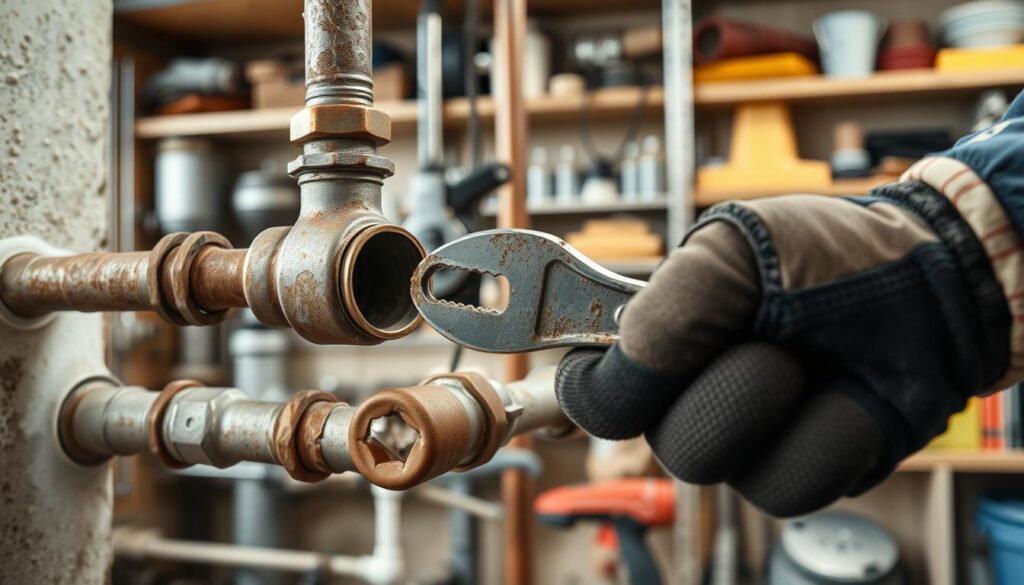
The cost to replace galvanized plumbing varies a lot. It can be from $1,500 to $15,000. This price depends on your home’s size, the type of pipes, and how complex the plumbing is. Replacing galvanized pipes is more than just making your home look better. It’s a big step to keep your home safe and working well.
Repipe Specialists say most homes need to replace their pipes for $4,500 to $15,000. This price shows the detailed work needed to fix your home’s water system. It also helps avoid health problems from old, corroded pipes.
Key Takeaways
- Replacement costs range from $1,500 to $15,000
- Homes built before 1960 are most at risk
- Multiple factors influence total replacement expenses
- Professional assessment is key before starting
- Waiting too long can make repairs more expensive
Understanding Galvanized Plumbing and Why It Needs Replacement
Galvanized pipes have a long history in homes. But, they are nearing the end of their time. If you live in an older home, knowing about these pipes is key to keeping your water system safe and working well.
What Are Galvanized Pipes?
Galvanized pipes are made of steel with a special zinc coating. This zinc coating helps prevent rust and makes the pipes last longer. Before the 1960s, these galvanized steel pipes were the main choice for home plumbing.
- Made from steel base material
- Coated with zinc through dipping in molten zinc bath
- Primarily used in residential construction before 1960
The Protective Zinc Coating and Its Deterioration
The zinc layer on a galvanized plumbing system initially protects against corrosion. But, this protection doesn’t last forever. Over time, water quality, mineral content, and pH levels can break down the zinc coating.
| Factors Affecting Zinc Coating | Impact on Pipes |
|---|---|
| Water pH Levels | Accelerates coating breakdown |
| Mineral Content | Increases internal pipe corrosion |
| Water Temperature | Speeds up chemical reactions |
Expected Lifespan of Galvanized Steel Pipes
Most galvanized pipes last about 40-50 years. Installation stopped in the 1960s, so all galvanized plumbing is now past its prime. Your home’s plumbing could be a risk for water damage and health issues.
Hidden Dangers and Health Risks of Corroded Galvanized Pipes
Corroded galvanized pipes can harm your health in ways you might not know. When the zinc coating wears off, these pipes can leak lead into your water. This is a serious problem for your drinking water.
The main dangers of corroded galvanized pipes are:
- Lead contamination in drinking water
- Potential developmental risks for children
- Increased exposure to harmful minerals
- Compromised water safety
Children are very sensitive to lead from corroded pipes. It can cause delays in development, behavior issues, and brain problems. Your family’s drinking water safety could be at serious risk without knowing it.
“The invisible threat of lead contamination in aging water systems can silently impact household health for years.” – Water Safety Research Institute
Older homes in Eastern United States face these risks more often. Even if lead lines were replaced, galvanized pipes can keep releasing lead into your water.
To keep your family safe, you need to know about these dangers. Take steps to prevent water contamination from corroded galvanized pipes.
Signs Your Galvanized Plumbing Needs Replacement
Spotting problems with your plumbing can prevent expensive damage and health issues. Galvanized pipes show signs that mean it’s time for a change. Knowing these signs helps protect your home’s water system.
- Low water pressure throughout your home
- Rusty or discolored water from faucets
- Visible pipe corrosion
- Unexpected water leaks
Low Water Pressure and Restricted Flow
Corrosion affects your water flow. As galvanized pipes get older, rust builds up inside. This reduces the pipe’s size, causing weak water pressure in your shower and faucets.
Discolored or Rusty Water
Rusty water means your pipes are deteriorating. If you see brownish water, it’s a sign of rust inside the pipes. This not only looks bad but can also be harmful to your health.
Visible Corrosion and Leaks
Checking your pipes for rust can show you problems. Look for rust stains, pitted areas, and moisture. These signs mean your pipes are badly damaged and need a professional check.
Remember: By the time you can see external corrosion, your pipes likely require immediate professional evaluation.
How Much Does It Cost to Replace Galvanized Plumbing?
Knowing the cost to replace galvanized plumbing is key for homeowners with old pipes. The cost to replace all the plumbing in your home can change a lot. This depends on several things.
Average Cost Range for Whole House Repiping
The cost to replace galvanized plumbing varies a lot. On average, it can cost between $4,500 and $15,000 to repipe your whole house.
- Small homes (2-bedroom, 1-bath): Around $4,500
- Medium-sized homes: $7,500 – $10,000
- Large homes: $12,000 – $15,000
Detailed Cost Breakdown
| Cost Factor | Price Impact |
|---|---|
| Pipe Material | $2 – $7 per linear foot |
| Labor Costs | $45 – $200 per hour |
| Drywall Repair | $500 – $1,500 |
| Permits | $100 – $500 |
Factors Influencing Repiping Galvanized Plumbing Cost
Several things can affect the cost of repiping your galvanized plumbing:
- Home size and layout
- Pipe material selection
- Accessibility of existing plumbing
- Number of plumbing fixtures
- Local labor rates
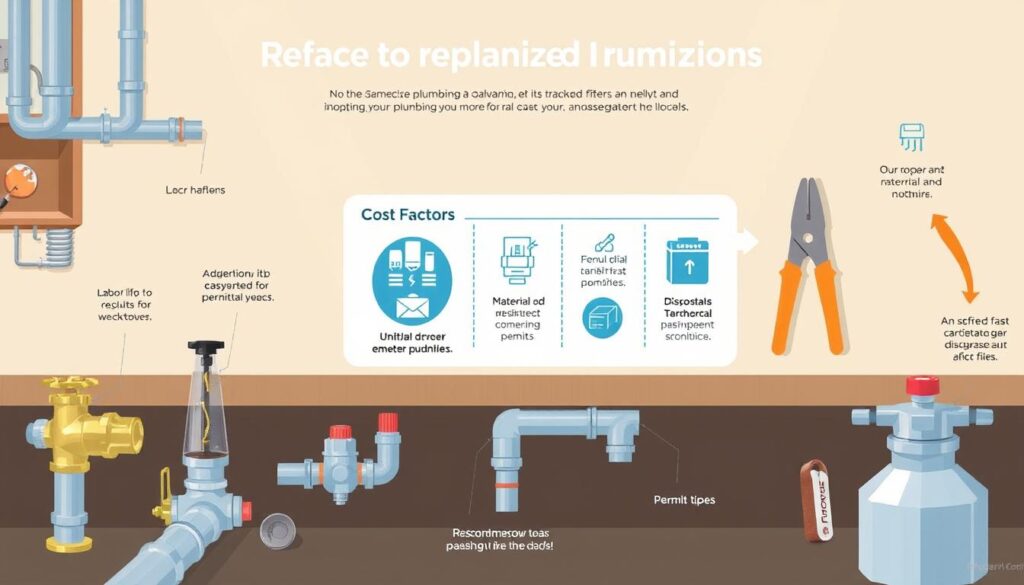
Experts say to get quotes from different plumbers to know the exact cost for your home. Repiping your home can stop water damage and make your plumbing better.
Copper vs PEX vs PVC: Comparing Pipe Replacement Materials
When you replace galvanized pipes, you’ll find three main options: copper, PEX, and PVC. Each has its own benefits, affecting the cost of copper vs galvanized pipes and installation costs.
Copper pipes are the traditional top choice for homes. They stand out because of:
- Exceptional durability
- Rust and corrosion resistance
- Longevity of 50+ years
- Excellent water flow characteristics
PEX pipes are a modern choice with big advantages for pex vs galvanized pipe installation cost. They offer:
- Remarkable flexibility
- Lower overall installation expenses
- Resistance to temperature variations
- Simplified installation through existing walls
PVC pipes are a lightweight, affordable option. But, they have limits with temperature changes and may not last as long as metal pipes.
| Pipe Material | Cost | Durability | Installation Complexity |
|---|---|---|---|
| Copper | High | Excellent | Complex |
| PEX | Low | Very Good | Easy |
| PVC | Low | Good | Simple |
Your choice should focus on long-term performance, not just initial cost. Quality can vary within each material. Talk to professional plumbers to find the best fit for your home.
Partial Replacement vs Whole House Repipe: Which Is More Cost-Effective?
Homeowners often face a big choice: fix pipes bit by bit or go for a whole house repipe. Knowing the long-term effects can save you a lot of time and money.
Choosing a whole house repipe is usually the smarter choice. Here’s why:
- Prevents recurring repair expenses
- Eliminates possible water damage risks
- Offers a full upgrade of your plumbing system
Why Complete Repiping Saves Money Long-Term
Partial replacements might seem cheaper at first, but they can cost more over time. Each fix adds to the bill:
- More contractor visits
- More wall openings and repairs
- Possible water damage from ignored areas
The One Stop Repipe Process
Today’s complete repiping has changed how we upgrade home plumbing. Experts can now do a whole house repipe in just one or two days. This quick process includes:
- Thorough pipe check
- Permit setup
- Exact pipe replacement
- Drywall fix
- Final system test
Going for a complete repipe means less hassle and better plumbing for years to come.
What’s Included in Professional Galvanized Pipe Replacement Costs?
When you look at professional plumber rates for pipe replacement, it’s key to know what’s included. A full plumbing replacement is more than just swapping out old pipes.
Professional repipe services cover many important steps for a top-notch replacement:
- Detailed pipe and connector specs with high-grade materials
- Installing angle stops and compression valves at each fixture
- Replacing pressure regulator valves in high-pressure spots
- Comprehensive site protection and careful cleanup
The cost of repipe services often includes more than you might think. Trustworthy contractors offer extra services to protect your investment:
- Getting the necessary building permits
- Repiping the main service line if needed
- Checking and possibly upgrading the water heater
- Fixing drywall for access points
- Extended warranty coverage
Knowing these services helps you compare quotes and get a complete plumbing solution for your home. Not all pipe replacement services are created equal.
A quality repiping project protects your home’s infrastructure and provides long-term peace of mind.
DIY Galvanized Plumbing Replacement vs Professional Installation
Choosing between DIY and professional installation for galvanized plumbing is tough. It affects your wallet now and your home’s value and safety later.
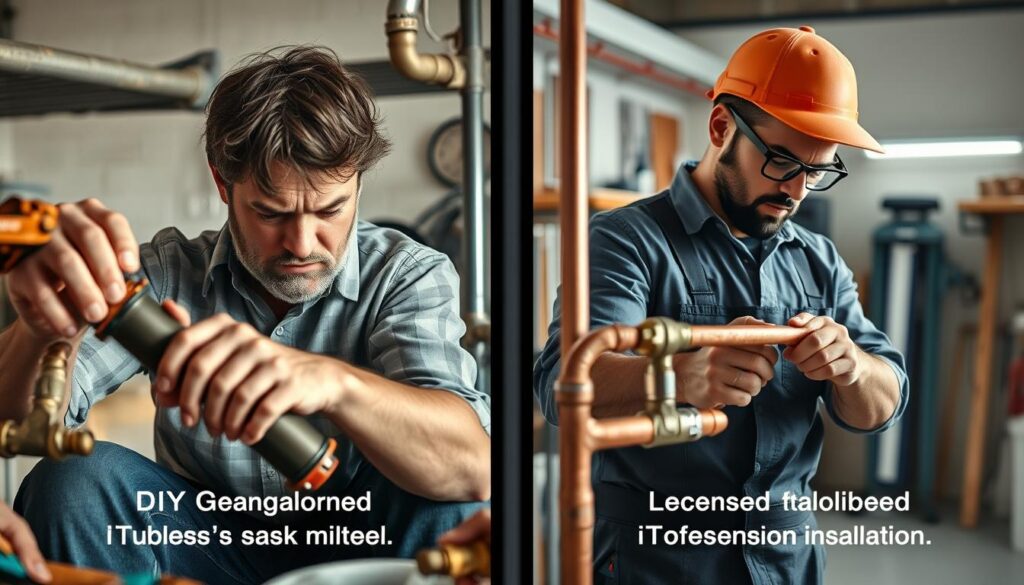
Many homeowners don’t realize how hard DIY plumbing can be. While it might seem cheaper, hiring a pro can save you money in the long run. This is because pros know how to avoid risks.
Understanding Labor Costs and Professional Rates
Professional repiping costs vary for several reasons:
- How easy it is to get to the plumbing
- The size of your home
- What plumbers charge in your area
- How complex your pipes are
Companies that specialize in repiping usually cost less than general plumbers. Their deep knowledge means they work faster and might save you money.
Hidden Expenses Beyond Basic Replacement
Plumbing permits are just the start of extra costs for replacing pipes. You also need to think about:
- Building permits and fees for inspections
- Fixing drywall and making it look new again
- Upgrading your water heater
- Cleaning up the site and protecting it
“The cheapest option isn’t always the most cost-effective in the long run.” – Professional Plumbing Association
Going with a pro can save you money. They avoid costly water damage, ensure everything is installed right, and offer warranties. DIY projects can’t offer these benefits.
How to Compare Repipe Quotes and Choose the Right Plumber
When you’re looking at repipe quotes, knowing what to look for can save you a lot of money. It’s not just about the price. You need to pick a plumber who is right for you.
Here are some important things to think about when getting quotes:
- Material Specifications: Ask for written details about the pipes (copper vs PEX), their quality, and how they’re connected
- Component Quality: Look at the specs for angle stops, valves, and supply lines
- Comprehensive Services: Make sure the quote includes:
- Pressure regulator valve
- Site protection and cleanup
- Building permits
- Potential drywall repairs
Be careful of quotes that seem too good to be true. Companies that specialize in repiping usually give more accurate and detailed estimates. The cheapest option is not always the best.
To choose a plumber, check their credentials by:
- Looking at their licenses and insurance
- Getting references from recent jobs
- Reviewing the warranty
- Understanding what work is included
A clear quote with all the details protects your money and ensures a good job.
Financing Options and Ways to Manage Replacement Costs
Replacing galvanized plumbing can be a big financial challenge for homeowners. Luckily, there are several repipe financing options to help manage these costs. These options protect your home’s infrastructure.
Understanding the financial side of plumbing replacement is key. You have several ways to handle these costs:
- Specialized payment plans for plumbing replacement
- Interest-free financing programs
- Home equity lines of credit
- Personal home improvement loans
Flexible Payment Solutions
Many repipe companies offer financing options for galvanized pipe replacement. These options can make a big expense easier to handle. Look for providers with zero-interest promotions or extended payment terms.
Understanding Home Insurance Considerations
Home insurance for water damage can be tricky with older plumbing. Insurance providers might have specific rules for homes with galvanized pipes:
- Some insurers require pipe replacement before providing full coverage
- Potential increased deductibles for water-related claims
- Limited protection for homes with aging plumbing infrastructure
Replacing your plumbing can save you money in the long run. It prevents water damage and keeps your insurance coverage. Most home insurance policies cover sudden water damage. But, they often have exclusions that could leave you at risk.
Investing in your home’s plumbing infrastructure is ultimately a financial protection strategy.
When looking at financing options, compare different providers. Check their credit requirements and think about the long-term savings. Making a smart investment in your plumbing system will benefit you in the future.
Conclusion
Replacing galvanized plumbing is a big step for your home. Pipes from before the 1960s are no longer safe. They can harm your health and water quality.
The cost of replacing these pipes might seem high, from $4,500 to $15,000. But, it’s a smart investment for your home’s future. Modern methods make the job quick, often in just one or two days. This keeps your life running smoothly while you get a new plumbing system.
Experts can guide you through the process. They’ll give you clear quotes and help with financing. This way, updating your plumbing is easier. It prevents water damage, improves water quality, and boosts your home’s value.
Don’t wait for a plumbing crisis to act. Look into your options and get expert advice. Taking care of your plumbing now will save you trouble later. Your home will thank you for it.