
Affiliate Disclosure
Plumber Guide Guys is a participant in the Amazon Services LLC Associates Program, an affiliate advertising program designed to provide a means for sites to earn advertising fees by advertising and linking to Amazon.
How Long Does Copper Plumbing Last? Did you know copper plumbing can last longer than many home appliances? In the United States, copper pipes can last up to 50 years or more. This makes them a great choice for homeowners who want durable water systems.
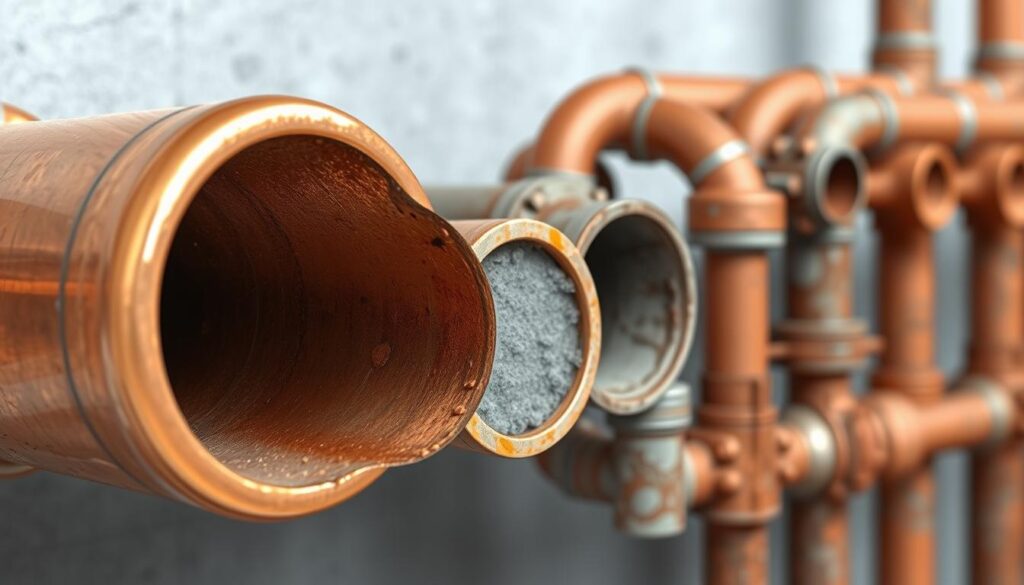
It’s important to know how long copper plumbing lasts to keep your home’s water system in good shape. When installed and maintained right, copper pipes can serve your home for decades. The copper pipe lifespan depends on several key factors that homeowners should know.
Thinking of your home’s plumbing as an investment is smart. Knowing how long copper plumbing lasts helps you make better choices about upkeep and when to replace it. Different copper pipes last for different lengths of time, with some lasting over 50 years if conditions are right.
Key Takeaways
- Copper pipes can last up to 50-70 years with proper maintenance
- Water quality significantly impacts copper pipe longevity
- Regular inspections can extend your plumbing system’s life
- Different copper pipe types have varying durability
- Professional installation is key for maximum lifespan
Table of Contents
Understanding Copper Plumbing Systems
Copper plumbing has been key in homes for many years. It ensures clean, safe water flows well. Its durability makes it a favorite among homeowners and builders.
Types of Copper Pipes in Residential Plumbing
There are different copper pipes for homes, each for a specific use:
- Type K: Thickest wall, used for underground water mains
- Type L: Medium-thickness, most common in residential interior plumbing
- Type M: Thinnest wall, suitable for low-pressure water distribution
Benefits of Copper Plumbing
Copper has many benefits that make it popular. It naturally resists corrosion, lasting longer in various settings.
| Benefit | Description |
|---|---|
| Corrosion Resistance | Naturally fights against rust and degradation |
| Antimicrobial Properties | Inhibits bacterial growth in water lines |
| Recyclability | Environmentally friendly material |
Common Applications in Modern Homes
Copper pipes are used in many important systems in homes, such as:
- Domestic water supply lines
- Refrigerator water connections
- Radiant heating systems
- Outdoor irrigation
Knowing about copper plumbing helps you choose the best for your home. Its reliability keeps it a top pick for water systems.
The Average Lifespan of Copper Pipes
Knowing how long copper pipes last is key for homeowners. Copper pipes can last 50 to 70 years, depending on several factors.
The life of copper pipes depends on a few important things:
- Water quality and chemical composition
- Installation techniques
- Environmental conditions
- Maintenance practices
Different copper pipes last for different lengths of time. Pipes inside your home usually last longer than those outside.
| Pipe Location | Average Lifespan | Potential Factors |
|---|---|---|
| Interior Water Lines | 50-70 years | Consistent water quality, protected environment |
| Exterior Water Mains | 25-50 years | Soil conditions, temperature fluctuations |
Keeping your copper pipes in good shape can make them last longer. Regular checks and maintenance are key. Also, watching your water quality and preventing corrosion can help.
Experts say it’s smart to have your pipes checked often. This helps find problems early, saving you money on big repairs later.
How Long Does Copper Plumbing Last?
Copper plumbing is a durable and reliable choice for home water systems. Knowing how long copper pipes last helps homeowners make smart choices. The lifespan of copper pipes depends on several important factors.
Factors Affecting Longevity
Several key elements determine how long copper plumbing will last in your home. These factors can either extend or shorten the copper pipe lifespan:
- Water quality and chemical composition
- Soil conditions surrounding underground pipes
- Local climate and temperature variations
- Quality of initial installation
- Maintenance and regular inspections
Expected Duration in Different Environments
The lifespan of copper pipes varies greatly depending on your environment. In the best conditions, copper pipes can last 50 to 70 years. Urban areas with stable water might see pipes last longer. But, areas with harsh water or extreme temperatures might see pipes last shorter.
Impact of Installation Quality
Professional installation is key to how long copper plumbing lasts. Proper techniques and careful connections can make your pipes last longer. Skilled plumbers know how to prevent corrosion and damage during installation.
Expert tip: Regular professional inspections can help you maximize your copper plumbing’s lifespan.
Signs of Aging and Deterioration in Copper Pipes
Spotting early signs of copper pipe corrosion can save you from costly plumbing fixes. Copper pipes don’t deteriorate quickly. Instead, they show signs over time that homeowners should keep an eye on.
Visual signs of copper pipe aging include:
- Unusual blue-green or white discoloration around pipe connections
- Small pinhole leaks developing in pipe walls
- Visible corrosion patches on pipe surfaces
- Reduced water pressure throughout your home
Changes in water quality can also hint at copper pipe issues. You might see:
- Metallic taste in drinking water
- Rust-colored or cloudy water appearance
- Sediment buildup near pipe joints
“Early detection of copper pipe corrosion can prevent catastrophic plumbing failures and protect your home’s infrastructure.” – Professional Plumbing Association
Structural signs of serious copper pipe aging include:
- Persistent water stains on walls
- Unexplained moisture around pipe connections
- Frequent pipe repairs
These signs mean your plumbing might need a professional check. They can help figure out how bad the corrosion is.
By being alert and knowing these signs, you can keep your home’s plumbing in good shape. This helps avoid water damage.
Environmental Factors Affecting Copper Pipe Durability
Copper water lines last longer if you know about environmental factors. These factors can affect how well your pipes work. Knowing them helps keep your plumbing system in good shape and stops early corrosion.
The environment around your copper pipes is key to their life span. Conditions can either speed up or slow down wear and tear. It’s important to know what risks are out there.
Water Quality and Chemical Composition
Water chemistry is a big deal for copper pipes. The quality of your home’s water can either help or harm your pipes. Chemical reactions can happen:
- Water that’s too acidic (pH below 7) makes copper pipes corrode faster
- Alkaline water can leave mineral deposits that affect pipe performance
- Minerals in the water can speed up how fast pipes break down
Soil Conditions and External Corrosion
Underground copper pipes face special challenges from the soil. Different soils can put more or less stress on pipes and cause corrosion.
| Soil Type | Corrosion Potentia | Impact on Copper Pipes |
|---|---|---|
| Clay Soil | High | Keeps moisture, speeding up corrosion |
| Sandy Soil | Low | Drains well, lowering corrosion risk |
| Rocky Soil | Medium | Physical stress from ground movement |
Climate Impact on Pipe Longevity
Your local climate affects how long copper pipes last. Temperature changes, humidity, and rain can all damage pipes.
- Extreme temperatures cause pipes to expand and contract
- High humidity increases the chance of corrosion
- Places with lots of temperature changes age pipes faster
To keep your copper plumbing safe, you need to know about these factors. Taking steps to protect your pipes is key.
Maintenance Tips for Extending Copper Pipe Life
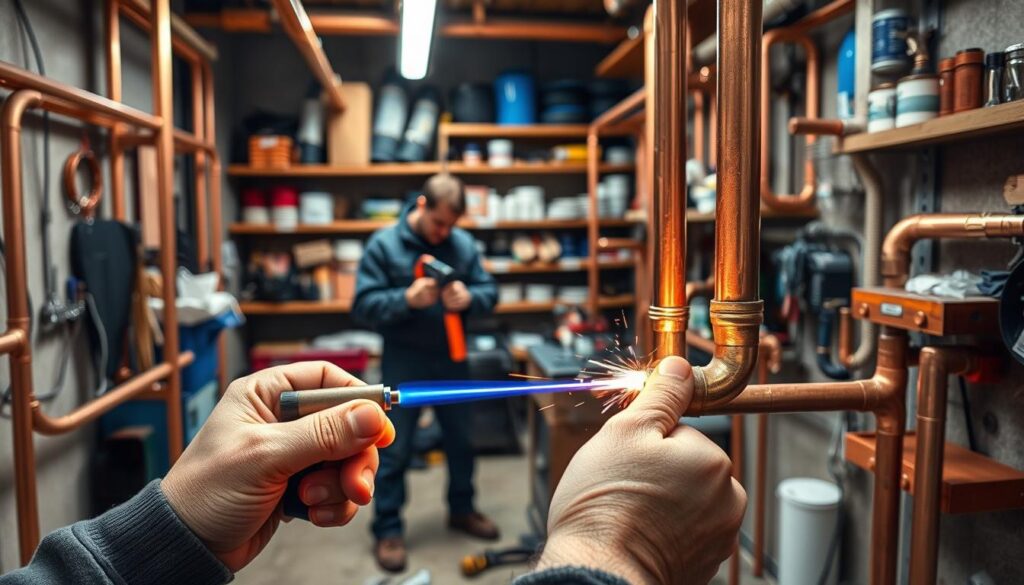
To keep your copper pipes in top shape, you need to take care of them regularly. This care can make your plumbing last longer and save you money on repairs.
Start by checking your pipes every year. Look for any signs of wear, corrosion, or leaks. Catching problems early can save you a lot of money and prevent damage.
- Conduct annual visual pipe inspections
- Check for green or blue-green discoloration
- Look for pinhole leaks or signs of corrosion
- Test water pressure regularly
Water quality is also key to keeping your pipes in good condition. Using water filters can help stop mineral buildup. Softening hard water also helps prevent scale buildup that can harm your pipes.
| Maintenance Action | Frequency | Benefit |
|---|---|---|
| Visual Inspection | Annually | Detect early signs of damage |
| Water Softener Installation | One-time | Reduce mineral buildup |
| Pressure Regulation | Bi-annually | Prevent pipe stress |
Professional tip: Insulate your copper pipes in areas with extreme temperatures to prevent cracking and minimize thermal stress.
“Preventative maintenance is always cheaper than emergency repairs” – Professional Plumbing Association
Keeping your copper pipes in good shape is all about regular care and quick action. By following these tips, you can protect your plumbing and avoid costly surprises.
Common Issues Leading to Premature Failure
Copper plumbing is known for its durability. Yet, several factors can weaken it and lead to early replacement. Knowing these issues helps homeowners protect their plumbing and avoid expensive repairs.
Copper pipe corrosion is a big threat to your home’s water system. Many environmental and structural problems can speed up pipe wear. This means you might need to replace copper plumbing before it’s time.
Electrolysis and Galvanic Corrosion
Electrolysis happens when electrical currents damage your copper pipes. This can occur through:
- Stray electrical currents from nearby power lines
- Improper grounding of electrical systems
- Direct contact between dissimilar metals
Physical Damage and Installation Risks
Bad installation can greatly reduce copper pipe performance. Key problems include:
- Incorrect pipe sizing
- Inadequate soldering techniques
- Mechanical stress during construction
- Improper pipe support
Getting a professional assessment and regular maintenance can spot risks early. This helps avoid major plumbing failures.
When to Replace Copper Plumbing
Knowing when to replace copper plumbing can save you from expensive water damage and unexpected repair costs. Copper pipes usually last between 50-70 years. But, there are key signs that show it’s time for a change.
Look out for these warning signs that your copper plumbing needs attention:
- Frequent pinhole leaks developing in pipes
- Visible corrosion or greenish-blue stains around pipe connections
- Persistent low water pressure throughout your home
- Discolored or metallic-tasting water
- Unexplained increases in water bills
Replacing copper plumbing is essential when repairs become more frequent and costly. Plumbers suggest a thorough inspection if your pipes are over 20 years old or show signs of wear.
“Proactive replacement can prevent catastrophic water damage and possible structural issues in your home.” – Professional Plumbing Association
The cost to replace copper pipes varies based on your home’s size and complexity. While it might seem expensive at first, it can save you thousands in future repairs.
Getting a professional assessment is the best way to figure out if you need to replace your copper plumbing or just fix it.
Professional Installation and Inspection Guidelines
Keeping your copper water lines in top shape needs a pro’s touch. Skilled plumbers are key to your home’s plumbing system lasting long. They ensure your copper pipes work well for years.
Looking for a pro for copper plumbing? Here’s what to keep in mind:
- Check if the plumber is certified and knows copper piping well
- Ask for detailed records of their inspection methods
- Make sure they use the latest tools for checks
- Choose plumbers with a good track record in copper pipes
A pro inspection covers important checks:
- They look closely at the pipes
- They test the pipes for leaks
- They check for corrosion and wear
- They look at how water chemistry affects the pipes
Experts say you should get a pro to check your pipes at least once a year. This can spot problems early, saving you money and avoiding big plumbing issues.
“Regular professional inspections are your first line of defense in maintaining copper water line integrity.” – Plumbing Industry Standards Council
Investing in pro installation and upkeep keeps your plumbing in great shape. It ensures your copper water lines work well for many years.
Alternative Plumbing Materials vs Copper
When picking plumbing for your home, knowing how copper stacks up against other materials is key. The copper pipe lifespan is a big deal when looking at plumbing options for the long haul.
Today, homeowners have many plumbing materials to choose from. Each has its own strengths and weaknesses, including how long they last.
Comparative Lifespan Analysis
Plumbing materials vary in durability and performance. Here’s a breakdown:
| Material | Average Lifespan | Key Characteristics |
|---|---|---|
| Copper | 50-70 years | Resistant to corrosion, reliable performance |
| PVC | 25-40 years | Lightweight, affordable, limited heat resistance |
| PEX | 40-50 years | Flexible, easy installation, cost-effective |
| Galvanized Steel | 20-50 years | Prone to rust, higher maintenance requirements |
Cost-Benefit Considerations
When looking at plumbing materials, think about these important points:
- Initial installation costs
- Long-term maintenance expenses
- Material durability
- Performance in different environments
Copper is often the first choice for many homeowners. It’s known for its reliability and long history in home plumbing systems.
Conclusion
Knowing how long copper plumbing lasts is key for homeowners. Copper pipes are a top pick for homes because they last a long time. With the right care, your copper pipes could last 50 to 70 years.
Looking after your pipes can make them last longer. Regular checks, keeping an eye on water quality, and stopping corrosion are important. This way, you can avoid expensive fixes and plumbing problems.
Experts say it’s smart to have your pipes checked often. This helps catch problems early. Even though copper pipes last a long time, things like the environment and water can affect them. Knowing about your pipes’ health is important.
By taking care of your copper plumbing, you protect your home’s water system. With regular maintenance and expert advice, your pipes will keep working well for years. This ensures your home has reliable water for a long time.