
Affiliate Disclosure
Plumber Guide Guys is a participant in the Amazon Services LLC Associates Program, an affiliate advertising program designed to provide a means for sites to earn advertising fees by advertising and linking to Amazon.
Does Plumbing Use Electricity? Ever thought about if your home’s pipes need electricity to work? Many people are surprised to find out that today’s plumbing systems use a lot of electricity.
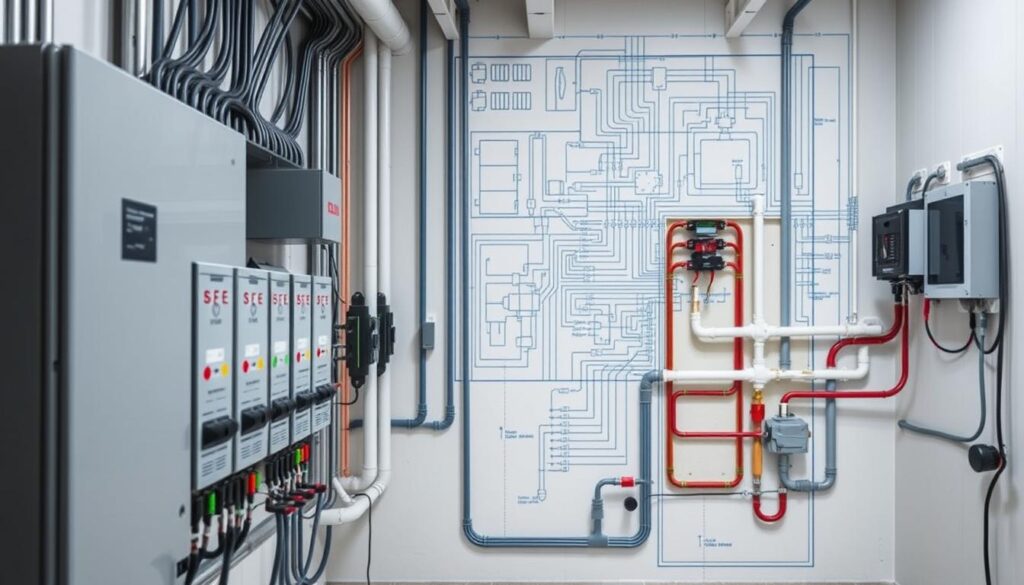
Plumbing needs have changed a lot in recent years. Old plumbing just moved water, but now it uses electricity too. This makes plumbing safer, more efficient, and easier to use.
Knowing how plumbing uses electricity is key to keeping your home in good shape. It helps avoid problems and makes choosing the right water systems easier. From water heaters to smart drainage, electricity is essential in modern plumbing.
Key Takeaways
- Modern plumbing systems rely significantly on electrical components
- Electrical requirements vary across different plumbing appliances
- Power outages can directly impact home water systems
- Smart technologies are increasing electrical dependency in plumbing
- Understanding electrical connections helps prevent system failures
Table of Contents
Understanding Modern Plumbing Systems
Modern plumbing has changed a lot with the use of electricity. Your home’s water system now uses smart electrical connections. This makes it more efficient and convenient.
Today’s plumbing systems are much more complex than before. They use electricity to manage water, heat, and more. This has changed how we use water in our homes.
Basic Plumbing Components
Knowing the basics of plumbing helps you see how it works with electricity:
- Water supply pipes
- Drainage systems
- Fixture connections
- Electrical-powered appliances
Role of Electricity in Modern Plumbing
Electricity is key in today’s plumbing. It powers water heaters and smart home systems. Without it, plumbing wouldn’t work the same way.
| Plumbing Component | Electrical Requirement | Function |
|---|---|---|
| Water Heater | 120-240V | Heat water for household use |
| Sump Pump | 120V | Prevent basement flooding |
| Smart Water Meter | Low voltage | Monitor water consumption |
Common Electrical Requirements
Your plumbing system needs specific electrical setups:
- Dedicated electrical circuits
- Proper grounding
- Voltage-specific connections
- GFCI protection for wet areas
Knowing these electrical needs keeps your plumbing safe and efficient.
Does Plumbing Use Electricity in Your Home?
Understanding how electricity affects your home’s plumbing is key. The power needed for your plumbing depends on your water source and appliances.
Different homes need different amounts of electricity for plumbing. Municipal water systems and well water setups have unique needs. These needs affect your water access during power outages.
- Municipal water systems often have backup power capabilities
- Well systems typically require continuous electrical input
- Electric water heaters stop functioning during power failures
- Smart plumbing technologies depend entirely on electricity
Modern plumbing is complex, with many fixtures needing electricity. Water softeners, filtration systems, and leak detection technologies all use electricity to work right.
Your home’s plumbing setup affects how it handles electrical issues. Knowing which systems need power helps you plan for emergencies.
Electric-Dependent Plumbing Appliances
Your home’s plumbing system needs electricity to work well. New plumbing tech has changed how we heat, move, and manage water at home.
Knowing how much electricity your plumbing needs helps you manage water better. It also stops surprises.
Water Heaters and Power Consumption
Water heaters use different amounts of power. Electric ones use 3,000 to 4,500 watts. This makes them big energy users.
- Tank-style electric water heaters need constant power
- Tankless models use less power all the time
- Energy-saving models use even less power
Sump Pumps and Drainage Solutions
An electric water pump is key to keep basements dry. It kicks in when it rains a lot or water gets too high. This keeps your home’s foundation safe.
| Sump Pump Type | Power Requirement | Average Watts |
|---|---|---|
| Submersible Pump | Constant Power | 500-1000 watts |
| Pedestal Pump | Used When Needed | 300-600 watts |
Smart Plumbing Technologies
New smart plumbing tech is changing how we manage water at home. These systems use electricity for features like monitoring, finding leaks, and saving water.
- Wi-Fi-enabled water heaters
- Smart leak detection sensors
- Automated water shut-off systems
Getting electric-dependent plumbing appliances makes your home more efficient. It also keeps your home safe from water damage.
Municipal Water Systems vs Well Water Systems
Knowing the differences between city water and well water is key. Most people get their water from the city. But, about 13 million homes use wells for their water.
Electricity is vital for well water systems. Unlike city water, wells need an electric pump to bring up water from underground. When the power goes out, wells stop working, leaving homes without water.
- Municipal water systems often have backup power sources
- Private wells rely completely on well pump electricity
- 9 out of 10 people in the United States use municipal water
Understanding your water system is important. City water is often more reliable. But, well water gives you more freedom and requires upkeep and a plan for when power is out.
Knowing your water system’s vulnerabilities can help you prepare for possible water supply breaks.
Well water users should think about getting backup power. This could be a generator or another power source. It helps keep the well pump running when the power is out.
Impact of Power Outages on Home Plumbing
Power outages can really mess up your home’s plumbing. They create unexpected problems for homeowners. Knowing how electricity affects plumbing helps you get ready for emergencies and keep your water safe.
When the power goes out, different plumbing parts act differently. Some keep working, while others stop completely.
Immediate Water Supply Disruptions
Right away, your home’s water supply can face big issues:
- Electric water pumps stop working
- Pressure systems become non-operational
- Well water systems cease water distribution
Extended Outage Concerns
Long power cuts can cause even bigger plumbing problems:
| Plumbing Component | Power Outage Impact |
|---|---|
| Electric Water Heaters | Complete shutdown |
| Sump Pumps | No water drainage protection |
| Well Pump Systems | No water extraction |
Safety Precautions
To keep your plumbing safe during outages, plan ahead. Think about getting backup generators or other power sources. This helps keep your water systems running.
“Preparation is key to managing plumbing challenges during unexpected power interruptions.” – Plumbing Safety Expert
By knowing the risks of power outages on plumbing, you can find ways to avoid problems. This helps keep your home’s water systems safe.
Non-Electric Plumbing Components That Keep Working
Some plumbing fixtures keep working even when the power goes out. Knowing about these non-electric parts helps you have water access when the electricity fails.
Gravity-fed systems are key in plumbing. They use natural water pressure and gravity. This makes them very reliable when emergencies happen.
- Gravity-fed toilets operate without electrical input
- Standard faucets with manual valves continue working
- Passive drainage systems remain functional
Your home’s mechanical plumbing infrastructure has parts that don’t need electricity:
| Plumbing Component | Power Requirement | Functionality During Outage |
|---|---|---|
| Traditional Toilet | No Electricity | Full Operational |
| Manual Sink Faucets | No Electricity | Full Operational |
| Gravity-Based Drainage | No Electricity | Full Operational |
Knowing about these non-electric parts helps you get ready for power outages. It ensures you have water access at home.
Emergency Plumbing Preparedness
It’s important to get ready for plumbing problems during emergencies. Knowing about plumbing electrical needs helps you plan well. This way, your home stays safe and functional even when power goes out.
Good emergency planning means being ready and having the right stuff. You want to keep water flowing and plumbing working smoothly.
Water Storage Solutions
Having enough water stored is key for emergencies. Here are some tips:
- Store at least one gallon of water per person per day
- Use food-grade water containers
- Rotate stored water every six months
- Keep water in cool, dark locations
Backup Power Options
Having backup power is vital for plumbing during outages. Check out these choices:
| Power Source | Capacity | Cost Range |
|---|---|---|
| Portable Generator | 3000-7500 watts | $300-$1500 |
| Whole House Generator | 10000-20000 watts | $2000-$6000 |
| Battery Backup System | 5000-10000 watts | $1000-$3500 |
Essential Emergency Supplies
Make a detailed emergency kit for plumbing needs:
- Water purification tablets
- Backup battery-powered water pump
- Plumbing repair kit
- Flashlights and extra batteries
- First aid supplies
“Preparation is the key to resilience during unexpected plumbing emergencies.” – Home Safety Expert
Being proactive with planning can greatly help keep your plumbing systems running during tough times.
Maintaining Plumbing During Power Failures
Power failures can really mess up your plumbing. They can cause big problems with your water systems. Many people don’t know how to handle these issues when the power goes out.
To keep your plumbing safe during power outages, follow these important steps:
- Insulate water pipes to prevent freezing in cold temperatures
- Keep water flowing periodically to reduce pipe pressure
- Disconnect electrical appliances connected to water systems
- Use alternative heating methods for water conservation
Water heaters need electricity to work. So, you’ll need a backup plan. Getting a generator or battery backup system is a good idea. You can also use solar or propane to heat water temporarily.
Always think about safety when the power goes out. Don’t use unsafe heating methods near your pipes. Make sure you have good air flow when using other heating sources. This helps protect your plumbing from damage.
Pro tip: Keep emergency water storage containers and basic plumbing repair tools ready for power failures.
By taking these steps, you can handle plumbing issues during power outages. This helps keep your water systems working and reduces risks.
Modern Smart Plumbing and Power Requirements
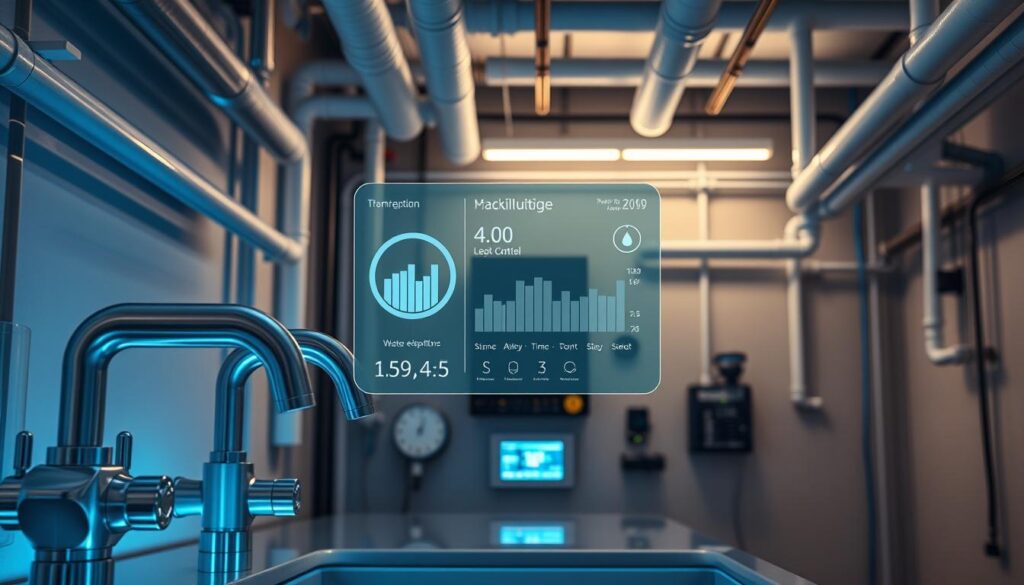
Modern plumbing has changed with smart technologies. These new devices control and save water better than ever. But, they need power to work, which can be a problem when the electricity goes out.
Smart plumbing has changed how we use water at home. Important parts that need electricity include:
- Smart leak detectors
- Automated shut-off valves
- App-controlled faucets
- WiFi-enabled water monitoring systems
These devices are great for tracking water use and finding leaks fast. But, they stop working when the power is out.
| Smart Plumbing Device | Power Dependency | Outage Impact |
|---|---|---|
| Leak Detector | High | No monitoring capabilities |
| Automated Shut-off Valve | Critical | Manual operation required |
| WiFi Water Monitor | Complete | No remote access |
To keep smart plumbing working during power outages, think about getting a battery backup. Or an uninterruptible power supply (UPS). These help keep your water system safe and working, even when the power is off.
Backup Systems and Alternative Solutions
When power goes out, your plumbing system doesn’t have to stop working. Backup systems help keep water flowing and systems working during power outages.
Homeowners have many ways to keep plumbing systems running:
- Portable generators for temporary electrical support
- Whole-house battery backup systems
- Solar-powered water pump alternatives
- Manual hand pumps for emergency water extraction
Generators are a strong choice for plumbing systems. Standby generators kick in during power failures, keeping important plumbing like sump pumps and water heaters running.
“Preparedness is the key to maintaining home infrastructure during unexpected power interruptions.” – Home Safety Expert
Battery backup systems are another smart option. These small units can power key plumbing gear for hours, covering short power losses.
Think about your home’s needs when picking a backup power solution. Size, water system type, and budget affect the best choice for your plumbing needs.
Solutions for Different Types of Properties
Power outages affect plumbing in different ways, depending on your property type. Knowing these differences helps you prepare and protect your water systems. An electric water pump is key in keeping water flowing in various homes.
Plumbing issues vary a lot between homes. Each home needs its own plan to keep water flowing when the power goes out.
Single-Family Homes
Single-family homes have more options for electric water pumps. Your plumbing system can usually handle backup solutions well:
- Portable generators to power water pumps
- Battery backup systems for electric water pump functionality
- Manual water storage containers
Apartment Buildings
Apartment buildings face big challenges with water distribution during power outages. The central water pumping system stops working, cutting off water to upper floors.
| Building Height | Water Access Impact | Recommended Solution |
|---|---|---|
| 3-5 Stories | Limited Water Pressure | Emergency Water Reserves |
| 6-10 Stories | No Water Access | Building-Wide Generator |
| 10+ Stories | Complete Water Shutdown | Comprehensive Backup Systems |
Rural Properties
Rural homes often use well water systems with electric pumps. When the power goes out, water access depends on backup power:
- Install solar-powered pump alternatives
- Maintain hand-pump emergency mechanisms
- Keep substantial water storage reserves
Proactive planning ensures continuous water access, no matter your property type or electrical setup.
Conclusion
Knowing how plumbing uses electricity is key for today’s homeowners. Your home’s plumbing system depends on electricity more than you think. From water heaters to sump pumps, electrical systems are essential for keeping water flowing and drains working right.
Does plumbing use electricity? Absolutely, yes. Modern smart technologies and appliances have made electrical systems a big part of home water management. By understanding these connections, you can get ready for power outages and keep your home safe.
Being ready for blackouts is important. Think about getting backup power like generators or battery systems to keep water flowing. Check your plumbing and find weak spots that could cause problems during power outages.
Looking after your home means thinking about your plumbing and electrical systems. With the right knowledge and planning, you can protect your home from water issues. Stay updated, plan ahead, and make your home strong against power outages.