
Affiliate Disclosure
Plumber Guide Guys is a participant in the Amazon Services LLC Associates Program, an affiliate advertising program designed to provide a means for sites to earn advertising fees by advertising and linking to Amazon.
Do You Need a Plumber to Replace Outdoor Spigot? Ever thought about if you can replace an outdoor spigot yourself or if you need a plumber? The choice depends on a few key factors. These factors affect your home’s water system and your budget.
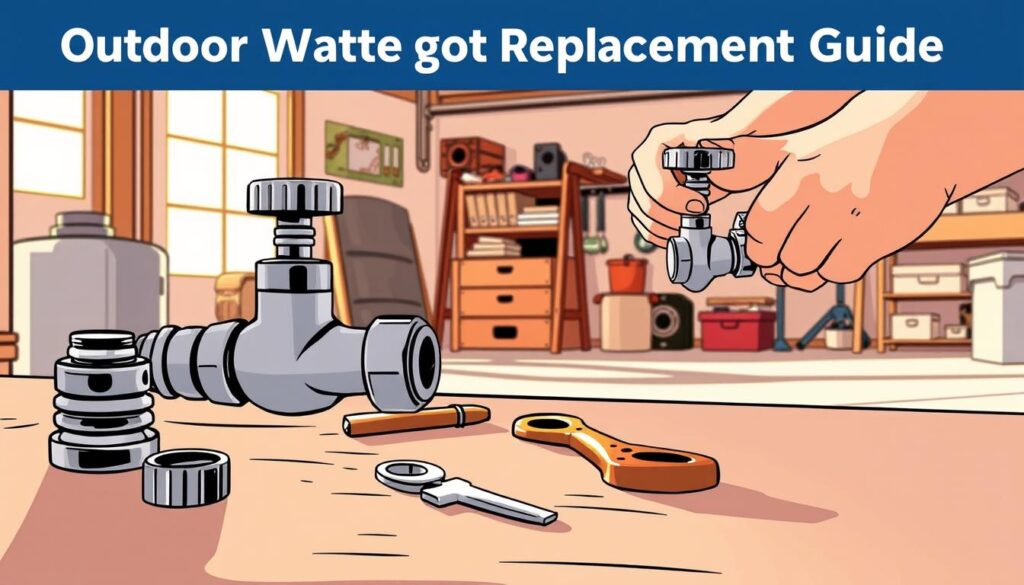
Replacing an outdoor spigot can cost between $150 to $450. This might make you think about doing it yourself. But, it’s important to know if you can handle it. Some people can replace a spigot without issues. Others might end up causing costly water damage.
This guide will help you understand outdoor spigot replacement. It will tell you if you should try to do it yourself or call a plumber.
Key Takeaways
- DIY spigot replacement can save money but requires specific skills
- Professional plumbers ensure proper installation and prevent water damage
- Replacement costs vary based on complexity and local labor rates
- Older homes might require more complex replacement procedures
- Proper tools and knowledge are essential for successful replacement
Table of Contents
Understanding Outdoor Spigot Basics and Types
Your outdoor water faucet is more than just a simple fixture. It’s a key part of your home’s water system. You need to understand it well when changing your exterior water faucet. Different spigots have unique uses and benefits for homeowners.
Choosing the right outdoor spigot can save you time, money, and prevent water damage. Let’s look at the most common types and their key parts.
Common Types of Outdoor Faucets
- Hose Bibs: Standard wall-mounted faucets with simple design
- Ball Valve Spigots: Featuring a quarter-turn handle for quick water control
- Frost-Free Spigots: Designed to prevent freezing in cold climates
- Anti-Siphon Spigots: Prevent water contamination by blocking backflow
Components of an Outdoor Spigot System
A typical outdoor spigot has several important parts during frost-free spigot installation:
- Handle mechanism
- Valve body
- Washer and seal
- Connection pipe
- Mounting bracket
Identifying Your Current Spigot Type
To figure out your current spigot, look at these key features:
- Handle style and operation
- Depth of internal valve mechanism
- Presence of anti-siphon features
- Material composition (brass, plastic, or chrome-plated)
Knowing these details helps you make smart choices about maintaining or replacing your outdoor water fixture.
Average Cost of Outdoor Spigot Replacement
Knowing the cost to replace an outdoor water spigot is key for homeowners. The price can change based on several important factors. These factors affect your total budget.
Costs for different outdoor spigots vary a lot:
- Standard hose bib: $150 – $250
- Ball valve spigots: $200 – $350
- Frost-free spigots: $250 – $400
- Anti-siphon spigots: $260 – $450
Your total cost for replacing an outdoor water spigot depends on many things. Professional installation can cost between $100 and $250. This can greatly affect the final price. Several things can influence the cost:
- Complexity of existing plumbing system
- Accessibility of water lines
- Local labor rates
- Material quality and type of spigot
If you do it yourself, you might save on labor. But, hiring a pro ensures the job is done right. This prevents water damage. Think about your skills and the needs of your spigot system before choosing.
When Professional Installation is Necessary
Choosing between DIY or hiring a pro for outdoor spigot replacement can be tough. Some jobs need a plumber’s skills to avoid mistakes and water damage.
Not all spigot replacements are for DIY fans. Some jobs need a pro to ensure it’s done right and avoid problems.
Complex Plumbing Systems
Modern homes have complex plumbing that makes spigot replacement tricky. Here are times when you should call a plumber:
- Multilayered pipe systems
- Integrated irrigation connections
- Non-standard pipe materials
- Specialized water pressure requirements
Older Home Considerations
Older homes have their own set of challenges for spigot replacement. They might have:
- Corroded pipe connections
- Outdated fitting types
- Potential structural complications
- Hidden water line issues
Signs of Water Damage or Leaks
Some signs mean you should get a pro:
| Warning Sign | Potential Issue |
|---|---|
| Persistent moisture around spigot | Hidden pipe damage |
| Rust or significant corrosion | Advanced pipe deterioration |
| Unusual water pressure | Internal pipe blockage |
| Visible wall or foundation stains | Potential structural water damage |
Professional plumbers can fix these problems fast. They prevent long-term damage to your home’s water system.
Do You Need a Plumber to Replace Outdoor Spigot?
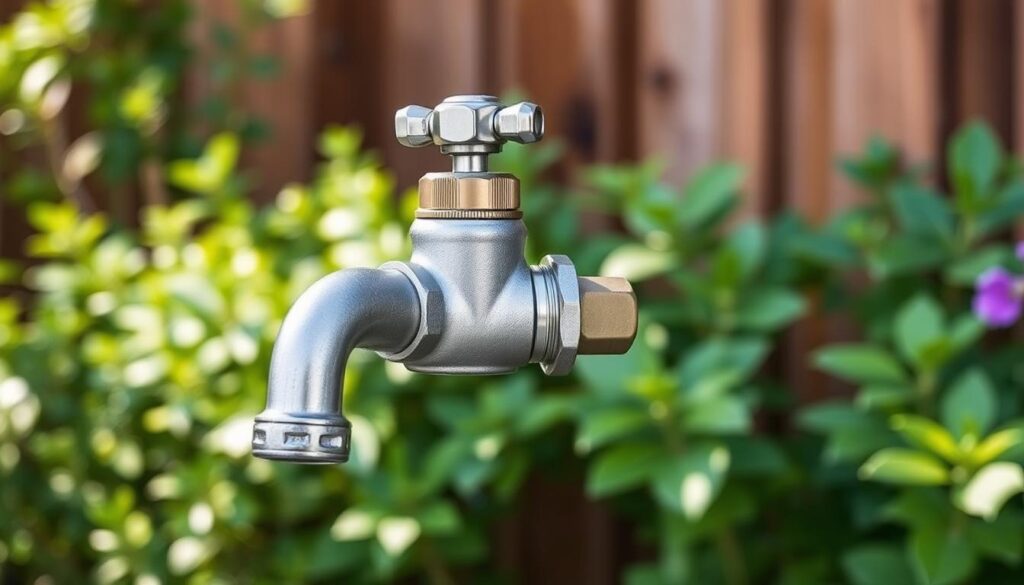
Deciding to replace an outdoor spigot yourself or hire a plumber depends on several factors. DIY installation can save money, but it’s not always the best choice. It depends on your situation.
Think about your skill level and plumbing experience. Some replacements are easy, while others need special knowledge. If you’re good at basic repairs and have plumbing experience, you might do it yourself.
- Assess your current plumbing skills
- Evaluate the complexity of your specific spigot replacement
- Check local building codes and permit requirements
When you need a plumber, look for these signs:
- Extensive water damage around the existing spigot
- Complicated pipe connections
- Older home with unique plumbing systems
- Lack of proper tools or confidence
Professional plumbers have the skills to avoid costly mistakes. They know local rules, can spot problems fast, and install correctly. While DIY might seem cheaper, wrong installation can cause water damage or more repairs that cost more than hiring a pro.
Pro tip: If you’re unsure about your ability to replace the outdoor spigot, it’s always safer to consult a professional plumber.
Essential Tools and Materials for Spigot Replacement
Getting ready for a DIY outdoor faucet installation needs careful planning and the right tools. Replacing a hose bib without a plumber is doable with the right equipment. This guide will help you gather everything needed for a successful outdoor spigot replacement project.
Required Tools for the Job
Before starting your replacing hose bib project, make sure you have these essential tools:
- Adjustable wrench
- Pipe wrench
- Plumber’s tape
- Hacksaw or pipe cutter
- Screwdriver set
- Measuring tape
Materials You’ll Need
| Material | Purpose |
|---|---|
| New outdoor spigot | Primary replacement component |
| Pipe sealant | Prevent water leaks |
| Copper pipe or PVC | Potential pipe replacement |
| Pipe fittings | Connect new spigot |
Safety Equipment
Protecting yourself is key during DIY outdoor faucet installation. Wear these safety items:
- Safety glasses
- Work gloves
- Closed-toe shoes
- Long-sleeve shirt
Pro Tip: Always turn off the main water supply before starting your spigot replacement project to prevent unexpected water flow.
Step-by-Step DIY Installation Process
Replacing a hose bib without a plumber is doable for those with some DIY skills. Before you start, make sure you have all the tools and materials needed. This will help the process go smoothly.
First, turn off the main water supply to avoid any water leaks. Find the water line inside that connects to the outdoor spigot. Make sure you have easy access to it. A guide from This Old House suggests having a bucket ready to catch any leftover water.
- Shut off main water supply
- Drain existing water from pipes
- Remove old spigot carefully
- Inspect pipe connections
- Prepare new spigot for installation
When you replace a hose bib, being precise is important. Measure the pipe connections carefully. This ensures the new spigot fits perfectly. Use Teflon tape on threaded connections to avoid leaks.
| Installation Step | Time Required | Difficulty Level |
|---|---|---|
| Water Supply Shutdown | 5 minutes | Easy |
| Old Spigot Removal | 15-20 minutes | Moderate |
| New Spigot Installation | 30 minutes | Moderate |
After you’ve installed the new spigot, turn the water supply back on. Check for any leaks. Take your time and work carefully to ensure a successful installation. This will last you for many years.
Common Installation Challenges and Solutions
Fixing outdoor faucets can be tricky for DIY fans. Knowing the common problems helps you tackle spigot replacement confidently. Your plumbing skills will be put to the test, but with the right strategy, you can beat most challenges.
Fixing outdoor faucets needs patience and smart problem-solving. Here are the main issues you might face during your spigot replacement:
Tackling Stuck Fittings
Stuck fittings are a big problem in outdoor faucet repair. To deal with them, try these steps:
- Apply penetrating oil to loosen stubborn connections
- Use adjustable pipe wrenches with careful, steady pressure
- Heat metal connections gently to expand and break corrosion
- Replace extremely corroded sections if necessary
Ensuring Proper Alignment
Getting the fittings aligned right is key for a good spigot replacement. Misaligned fittings can lead to leaks and more problems.
- Check pipe levels using a carpenter’s level
- Verify thread compatibility before connecting
- Use thread tape or pipe sealant for watertight connections
- Test alignment before final tightening
Weatherproofing Techniques
Keeping your new outdoor spigot safe from the weather is vital. Use these weatherproofing tips:
- Install frost-free spigots in cold regions
- Use exterior-grade sealants around connection points
- Add insulation sleeves for additional protection
- Ensure proper drainage to prevent water accumulation
Remember, taking your time and approaching each step methodically will help you successfully complete your outdoor faucet repair project.
Maintenance Tips for New Outdoor Spigots
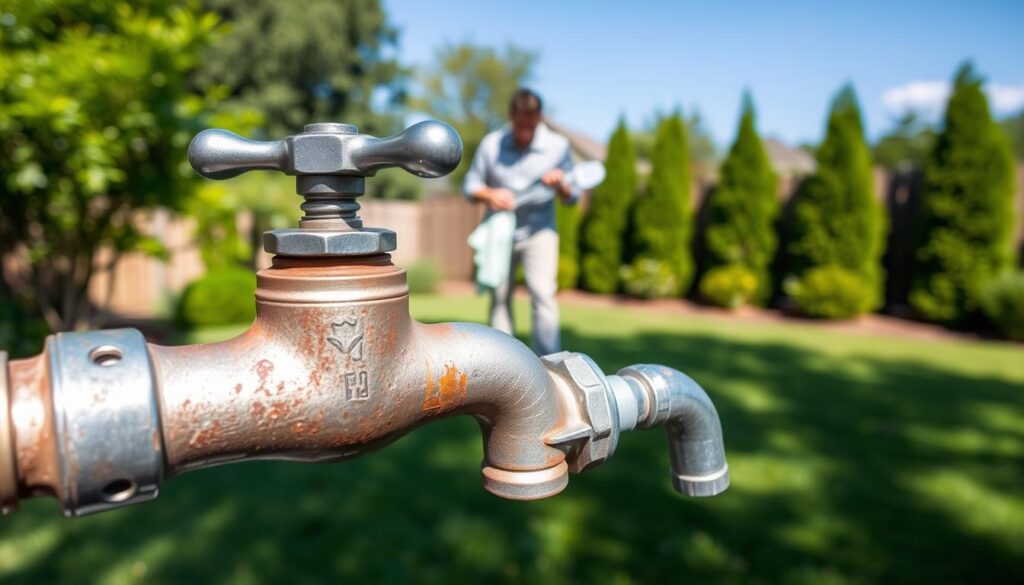
Keeping your outdoor plumbing fixtures in top shape is key. Regular care of outdoor spigots can save you money and make your system last longer.
Begin by checking your outdoor faucet regularly. Look at these important areas:
- Check for visible leaks around the spigot connections
- Inspect the handle and valve for smooth operation
- Clean the faucet screen to remove debris
- Test water pressure and flow
Regular maintenance makes outdoor faucet repair simpler. Seasonal care is critical for protecting your outdoor plumbing fixtures from damage and wear.
“Regular maintenance is the key to preventing unexpected plumbing emergencies.” – Professional Plumbing Association
In winter, take extra steps to protect your outdoor spigot:
- Install frost-free covers
- Disconnect garden hoses
- Drain water from exterior pipes
- Consider insulating exposed pipes
Lubrication is vital for your outdoor faucet’s performance. Use a silicone-based lubricant on moving parts once a year. This prevents corrosion and keeps things running smoothly.
Signs Your Outdoor Spigot Needs Replacement
Knowing when to replace your outdoor faucet is key to avoiding water damage. Repairing it might not always be enough. Sometimes, you need a full replacement to keep everything working right.
Look out for these important signs that your outdoor faucet might need to be replaced:
- Persistent water leaks around the handle or base
- Significant rust or corrosion on the spigot body
- Difficulty turning the handle or stiff operation
- Visible cracks or physical damage to the faucet
- Reduced water pressure or inconsistent water flow
Ignoring these signs can lead to bigger, more costly problems. Water waste from a damaged spigot can increase your utility bills and potentially cause structural damage to your home’s foundation or exterior walls.
“A small leak today can become a major problem tomorrow” – Professional Plumbing Advice
When fixing your outdoor faucet, watch for signs of age and wear. Spigots over 10-15 years old often need to be replaced, not just fixed.
If you see several warning signs or are unsure about your spigot, get a professional plumber’s advice. They can help with repairs and if a full replacement is needed.
Winter Protection and Freeze Prevention
Keeping your outdoor plumbing safe in winter is key to avoid expensive fixes. Freezing weather can damage outdoor spigots, causing burst pipes and costly repairs.
Frost-free spigot installation is a great choice for cold weather homes. These fixtures are made to keep water from freezing by going deeper into your walls.
- Disconnect garden hoses before winter arrives
- Install insulated spigot covers
- Consider frost-free spigot installation for long-term protection
- Drain outdoor pipes completely before extreme cold
To get ready for winter, take steps to protect your outdoor plumbing. Drainage is key to preventing water from freezing inside pipes. If you live in a cold area, getting frost-free spigot installation can save you money and trouble.
Proper winterization can prevent up to 90% of possible pipe damage from freezing.
In very cold areas, it’s wise to get frost-resistant outdoor plumbing. These spigots are made to stop water from freezing in exposed parts. This greatly lowers the chance of pipes bursting.
Conclusion
Deciding to replace an outdoor water spigot yourself or hire a pro depends on several factors. Your skill level and comfort with plumbing tasks are key. The cost of replacing a spigot can also vary a lot, so it’s important to think about your options carefully.
Before you start, check if you can handle the job. Some people can do it with basic tools and a bit of DIY know-how. But, others might find plumbing too hard. A professional plumber can avoid mistakes and make sure everything is fixed right.
Cost is another big factor. Professional installation can cost between $150 and $450. But, it might save you money in the long run by avoiding water damage and leaks. Think about your home’s age, plumbing, and local rules when making your choice.
In the end, it’s about knowing your limits and what’s best for your home. Whether you do it yourself or get a pro, make sure you plan well. This way, you’ll get a good result that works well for your home.