
Affiliate Disclosure
Plumber Guide Guys is a participant in the Amazon Services LLC Associates Program, an affiliate advertising program designed to provide a means for sites to earn advertising fees by advertising and linking to Amazon.
Do I Need Plumbing and Drainage Cover? Ever thought about what if a pipe burst and flooded your home? It could cost you thousands of dollars. Knowing if you need home plumbing insurance could save you from financial trouble.
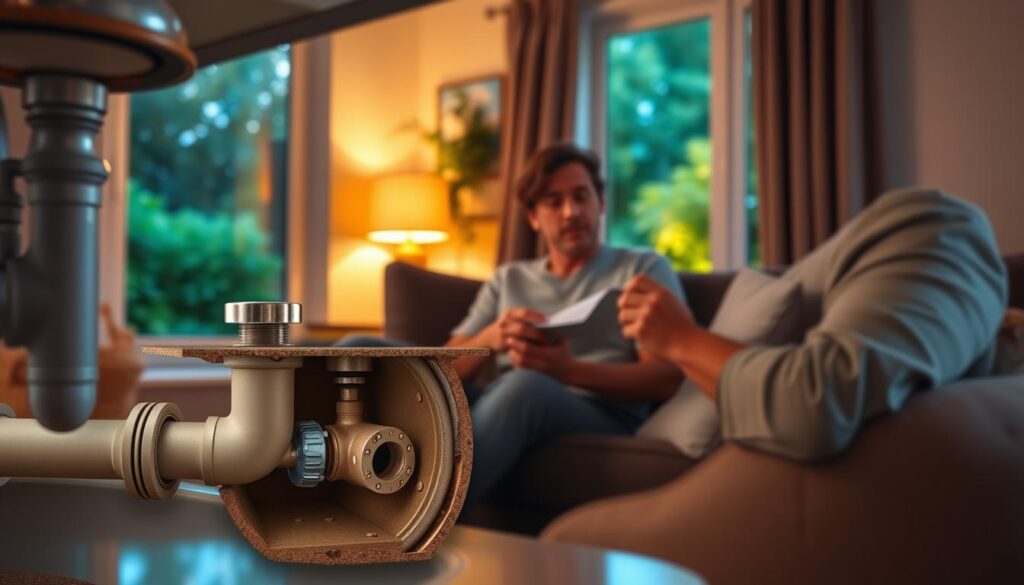
Home plumbing systems are complex and can fail without warning. This makes it important to ask if you need plumbing and drainage cover. Water systems work all the time, facing wear and tear that could lead to expensive fixes.
Your home’s plumbing is a big investment. Getting home plumbing insurance can give you peace of mind and protect your finances from system failures.
Key Takeaways
- Plumbing systems are vulnerable to unexpected failures
- Insurance can protect against high-cost repair expenses
- Different coverage options exist for various home needs
- Prevention and maintenance are key for system health
- Getting a professional assessment helps find the right coverage
Table of Contents
Understanding Home Plumbing Systems and Coverage Needs
Your home’s plumbing system is a complex network. It delivers water and removes waste. Knowing about these systems shows why drain pipe repair and water pipe protection are key.
Residential plumbing has two main parts: the supply system and the drainage system. They work together to manage water in your home.
Supply System Components
The water supply system brings clean water to your home. It comes from the city or a private well. Important parts include:
- Water main connection
- Pressure regulators
- Pipes and valves
- Water heaters
- Fixtures and faucets
Drainage System Basics
The drainage system takes away wastewater and stops water damage. It uses gravity and venting to work well. Key parts are:
- Drain pipes
- Vent stacks
- Sewer lines
- Traps and cleanouts
Common Plumbing Vulnerabilities
Knowing about common weaknesses helps protect your home. Issues that might need water pipe protection include:
- Aging infrastructure leading to pipe problems
- Tree roots getting into underground pipes
- Corrosion and mineral buildup
- Weather stress on plumbing
- Ground movement and settlement
Getting drain pipe repair coverage early can save you money and prevent big damage. Understanding your plumbing system helps you choose the right protection.
Do I Need Plumbing and Drainage Cover: Assessing Your Requirements
Figuring out if you need plumbing and drainage cover is important. It depends on your home’s unique needs. Sewer line insurance might be a good choice if you face high repair risks.
Here are some things to think about:
- Age of your home (properties over 20 years old are more vulnerable)
- Local climate and soil conditions
- Previous plumbing repair history
- Proximity to trees with extensive root systems
Your home’s setup is key to deciding if you need plumbing and drainage cover. Older homes with old pipes are more likely to break down. Tree roots can also damage pipes, which insurance might not cover.
“Prevention is always more cost-effective than emergency repairs” – Home Maintenance Experts
Think about how much risk you’re okay with. Sewer line insurance is worth it if you can’t afford sudden plumbing problems. Some people like the security of full coverage, while others might choose to handle costs themselves.
Look at your situation closely. Repair costs can be high, from $1,000 to $15,000 for big pipe jobs. The right coverage can save you from these big expenses.
Types of Plumbing and Drainage Insurance Coverage
Understanding the different insurance options for your home’s plumbing is key. Homeowners plumbing warranty plans offer various levels of protection. They help prevent unexpected repair costs and water damage.
Exploring plumbing insurance reveals several coverage types. They cater to different homeowner needs:
Basic Coverage Plans
Basic emergency plumbing service plans offer foundational protection. They cover essential home plumbing systems. These plans usually include:
- Interior water pipe repairs
- Leak detection
- Minor drain blockage removal
Comprehensive Protection Options
Comprehensive plans offer more extensive coverage. They go beyond basic services. These plans often include:
- Whole-house pipe inspections
- Exterior pipe repairs
- Water heater maintenance
Emergency Service Plans
Emergency plumbing service plans provide quick solutions for urgent issues. They ensure you’re protected during critical moments:
| Service Feature | Coverage Details |
|---|---|
| 24/7 Emergency Response | Immediate technician dispatch |
| Repair Cost Coverage | Up to $1,500 per incident |
| Response Time Guarantee | Within 2 hours of call |
Choosing the right homeowners plumbing warranty depends on your home’s age, condition, and risks. Evaluate each plan’s details to ensure your home’s plumbing is well-protected.
What’s Typically Included in Plumbing Protection Plans
When you look at pipe leak insurance, knowing what your plan covers is key. Most plans include important services to protect your home’s water systems.
Typical plumbing protection plans cover several key areas:
- Pipe repairs and replacements
- Drain blockage protection services
- Fixture replacement
- Emergency leak detection
- Water damage mitigation
Your plan usually helps with unexpected pipe failures and sudden drainage issues. Professional plumbers will assess and repair damaged pipes, addressing water damage risks. Drain blockage protection is vital for complex pipeline problems that could harm your home.
Insurance providers offer different protection levels. Basic plans might cover simple repairs. But, more detailed options include:
- Complete pipe replacement
- Underground pipe repairs
- Interior and exterior pipe system coverage
- 24/7 emergency service response
Knowing what your pipe leak insurance covers helps you choose the right protection for your home.
Cost Analysis: Insurance vs. Out-of-Pocket Repairs
Thinking about plumbing and drainage cover? It’s important to know the costs. Plumbing repairs can empty your wallet fast. That’s why home plumbing insurance is a smart choice for those watching their budget.
Plumbing problems can turn from small annoyances to big money issues. Repair costs vary a lot. It depends on how big the problem is and how hard it is to fix.
Average Repair Costs
Here are some typical plumbing repair costs:
- Minor leak repairs: $150 – $350
- Pipe replacement: $500 – $1,500
- Sewer line repairs: $1,000 – $4,000
- Water heater replacement: $800 – $2,500
Monthly Premium Comparisons
Home plumbing insurance usually costs $30 to $100 a month. This small monthly payment can save you from huge repair bills.
Long-term Financial Benefits
Getting plumbing and drainage cover has big benefits:
- Predictable monthly costs
- Protection from surprise repair bills
- Less financial stress
- Could save you thousands of dollars
By knowing your coverage options, you can choose wisely. This protects your home and keeps your finances safe.
Emergency Plumbing Services and Response Times
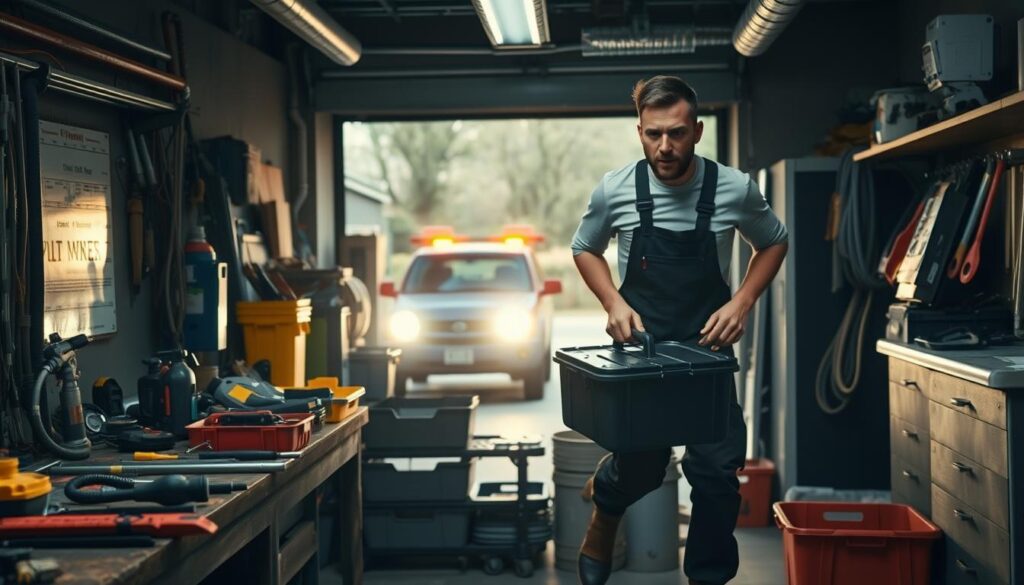
Water disasters can happen fast. Emergency plumbing plans can protect your home from big damage. Quick action is key to avoid costly repairs.
Knowing if you need plumbing and drainage cover is important for emergencies. Professionals group emergencies by how fast they need to respond:
- Critical Emergencies (1-2 hours): Burst pipes, major water leaks
- Urgent Situations (4-6 hours): Significant drainage blockages
- Standard Responses (24 hours): Minor leaks, possible pipe issues
Choosing the right emergency plumbing service is vital. Homeowners should look for plans that offer:
- 24/7 emergency support
- Quick onsite checks
- Fast action to fix problems
| Emergency Type | Average Response Time | Potential Damage Cost |
|---|---|---|
| Burst Pipe | 1-2 hours | $5,000 – $70,000 |
| Sewer Backup | 4-6 hours | $10,000 – $25,000 |
| Minor Leak | 24 hours | $500 – $3,000 |
Smart homeowners invest in emergency plumbing plans. This saves money and stress. By picking the right plan, you get quick help and peace of mind.
Coverage Limitations and Exclusions to Consider
When you look at a homeowners plumbing warranty, it’s key to know what’s not covered. Not all policies are the same. Knowing what’s not included can help avoid surprise costs.
Insurance companies often list specific things they won’t cover. These can limit your ability to get help for plumbing problems.
Pre-existing Conditions: The Hidden Catch
Most policies have strict rules about pre-existing issues. Here are some things you might not be covered for:
- Damage that existed before you got the policy
- Known problems with your plumbing system
- Wear and tear from long use
Age-related Restrictions
The age of your home’s plumbing can affect your coverage. Older homes might face:
- Tighter inspection rules
- Less coverage options
- Higher costs for the policy
Property Type Considerations
Not every home gets the same warranty. Things like how your home was built, where it is, and its maintenance history can affect your coverage.
Always read the fine print to understand exactly what your water pipe protection policy covers.
Maintaining Your Plumbing System to Prevent Issues
Keeping your home’s plumbing system in good shape is key to avoiding expensive repairs. Regular upkeep can make your pipes last longer and lower the chance of needing pipe leak insurance. This helps prevent unexpected claims.
Here are some important maintenance tips:
- Do a visual check on exposed pipes every three months
- Look for signs of leaks or corrosion
- Clean drain traps and screens every month
- Watch the water pressure to avoid pipe damage
Seasonal care is vital for your plumbing. In winter, insulate pipes to stop them from freezing. In summer, check outdoor drains for roots. Experts say to get a full plumbing check at least twice a year
“Prevention is always more cost-effective than emergency repairs” – Plumbing Industry Standard
By being proactive, homeowners can cut down on the need for costly repairs. Simple steps like not using harsh chemicals, using strainers, and being careful with what goes down drains can help a lot. These actions can stop big plumbing problems before they start.
How to Choose the Right Coverage Provider

Choosing the right plumbing and drainage cover is a big decision. It’s important to do your research and think carefully. You want to protect your home and your money.
Look at these important factors when picking a provider:
- Financial stability of the insurance company
- Customer service reputation
- Claim processing efficiency
- Comprehensive coverage options
- Pricing transparency
Decide if sewer line insurance is right for you. Think about your home’s setup and any risks it might face. Get quotes from different providers and compare them.
- Coverage limits
- Deductible amounts
- Response times for emergency services
- Network of approved repair professionals
Read online reviews and ask local contractors for advice. Make sure the provider is licensed and insured. Dig deeper than surface-level marketing materials to find out what they really offer.
Pro tip: Always read the fine print and ask direct questions about coverage exclusions before committing to a plan.
Your best provider will have clear prices, reliable service, and coverage that fits your home’s needs.
Making Claims and Accessing Service
Understanding your homeowners plumbing warranty can seem tough. But, knowing the claims process helps you use your emergency plumbing service plans with confidence. When plumbing problems pop up, knowing what to do can save you time and stress.
The secret to a smooth claims experience is being prepared and clear with your service provider.
Claims Process Steps
- Contact your warranty provider right away
- Give them all the details about the plumbing issue
- Set up an initial inspection
- Wait for their professional assessment
- Then, agree to the recommended repairs
Documentation Requirements
For successful claims, you need good documentation. Keep these materials ready:
- A detailed description of the problem
- Photos of the damaged area
- Your maintenance records
- The original warranty contract
Service Response Protocols
| Issue Severity | Typical Response Time | Service Priority |
|---|---|---|
| Emergency Leak | Within 2-4 hours | High |
| Minor Repair | 24-48 hours | Medium |
| Routine Maintenance | 3-5 business days | Low |
Pro tip: Always keep your warranty documents handy and stay in touch with your service provider. This ensures quick and effective problem solving.
Legal Requirements and Building Regulations
Understanding plumbing and drainage laws can be tricky. Your water pipe protection policy must follow local and national rules. This ensures you have the right coverage and meet legal standards.
Every area has its own plumbing rules. Knowing these is key for homeowners wanting to protect their drains and pipes.
- Local building codes dictate installation standards
- Professional licensing requirements for plumbers
- Permit regulations for major plumbing modifications
- Safety and inspection protocols
Important legal points for plumbing protection include:
| Regulation Type | Impact on Coverage |
|---|---|
| Municipal Codes | Determines repair and replacement standards |
| State Licensing Laws | Ensures qualified professional interventions |
| Federal Safety Regulations | Guarantees minimum quality of plumbing work |
Your water pipe protection policy should clearly talk about legal compliance. Insurance pros usually work with local laws to offer full coverage.
Before picking a plumbing insurance, check if it follows local rules. Make sure it also offers good protection for your property type.
Conclusion
Deciding if you need plumbing and drainage cover is important. Home plumbing insurance can protect you from unexpected repair costs. Your home’s age, condition, and risks are key to choosing the right protection.
Knowing if you need plumbing and drainage cover is vital. Each home faces different challenges, like old pipes or local environmental risks. By checking your home’s plumbing, you can find the right coverage without spending too much.
Start by looking at different insurance providers and their options. Think about your home’s risks and how they might change. Getting the right insurance is a smart way to protect your home.
Next, examine your plumbing system and compare insurance plans. Getting advice from a professional can help you find the best coverage for your home and budget.