

Affiliate Disclosure
Plumber Guide Guys is a participant in the Amazon Services LLC Associates Program, an affiliate advertising program designed to provide a means for sites to earn advertising fees by advertising and linking to Amazon.
Do Amish People Have Indoor Plumbing? In Lancaster County, Pennsylvania, an Amish farmhouse shows the balance between tradition and modern needs. Many think the Amish reject all modern conveniences. But, the truth about their bathrooms is more complex.
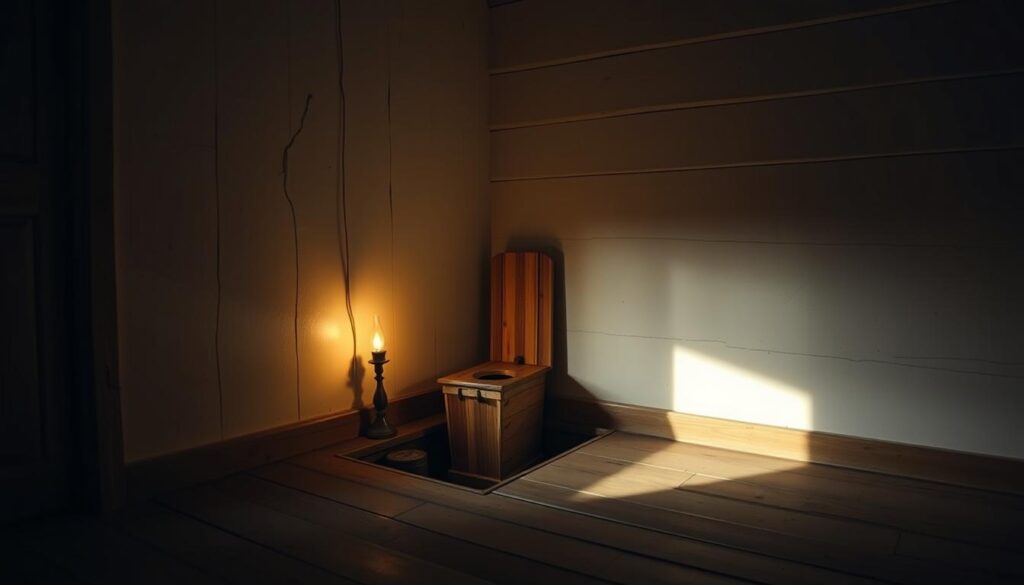
Looking into Amish plumbing shows a mix of old and new. Some Amish groups stick to old ways, while others use modern solutions that fit their values. Each group makes its own choices, breaking down simple myths.
Learning about Amish plumbing might surprise you. Different groups have different views on modern comforts. This creates a variety of lifestyles that honor tradition and meet practical needs.
Key Takeaways
- Amish indoor plumbing varies widely between different community groups
- Some Amish homes have modern plumbing systems while others use traditional methods
- Community guidelines significantly impact technological adaptations
- Practicality often drives decisions about household amenities
- Not all Amish communities reject modern conveniences completely
Table of Contents
Understanding Modern Amenities in Amish Communities
Amish homes and utilities show a blend of old ways and new tech. Each Amish group finds a balance between keeping traditions and using modern tools.
The Amish world is full of rules about modern life. Different groups have their own views on new things, making their tech use varied.
Traditional Values vs Modern Conveniences
Amish families think hard about new tech. They look at it through the lens of keeping their community strong. They consider:
- Maintaining spiritual integrity
- Preserving family unity
- Protecting community interdependence
- Ensuring sustainable living practices
Community Guidelines on Technology
Every Amish group has its own tech rules. Some allow a few electric things, while others stick to old ways.
Some common tech limits are:
- No direct electrical grid connections
- Limited use of battery-powered tools
- Strict rules on communication devices
- Prefer manual and human-powered tools
Variations Between Different Amish Orders
How much tech is allowed varies a lot among Amish groups. Some groups might use solar panels or pneumatic tools, while others stick to old ways.
“Our technology choices reflect our commitment to community and spiritual values” – Amish Community Elder
Seeing these different views helps us understand the Amish’s tech choices better.
Do Amish People Have Indoor Plumbing: The Complete Truth
Figuring out if Amish people have indoor plumbing is not simple. Their views on technology vary widely. Some communities allow a few modern comforts, while others stick to old ways.
Do Amish people have indoor plumbing? It’s not a simple yes or no. Different Amish groups handle modern amenities in their own ways. Most forward-thinking Amish have indoor plumbing, but it can vary a lot.
- Conservative orders may use outhouses or minimal indoor facilities
- More progressive groups install basic indoor plumbing systems
- Technology adoption depends on specific community guidelines
Choosing plumbing solutions is a balance for the Amish. They use gravity-fed water systems or manual pumps. These choices keep their culture alive while meeting their needs.
| Amish Order | Indoor Plumbing Approach | Technology Level |
|---|---|---|
| Conservative Sects | Minimal or No Indoor Plumbing | Very Limited |
| Progressive Communities | Full Indoor Plumbing | Moderate Adaptation |
| Mid-Range Orders | Partial Indoor Facilities | Selective Technology |
Understanding Amish plumbing is about seeing their diversity. Each community makes choices about modern life. They aim to meet needs while keeping their culture strong.
Types of Plumbing Systems in Amish Households
Amish water systems are a mix of old ways and new conveniences. Each community has its own way of managing water, showing their unique blend of practicality and tradition.
Looking into Amish plumbing shows a smart approach to water. They use simple, effective systems that meet their needs while staying true to their way of life.
Manual Water Pumps: A Traditional Approach
Many Amish homes use manual water pumps. These pumps offer several benefits:
- Direct physical interaction with water retrieval
- No reliance on electrical infrastructure
- Cost-effective water access
- Alignment with traditional community values
Gravity-Fed Water Systems
Some Amish groups have adopted gravity-fed water systems. These systems use natural elevation and pressure to move water, without needing electricity.
- Uses topographical advantages
- Provides consistent water pressure
- Minimal mechanical intervention
- Energy-efficient water distribution
Modern Adaptations in Water Infrastructure
Some Amish communities have started using modern tech in their water systems. They do this carefully, keeping their traditions alive.
The evolution of Amish water systems is impressive. They find ways to meet today’s needs while staying true to their heritage.
Bathroom Facilities in Amish Homes
Looking into Amish bathroom facilities shows a wide range of approaches. Some Amish groups stick to old outdoor setups, while others have adopted indoor plumbing.
The design of bathrooms in Amish homes changes a lot. It depends on the community’s rules and local customs. Indoor plumbing in Amish areas tries to keep cultural practices alive while meeting everyday needs.
- Traditional outhouses are common in strict Amish areas
- More open communities might have basic indoor bathrooms
- Water usually comes from hand-pumped wells or gravity systems
Most Amish homes focus on simple and useful bathroom designs. Depending on the community, you might see:
- Outdoor bathrooms
- Simple indoor bathrooms with few modern features
- Modified spaces that follow community rules
The way Amish communities handle bathrooms shows their complex view of technology. Each group chooses how to modernize, balancing needs with cultural values.
The bathroom is not just a functional space, but a reflection of community traditions and values.
Water Sources and Storage Methods
Water is essential for any community, and for Amish households, it shows their deep connection to nature. Their approach to water management is interesting. It shows how they conserve resources and care for the environment.
- Deep ground wells
- Natural spring water
- Rainwater collection systems
- Carefully managed water storage techniques
Wells and Natural Springs
Most Amish communities rely heavily on wells. These wells tap into underground water. They provide clean water for drinking, cooking, and household needs. Natural springs also offer pure water that needs little treatment.
Rainwater Collection Systems
The Amish use smart rainwater collection methods. They have roof catchment systems that channel rainwater into tanks. Each drop is a valuable asset in their water strategy.
Water Conservation Practices
“Waste not, want not” could be the unofficial motto of Amish water conservation efforts.
Water conservation is a way of life for the Amish. They use many strategies to save water, including:
- Reusing greywater for gardening
- Collecting water from multiple sources
- Using water-efficient tools and techniques
- Sharing water resources within community networks
The Amish show a remarkable commitment to the environment. Their approach is something modern societies can learn from.
Differences Between Progressive and Conservative Amish Communities
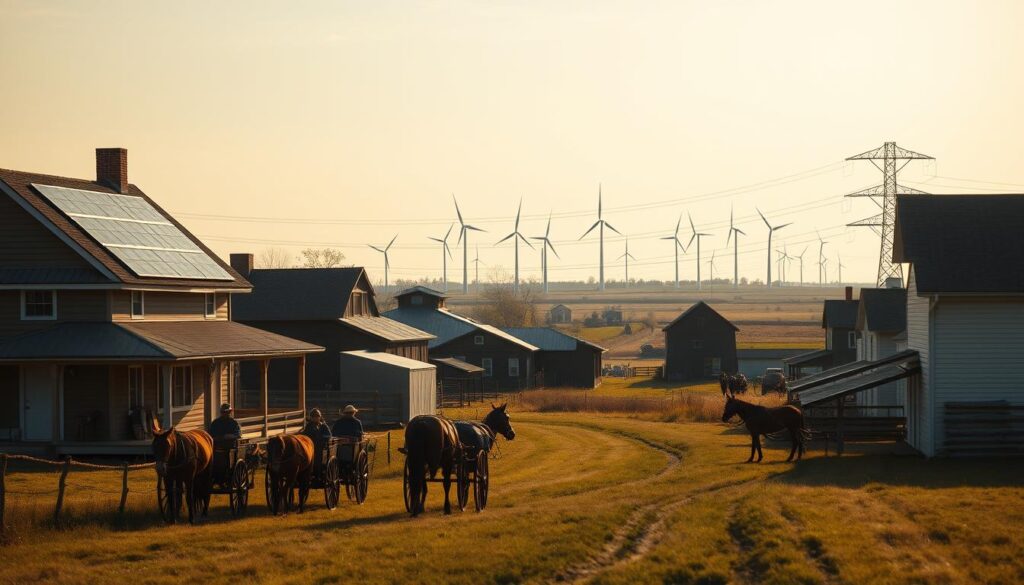
Amish communities have different rules about technology. These rules show the deep cultural differences in each group. These differences affect how they view modern conveniences.
Progressive Amish orders are more open to technology. They find ways to keep their traditions while meeting practical needs. On the other hand, conservative groups stick to old ways and avoid new technology.
- Progressive communities may use limited electrical tools
- Conservative groups reject most modern technological innovations
- Technology decisions depend on specific community interpretations
Amish communities have their own ways of dealing with modern things. Some allow special electrical systems, while others don’t use any electricity at all.
| Community Type | Technology Acceptance | Plumbing Approach |
|---|---|---|
| Progressive Amish | Moderate adaptation | Modified indoor systems |
| Conservative Amish | Minimal technology | Traditional manual systems |
“Our community decides technology based on preserving our core values and family unity.” – An Amish community elder
It’s interesting to see how Amish communities handle technology. Each group makes its own rules about technology. They do this through careful thought and shared values.
Kitchen Plumbing and Washing Facilities
Indoor plumbing in Amish communities is a mix of old ways and new comforts. Amish kitchens handle water and cleaning in unique ways, unlike most American homes.
Amish families find smart solutions for kitchen and laundry needs. They stick to their values but also meet practical needs. Their use of modern conveniences shows their cleverness.
Sink Systems in Amish Kitchens
Amish sink systems usually have:
- Hand-pumped water sources
- Gravity-fed water systems
- Large basin designs for multiple purposes
- Manually operated water flow mechanisms
Dishwashing Methods
Amish homes use old-fashioned ways to wash dishes:
- Large metal or ceramic wash basins
- Hot water heated on wood stoves
- Multi-stage cleaning processes
- Collaborative family dishwashing efforts
Laundry Facilities
Laundry in Amish communities often includes:
- Manual washing machines
- Outdoor clotheslines
- Large washbasins
- Community-shared resources
Each Amish community adjusts its kitchen and laundry based on local rules and tech comfort. This shows their ability to keep traditions alive.
Heating and Hot Water Solutions
Traditional Amish homes have unique ways to heat and get hot water. They mix old methods with some new tech. This keeps their community values strong.
Wood stoves are key for heat in many Amish homes. They offer:
- Steady warmth in winter
- Can cook and heat water at the same time
- Less need for outside energy
Some Amish groups have started using gas-powered water heaters. They want to keep their old ways but also have some modern perks.
Different Amish groups have their own ways to heat and get hot water. Some stick to wood, while others use propane or natural gas.
Here are some ways to heat water:
- Wood-fired water tanks
- Hand-heated kettles
- Water jackets on stoves
- Some gas water heaters
Learning about Amish heating and hot water shows how they keep traditions alive. They also pick smart, new ideas to help their way of life.
Environmental Impact of Amish Plumbing Practices
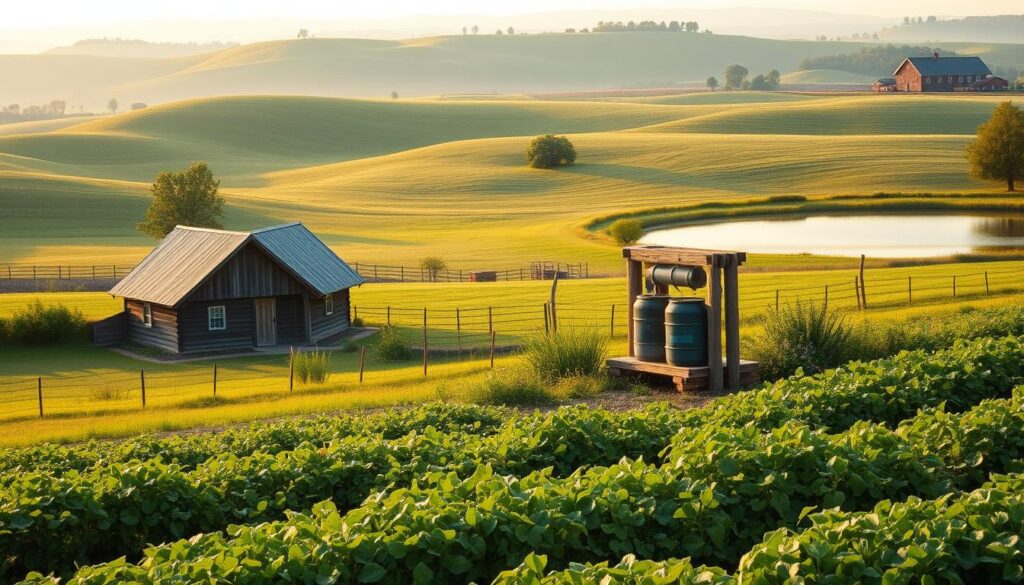
Amish water systems show a unique way to care for the environment. Their plumbing methods are a lesson for many today. They show a strong commitment to saving resources.
The Amish have a special view on technology. They use it in ways that help the planet. Unlike others, they focus on saving resources with smart, simple methods.
- Minimal water waste through gravity-fed systems
- Natural filtration techniques
- Rainwater collection and reuse
- Hand-powered water pumping mechanisms
Rainwater harvesting is a big part of their environmental efforts. They collect and use rainwater for many things. This cuts down on their need for outside water. They use:
- Underground cisterns
- Large collection barrels
- Strategic water routing systems
For the Amish, saving water is more than a practice—it’s a lifestyle. Their methods reduce harm to the environment. They keep their water clean and efficient too.
The Amish way of managing water is a sustainable model. It balances old technology with caring for the planet.
Maintenance and Installation of Plumbing Systems
Amish communities mix old skills with new ideas in plumbing. They value being self-sufficient and working together. This shows in how they handle plumbing.
Installing and fixing plumbing in Amish areas is a team effort. Community members often work together to solve plumbing problems. This shows their dedication to using resources wisely.
Community Involvement in Plumbing
The Amish find ways to maintain homes despite their simple lifestyle. They use:
- Collective problem-solving techniques
- Shared knowledge transfer between community members
- Intergenerational skill development
Professional Services and Traditional Methods
They balance old ways with new needs. Some Amish use professional help for big plumbing jobs. Yet, they stick to their core values.
| Plumbing Approach | Community Involvement | Professional Intervention |
|---|---|---|
| Manual Installations | High | Low |
| Complex Systems | Moderate | High |
| Basic Repairs | Very High | Minimal |
Our strength lies in our ability to adapt while preserving our fundamental community values.
The Amish find a smart way to mix old ways with new needs. This shows their strength and cleverness in plumbing.
Modern Adaptations in New Amish Construction
The Amish community is finding a way to keep their traditions alive while embracing modern comforts. They use new building methods that blend old values with new technology. This shows a careful balance in their approach.
Amish views on technology are changing, mainly in plumbing and home design. Young Amish folks are slowly bringing in useful new ideas. These changes help improve life but keep their cultural roots strong.
- Gravity-fed water systems replace manual pumps
- Solar-powered water heating in some progressive communities
- Improved drainage solutions that maintain traditional aesthetics
- Eco-friendly water conservation techniques
New Amish homes are getting some smart updates. Pneumatic water pressure systems and better water filters are becoming common. These upgrades make life easier without losing the simple, connected way of life.
Innovation doesn’t mean abandoning tradition, but careful adaptation to changing needs.
Different Amish groups have different views on these new comforts. Some welcome useful changes, while others stick to old ways. Each group decides for itself what technology to use.
- Progressive orders allow more technological integrations
- Conservative groups maintain stricter traditional standards
- Each community makes independent decisions about technological adoption
Looking at how the Amish adapt to technology shows their complexity. They skillfully mix old traditions with new ideas. This balance is truly impressive.
Conclusion
The world of indoor plumbing in Amish homes is quite interesting. Do Amish people have indoor plumbing? It’s not a simple yes or no. Different Amish groups have their own views on modern plumbing, showing a mix of old and new.
Amish homes show great creativity in handling water. Some use gravity-fed systems, while others prefer manual pumps. Their choices reflect their values of simplicity, working together, and caring for the environment.
Looking into Amish plumbing shows their careful choices. Each group decides on their plumbing based on what they need and their beliefs. This way, they keep their traditional way of life while meeting modern needs.
Learning about Amish plumbing gives us a peek into their culture. They balance old traditions with new needs in a smart way. Their focus on community, being green, and wise use of technology is inspiring for today’s world.