

Affiliate Disclosure
Plumber Guide Guys is a participant in the Amazon Services LLC Associates Program, an affiliate advertising program designed to provide a means for sites to earn advertising fees by advertising and linking to Amazon.
Do Amish Have Indoor Plumbing? Ever thought about the bathrooms in Amish communities? The answer to whether Amish have indoor plumbing is more complex than you might think. It varies a lot from one settlement to another.
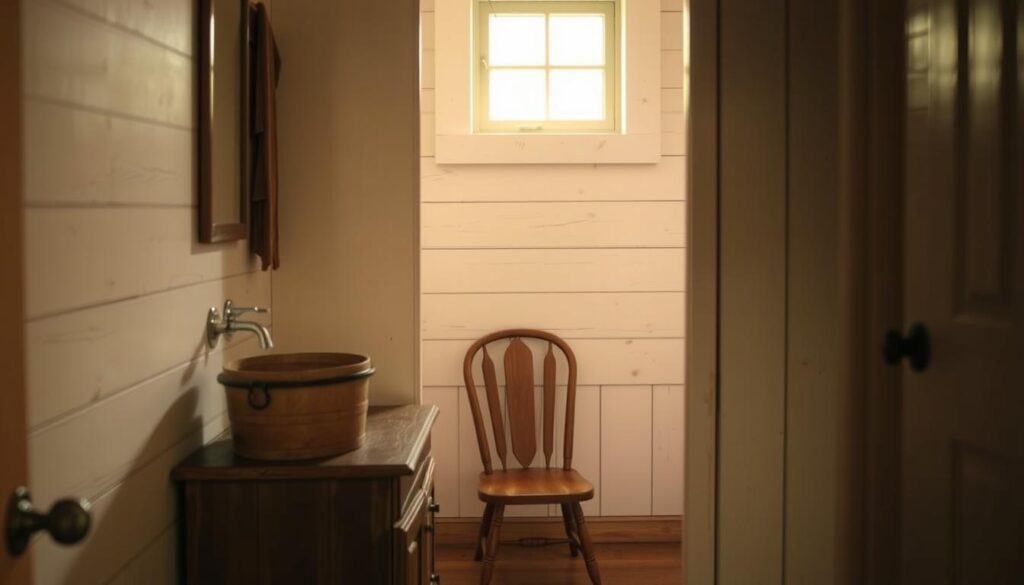
Amish bathrooms are not all the same. Some Amish groups use modern plumbing, while others stick to old ways. This might change how you see Amish life.
Exploring if Amish have indoor plumbing shows how culture, religion, and needs come together. Each Amish group has its own view on using modern comforts. This challenges what we usually think.
Key Takeaways
- Amish plumbing practices vary widely between communities
- Some Amish homes have modern indoor bathrooms
- Traditional outhouse facilities remain common in certain settlements
- Religious beliefs significantly influence technology adoption
- Each Amish community makes independent decisions about modern conveniences
Table of Contents
Understanding Amish Attitudes Toward Modern Conveniences
The Amish live in a world where tradition and practicality meet. They make choices about modern conveniences based on their culture and beliefs. Their plumbing and household items show a careful balance between old values and new needs.
Religious and Cultural Foundations
Amish communities stay separate from the rest of society. This choice affects how they see modern technology. They believe in:
- Simplicity as a spiritual virtue
- Community interdependence
- Rejection of individualistic technological advancements
This thinking guides their use of amish household utilities. They check each new thing against their cultural values.
Balance Between Tradition and Necessity
Not every new thing is turned down. The Amish are practical and adopt what helps their community. Practical necessity often trumps strict traditionalism.
Community Variations in Modern Amenity Usage
Different Amish groups see technology in their own way. Some allow small changes in plumbing, while others stick to the old ways. These differences show how the Amish adapt to new things.
Do Amish Have Indoor Plumbing?
Exploring Amish home amenities shows a mix when it comes to indoor plumbing. Different Amish communities have different views on modern conveniences. Some have indoor plumbing, while others stick to traditional ways of handling water and sanitation.
In some places, the Amish do have indoor plumbing. But it’s not the same everywhere. Lancaster County in Pennsylvania, northern Indiana, and most of Holmes County in Ohio have indoor bathrooms. These areas show how the Amish can adapt to new things while staying true to their traditions.
- Lancaster County: Mostly uses indoor plumbing
- Northern Indiana: Widespread indoor bathroom facilities
- Holmes County: Majority with modern water systems
What decides if the Amish use indoor plumbing? It depends on a few things:
- Community leadership views
- Local church rules
- Practical needs
- Environmental factors
Younger and more open Amish groups tend to accept some modern comforts. They see that some new things can make life better without going against their faith.
The key is balance between tradition and practical needs.
Understanding Amish plumbing practices means seeing the variety among them. Each community makes its own choices about modern conveniences. These choices reflect their unique cultural and religious views.
Traditional Amish Bathroom Facilities
Amish bathroom facilities are unique, blending tradition with practicality. Their outhouse traditions show a simple, resourceful lifestyle. This reflects a deep connection to rural living.
Rural Amish communities have their own ways of handling personal sanitation. Their bathrooms are a testament to their ingenuity in design and function.
Outhouse Construction and Maintenance
Amish bathrooms often include well-built outhouses. These structures are known for:
- Wooden construction with sturdy timber frames
- Simple, functional design with minimal decorative elements
- Strategically placed away from living spaces
- Regularly maintained for cleanliness and functionality
Water Supply Systems
Amish water management is all about practical solutions. They use hand-pumped wells and natural water sources for daily needs.
| Water Source | Usage | Maintenance |
|---|---|---|
| Hand-pumped Well | Drinking, Cleaning | Community Effort |
| Natural Springs | Supplemental Water | Seasonal Monitoring |
| Rainwater Collection | Garden, Livestock | Regular Cleaning |
Waste Management Practices
The Amish have advanced waste management techniques. They compost and strategically place their outhouses. This reduces environmental impact while keeping communities healthy.
These traditional bathrooms show the Amish community’s skill in creating sustainable solutions. They meet human needs while respecting nature.
Modern Adaptations in Progressive Amish Communities
Progressive Amish communities are slowly adding modern conveniences. They do this while keeping their core beliefs. This shows a smart way to mix old traditions with new needs.
Some Amish places have started to add new home items. These changes make life better without changing their main beliefs. It shows they can be flexible while staying true to their roots.
- Indoor plumbing in limited configurations
- Modified electrical systems for essential equipment
- Selective use of modern water heating technologies
- Pragmatic approach to community health standards
Different Amish groups have different views on modern things. Some allow indoor bathrooms, while others stick to old ways.
| Community Type | Modern Amenity Acceptance | Typical Modifications |
|---|---|---|
| Progressive Settlements | High | Indoor plumbing, limited electrical connections |
| Conservative Settlements | Low | Traditional outhouses, minimal technological integration |
The Amish show they can change wisely. They think hard about new tech, making sure it fits their values and needs.
Technology serves the community, not the other way around.
Learning about Amish tech shows their clever balance. They keep their traditions strong while meeting new challenges. This proves that old and new can live together well.
Environmental Impact of Amish Plumbing Practices
The Amish community shows great care for the environment through their plumbing ways. They manage water and waste with respect for nature and sustainable living.
Sustainable Waste Management Strategies
Amish plumbing systems aim for ecological balance. They use smart waste management to lessen environmental harm:
- Composting waste management
- Natural filtration systems
- Minimal water consumption methods
Water Conservation Methods
Amish water systems are very good at saving resources. They use simple yet effective ways to use less water:
- Rainwater collection systems
- Gravity-fed water distribution
- Manual water pumping mechanisms
| Conservation Method | Water Savings | Environmental Impact |
|---|---|---|
| Rainwater Harvesting | Up to 40% reduction | Significant ecosystem preservation |
| Composting Waste Systems | Minimal water usage | Reduced groundwater contamination |
| Manual Water Pumping | Zero electrical consumption | Low carbon footprint |
Natural Resource Stewardship
The Amish go beyond just water management in protecting the environment. Their holistic approach to resource utilization shows deep understanding of nature’s connections.
By adopting Amish plumbing methods, communities can learn a lot about living sustainably and managing resources wisely.
Health and Hygiene Considerations
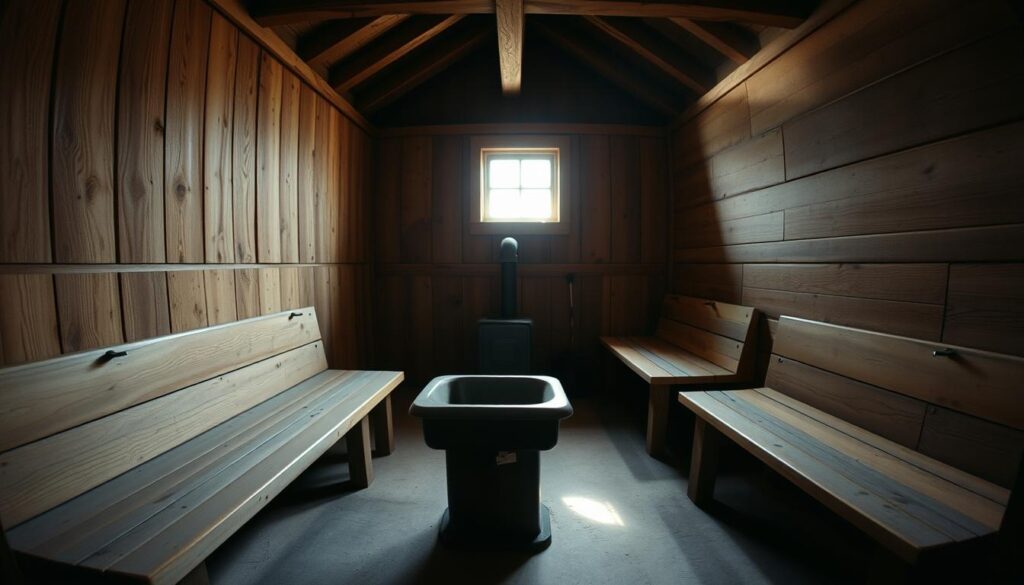
Amish communities show a strong dedication to health and hygiene, even with their traditional bathrooms. They go beyond just cleaning. They have deep cultural practices that focus on keeping themselves and their environment clean.
The way they manage their household utilities shows they really understand health. They clean with:
- Natural solutions like vinegar and herbs
- Regular disinfection of bathrooms
- Strict personal hygiene rules
- Good waste management systems
Preventative health strategies are key in Amish sanitation. They keep their environments clean with careful routines. This helps avoid health problems linked to traditional bathrooms.
| Hygiene Practice | Method | Frequency |
|---|---|---|
| Outhouse Cleaning | Lime and Natural Disinfectants | Weekly |
| Personal Sanitation | Soap and Water Washing | Multiple Times Daily |
| Waste Management | Composting and Proper Disposal | Continuous Monitoring |
By looking at these practices, we see the Amish keep high health standards. They show that old-fashioned facilities can be managed well with the right knowledge and effort.
Regional Differences in Amish Plumbing Practices
Amish communities across the United States show interesting differences in plumbing and home amenities. Some groups use modern conveniences, while others stick to traditional ways. These choices reflect their cultural beliefs.
The way Amish handle plumbing varies a lot by region. Each community finds its own way to manage water and waste. They do this based on their religious and cultural rules.
Lancaster County Standards
In Lancaster County, Pennsylvania, Amish homes are more modern. Most have:
- Indoor bathrooms
- Running water systems
- Modern plumbing with some changes
Holmes County Variations
The Amish in Holmes County, Ohio, have a different approach. Some allow indoor plumbing, while others use community-approved methods for water.
“Our water systems reflect our commitment to simplicity and community values,” says an Amish elder from Holmes County.
Indiana Amish Communities
Northern Indiana’s Amish are flexible with modern amenities. Their plumbing includes:
- Regulated indoor water systems
- Shared community water resources
- Sustainable waste management
Looking at these differences shows how Amish communities balance tradition and practicality in their lives.
Alternative Solutions to Modern Plumbing
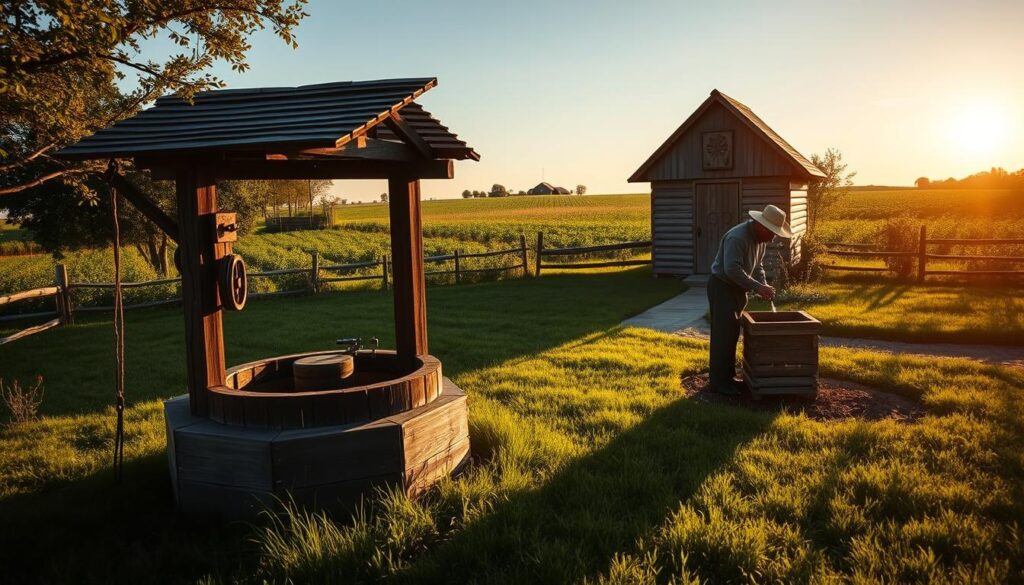
The Amish have found clever ways to avoid modern plumbing. They stick to simple, self-sufficient methods. These might surprise those used to today’s water systems.
Hand-operated water pumps are key in Amish water systems. They don’t need electricity to work. Families put these pumps in kitchens for easy access to fresh water.
- Rainwater collection systems capture natural precipitation
- Hand-powered pumps serve as primary water sources
- Basin and sponge bath methods replace modern shower facilities
Water conservation is a big deal for the Amish. They’ve learned to use less water without sacrificing cleanliness. They collect rainwater to use it wisely.
The Amish go beyond just getting water. They use composting toilets and smart waste systems. These are good for the planet and work well. They help keep communities clean and sustainable.
Simplicity is the ultimate sophistication in Amish water management.
Conclusion
Exploring Amish plumbing shows a mix of tradition, adaptation, and innovation. The question “do Amish have indoor plumbing” is complex. Each Amish community has its own way of dealing with modern conveniences.
Amish homes show great resourcefulness. Some stick to outhouses and manual water systems, while others use modern plumbing. This shows their careful balance between tradition and practical needs.
Now you know more about Amish plumbing than you thought. Their approach values sustainability, community, and intentional living. By looking at how different Amish places handle water and sanitation, we learn about resourceful problem-solving and keeping cultural identity strong in a changing world.
The variety in Amish plumbing practices highlights the complexity of their communities. Whether they use old outhouses or newer plumbing, each choice is a thoughtful balance between heritage and human needs.