
Affiliate Disclosure
Plumber Guide Guys is a participant in the Amazon Services LLC Associates Program, an affiliate advertising program designed to provide a means for sites to earn advertising fees by advertising and linking to Amazon.
Can You Use Electrical Solder for Plumbing? Ever thought about using electrical solder for plumbing repairs? It’s a common question for DIY fans and repair pros. Knowing the difference between plumbing and electrical solder is key.
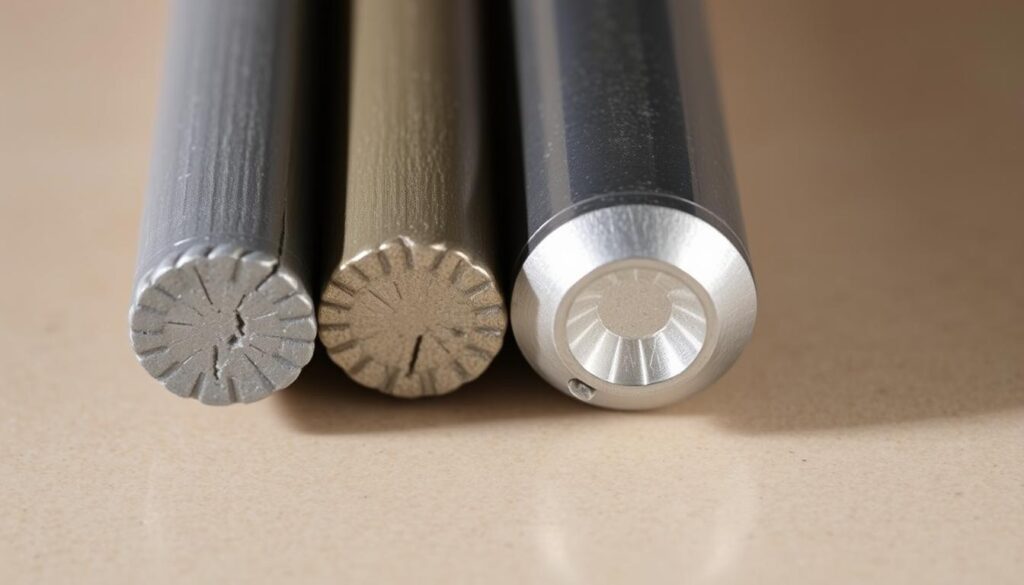
Soldering is used for both metal pipes and electrical connections. But, electrical and plumbing soldering have different needs. So, can you use electrical solder for plumbing? The answer is not simple.
The main differences are in the metal, melting points, and safety. Wrong solder can cause weak joints, leaks, and health risks. This guide will help you understand soldering better and make the right choices for your projects.
Key Takeaways
- Not all solder is created equal for different applications
- Plumbing and electrical solders have distinct chemical compositions
- Using the wrong solder can compromise joint integrity
- Safety is a top priority when choosing soldering materials
- Getting expert advice can avoid expensive errors
Table of Contents
Understanding the Basics of Soldering in Plumbing
Soldering is a key skill in plumbing that makes strong connections between copper pipes. Knowing the basics of soldering can greatly improve your plumbing work’s quality and last longer.
Soldering copper pipes involves joining metal surfaces with heat and a filler metal. It’s different from welding because it uses lower temperatures and special techniques for a leak-free bond.
What is Soldering and How Does it Work?
Soldering copper pipes with electrical solder needs careful heat and material application. The idea is to heat the metal so the solder flows well and makes a strong bond.
- Clean metal surfaces are essential for successful soldering
- Proper heat application ensures optimal solder flow
- Flux helps remove oxidation and promote better bonding
Types of Metal Alloys Used in Soldering
When picking solder for plumbing, choose lead-free solder. Different alloys have different strengths and work with different pipe materials.
| Solder Type | Composition | Best Use |
|---|---|---|
| Lead-Free Copper Solder | Tin/Copper Blend | Potable Water Systems |
| Silver Solder | Silver/Copper Mixture | High-Temperature Applications |
The Role of Heat in the Soldering Process
Heat is key to making strong solder joints. You’ll need a reliable torch for even and efficient heating. Proper temperature control prevents pipe damage and ensures a clean, strong connection.
“Mastering heat application is the key to successful plumbing soldering” – Professional Plumbing Experts
Always work in a well-ventilated area and wear the right safety gear when soldering copper pipes. It takes patience, precision, and practice to get professional-quality results.
Can You Use Electrical Solder for Plumbing?
When you think about using electrical solder on water pipes, remember that not all solder is the same. Plumbing needs special soldering techniques and materials for safe water connections.
Electrical solder is different from plumbing solder in a few important ways:
- Composition varies between electrical and plumbing applications
- Melting temperatures are not consistent across solder types
- Flux for plumbing solder has unique chemical properties
What you need for soldering determines the type of solder and flux to use. Plumbing solder must handle water pressure, temperature changes, and corrosion.
| Solder Type | Melting Point | Recommended Use |
|---|---|---|
| Electrical Solder | 190-400°F | Electronic Connections |
| Plumbing Solder | 360-500°F | Copper Water Pipes |
Professional plumbers always suggest using specialized plumbing solder for lasting, leak-free connections. Using the wrong solder can lead to water contamination and pipe failures.
Essential Differences Between Plumbing and Electrical Solder
When you’re doing DIY plumbing repairs with solder, it’s key to know the big differences between plumbing and electrical solder. The wrong solder can cause problems or even be unsafe.
Both pros and DIY folks need to understand what makes these solders different.
Melting Point Variations
For water lines, you need solder that can handle high temperatures and water pressure. Plumbing solder has a higher melting point than electrical solder.
- Electrical solder: Lower melting point (around 350-450°F)
- Plumbing solder: Higher melting point (400-1200°F)
Chemical Composition Differences
The makeup of solder is very important. Plumbing solders are made to create strong, leak-free connections in water systems.
| Solder Type | Primary Composition | Best Use |
|---|---|---|
| Electrical Solder | Tin-Lead Alloy | Electrical Connections |
| Plumbing Solder | Lead-Free Copper-Phosphorus | Water Line Connections |
Safety Considerations for Different Applications
Choosing the right solder is about more than just how well it works. It’s also about keeping your water safe. Never use electrical solder for plumbing because it can harm your pipes and water.
- Check local building codes
- Use lead-free solders for potable water lines
- Verify material compatibility before soldering
Required Tools and Materials for Proper Plumbing Soldering
Before starting a plumbing soldering project, you need the right tools and materials. Whether you’re a pro plumber or a DIY fan, knowing what you need is key for a good job.
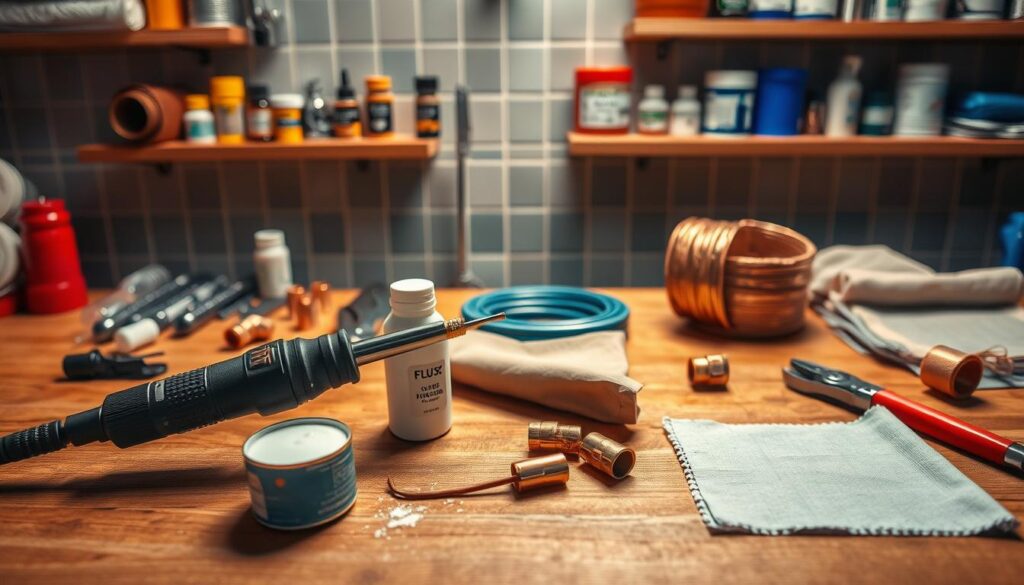
- Soldering torch with adjustable flame
- Pipe cutter for precise copper pipe cutting
- Deburring tool to smooth pipe edges
- Wire brush for cleaning pipe surfaces
- Emery tape for removing oxidation
- Safety equipment including heat-resistant gloves
- Safety glasses for eye protection
- Fire extinguisher as a safety precaution
When picking solder, choose plumbing solder made for copper pipes. Rosin core solder is not recommended for plumbing because it can contaminate the water and is not safe.
| Tool Category | Specific Items | Purpose |
|---|---|---|
| Cutting Tools | Pipe cutter, wire brush | Prepare pipe surfaces |
| Cleaning Tools | Emery tape, steel wool | Remove oxidation and debris |
| Heating Equipment | Propane torch | Apply heat for soldering |
| Safety Gear | Gloves, safety glasses | Protect from heat and debris |
Don’t use rosin core solder for plumbing. It can ruin your project. Always pick solder made for plumbing to get a job that lasts.
The Importance of Flux in Plumbing Applications
Flux is key when soldering pipes. It helps create strong, reliable connections. The right flux makes sure your joints are clean and leak-free, ready for tough plumbing tasks.
Flux does many important things during soldering. It cleans metal surfaces, helps solder flow smoothly, and stops corrosion.
Types of Flux for Plumbing
There are different flux types for plumbing. You’ll mostly see two:
- Acid Flux: Good for cleaning copper pipes
- Rosin Flux: A milder option with less corrosion risk
Proper Flux Application Techniques
Applying flux needs precision and care. Clean the pipe surfaces well before applying flux. Use a small brush to spread a thin layer of flux around the joint.
| Flux Type | Best Used For | Cleaning Strength |
|---|---|---|
| Acid Flux | Copper Pipe Connections | High |
| Rosin Flux | Delicate Metal Joints | Moderate |
Safety Considerations When Working with Flux
When working with flux, safety is top priority. Wear gloves and work in a well-ventilated area. Electrical solder flux is not for plumbing.
Always pick a flux made for your plumbing job for the best results and lasting connections.
Proper Preparation Techniques for Soldering Copper Pipes
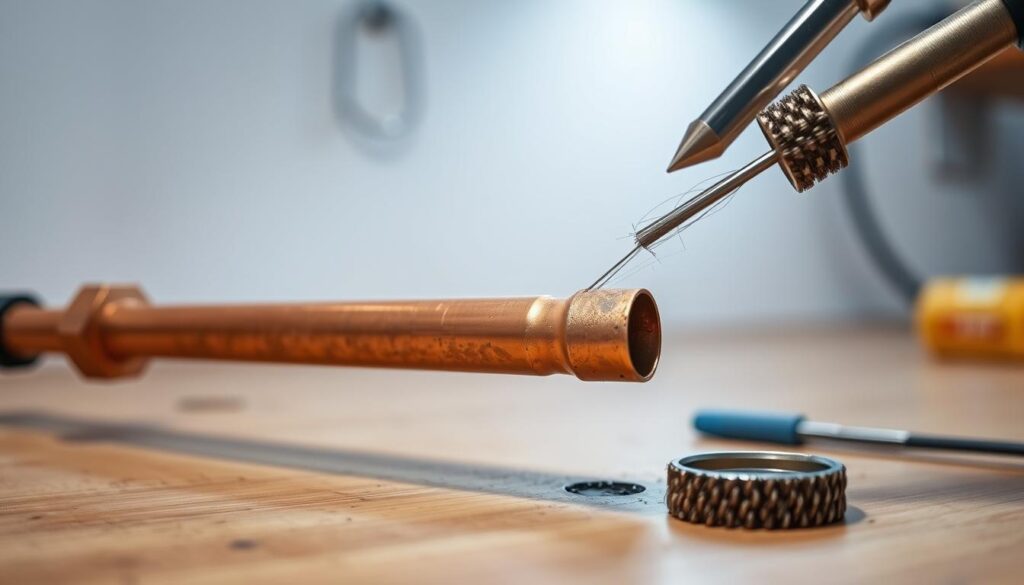
Starting diy plumbing repairs with solder means you must prepare well. Soldering copper pipes needs careful attention before you start. This ensures strong, reliable connections.
Success in soldering copper pipes depends on three main steps:
- Cleaning the pipe surfaces thoroughly
- Removing any surface oxidation
- Ensuring perfect pipe alignment
First, check your copper pipes for dirt, grease, or debris. These can ruin the soldering process. Use a clean cloth or a copper pipe cleaning solution.
Deburring is key. It removes small metal edges or sharp spots. Use a deburring tool or fine-grit sandpaper for smooth surfaces.
Important steps include:
- Measuring and cutting pipes precisely
- Cleaning pipe ends with emery cloth
- Checking pipe alignment
- Applying appropriate flux
Professional plumbers say good preparation is vital. It can prevent leaks and water disasters. Spend time on these steps for a successful repair.
Step-by-Step Guide to Soldering Plumbing Joints
Soldering plumbing joints needs precision and careful technique. You’ll need to follow a specific process to ensure a strong, leak-free connection. It’s important to know the difference between plumbing solder and electrical solder for professional results.
Cleaning and Preparing the Joint
Proper preparation is key for successful soldering. Start by following these steps:
- Clean the copper pipe and fitting thoroughly with sandpaper or a wire brush
- Remove all dirt, oxidation, and debris from the surfaces
- Apply plumbing flux evenly around the joint area
- Ensure the surfaces are completely dry and free from contaminants
Applying Heat and Solder
When applying heat and solder, precision is essential. Use a propane torch to heat the joint evenly:
- Light the propane torch carefully
- Direct the flame to the middle of the fitting
- Heat for 4-5 seconds until the flux begins to sizzle
- Distribute heat evenly around the joint
- Touch the solder to the heated joint, allowing it to flow naturally
Cooling and Testing the Joint
After soldering, proper cooling and testing are vital for a secure connection:
- Allow the joint to cool naturally at room temperature
- Do not move or disturb the joint during cooling
- Perform a pressure test to check for any leaks
- Inspect the joint for smooth, even solder coverage
Pro tip: Always use lead-free solder designed for plumbing to ensure safe drinking water and comply with current building codes.
Common Mistakes to Avoid When Soldering Plumbing
Soldering plumbing joints needs precision and careful attention. Many DIY folks make big mistakes that can harm their plumbing. Knowing these mistakes can save you from expensive fixes and water damage.
Using electrical solder for plumbing is a big mistake. It’s not made for water and can make weak, unreliable joints.
- Skipping pipe deburring: Rough pipe edges prevent smooth connections
- Using incorrect solder type: Rosin core solder is not suitable for plumbing
- Improper cleaning of pipe surfaces
- Inadequate heat application
- Neglecting proper flux usage
Rosin core solder on plumbing is also a problem. It has flux for electrical work, not water pipes.
| Mistake | Potential Consequences |
|---|---|
| Using Wrong Solder | Weak joints, possible leaks |
| Insufficient Cleaning | Poor solder adhesion |
| Incorrect Heat Application | Incomplete bonding |
To get a good plumbing connection, take your time and follow the right soldering steps. Clean pipes well, use the right solder, and heat evenly. Patience and attention to detail are your best tools for soldering plumbing joints.
Safety Considerations and Best Practices
Soldering plumbing joints needs careful safety steps. When using safe soldering materials for water lines, protecting yourself and your area is key. Both professional plumbers and DIY fans must know the important safety steps to avoid dangers.
Following the right safety steps is key for successful plumbing projects with lead-free solder. Your safety should always be the main focus during soldering work.
Proper Ventilation Requirements
Good ventilation is vital when soldering. Soldering releases harmful fumes that can harm your health. Here are some ventilation tips:
- Work in a well-ventilated area with open windows
- Use a portable fan to direct fumes away from your breathing space
- Consider using a fume extraction system for enclosed spaces
- Take frequent breaks in fresh air
Personal Protective Equipment
Wearing the right safety gear is essential. Your safety gear should include:
- Safety glasses with side shields
- Heat-resistant gloves
- Long-sleeved clothing
- Respirator or mask rated for metal fume protection
Fire Safety Measures
Fire safety is a must during soldering. Keep these fire safety tips in mind:
- Have a fire extinguisher nearby
- Remove flammable materials from your work area
- Use a fire-resistant work surface
- Never leave soldering equipment unattended
Remember, your safety is more important than any plumbing project. Always prioritize protective measures and take your time to work carefully.
Alternative Methods for Joining Plumbing Pipes
If you don’t like using solder for DIY plumbing, there are safe alternatives. These methods help you fix pipes well and safely.
Both pros and DIY fans have many ways to join pipes without a torch. These options are flexible and simpler for beginners.
- Push-Fit Fittings
- Need no special tools
- Easy to install
- Works with many pipe types
- Compression Fittings
- Makes a tight seal
- Can be reused
- Good for copper and plastic pipes
- Pipe Crimping
- Uses a tool to connect
- Needs a crimping tool
- Makes a strong, lasting joint
Each method has its own benefits for different plumbing jobs. Your choice depends on your project, skills, and tools.
“The right connection method can make all the difference in successful plumbing repairs.” – Professional Plumbing Association
These alternatives are great, but know your plumbing project well before choosing a method.
Conclusion
Using electrical solder for plumbing is not a good idea. Plumbing needs special solder for safe repairs. This is because plumbing and electrical soldering have different needs.
Plumbing solder has changed a lot, moving away from lead. In the last few decades, we’ve learned more about lead dangers. This has led to safer options for plumbing.
Choosing the right solder is key to keeping your water safe and healthy. Knowing the difference between electrical and plumbing solder is important. It helps make sure your pipes are safe and last a long time.
Both pros and DIY folks should use plumbing solder. Using the right materials and techniques is important. It keeps your pipes working well and your family safe.