
Affiliate Disclosure
Plumber Guide Guys is a participant in the Amazon Services LLC Associates Program, an affiliate advertising program designed to provide a means for sites to earn advertising fees by advertising and linking to Amazon.
Can You Use 90 Bends on Plumbing Vent Pipe? Ever thought about the twists and turns behind your walls? Plumbing vent pipes are key to your home’s drainage. But, not all bends are the same. Using 90 bends on plumbing vent pipes isn’t always okay.
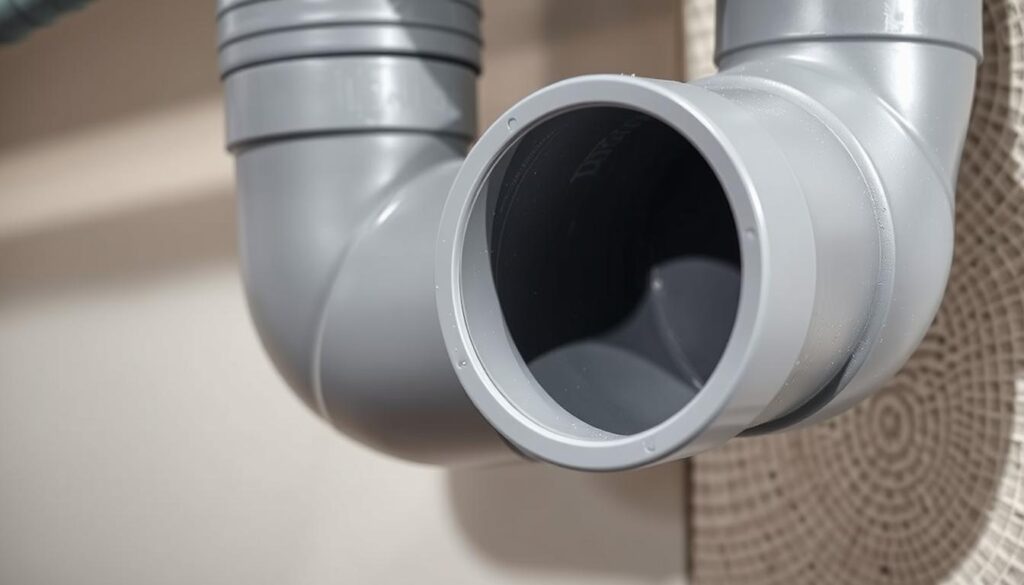
Plumbing codes are strict for a reason. Wrong installation can cause big problems with your drainage. Homeowners and DIY fans often miss important vent pipe details. This can lead to expensive fixes and health risks.
This guide will explore plumbing vent pipes in detail. You’ll learn about the right and wrong bend angles. And how they affect your plumbing system’s performance.
Key Takeaways
- Vent pipes need specific angle setups for best results
- Wrong pipe bends can lead to drainage and ventilation issues
- Getting a pro to install is key for a good plumbing system
- Building codes have clear rules for vent pipe setup
- Knowing how vent pipes work can avoid expensive repairs
Table of Contents
Understanding Plumbing Vent Pipe Basics
Plumbing vent pipes are key parts of your home’s drainage system. Most homeowners don’t think about them much. These pipes are vital for keeping your plumbing system healthy and working well.
Understanding the basics of plumbing vent pipes is important. They do more than just remove sewer gases. They help keep your plumbing system balanced, ensuring water flows smoothly and preventing problems.
Function of Vent Pipes in Home Plumbing
The main roles of plumbing vent pipes are:
- Removing harmful sewer gases from your home
- Equalizing air pressure in the plumbing system
- Preventing water from being siphoned out of drain traps
- Allowing proper drainage in fixtures
Components of a Drain-Waste-Vent System
A typical drain-waste-vent (DWV) system has several important parts. These parts work together for the best plumbing performance. It’s key to follow installation guidelines for the system to work right.
“A well-designed vent system is the unsung hero of home plumbing,” says professional plumber Mark Thompson.
Importance of Proper Ventilation
Good ventilation is vital for your home’s plumbing system. Without enough venting, you might face slow drainage, gurgling sounds, and sewer gas buildup. Knowing how to install vent pipes correctly can avoid expensive fixes and health risks.
By understanding dwv pipe bend limits and following installation rules, you can keep your plumbing system running efficiently and safely.
Can You Use 90 Bends on Plumbing Vent Pipe?
When setting up plumbing vent pipes, the 90-degree elbow is key. But, plumbers warn against using it for vertical turns. They say it can lead to big problems.
The main issues with 90-degree bends are:
- They can block airflow in the plumbing system
- They make it easier for debris to build up
- They can block the ventilation needed
- They can also hurt how well the drainage works
For vertical turns, you need a smart plan. Instead of a single 90-degree bend, experts suggest:
- Use several 45-degree angles
- Go for smooth, curved paths
- Keep the flow unblocked
“The key to effective plumbing ventilation is minimizing resistance and maintaining consistent airflow.” – Professional Plumbing Association
Your plumbing system works best with the right setup. Staying away from sharp 90-degree bends in vent pipes helps it run better. It also cuts down on future repair needs.
Different Types of Plumbing Vent Configurations
Knowing how to set up plumbing vents is key for a good home drainage system. Your plumbing needs different vents to keep water flowing well and avoid problems.
Building codes set rules for various vent systems. These systems manage air pressure and drainage in your home’s plumbing.
True Vents vs. Auxiliary Vents
There are two main vent types in your plumbing system:
- True Vents: Vertical pipes that go through the roof. They let air in and out of the plumbing system.
- Auxiliary Vents: Extra pipes that connect to the main vent stack. They help with air circulation.
Common and Loop Vent Systems
These setups help with drainage in complex plumbing:
| Vent System | Primary Function | Best Used In |
|---|---|---|
| Common Vent | Connects multiple fixtures | Bathrooms with adjacent walls |
| Loop Vent | Provides alternative venting | Locations with limited vertical space |
Air Admittance Valves (AAV)
Air Admittance Valves are new solutions for plumbing. They let air in while keeping sewer gases out of homes.
- Reduces roof penetrations
- Simplifies complex venting scenarios
- Meets specific plumbing code requirements
Choosing the right vent setup depends on your home’s layout, local codes, and drainage needs.
Proper Angle Requirements for Vent Pipes
When you install plumbing vent pipes, knowing the right angles is key. This ensures your drainage system works well. Plumbing rules say you can’t bend pipes too much for the best results.
The main rule for dwv pipe bends is to keep them as straight as possible. Experts suggest:
- Limiting pipe angle changes to a single 45-degree bend
- Keeping vent pipes as vertical as possible
- Minimizing horizontal runs through attic spaces
“Proper pipe angle management prevents airflow restrictions and possible drainage problems.” – Plumbing Engineering Handbook
When you hit obstacles in your home, plan your vent pipe route carefully. A single 45-degree angle can help you get through tight spots. This keeps your system working right and prevents blockages.
Important things to remember about vent pipe angles include:
1. Keep them as straight as you can
2. Use the least amount of horizontal runs
3. Bend angles should not go over 45 degrees
Professional plumbers know that getting the angles right is vital. It stops problems like air locks, slow drains, and sewer gas. By following these rules, your home’s drainage system will work well and safely.
Code Restrictions and Building Regulations
Understanding plumbing vent pipe installations is complex. It requires knowledge of building codes and regulations. These rules protect homeowners from safety hazards and ensure systems work right.
Plumbing codes for vent pipes are not optional. They are essential standards that professionals must follow. Your local building department has specific rules that can change by region. It’s key to talk to local experts before starting any installation.
Local Building Code Requirements
Different places have their own rules for plumbing vent codes. These rules usually cover:
- Minimum pipe diameter specifications
- Acceptable pipe material types
- Precise installation angles
- Distance requirements from windows and openings
Professional Installation Standards
Professional plumbers must follow strict installation standards. These standards are more than just code requirements. The Texas Minimum Construction Standards offer detailed guidelines for vent pipe installation.
| Installation Aspect | Professional Standard |
|---|---|
| Pipe Slope | Minimum 1/4 inch per foot |
| Vent Height | Minimum 6 inches above roof line |
| Material Compatibility | Approved materials only |
Safety Considerations
Bad vent pipe installation can cause big problems. Sewer gas leaks, drainage issues, and structural damage are risks. These show why it’s vital to follow codes and standards.
Always choose professional help for plumbing vent systems. This ensures your home’s safety and works well.
Common Installation Mistakes to Avoid
Installing plumbing vent pipes needs careful attention. Many homeowners make mistakes that can harm their plumbing system.
When using vent stack 90 degree fittings, some big mistakes can cause drainage problems:
- Incorrect angle placement of vent pipes
- Using inappropriate pipe diameter
- Neglecting proper slope requirements
- Improper connection techniques
One of the biggest mistakes is not understanding ventilation. Tight 90-degree bends can block air flow in your plumbing system.
| Common Mistake | Potential Consequence |
|---|---|
| Sharp 90-degree turns | Restricted air flow |
| Inadequate pipe sizing | Drainage performance reduction |
| Incorrect slope angle | Potential waste accumulation |
Experts say to avoid sharp angles and make sure transitions are smooth. Knowing local building codes and how to install correctly can save you from expensive fixes and keep your plumbing working well.
Impact of Incorrect Vent Pipe Installation
Having the right plumbing vent setup is key for a healthy home drainage system. If dwv pipe bends are installed wrong, it can cause big problems. These issues can harm your whole plumbing setup.
Airlock and Drainage Challenges
Bad vent pipe setup messes with air pressure in your plumbing. This messes up your plumbing system, making it hard for water to flow right. Your drainage system needs balanced air pressure to work well.
- Slow drainage in sinks and toilets
- Gurgling sounds from pipes
- Water backing up unexpectedly
Sewer Gas Risks
Wrong dwv pipe bend setup can let toxic sewer gases into your home. These gases are harmful and can make your home smell bad.
| Sewer Gas Hazard | Potential Health Impact |
|---|---|
| Methane | Respiratory irritation |
| Hydrogen Sulfide | Headaches and nausea |
System Performance Consequences
Bad vent pipe setup hurts your plumbing system’s performance a lot. It can make pipes wear out faster, leading to leaks and costly fixes.
Getting a pro to install your plumbing ensures it works right. This keeps your home safe from drainage and health problems.
Professional Installation vs. DIY Considerations
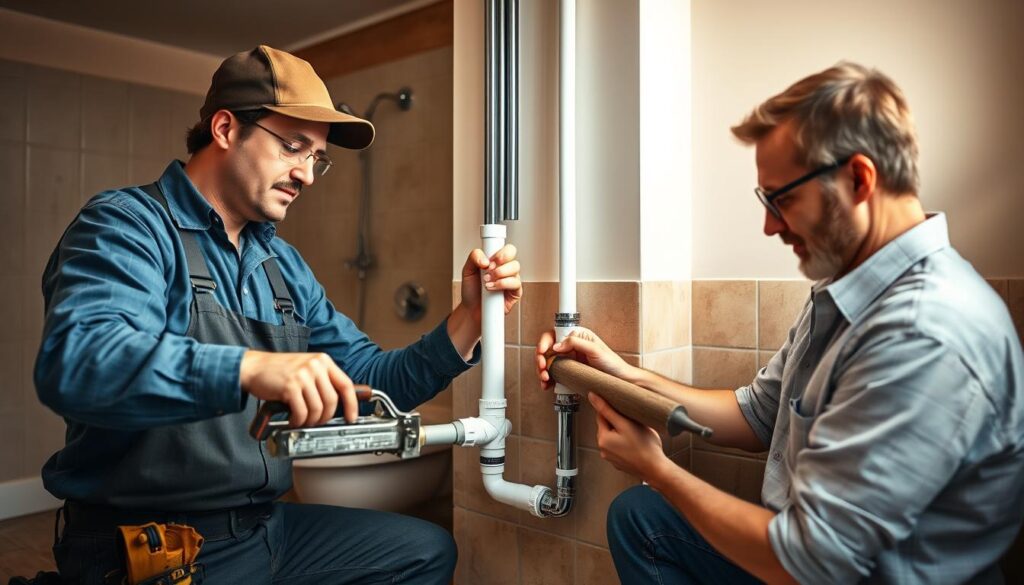
Choosing between hiring a pro or doing it yourself for plumbing vent pipe installation is a big decision. Plumbing codes for vent pipes are complex and can be tough for even skilled homeowners to follow.
Professional plumbers have the know-how for vent pipe installations. They make sure your system is up to code and works right.
- Professionals understand local building rules well
- Licensed plumbers ensure installations follow codes
- They have the right tools and equipment
- They help avoid costly repairs later
If you’re thinking about doing it yourself, think about your skills first. Vent pipe installation needs:
- Deep knowledge of plumbing systems
- Understanding of local building codes
- Accurate measurements and angles
- Advanced pipe fitting skills
Warning: Wrong installation can cause serious drainage issues, health risks, and expensive fixes.
A licensed master plumber’s expertise is an investment in your home’s long-term plumbing performance.
While DIY might save money at first, hiring a pro gives you peace of mind. It ensures your plumbing system is safe and works well.
Conclusion
Understanding plumbing vent pipes is key to a safe and efficient home plumbing system. Using 90 bends on these pipes is not recommended. Instead, follow professional standards for proper setup.
Your home’s plumbing needs correct ventilation to avoid problems. Vent pipe installation must be precise and follow local codes. Plumbers suggest using 45-degree angles when bends are needed.
Getting professional help can save you from expensive errors. DIY fixes might look easy, but vent pipe systems are complex. Knowing the right setup is essential for your home’s plumbing health.
Protecting your home’s plumbing means choosing the right installation methods. Avoiding 90-degree bends and getting expert advice ensures your system works well. This also keeps your home safe and your plumbing system running smoothly for years.