
Affiliate Disclosure
Plumber Guide Guys is a participant in the Amazon Services LLC Associates Program, an affiliate advertising program designed to provide a means for sites to earn advertising fees by advertising and linking to Amazon.
Can You Run Plumbing Above a Slab Foundation? Ever thought about plumbing above a slab foundation? It could save you time, money, and stress. Most people think plumbing must go under concrete. But, new ways to install plumbing over concrete slab are available.
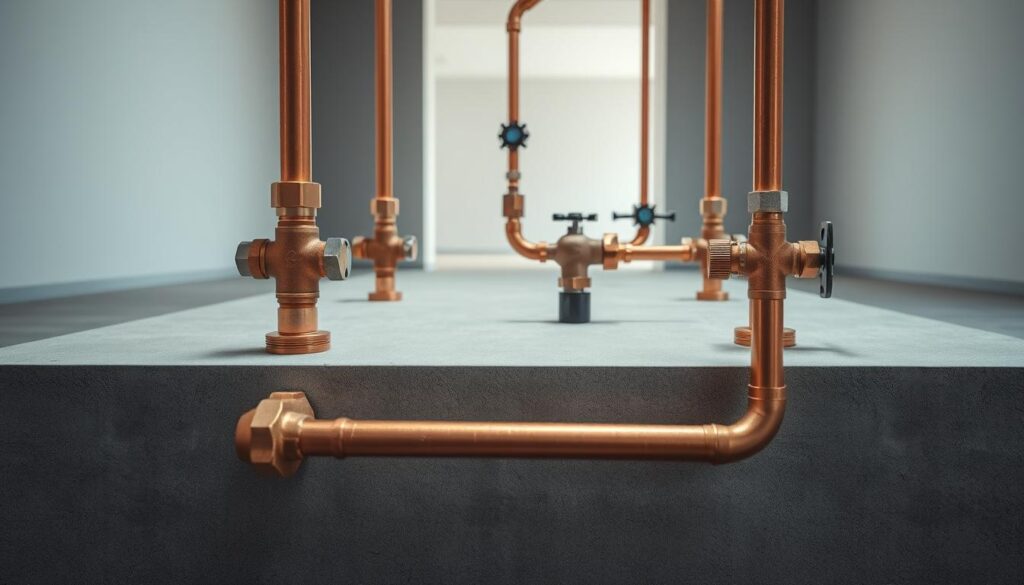
Understanding plumbing above a slab foundation is complex. It involves knowing the challenges and solutions. The old way is to put pipes in concrete, which can be costly and messy.
This article looks at new plumbing methods that break the mold. We’ll cover practical tips, benefits, and what to think about for plumbing systems above the slab.
Key Takeaways
- Above-slab plumbing offers alternative installation methods
- Reduced concrete cutting and damage risks
- Easier maintenance and repair access
- Flexible routing options for water supply lines
- Potential cost savings compared to traditional methods
Table of Contents
Understanding Slab Foundation Plumbing Basics
Plumbing in slab foundations has its own set of challenges and chances. How you handle water lines above the slab can greatly affect your home’s plumbing. It can also impact how easy it is to maintain it over time.
When looking at slab foundation plumbing options, you’ll find two main methods: traditional under-slab and above-slab routing. Each has its own benefits and downsides. It’s important to think them through carefully.
Traditional Under-Slab Plumbing Methods
In the past, plumbers put water lines inside the concrete slabs. This method involves:
- Placing pipes before pouring concrete
- Embedding pipes 1-1/2 inches deep in concrete
- Requiring precise initial planning
Above-Slab Plumbing Possibilities
Nowadays, there’s a new way to do slab foundation plumbing. It involves putting water lines above the concrete. This method has many advantages:
- Easier access for repairs
- Reduced concrete disruption
- Faster installation processes
Building Code Considerations
Local building codes are key in choosing plumbing installation methods. The American Concrete Institute (ACI-318) has rules for pipe embedments:
| Concrete Exposure | Minimum Pipe Cover |
|---|---|
| Exposed to Earth/Weather | 1-1/2 inches |
| Not Exposed to Weather | 3/4 inch |
Knowing these rules helps make sure your water lines above the slab meet safety and structural standards.
Can You Run Plumbing Above a Slab Foundation?
Yes, you can run pipes above a concrete foundation. In fact, it’s often the best choice for many home updates. Above-slab plumbing lets you add new plumbing easily without cutting too much concrete.
There are smart ways to do above-slab plumbing that don’t mess up your foundation too much. These methods work well in certain situations:
- New bathroom installations on exterior walls
- Kitchen remodeling projects
- Homes with accessible wall or ceiling cavities
One big plus of above-slab plumbing is it doesn’t hurt your foundation much. Less concrete cutting means cheaper and quicker renovations. You might only need to drill through foundation footings or walls, depending on your home’s design.
Several things will decide how you set up your plumbing:
- How close walls are to existing pipes
- How easy it is to get to wall and ceiling spaces
- What local building codes say
Professional plumbers can figure out the best above-slab plumbing for your home and renovation plans.
Benefits of Above-Slab Plumbing Installation
Homeowners looking for slab home plumbing alternatives find great benefits with elevated plumbing. This method changes how plumbing is installed, saving time, money, and avoiding future problems.
Modern building methods have changed plumbing system design and setup. Elevated plumbing gives homeowners options that go beyond old under-slab methods.
Easier Access for Maintenance
Above-slab plumbing makes home maintenance easier. You get easy access to pipes without cutting through concrete or digging deep.
- Simple visual inspection of pipe conditions
- Quick repairs without major structural disruptions
- Reduced risk of hidden water damage
Reduced Concrete Cutting Costs
Slab home plumbing alternatives save on installation and repair costs. Pipes are placed above the foundation, avoiding the need for expensive concrete work.
- Minimized labor costs
- Faster repair turnaround times
- Preserved foundation integrity
Faster Installation Process
Elevated plumbing for concrete foundations speeds up construction. Plumbers can install faster, saving time and money.
- Streamlined pipe routing
- Less complex installation procedures
- Reduced on-site construction time
Common Challenges When Installing Above-Slab Plumbing
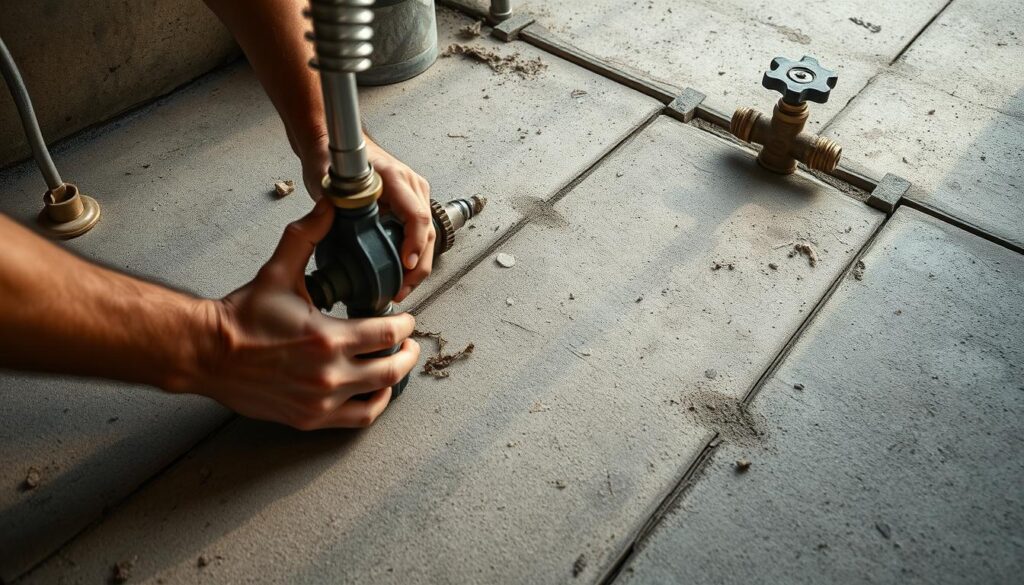
Installing plumbing on a slab foundation comes with its own set of challenges. Retrofitting plumbing on a concrete slab needs careful planning and the right knowledge. This is to avoid and solve any problems that might arise.
When you start plumbing installations, you’ll face several big challenges:
- Space Limitations: Wall cavities and tight spaces can limit where you can place pipes
- Insulation needs for pipes that are above ground
- Planning for water sources and drainage systems
- Dealing with possible interference with the foundation’s structure
When installing plumbing on a slab, you need to think about a few key things:
- Finding the best paths for your pipes
- Keeping pipes warm enough
- Keeping the structure safe
- Lowering the cost of future maintenance
Retrofitting plumbing on a concrete slab requires precision. You might need to find new ways to route pipes, as traditional methods might not work. Plumbers often suggest using different methods to avoid cutting too much concrete and save money.
Careful planning is the key to successful above-slab plumbing installations.
If you’re watching your budget, be ready for extra costs. This includes the cost of special pipe routing and any changes to walls or ceilings needed for plumbing.
Methods for Running Water Supply Lines Above Slab
When planning plumbing for a home with a slab foundation, you have many options. You can run water lines above the concrete foundation. Knowing these methods helps you make smart choices for your home’s plumbing.
Homeowners and contractors have several ways to install water lines above a concrete foundation. These methods offer flexibility and can avoid problems with traditional under-slab plumbing.
Wall Cavity Installation Options
Running pipes through wall cavities has many benefits:
- Provides excellent protection for water lines
- Minimizes exposure to damage
- Allows easier future maintenance and repairs
Exterior Wall Routing Solutions
Exterior wall routing is another effective method. It involves:
- Carefully mapping exterior wall paths
- Implementing proper insulation techniques
- Protecting pipes from environmental factors
Ceiling Space Utilization
Using ceiling spaces is an innovative way to run water supply lines. It works well in homes with suspended or dropped ceilings.
| Installation Method | Difficulty Level | Cost Estimate |
|---|---|---|
| Wall Cavity | Moderate | $15-$25 per linear foot |
| Exterior Wall | Complex | $25-$40 per linear foot |
| Ceiling Space | Easy | $10-$20 per linear foot |
Each method for running water lines above slab foundation has its own benefits. Your home’s layout, budget, and local building codes will help choose the best approach.
Drainage System Options for Above-Slab Installations
Exploring slab foundation plumbing options reveals new drainage systems for above-slab setups. These systems are a game-changer for homeowners. Unlike old methods that need a lot of concrete cutting, new solutions are more flexible.
- Gravity-Fed Drainage Systems: Use gravity to move waste water
- Pumped Drainage Solutions: Great for tricky floor layouts or basements
- Hybrid Drainage Configurations: Mix different techniques for best results
Now, advanced above-slab plumbing includes special pipe routes that cut down on concrete work. These methods help you build efficient drainage systems without harming your home’s structure.
When choosing your drainage system, consider a few things:
- Your home’s plumbing setup
- The floor’s elevation and design
- Local building codes
- Your budget
Professional plumbers can craft a custom drainage plan for you. They use the latest slab foundation plumbing options to meet your needs.
Innovative Solutions: Macerator Pump Systems
Macerator pump systems are a top choice for slab home plumbing. They offer a modern way to handle waste without the need for deep plumbing. This is great for homes with concrete foundations.
Macerator pumps are a big deal in home plumbing. They’re perfect for homes with tricky foundation setups, like those with slab foundations.
How Macerator Pumps Operate
These pumps grind waste into a slurry. This makes it easier to move through small pipes. They can also move waste up to 15 feet vertically. Plus, they can be installed in hard-to-reach spots.
Installation Requirements
Setting up a macerator pump system needs careful planning. You’ll have to think about:
- Where to place the pump for power
- Good ventilation
- Following local building codes
- Getting a pro to check your space
Maintenance Considerations
Keeping your macerator pump system in top shape is key. Regular checks and professional care help avoid problems. They also make the system last longer.
Macerator pumps offer a smart fix for plumbing problems, like those found in homes with slab foundations.
Cost Considerations and Budget Planning
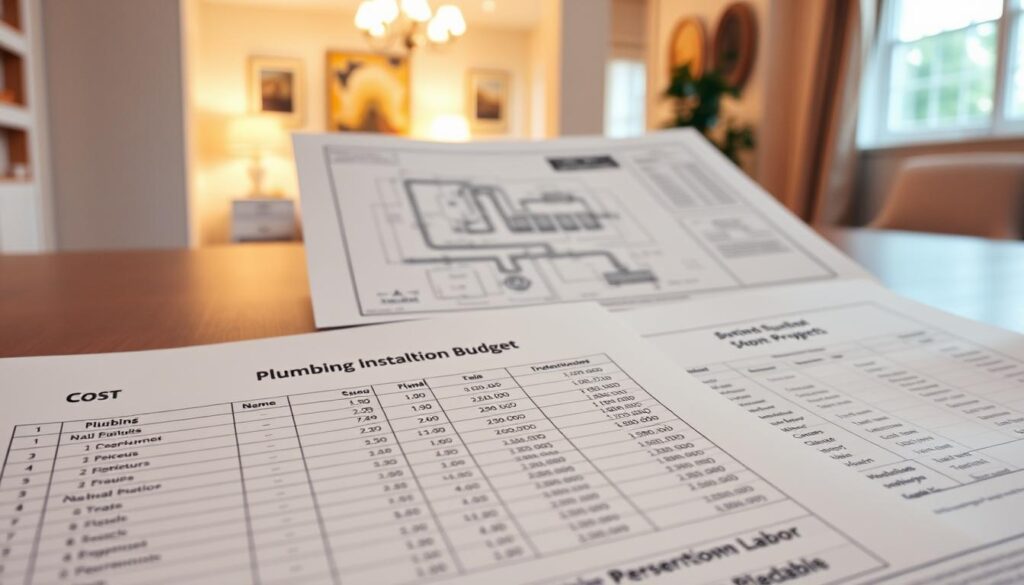
Installing plumbing over concrete slab can be a big expense for homeowners. It’s important to understand the costs before starting your project. The total cost depends on several key factors that can affect your budget a lot.
When retrofitting plumbing on concrete slab, consider these main expense categories:
- Labor costs for professional installation
- Materials needed for plumbing lines
- Potential structural changes
- Permit and inspection fees
Professional plumbers usually charge between $45 and $200 per hour for complex slab plumbing work. Your total project might cost from $1,500 to $15,000. This depends on the complexity of the plumbing installation.
To save money, homeowners should:
- Get quotes from different professionals
- Know the local building codes
- Choose cost-effective routing methods
- Plan for unexpected expenses
Pro tip: Always include a 10-15% contingency fund in your budget to cover unexpected challenges during plumbing installation over concrete slab.
Investing in quality professional installation can save you money long-term by preventing future repair complications.
Professional Installation Requirements and Regulations
Installing plumbing on a slab foundation needs careful planning and expert skills. When thinking about plumbing above a slab, knowing the rules is key for homeowners and contractors.
Professional plumbing jobs must follow local building codes and safety rules. Your project’s success depends on several important factors:
- Getting the right municipal permits
- Checking the foundation’s strength
- Using the right installation methods
- Meeting local building code rules
Licensing is very important in plumbing jobs. Certified pros know how to install plumbing on a slab safely, without harming your home’s structure.
| Professional Requirement | Importance |
|---|---|
| Licensed Plumber Certification | Ensures technical expertise and code compliance |
| Permit Acquisition | Legal okay for plumbing changes |
| Structural Assessment | Prevents foundation damage |
Trying to do it yourself can harm your home. Professional installation means precision, safety, and lasting reliability for plumbing above a slab.
Always choose professional help over saving money for complex plumbing jobs.
Talking to licensed pros ensures your plumbing project follows all rules and keeps your home safe.
Alternative Approaches to Slab Foundation Plumbing
Traditional slab foundation plumbing might not always fit your needs. Luckily, there are many other options that are flexible and cost-effective. These alternatives offer new ways to manage plumbing without a lot of concrete work.
Looking into above-slab plumbing solutions can solve tricky installation problems. These methods let homeowners manage plumbing in creative ways. This means you can avoid a lot of concrete work.
External Routing Methods
External routing is a great option for above-slab plumbing. It includes:
- Core drilling near exterior walls
- Underground pipe routing
- Exterior wall pipe installation
If your new bathroom is near an exterior wall, you can core drill into the concrete. Then, you can bore underground. This method keeps your interior space intact while giving you easy plumbing access.
Hybrid Installation Systems
Hybrid systems mix different plumbing methods for a complete solution. They use:
- Above-slab pipe routing
- Selective under-slab connections
- Strategic exterior wall pathways
By combining various techniques, you can create a plumbing system that fits your home perfectly. It meets your architectural and functional needs.
Flexibility is key when exploring alternative slab foundation plumbing options.
The best method depends on your home’s layout, budget, and plumbing needs. Talking to a professional plumber can help find the right solution for your project.
Conclusion
Looking into slab home plumbing alternatives shows many new ways to solve old problems. Yes, you can run plumbing above a slab foundation. Today’s building methods and expert advice offer many solutions to improve your plumbing.
Your home’s details will decide the best plumbing setup. Options like wall cavity routing, exterior wall solutions, and using ceiling space are available. These choices help avoid a lot of concrete work. A pro plumber can help pick the best and most affordable option for you.
Choosing above-slab plumbing needs careful planning and talking to experts. While there are challenges, the benefits are clear. Easier upkeep, less concrete cutting, and quicker setup make these options more appealing. Knowing your options helps you make smart choices for your plumbing.
The best plumbing fix depends on your needs, budget, and home layout. By looking into modern slab home plumbing options, you can find a reliable solution. This approach also helps avoid costly repairs later on.