

Affiliate Disclosure
Plumber Guide Guys is a participant in the Amazon Services LLC Associates Program, an affiliate advertising program designed to provide a means for sites to earn advertising fees by advertising and linking to Amazon.
Can My Landlord Make Me Pay for Plumbing Repairs? Ever looked at a leaky pipe and wondered who pays for fixes? Figuring out who’s responsible for plumbing repairs can be tricky. Knowing your rights as a renter helps avoid surprise costs.
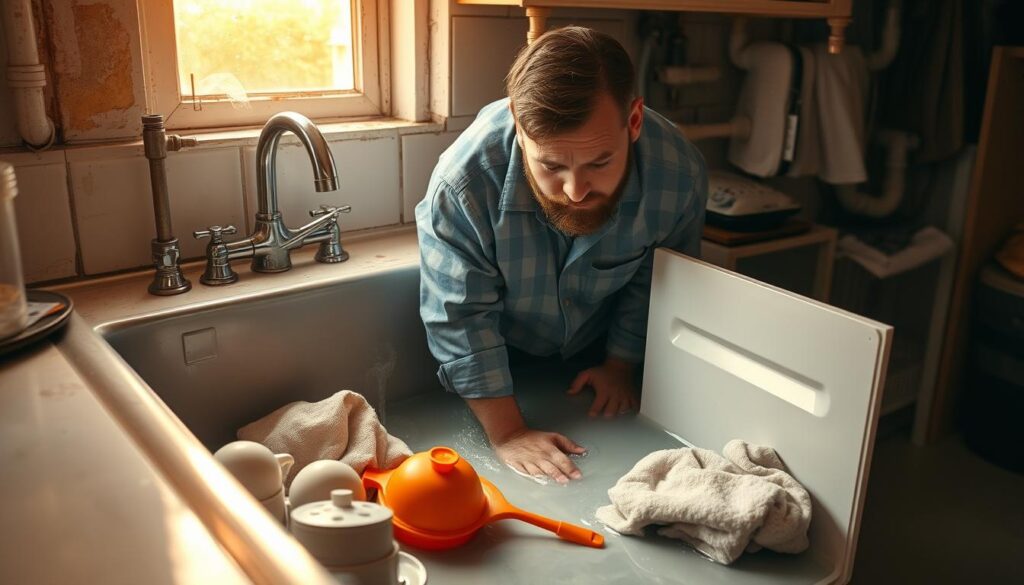
Plumbing problems in rentals often leave tenants unsure about who should pay. The bright side is that most big plumbing repairs are the landlord’s job. Your lease and local laws guide who pays for repairs.
Rental homes have certain upkeep rules. While landlords handle big repairs, tenants must keep the place in good shape. Knowing these rules can prevent arguments and save you money.
Key Takeaways
- Most major plumbing repairs are the landlord’s responsibility
- Tenant plumbing responsibility includes basic maintenance and reporting issues
- Understanding your lease agreement is key
- Local rental laws protect tenants from unfair repair charges
- Proper documentation can help solve repair disputes
Table of Contents
Understanding Landlord vs Tenant Plumbing Responsibilities
Dealing with rental property maintenance can be complex. It’s important for both landlords and tenants to know their rights and duties regarding plumbing. Laws on rental property maintenance clearly outline what landlords must do to keep living spaces safe and comfortable.
Plumbing upkeep in rental homes is a shared task between landlords and tenants. Knowing who does what can avoid disputes and keep the property in good shape.
Basic Plumbing Maintenance Obligations
Landlords usually handle the big plumbing jobs. Their main duties include:
- Maintaining working water heaters
- Keeping the pipe system in good shape
- Fixing big plumbing problems
- Handling major plumbing issues
Common Plumbing Issues in Rental Properties
Rental homes often face certain plumbing problems that need quick fixes. These issues include:
- Leaky faucets and pipes
- Clogged drains
- Toilet troubles
- Water pressure issues
Legal Framework for Repairs
There are laws to protect both landlords and tenants. Tenants should report problems right away. Landlords must fix big plumbing issues quickly. Not keeping up with plumbing can lead to legal trouble and possible lease issues.
Good communication is essential in solving plumbing problems in rental homes.
Can My Landlord Make Me Pay for Plumbing Repairs?
Figuring out who pays for plumbing repairs can be confusing. Usually, landlords are on the hook for these costs. Your rights as a tenant help keep you from unexpected bills for regular maintenance.
But, there are times when you might have to pay for plumbing fixes:
- Damage caused by your careless actions
- Intentional misuse of plumbing fixtures
- Repairs needed because of poor maintenance
When figuring out who pays, look at a few important things:
- The reason for the plumbing problem
- What your lease says
- Local housing laws
Normal wear and tear usually falls on the landlord’s shoulders. If a pipe bursts because it’s old or the building is faulty, your landlord must pay. But, if you accidentally clog a drain or break something because of your actions, you might have to pay.
Always document the plumbing’s condition when you move in to avoid future arguments.
Keeping your rights safe means knowing your lease, talking clearly with your landlord, and taking care of the rental property.
Emergency Plumbing Repairs: Who’s Responsible?
Dealing with emergency plumbing repairs in rentals can be stressful. It’s important to know who is responsible. This knowledge helps you handle these urgent situations better.
What Constitutes a Plumbing Emergency
Not every plumbing issue is an emergency. Serious plumbing problems that need immediate help include:
- Burst pipes causing significant water damage
- Complete sewage system blockage
- No functioning toilets in the unit
- Water leaks that could cause structural damage
- Total loss of water supply
Steps to Take During Plumbing Emergencies
Here are the steps to take during plumbing emergencies:
- Contact your landlord immediately
- Document the damage with photos and videos
- Attempt to minimize water damage
- Request written confirmation of repair plans
Documentation and Reimbursement Process
Proper documentation is key for reimbursement. Keep detailed records of all communication, repair attempts, and expenses. If your landlord doesn’t respond quickly, you might need to arrange repairs yourself.
Remember: Quick action can prevent extensive damage and protect your living environment.
Landlord’s Legal Obligations for Plumbing Maintenance
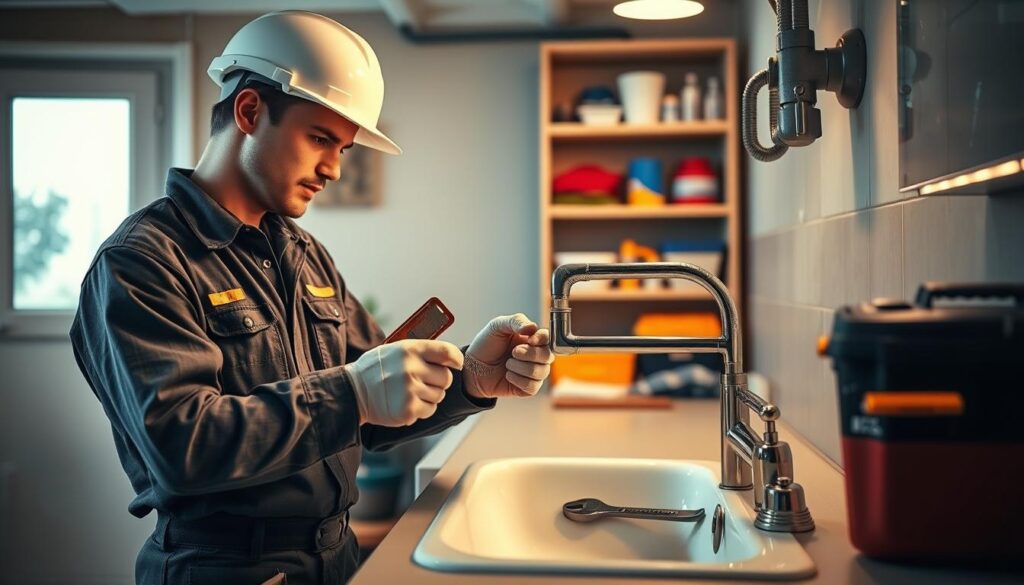
Rental property laws make landlords responsible for safe plumbing. They must follow rules to keep your living space safe and the property livable.
Landlords have to handle many important plumbing tasks:
- Ensuring all plumbing fixtures are in working condition
- Repairing leaks and pipe damages promptly
- Maintaining water heater functionality
- Preventing possible water damage
State and local laws say landlords must fix plumbing problems quickly. These rules help keep tenants safe and healthy.
“A well-maintained plumbing system is not a luxury, but a fundamental right for rental property tenants.” – Housing Code Experts
Different places have their own rules for keeping rental properties in good shape. Some main rules include:
| Legal Requirement | Landlord’s Responsibility |
|---|---|
| Habitability Standards | Functional water and sewage systems |
| Timely Repairs | Address plumbing issues within 3-7 days |
| Safety Compliance | Meet local building and health codes |
Knowing these rules helps you ask for better property care. It makes sure your rental meets all legal standards.
Tenant’s Responsibilities for Plumbing Care
Keeping your rental’s plumbing in good shape is key. While landlords fix big problems, you play a big part in keeping things running smoothly. This means taking care of small issues before they become big ones.
Your job goes beyond just telling your landlord about problems. It’s about knowing how to stop plumbing issues before they start. This means taking care of your plumbing and being aware of how to use it right.
Preventive Maintenance Duties
There are a few important things you can do to help keep your plumbing in top shape:
- Keep drains clear of food debris and hair
- Avoid flushing non-biodegradable items
- Run water periodically in unused fixtures
- Check for visible leaks or water damage
- Maintain reasonable cleanliness around plumbing fixtures
Reporting Problems Properly
It’s important to tell your landlord about any plumbing issues right away. Here’s how:
- Document the problem with photos
- Contact your landlord immediately
- Provide clear, detailed description
- Follow up in writing (email or certified mail)
Avoiding Negligent Damage
Being careless with plumbing can cost you money. Be careful about:
- Improper use of garbage disposals
- Flushing inappropriate materials
- Ignoring small leaks
- Attempting unauthorized repairs
By taking care of your plumbing, you help keep your rental in good shape. This can save you from expensive repairs down the line.
Understanding Your Lease Agreement’s Plumbing Clause
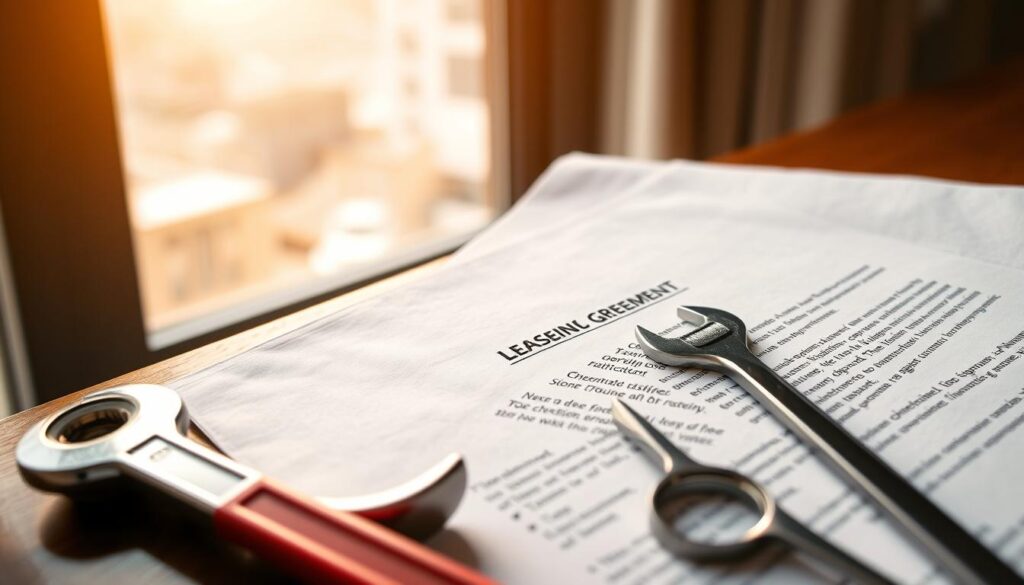
When you rent a place, the plumbing clause in your lease is very important. It tells you who is responsible for plumbing upkeep. This part of the lease can be tricky to understand.
The plumbing clause in your lease talks about who does what for plumbing. Knowing this can save you money and prevent fights with your landlord.
- Identify the specific plumbing maintenance responsibilities in your lease
- Understand who pays for different types of plumbing repairs
- Recognize the difference between tenant-caused and normal wear-and-tear issues
When you look at your lease, focus on the plumbing parts. These parts usually cover:
- Routine maintenance expectations
- Emergency repair protocols
- Cost allocation for various plumbing issues
Usually, landlords handle big plumbing jobs, and tenants take care of everyday tasks. Your lease should make it clear who does what to avoid confusion.
“Always read the fine print in your lease agreement, specially the plumbing maintenance section.” – Real Estate Expert
Before you sign, check the plumbing terms in your lease. If something is unclear, ask your landlord or property manager. This way, you’ll know what you’re responsible for.
Documenting Plumbing Issues and Communication
When dealing with plumbing disputes between landlords and tenants, keeping good records is key. Accurate records can protect your rights and provide solid evidence if problems come up during repairs.
Effective documentation involves several important steps. These steps can help you handle plumbing issues in your rental property.
Capturing Visual Evidence
Visual evidence is very important in plumbing disputes. When you notice a plumbing problem, take clear photos and videos. Make sure to include:
- The exact location of the plumbing problem
- Visible damage or water leakage
- Time and date stamps on your recordings
- Context of the plumbing issue within the rental space
Maintaining Complete Written Records
Your written communication is like a legal trail for plumbing disputes. Keep a folder or digital archive with:
- Dated emails to your landlord about issues
- Copies of maintenance requests
- Responses from property management
- Repair invoices and receipts
Pro tip: Always send communication through traceable methods like certified mail or email. This ensures you have proof of notification.
Communication Best Practices
When reporting plumbing problems, be clear, concise, and professional. Describe the issue objectively, ask for specific actions, and keep a respectful tone.
When to Seek Legal Help for Plumbing Disputes
Dealing with plumbing issues between landlords and tenants can be tough. It’s important to know when to get legal help. This protects your rights and keeps your living space safe and comfortable.
Before going to court, there are steps you should take:
- Document all communication with your landlord about plumbing issues
- Provide written notice of required repairs
- Keep records of maintenance requests and responses
- Photograph or video evidence of plumbing problems
Legal action is needed if your landlord ignores repair requests or won’t fix big plumbing problems. These issues can really affect your living situation.
| Situation | Recommended Action |
|---|---|
| Minor Leak | Written Communication |
| Persistent Plumbing Issues | Formal Complaint |
| Health/Safety Hazard | Legal Consultation |
For help, reach out to tenant rights organizations or legal aid services. They know a lot about plumbing disputes between landlords and tenants. They can give you advice based on your situation.
Remember, your safety and right to habitable living conditions are key in any landlord-tenant dispute.
Many states have services to help solve disputes without going to court. These services are found in residential tenancy branches. They can help fix plumbing issues without the high cost of court.
Rights and Remedies for Unresolved Plumbing Issues
If your landlord doesn’t fix plumbing problems, you have legal ways to protect yourself. Knowing these options can help you take action. This ensures your home is safe and livable.
There are several ways to handle plumbing issues:
- Request written proof of repair attempts
- File a complaint with local housing authorities
- Ask for rent to be lowered
- Look into getting money back
The law has rules to help tenants with plumbing problems. Depending on where you live, you might get help like:
| Remedy Type | Potential Action | Possible Outcome |
|---|---|---|
| Rent Abatement | Partial or full rent reduction | Compensation for bad living conditions |
| Repair and Deduct | Tenant fixes the problem | Can subtract repair costs from rent |
| Legal Action | Take legal action against landlord | Could get damages and repairs |
Pro tip: Always keep records of all repair requests and talks with your landlord.
Talk to your property manager before going to court. Many problems can be solved by talking things out and knowing your rights.
Seeking Resolution Through Property Management
Dealing with plumbing issues in multi-unit properties can be tough. If you rent in a complex managed by a professional property management company, knowing how to handle plumbing problems is key.
Property managers play a big role in landlord-tenant plumbing disputes. They have set ways to deal with maintenance requests. This can make fixing problems easier.
- Document all plumbing issues in writing
- Submit detailed maintenance requests through official channels
- Keep copies of all communication
- Follow up persistently but professionally
Effective communication is your strongest tool when dealing with property management. Be clear, concise, and give specific details about the plumbing problem. Mention the exact location, the nature of the issue, and how it might affect the property.
“Timely and precise reporting can expedite repair processes and prevent further damage.”
If talking to property management doesn’t work, you have other options. Most companies have a system for dealing with unresolved maintenance issues. This might mean talking to a higher-up or the maintenance coordinator.
Your lease agreement should have rules for reporting and fixing maintenance issues. Make sure you follow these steps for landlord-tenant plumbing disputes.
Conclusion
Whether your landlord can make you pay for plumbing repairs depends on several factors. Usually, landlords handle big plumbing problems. But, tenants must prevent damage and report issues quickly.
It’s important to know your rights when dealing with plumbing repairs. Your lease, local laws, and the plumbing issue itself decide who pays. Talking to your property manager early can avoid big problems.
Keep records of plumbing issues and take care of your rental. If you’re unsure about who pays, ask local housing authorities or a lawyer. Knowing your rights helps you deal with plumbing problems and keeps your rental experience good.
Always check your lease, talk to your landlord, and do regular maintenance. These steps help you handle plumbing issues and keep your rental relationship smooth.