
Affiliate Disclosure
Plumber Guide Guys is a participant in the Amazon Services LLC Associates Program, an affiliate advertising program designed to provide a means for sites to earn advertising fees by advertising and linking to Amazon.
Can Liquid Plumber Be Used in Toilet? Ever thought about using Liquid Plumber for a toilet clog? Before you do, think about the risks. What works for your kitchen might not be good for your bathroom.
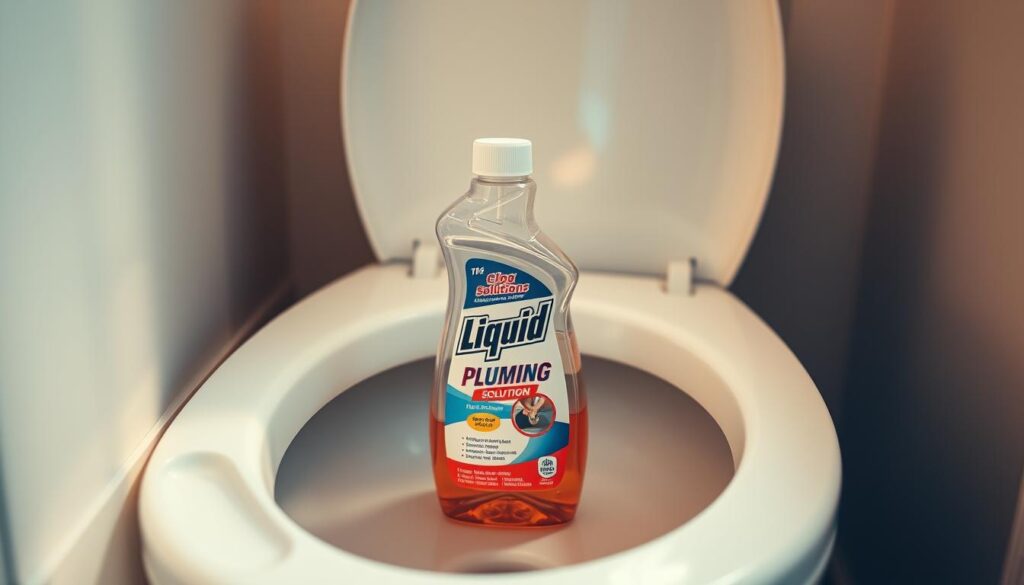
Dealing with a clogged toilet can be a big problem. You want a quick fix to get your bathroom working again. But, using Liquid Plumber in toilets is not always safe.
To know if Liquid Plumber is right for your toilet, look at the product’s chemicals and your plumbing. Not all cleaners are safe for toilets. They can be too harsh for your bathroom’s pipes.
Key Takeaways
- Liquid Plumber is not universally recommended for toilet clogs
- Chemical drain cleaners can potentially damage toilet plumbing
- Alternative unclogging methods exist with lower risk
- Always read product labels carefully before use
- Professional plumbers offer the safest clog removal solutions
Table of Contents
Understanding Liquid Plumber and Its Purpose
Dealing with tough drain clogs? Liquid drain cleaners for toilets can be a strong solution. Liquid Plumber is well-known for tackling stubborn blockages in plumbing.
Liquid Plumber has a variety of products for different clogs. Their lineup includes:
- Clog Destroyer Plus+ Foaming Clog Fighter™
- Pro-Strength Liquid Plumr™ Hair Clog Eliminator
- Pro-Strength Clog Destroyer
- Industrial Strength Gel
What Makes Liquid Plumber Unique?
Liquid Plumber’s effectiveness comes from its strong chemicals. These cleaners have sodium hypochlorite, sodium hydroxide, and bleach. These ingredients break down and liquefy tough blockages in your pipes.
The Science Behind Chemical Drain Cleaners
Chemical drain cleaners work through chemical reactions. When they meet water and organic debris, they create heat. This heat helps dissolve:
- Hair
- Grease
- Soap scum
- Other common blockage materials
Knowing how these cleaners work can help you use them better and safely at home.
Can Liquid Plumber Be Used in Toilet?
Homeowners often wonder if they can use liquid plumber in their toilets. The answer is yes, but with caution. Chemical drain cleaners like Liquid Plumber can unclog toilets. Yet, they pose serious risks that need careful thought.
Before using liquid plumber in your toilet, consider these critical factors:
- Chemical composition of the product
- Specific type of clog
- Potential damage to plumbing system
- Manufacturer’s specific instructions
Is liquid plumber safe for toilets? Not always. Its effectiveness depends on many variables. Different drain cleaners react differently with toilet materials and clogs.
“Chemical drain cleaners should be a last resort, not a first response.” – Professional Plumbing Association
Toilet clogs need different solutions than sink or shower drains. The water in toilets can weaken chemical cleaners. This makes them less effective at breaking through clogs.
| Clog Type | Chemical Effectiveness | Recommended Action |
|---|---|---|
| Organic Material | High | Chemical Drain Cleaner |
| Hard Objects | Low | Mechanical Removal |
| Complex Blockage | Variable | Professional Assistance |
Always read product labels carefully and follow instructions precisely. This helps avoid damage to your toilet and plumbing system.
Safety Concerns When Using Liquid Plumber in Toilets
Using liquid plumber in your toilet bowl needs careful safety steps. Chemical drain cleaners can be risky. It’s important to know these risks to keep your family safe.
Chemical Burns and Skin Contact Risks
Liquid plumber has strong chemicals that can burn your skin and hurt your eyes. Always wear protective gear when using it:
- Long rubber gloves
- Safety goggles
- Protective long-sleeve clothing
If you get chemicals on your skin, rinse with cool water for 15-20 minutes. If it hurts a lot, get medical help.
Poisoning Hazards for Children and Pets
“Keep chemical drain cleaners out of reach of children and pets at all times” – Safety Experts
Liquid plumber is very dangerous if swallowed. Keep it in locked cabinets and follow the safety rules carefully. Kids and pets can easily get poisoned.
Proper Ventilation Requirements
Chemical drain cleaners give off harmful fumes. When using liquid plumber, make sure:
- Open all bathroom windows
- Turn on exhaust fans
- Avoid breathing direct vapors
- Keep bathroom door open
Don’t mix liquid plumber with other cleaners. This can make toxic gases.
Potential Damage to Your Plumbing System
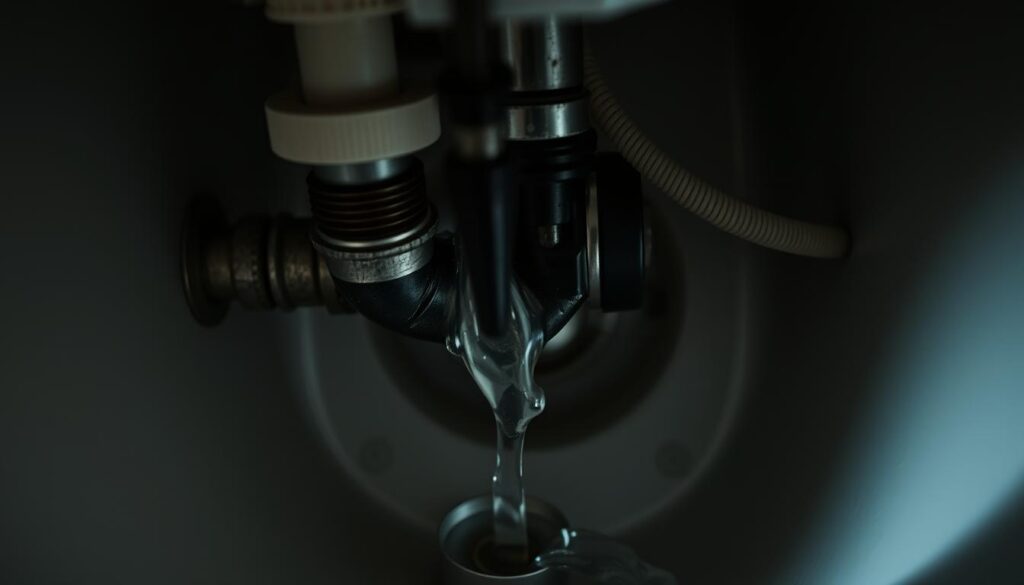
Chemical drain cleaners like Liquid Plumber can harm your home’s plumbing. They might clear clogs quickly, but the long-term damage is severe.
Using these cleaners too often can damage your pipes. The harsh chemicals can wear down the pipes, making them weak and prone to leaks. Pipes made of metal or are older are at the highest risk.
- Chemical reactions generate heat that weakens pipe structure
- Caustic substances break down pipe materials over time
- Concentrated chemical exposure can create permanent pipe damage
Different pipe materials react differently to chemical drain cleaners:
| Pipe Material | Chemical Vulnerability |
|---|---|
| Metal Pipes | High risk of corrosion |
| PVC Pipes | Moderate chemical resistance |
| Older Plumbing Systems | Extreme vulnerability |
Liquid plumber toilet effectiveness comes at a cost to your plumbing system. Using it too much can lead to costly repairs or even needing to replace your pipes. This makes mechanical methods safer for fixing clogs.
“Prevention is always cheaper than repair when it comes to your home’s plumbing system.”
If you have an older home or worry about pipe damage, talk to a professional plumber before using chemical cleaners. Your pipes will be safer with gentler unclogging methods.
How to Unclog Toilet with Liquid Plumber Safely
Dealing with a stubborn toilet clog can be frustrating. When traditional methods fail, liquid plumber toilet clog removal might seem like a quick solution. Before proceeding, understand the proper application to minimize risks and maximize effectiveness.
Preparing for liquid plumber toilet clog removal requires careful attention to safety and precise application. Follow these essential steps to unclog your toilet effectively:
- Ensure proper ventilation by opening windows and turning on exhaust fans
- Put on protective gear:
- Chemical-resistant gloves
- Safety glasses
- Read the product label carefully for specific instructions
Application Instructions
When learning how to unclog toilet with liquid plumber, precision is key. Carefully measure the recommended amount of product. Pour the liquid slowly into the toilet bowl, targeting the drain opening. Avoid splashing or overusing the chemical.
Recommended Waiting Times
Different liquid plumber products require specific waiting periods for optimal clog removal:
- Liquid Plumr Heavy Duty: 15 minutes
- Drano Max Gel: 15 minutes
- Clorox Urgent Clear: 7 minutes
Never exceed the maximum recommended waiting time. After the specified duration, flush the toilet with hot water to clear the dissolved clog and rinse away chemical residue.
Safety Tip: Never use a plunger immediately after applying chemical drain cleaner to prevent dangerous chemical splashing.
Common Signs Your Toilet Is Clogged
Spotting early signs of toilet clogs can help fix plumbing issues before they get worse. Knowing these signs lets you quickly solve clog problems and avoid damage to your plumbing.
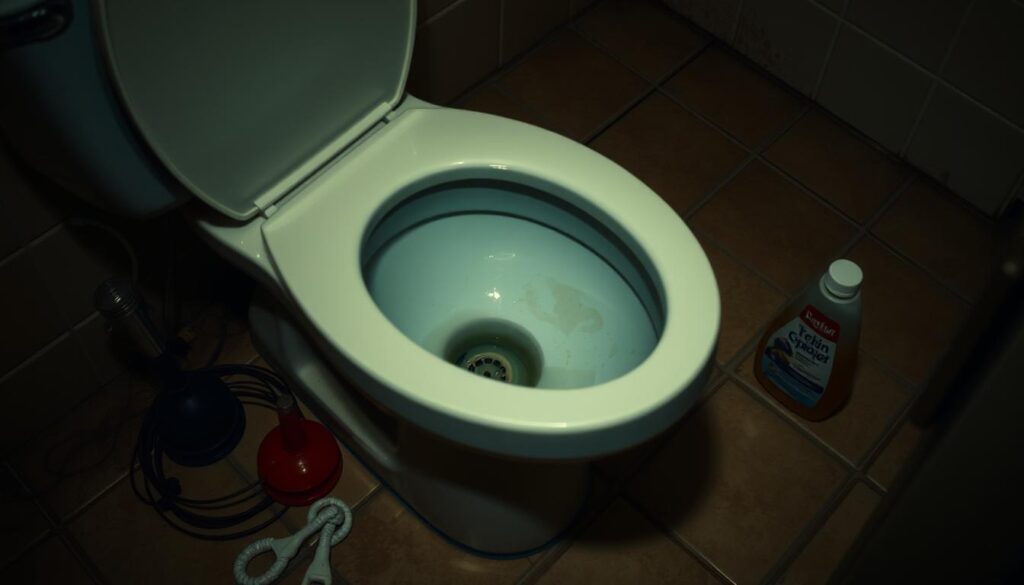
Slow Draining Water
Slow draining water is a clear sign of a clog coming. When you flush, water should quickly go down. But if it takes a long time or doesn’t go down at all, there’s a blockage.
- Water rises close to the rim
- Flushing takes multiple attempts
- Unusual resistance during drainage
Water Backup and Overflow
Water backup is a big warning sign. If water overflows or bubbles up in places like showers or sinks, it means a big blockage in your sewer line.
Unpleasant Odors
Foul smells from your toilet are bad news. Sewage-like odors or constant bad smells mean waste is building up. This could be due to a clog in your toilet or further down in the pipes.
Gurgling Sounds
Strange gurgling sounds when you flush are another warning. These sounds happen when air gets trapped in your pipes, showing there’s a blockage.
- Bubbling sounds during flushing
- Unusual noises from nearby drains
- Air bubbles in the toilet bowl
Spotting these signs early helps you act fast and avoid bigger plumbing problems.
Best Liquid Plumber Products for Toilet Clog Removal
Dealing with tough toilet clogs can be a real headache. The right liquid plumber product can make all the difference. There are many top liquid drain cleaners for toilets on the market. Each one is made to handle different kinds of blockages.
Here are the most effective liquid drain cleaners for toilets:
- Liquid Plumr Heavy Duty Clog Remover: Made with sodium hypochlorite and sodium hydroxide, it quickly breaks down tough clogs
- Drano Max Gel Clog Remover: Great for clogs with standing water, it works in just 15 minutes
- Green Gobbler Liquid Hair & Grease Clog Remover: Ideal for clogs caused by hair and grease
- Clorox Liquid Plumber Urgent Clear Clog Remover: The fastest solution, clearing clogs in just 7 minutes
- Pure Lye Drain Opener: A strong multipurpose cleaner for different surfaces
When picking a liquid plumber product, think about these important points:
| Product | Clog Type | Clearing Time | Pipe Compatibility |
|---|---|---|---|
| Liquid Plumr Heavy Duty | Tough organic clogs | 15 minutes | Septic system safe |
| Drano Max Gel | Standing water clogs | 15 minutes | Plastic pipes safe |
| Green Gobbler | Hair and grease | 30 minutes | Natural ingredients |
| Clorox Urgent Clear | Emergency clogs | 7 minutes | All pipe types |
Always follow the instructions on the product label. Choose the right product for your clog problem for the best results.
Safer Alternatives to Liquid Drain Cleaners for Toilets
Chemical drain cleaners should not be your first choice for toilet clogs. Experts suggest using mechanical and natural methods. These methods are safer for your plumbing and health, and they work well to clear blockages.
Mechanical Methods for Clearing Clogs
For fixing toilet clogs, mechanical tools are best. A good toilet plunger is your go-to tool. It works safely and effectively.
To use a plunger right, make sure the water covers the plunger cup. Create a tight seal around the drain. Then, push and pull firmly and in rhythm.
If a plunger doesn’t work, a toilet auger (drain snake) can help. This tool has a flexible cable that can reach deep into your toilet trap. It’s great for tough clogs that a plunger can’t handle.
Natural Drain Cleaning Approaches
Natural solutions are gentle and safe for your toilet. The baking soda and vinegar method is a popular home remedy:
- Pour one cup of baking soda into the toilet.
- Then, add two cups of vinegar.
- Let it fizz for 30 minutes.
- Flush with hot water.
| Method | Effectiveness | Safety Rating |
|---|---|---|
| Plunger | High | Excellent |
| Drain Snake | High | Excellent |
| Baking Soda/Vinegar | Medium | Very Good |
Enzyme-based drain cleaners are another safe option. They use natural bacteria to break down organic clogs. This method is safe for your pipes and doesn’t pose health risks.
Preventing Future Toilet Clogs
To keep your plumbing safe from clogs, you need to take action. By using smart strategies, you can avoid costly plumbing problems. This makes your life easier and saves you money.
Proper Toilet Paper Usage
How much toilet paper you use matters a lot. Here are some tips to help you avoid clogs:
- Flush smaller amounts of toilet paper at a time
- Consider using less thick toilet paper
- Explore bidet attachments to reduce paper usage
- Teach family members about responsible toilet paper disposal
What Not to Flush
Don’t treat your toilet like a trash can. Keep your plumbing safe by avoiding these items:
| Never Flush | Proper Disposal |
|---|---|
| Feminine hygiene products | Trash can |
| Baby wipes | Garbage |
| Cotton swabs | Waste bin |
| Paper towels | Trash |
Regular Maintenance and Cleaning
Regular toilet care stops clogs before they start. Clean your toilet bowl every week. Also, check the water jets for buildup and fix plumbing problems early.
Remember: Prevention is always easier and less expensive than repair.
When to Call a Professional Plumber
Knowing when to call a professional plumber can save you from costly and frustrating toilet clog solutions. Some situations demand expert intervention beyond DIY methods.
Watch for these critical signs that indicate you need professional plumbing help:
- Multiple unsuccessful unclogging attempts using plungers or drain snakes
- Recurring clogs in the same toilet
- Simultaneous backup in different home fixtures
- Sewage backing up into bathtub or shower drains
- Unusual gurgling sounds from toilet or other drains
Professional plumbers have the right tools like motorized drain augers and video inspection cameras. They can find complex issues such as:
- Partial pipe collapse
- Tree root intrusion
- Deep drain line obstructions
- Improper plumbing venting
Tip: Early professional intervention typically costs less than waiting until the problem becomes severe.
Don’t risk expensive damage by persistently attempting DIY fixes. When in doubt, contact a licensed plumbing professional.
Conclusion
When thinking about using liquid plumber in toilets, you’ve gained important knowledge. Chemical drain cleaners can tackle tough clogs, but use them wisely. It’s key to know how to use them safely.
Your plumbing’s health is at stake when using liquid plumber. These products can clear clogs, but they’re not a long-term fix. Always try mechanical methods like plungers and drain snakes first. Regular maintenance is the best way to avoid clogs.
Safety is the top concern when using liquid plumber in toilets. Always follow the product’s instructions, wear protective gear, and keep the area well-ventilated. Keep these chemicals out of reach of kids and pets. If you face a tough clog, calling a professional plumber is the best move.
Knowing your toilet’s needs and taking care of it can prevent many plumbing problems. Your smart approach will protect your home and keep your family safe.