

Affiliate Disclosure
Plumber Guide Guys is a participant in the Amazon Services LLC Associates Program, an affiliate advertising program designed to provide a means for sites to earn advertising fees by advertising and linking to Amazon.
Can a Homeowner Replace Plumbing System in Florida? Are you thinking about replacing your plumbing system in Florida? You might wonder if it’s affordable and legal. Home plumbing can seem like a maze of pipes and permits.
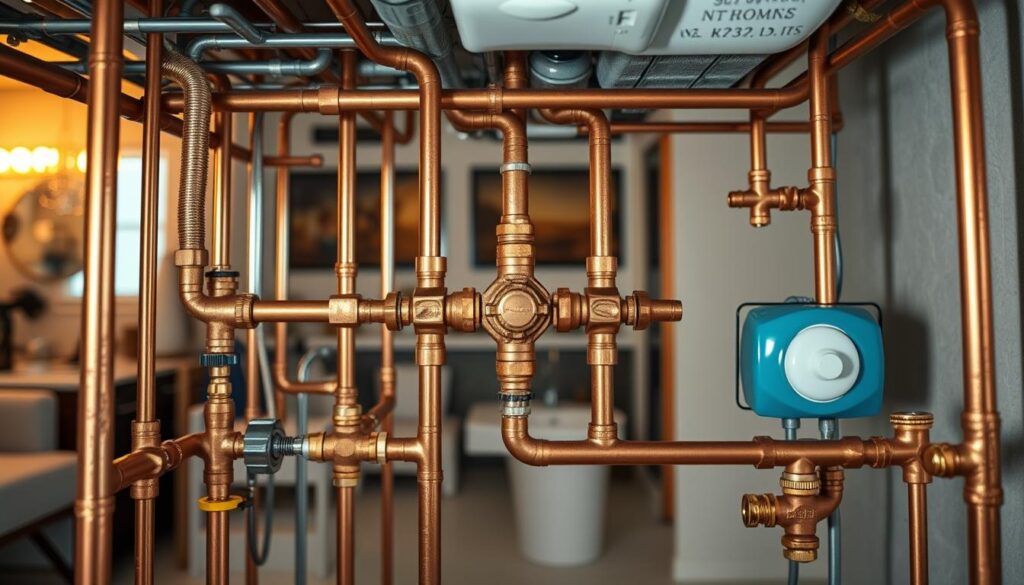
Before starting any big plumbing project, it’s key to know your rights as a homeowner in Florida. Replacing plumbing isn’t just about cutting pipes. It also requires knowledge of local codes, safety rules, and technical skills.
This guide will cover everything you need to know about replacing plumbing in Florida. We’ll look at legal needs, challenges, and steps to help you decide on your plumbing.
Key Takeaways
- Florida has specific regulations for home plumbing system replacements
- Permits are typically required for major plumbing work
- Professional certification might be necessary for complex projects
- DIY plumbing can save money but carries significant risks
- Understanding local building codes is essential before starting
Table of Contents
Understanding Florida’s Plumbing Laws and Regulations
Dealing with plumbing laws in Florida can be tough for homeowners. The Florida Plumbing Code for Homeowners offers key guidelines for safe home improvements. It’s important to know these rules before starting any plumbing work.
Florida’s building codes aim to protect homeowners and ensure high construction and safety standards. When planning plumbing work, you must understand several important requirements. These rules apply to all residential plumbing projects.
State Building Code Requirements
The Florida Building Code sets strict rules for plumbing installations. Key points include:
- Choosing the right materials for pipes and fixtures
- Following local and state safety standards
- Using specific installation methods for different plumbing systems
- Meeting water conservation standards
Permit Application Process
Getting a plumbing permit in Florida is essential for major plumbing work. Most plumbing changes need official approval. The process usually involves:
- Submitting detailed project plans
- Paying the necessary permit fees
- Scheduling required inspections
- Getting final approval from local authorities
Licensing Requirements for Plumbing Work
Not all plumbing tasks can be done by homeowners. Certain complex projects need licensed professionals. It’s important to know which tasks are safe for DIY and which require expert help.
Always check local regulations before starting any plumbing project to avoid legal issues.
Can a Homeowner Replace Plumbing System in Florida
Replacing a plumbing system in Florida is complex. Homeowners must follow strict legal and regulatory rules. It’s important to know the state’s plumbing guidelines.
Florida homeowner plumbing rights have limits. The state controls who can do plumbing work. Homeowners face several key issues:
- Permit requirements for major plumbing system replacements
- Licensing restrictions for complex plumbing work
- Specific limitations on DIY plumbing projects
Thinking about replacing a plumbing system in Florida? You’ll need to check:
- The scope of the plumbing replacement
- Your technical skills
- Local regulations
Most plumbing replacements need a professional’s license. Critical systems like main water lines, sewage connections, and extensive pipe replacements require certified plumbing expertise.
| Plumbing Work Type | Homeowner Allowance | Professional Requirement |
|---|---|---|
| Minor repairs | Allowed | Not needed |
| Partial pipe replacement | Limited | Recommended |
| Full system replacement | Restricted | Mandatory |
Before starting any plumbing project, contact your local building department. They can explain the rules for replacing a plumbing system in Florida. Always put safety and legal compliance first.
Essential Tools and Materials for DIY Plumbing Projects
DIY plumbing in Florida needs more than bravery – it requires the right tools and preparation. Whether you’re experienced in home improvement or new to DIY plumbing, the right equipment is key to success.
Basic Plumbing Tools Every Florida Homeowner Needs
Your DIY plumbing toolkit should have several essential items for most home plumbing tasks:
- Adjustable pipe wrench
- Channel lock pliers
- Plunger (both cup and flange styles)
- Pipe cutter
- Hacksaw
- Tape measure
- Teflon tape
Critical Safety Equipment for DIY Plumbing
Safety is essential when doing DIY plumbing in Florida. Protect yourself with these must-haves:
- Safety goggles
- Waterproof work gloves
- Knee pads
- Protective clothing
- Respirator mask
Essential Plumbing Materials
Florida’s climate and water conditions need specific plumbing materials. Make sure to have these key supplies:
- PVC pipes (resistant to humidity)
- Copper pipe fittings
- Pipe sealant
- Plumber’s putty
- Compression fittings
While the right tools are vital, knowing when to call a pro is also important. Some plumbing projects in Florida need special knowledge and skills that go beyond DIY plumbing.
Types of Plumbing Systems in Florida Homes
Florida’s unique climate and water conditions make choosing plumbing systems a challenge. Knowing the rules for replacing plumbing in Florida homes is key to making smart choices for your home’s plumbing.
Each plumbing system has its own benefits for homes in Florida. Picking the right one can save you money and avoid water problems.
- Traditional Copper Pipe Systems
- Durable in high-humidity environments
- Resistant to corrosion from saltwater exposure
- PEX Piping Systems
- Flexible and cost-effective
- Quick installation
- Excellent for Florida’s variable temperatures
- Tankless Water Heating Systems
- Energy-efficient
- Reduced water heating costs
- Compact design suitable for smaller Florida homes
When looking at plumbing replacement rules in Florida, you must check if each system fits local building codes and the environment.
| Plumbing System | Pros | Cons |
|---|---|---|
| Copper Pipes | Long-lasting, corrosion-resistant | Higher installation costs |
| PEX Pipes | Flexible, affordable | Less durable than metal pipes |
| Tankless Systems | Energy-efficient, space-saving | Higher upfront investment |
“Choosing the right plumbing system is key for Florida homeowners’ comfort and property value.” – Florida Home Builders Association
Always talk to a licensed expert. They can make sure your plumbing system meets Florida’s rules and fits your home’s needs.
Common Plumbing Issues and Their Solutions
DIY plumbing in Florida has its own set of challenges. Knowing how to spot and fix common plumbing problems can save you money and time. It can also prevent water damage. Florida’s humid climate and old infrastructure mean homes here face unique plumbing issues.
Florida’s warm weather and water can cause many plumbing problems. Common issues include pipe corrosion, water pressure problems, and drainage issues. These problems can get worse fast if not fixed quickly.
Identifying Plumbing Problems
Spotting plumbing issues early can save you a lot of money. Look out for these signs:
- Unusual water discoloration
- Unexpected increases in water bills
- Persistent musty odors
- Visible pipe corrosion
- Slow drainage in sinks and showers
Emergency Repair Techniques
When you have a plumbing emergency in your Florida home, act fast. Keep tools like pipe wrenches, plumber’s tape, and a plunger ready. Remember that some repairs need a pro’s help.
Preventive Maintenance Tips
Regular maintenance can help avoid plumbing problems in Florida. Check your pipes often, protect them from extreme temperatures, and fix small leaks right away. This will keep your plumbing system in good shape.
- Conduct quarterly pipe inspections
- Install water softeners to reduce mineral buildup
- Insulate pipes during cold snaps
- Clean drains monthly to prevent blockages
Cost Comparison: DIY vs Professional Plumbing Services
Figuring out the costs of plumbing work in Florida can be tough. Knowing the difference between DIY and hiring pros helps you decide what’s best for your home.
Florida homeowners need to think about many costs when planning plumbing projects. Professional plumbers charge between $45 and $200 an hour. This price depends on the job’s complexity and where you live.
| Project Type | DIY Estimated Cost | Professional Service Cost |
|---|---|---|
| Pipe Replacement | $100 – $500 | $500 – $2,000 |
| Fixture Installation | $50 – $300 | $200 – $1,000 |
| Leak Repair | $20 – $150 | $150 – $700 |
DIY plumbing in Florida comes with its own costs:
- Tool purchases
- Material costs
- Permit fees
- Potential repair of mistakes
Pro tip: Always think about the risks of DIY plumbing. Some jobs might seem cheap but could cost more if done wrong.
Most homeowners find a mix of DIY and hiring pros works well. You can do simple tasks like changing a showerhead yourself. But, for big jobs, it’s safer and more reliable to get a professional plumber.
Safety Considerations for Home Plumbing Projects
When you tackle home plumbing projects in Florida, it’s key to plan well. You must know your rights as a homeowner. Safety should always be your number one concern when doing DIY plumbing work.
Before you start any plumbing job, you must check the risks. Knowing how plumbing systems work can help avoid dangerous situations. These situations could harm your home’s safety.
Risk Assessment Guidelines
Assessing a plumbing project involves several important steps:
- Check the state of your pipes and fixtures
- Figure out how complex the repair is
- See if you have the skills and experience needed
- Make sure you have the right permits for plumbing work in Florida
Emergency Shutdown Procedures
Knowing how to quickly shut off water and gas lines can prevent disasters. Get to know where your home’s main shutoff valves are before starting any plumbing work. Practice finding and using these important safety controls.
When to Stop and Call a Pro
Know your limits and when a project is too hard for you. Professional plumbers have the skills and tools for complex repairs safely. Some signs you should stop and call a pro include:
- Big pipe damage
- Problems with main water lines
- Gas line issues
- Need to change your home’s structure
Always put your home and safety first over trying hard plumbing repairs. If you’re unsure, talk to a licensed Florida plumbing expert.
Step-by-Step Guide to Basic Plumbing Repairs
When you start DIY plumbing in Florida, you need to be ready. You must know your rights as a homeowner. Before you begin, figure out how hard the job is and if you can do it.
Getting ready for plumbing repairs at home is key. You should:
- Gather the right tools
- Look up local building codes
- Check if you need a permit
- Make sure you’re safe
For basic plumbing fixes, follow these steps:
- Shut off water supply – Always turn off water before starting any repair
- Look closely at the damaged area
- Pick the right parts to replace
- Use the right tools and methods
- Check your work well
You can usually fix simple problems like leaky faucets, toilet parts, and small clogs. But, big jobs like fixing pipes might be too hard for you in Florida.
Safety first: If you’re unsure, call a pro plumber to avoid damage or breaking the law.
Knowing your limits is important in DIY plumbing in Florida. Some jobs need a licensed plumber. Always check local laws before starting big plumbing projects.
Understanding Water Supply and Drainage Systems
Florida homeowners need to understand water supply and drainage systems. Your home’s plumbing is key to comfort, safety, and function. Knowing the florida plumbing code helps you make smart choices about water management.
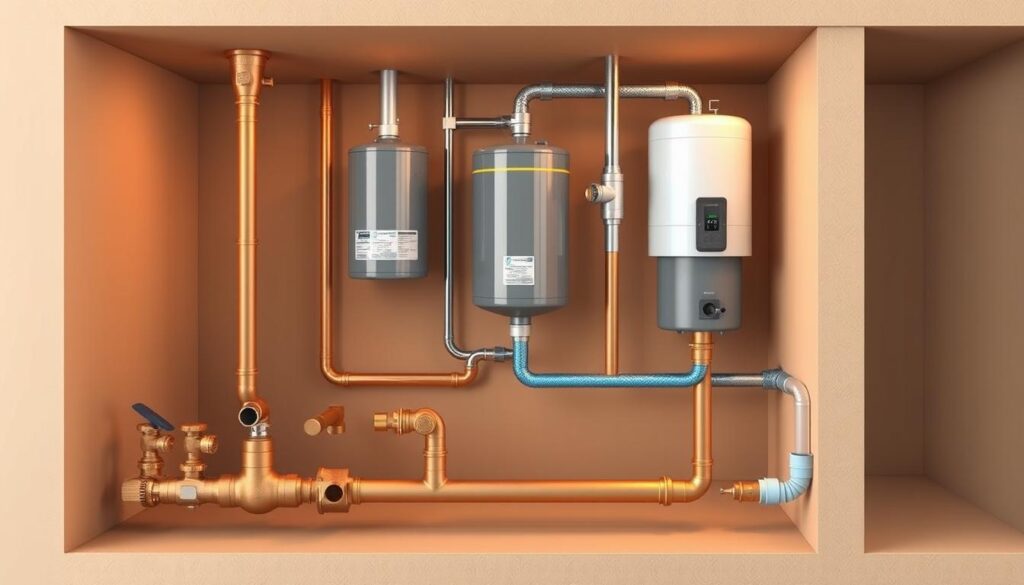
The plumbing systems in Florida homes are complex. They need careful attention and follow local rules. Knowing these systems well can save you from expensive fixes and keeps them running smoothly.
Main Water Lines: The Lifeline of Your Home
Your home’s main water lines are very important. They usually connect to:
- Municipal water supply systems
- Private well water systems
Waste Water Management Strategies
Florida homeowners have two main ways to manage wastewater:
| System Type | Key Characteristics | Maintenance Requirements |
|---|---|---|
| Septic Systems | On-site waste treatment | Regular pumping and inspection |
| Municipal Sewer Connections | Community-wide waste management | Minimal homeowner maintenance |
Critical Venting Requirements
Venting is vital in plumbing. Vents stop sewer gas buildup and ensure good drainage. The florida plumbing code has strict rules for:
- Vent pipe placement
- Vent pipe diameter
- Distance from fixtures
“Understanding your home’s water systems is the first step to effective maintenance and compliance with local regulations.” – Florida Plumbing Experts
Learning about water supply and drainage helps protect your home. It also helps avoid expensive repairs.
Legal Implications of DIY Plumbing Work
Replacing home plumbing without a license in Florida comes with legal risks. The state has strict building codes and rules for DIY plumbing projects. Homeowners need to understand these guidelines before starting.
Knowing the florida plumbing permit requirements is key. Some plumbing tasks can lead to big legal problems if not done right.
- Minor repairs might be okay for homeowners
- Big plumbing jobs need a professional license
- Doing work without a permit can cost a lot
Thinking about DIY plumbing without a license in Florida? You should know the risks:
- Potential fines from local building departments
- Home insurance might not cover your work
- It could make selling your home harder
- It might lead to safety issues and legal trouble
The Florida Building Code sets rules for plumbing. Breaking these rules can lead to big legal and financial problems. Getting a professional license ensures your work is safe and meets standards.
Always check local laws before starting any plumbing job. This helps protect your property and avoids legal issues.
Professional Plumbing Services in Florida
Dealing with plumbing rules in Florida can be tricky. Professional plumbers offer more than just fixes. They provide detailed solutions for your home’s needs.
When picking a plumbing service, look at these important points:
- State licensing and certification
- Experience with Florida’s plumbing rules
- Insurance and bonding
- Reputation and customer feedback
Professional plumbers add big benefits to your home care:
- Comprehensive system check
- Following local building codes
- Using the latest diagnostic tools
- Warranty on their work
| Service Type | Typical Cost Range | Complexity |
|---|---|---|
| Routine Maintenance | $100 – $300 | Low |
| Minor Repairs | $300 – $800 | Medium |
| Full System Replacement | $2,000 – $15,000 | High |
Your plumbing system needs special knowledge of Florida’s weather. Professional plumbers know the local rules. They make sure your plumbing meets all state standards.
Always check a plumber’s credentials and ask for a detailed written estimate before starting any big plumbing job.
Conclusion
Starting a plumbing renovation in Florida needs careful planning and knowledge of state rules. You must balance DIY skills with professional help. It’s important to know local building codes and safety rules for plumbing work.
Florida’s weather and buildings pose special plumbing challenges. While you can do some repairs yourself, big jobs need a pro. Knowing when to ask for help keeps your home safe and follows state laws.
Learning about plumbing, safety, and laws can save you money and avoid mistakes. Whether you fix small issues or hire a pro, always think about your home’s future and your safety. This is key for any plumbing job in Florida.
Knowledge is your best tool for home improvements. Stay updated, be careful, and tackle plumbing issues with a smart plan. Mix your eagerness with professional advice for the best results.