

Affiliate Disclosure
Plumber Guide Guys is a participant in the Amazon Services LLC Associates Program, an affiliate advertising program designed to provide a means for sites to earn advertising fees by advertising and linking to Amazon.
Are Laundry Pods Bad for Plumbing? Ever thought about how laundry pods might harm your plumbing? These small packets have caused a big debate. People worry they could clog drains and damage pipes.
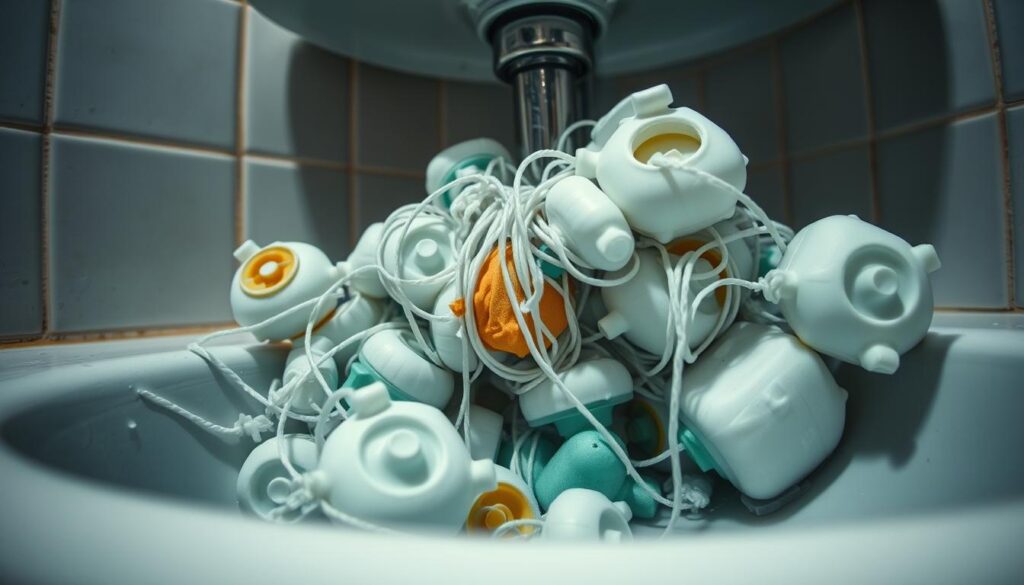
Laundry pods make doing laundry easy and quick. But, are they safe for your plumbing? Many homeowners in the U.S. are concerned about the risks these small packets might bring.
Introduced in 2012, laundry pods quickly became popular. But, safety warnings and plumbing worries keep coming up. This makes people wonder if the ease they offer is worth the possible damage.
Key Takeaways
- Laundry pods offer convenience but may pose possible plumbing risks
- Chemical composition can impact drainage systems
- Understanding proper usage is key to avoiding plumbing problems
- Not all detergent pods are the same
- Regular maintenance can help prevent damage
Table of Contents
Understanding Laundry Pods and Their Impact on Plumbing Systems
Laundry pods have changed how we do laundry, but they can also cause problems for your plumbing. These small cleaning solutions have a lot of detergent in a water-soluble package. This makes them easy to use but can also be risky for your pipes.
Components of Laundry Pods
Laundry pods have complex parts that can affect your pipes. They usually have:
- Outer water-soluble film (polyvinyl alcohol)
- Concentrated liquid detergent
- Cleaning and softening agents
- Specialized chemical stabilizers
How Laundry Pods Dissolve in Water
The way laundry pods dissolve in water is important. Water temperature, pressure, and agitation all matter. If these conditions aren’t right, the pods might not dissolve fully. This can cause damage to your plumbing.
“Not all water environments are created equal when it comes to pod dissolution” – Laundry Science Experts
Potential Risks to Plumbing Infrastructure
When pods don’t dissolve fully, they can cause problems in your plumbing. The leftover parts can block your pipes and slow down water flow. Knowing these risks helps you keep your plumbing safe.
It’s important for homeowners to watch how laundry pods work with their washing machines and plumbing. This can help avoid long-term damage.
Are Laundry Pods Bad for Plumbing: Common Concerns and Facts
Many homeowners worry about laundry pods harming their plumbing. But, experts say that using them right keeps plumbing safe.
Roto-Rooter’s study shows laundry pods don’t usually cause big plumbing issues. Knowing how laundry pods and plumbing interact helps you make smart choices.
- Most modern laundry pods are made to break down fully
- Using them correctly reduces plumbing risks
- Water temperature and pressure affect how they dissolve
Are laundry pods bad for plumbing? Not really. It’s all about knowing how they work and following the rules.
“Responsible use and understanding your home’s plumbing system are critical,” says professional plumber Mark Rodriguez.
Several things can affect how well laundry pods work and their impact on plumbing:
| Factor | Potential Impact |
|---|---|
| Water Temperature | Affects complete dissolution |
| Water Pressure | Influences pod breakdown |
| Machine Type | Can impact pod performance |
By keeping these points in mind, you can use laundry pods safely and keep your plumbing in good shape.
The Science Behind Detergent Pod Dissolution
Learning how laundry pods work can help avoid problems and keep pipes clean. The way detergent pods dissolve is more complex than many think.
Detergent pods have a water-soluble membrane that breaks down under certain conditions. Their effectiveness depends on several key factors:
Temperature’s Critical Role
Water temperature greatly affects how pods dissolve. Cold water can make it hard for pods to break down fully, leaving residue. Different temperatures change the pod’s chemical makeup in different ways:
- Cold water (below 60°F): Slower dissolution rate
- Warm water (60-90°F): Moderate dissolution
- Hot water (90°F and above): Fastest and most complete dissolution
Water Pressure Dynamics
Your washing machine’s water pressure is key to breaking down detergent pods. Low pressure can lead to incomplete breakdown, causing problems that might block pipes.
Chemical Composition and Drainage
The pod’s complex chemical makeup affects how it interacts with water and your pipes. Some pods have ingredients that can leave residue if not fully dissolved. This residue can build up in pipes over time.
By grasping these scientific basics, you can improve your laundry routine and protect your pipes from residue.
Comparing Laundry Pods to Traditional Detergent Forms
Homeowners have to choose between liquid and pod detergent for their washing machines. This choice affects how well the machine works and the health of the pipes. Knowing the differences between these detergents helps keep your plumbing safe and your clothes clean.
Detergent types work differently with your plumbing. Here are the main points:
- Liquid Detergents: Generally safe for most plumbing systems
- Powdered Detergents: Higher risk of pipe blockages
- Laundry Pods: Complex dissolution characteristics
Experts say to think about your home’s plumbing when picking a detergent. Liquid detergents dissolve well, which lowers the chance of pipe clogs.
| Detergent Type | Plumbing Impact | Dissolution Rate |
|---|---|---|
| Liquid Detergent | Low Risk | Rapid |
| Powdered Detergent | Moderate Risk | Slower |
| Laundry Pods | Variable Risk | Dependent on Water Conditions |
Tip: Always follow the maker’s advice for your washing machine to avoid plumbing problems.
“Choosing the right detergent is not just about cleaning clothes, but protecting your home’s plumbing infrastructure.” – Plumbing Maintenance Association
Liquid detergents are the safest for your plumbing. But, laundry pods have gotten better at dissolving. Picking the right one and using it right is important to avoid pipe problems.
Signs of Plumbing Damage from Detergent Pods
It’s important to know how laundry pods can harm your plumbing. These convenient items can sometimes cause problems for your pipes and drains.
Early Warning Indicators of Possible Problems
Spotting plumbing issues early can save you money. Look out for these signs:
- Slow drainage in sinks or washing machine
- Unusual gurgling sounds from pipes
- Recurring clogs that seem hard to clear
- Unexplained water backup in drains
Long-term Plumbing Effects to Consider
Detergent pods can lead to drain blockages over time. The chemicals and film from undissolved pods can build up in your pipes. This can cause problems with clogged drains.
When Professional Help Becomes Necessary
Some plumbing issues need a pro. Call a plumber if you see:
- Persistent drainage problems
- Multiple drain clogs at home
- Visible pipe damage or corrosion
- Changes in water pressure in various fixtures
Early detection and prevention are vital to protect your plumbing from laundry pod damage.
Preventing Plumbing Issues While Using Laundry Pods
Keeping your home’s plumbing safe when using washing machine pods is key. It’s important to know how these products work with your pipes and washing machine. This knowledge helps prevent problems.
To avoid clogs, follow these important steps:
- Use the right number of pods for your load size
- Make sure pods dissolve fully before the cycle ends
- Follow your washing machine’s guidelines
- Run cleaning cycles to remove soap residue
Where you put the pods is very important. Always put them in the empty drum first. This avoids problems with uneven dissolving and pipe issues.
“Prevention is always easier than repair when it comes to home plumbing systems.” – Professional Plumbing Association
Water temperature affects how well pods work. Warm to hot water helps them dissolve better. This lowers the chance of clogs in your pipes.
Keeping your pipes clean is also vital. Use enzyme-based cleaners every three months. They break down soap residue and stop it from building up in your pipes.
Best Practices for Safe Laundry Pod Usage
Using laundry pods can be tricky, and it’s important to know if they’re bad for plumbing. Learning how to use them safely helps protect your washing machine and plumbing.
It’s key to store and use laundry pods correctly to avoid problems. Moisture, heat, and wrong handling can damage the pods. This can lead to plumbing issues.
Storing Your Laundry Pods Correctly
Keeping your laundry pods safe from the environment is vital. Here’s how to store them:
- Keep pods in a cool, dry place
- Use original packaging with tight-seal containers
- Avoid storing near washing machines or humid areas
- Keep out of reach of children and pets
Dosage and Machine Recommendations
Follow these tips to use laundry pods safely and avoid plumbing risks:
- Always check your washing machine manufacturer’s instructions
- Use the recommended number of pods based on load size
- Ensure pods are placed directly in the drum before clothes
- Select appropriate water temperature for complete dissolution
For more on pod safety, check out the Cleaning Institute’s guidelines. They can help protect your plumbing and washing machine.
Machine-Specific Considerations
Different washing machines may need unique ways to use laundry pods. High-efficiency (HE) machines, front-loading washers, and top-loading models have different needs for best pod performance.
Alternative Detergent Options for Plumbing Health
When looking at liquid vs pod detergent plumbing impacts, you have many options. These alternatives can protect your home’s plumbing system. Each type of detergent has its own benefits for keeping your pipes and septic system healthy.
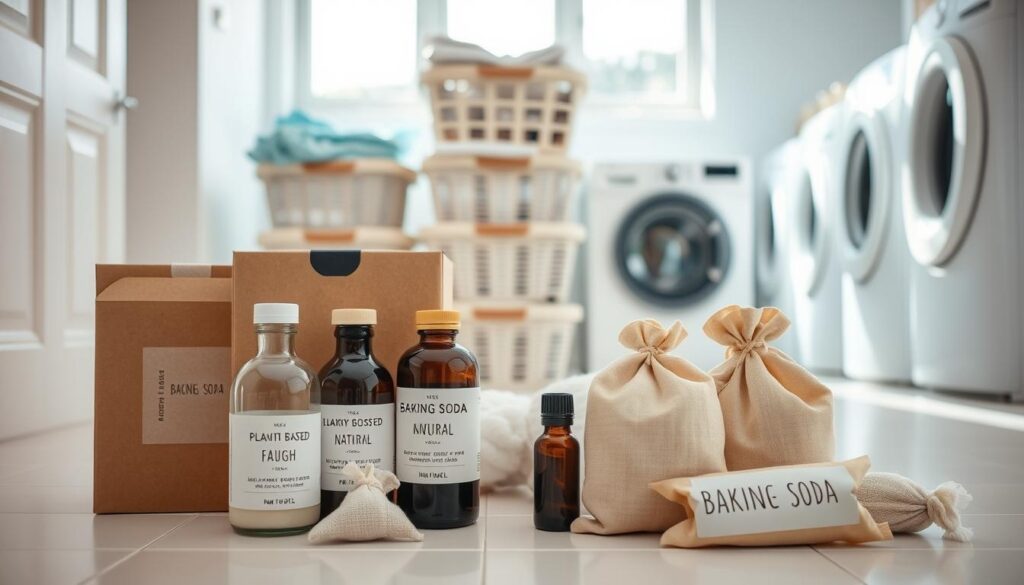
Exploring other laundry detergent options can greatly improve your septic system’s health. Let’s look at some choices:
- Liquid Detergents: These traditional cleaners dissolve completely and spread evenly during wash cycles
- Powder Detergents: Often more budget-friendly and less likely to cause plumbing clogs
- Detergent Sheets: Eco-friendly option that dissolves rapidly in water
Each detergent type affects your plumbing system differently. Powder and liquid detergents usually have fewer chemicals than pods. This means they put less strain on your pipes.
| Detergent Type | Plumbing Impact | Septic System Compatibility |
|---|---|---|
| Liquid Detergent | Low Risk | High Compatibility |
| Powder Detergent | Minimal Risk | Very Good |
| Detergent Sheets | Lowest Risk | Excellent |
When picking a detergent, think about your plumbing and septic system needs. Talking to a professional plumber can give you advice that fits your home’s specific situation.
“Choosing the right detergent is not just about cleaning clothes, but protecting your home’s entire plumbing ecosystem.” – Plumbing Experts Association
Conclusion
Understanding how detergent pods affect your plumbing is key. They are convenient but can impact your drainage system. This depends on water temperature, the type of machine, and how you use them.
If you use laundry pods right, they shouldn’t harm your plumbing. Keeping your drains clean and following the manufacturer’s advice can stop clogs. Being aware and taking care of your pipes is important to avoid damage.
Choosing the right detergent and knowing your plumbing system matters a lot. Regular checks, using the right amount of pods, and keeping your washing machine in good shape are important. These steps help keep your plumbing healthy for a long time.
Every home’s plumbing is different. Talking to a professional plumber can give you advice tailored to your needs. They can help you use modern laundry cleaning methods without harming your drainage system.