
Affiliate Disclosure
Plumber Guide Guys is a participant in the Amazon Services LLC Associates Program, an affiliate advertising program designed to provide a means for sites to earn advertising fees by advertising and linking to Amazon.
Are Garbage Disposals Bad for Plumbing? Ever thought that the kitchen appliance under your sink might harm your plumbing? Garbage disposals are common in American kitchens, making food waste easy to manage. But, are they really safe for your plumbing?
These appliances grind food into small pieces that seem to vanish. They’re convenient, but homeowners should watch out for plumbing problems they might cause.
It’s important to know how garbage disposals affect your plumbing. Not all food waste is safe for these machines. Using your disposal right can prevent big problems and save you money.
Key Takeaways
- Garbage disposals can potentially cause plumbing complications
- Proper usage is critical to preventing system damage
- Not all food waste is suitable for disposal
- Regular maintenance helps extend disposal lifespan
- Understanding your specific plumbing system is essential
Table of Contents
Understanding Garbage Disposal Systems and Their Impact
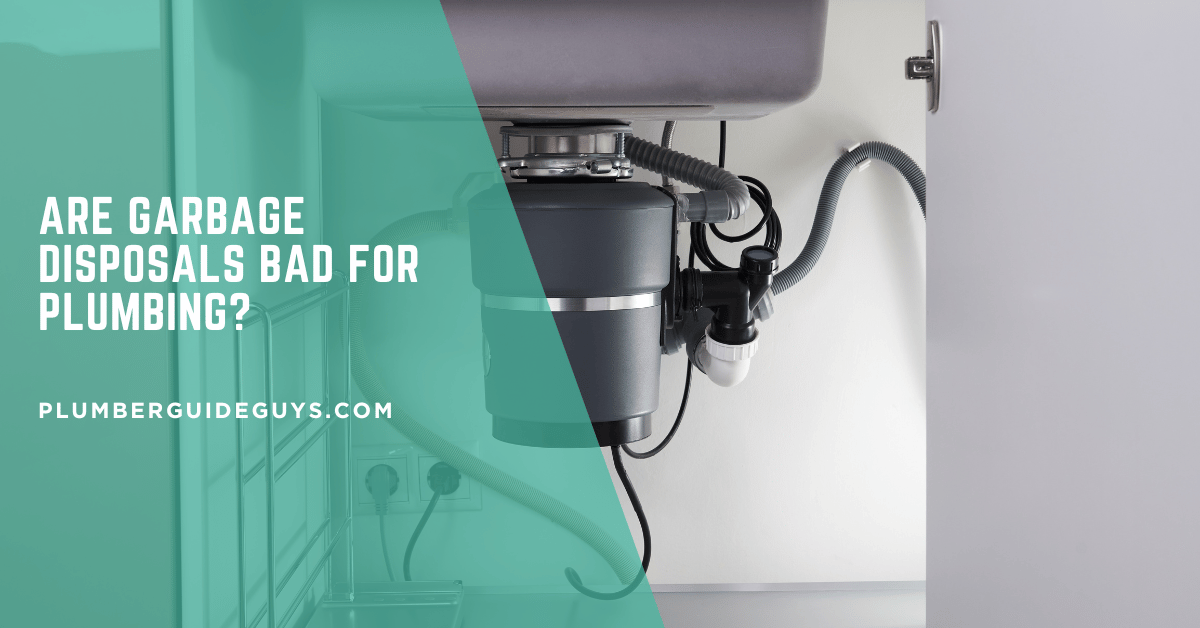
Garbage disposals are key in kitchens, helping manage food waste. They are vital in home plumbing, making it easy to get rid of kitchen scraps. This helps avoid damage to pipes.
A garbage disposal turns food waste into small bits. These bits can flow through your plumbing system easily. Knowing how it works and how to maintain it is important to avoid plumbing problems.
How Garbage Disposals Function
A garbage disposal has a few main parts:
- Grinding chamber with rotating metal impellers
- Powerful motor that drives the grinding process
- Sharp grinding rings that break down food particles
Integration with Home Plumbing
Garbage disposals connect to your kitchen sink’s drain. They use water pressure and grinding to break down waste. This makes it safe for your plumbing system.
System Components and Design
| Component | Function | Maintenance Requirement |
|---|---|---|
| Motor | Provides power for grinding | Periodic electrical check |
| Grinding Chamber | Breaks down food waste | Regular cleaning |
| Impellers | Rotate and crush food particles | Inspect for wear and damage |
Knowing these details helps your garbage disposal work better. It also reduces risks to your plumbing system.
Are Garbage Disposals Bad for Plumbing?
Garbage disposals aren’t inherently bad for plumbing when used correctly. Knowing how to maintain them can save you money and prevent big problems. This is key for managing kitchen waste effectively.
Using your garbage disposal wisely is the first step to protecting your plumbing. If you don’t, you could face costly repairs. Experts suggest following certain rules to avoid these issues.
- Run cold water while operating the disposal
- Cut large food items into smaller pieces
- Avoid putting problematic materials down the drain
- Clean the disposal regularly
Different plumbing systems react differently to garbage disposals. Older systems might be more at risk, while newer ones can handle waste better. Knowing your plumbing system helps avoid damage and breakdowns.
Are garbage disposals bad for plumbing? Not if you’re careful. By using them right and keeping them clean, you can enjoy their benefits without harming your plumbing.
“Preventative care is always cheaper than reactive repair” – Plumbing Industry Wisdom
Benefits of Having a Garbage Disposal
Garbage disposals have changed kitchens for the better. They help homeowners deal with plumbing issues more easily. These small appliances do more than just make cleaning up easier; they also help prevent plumbing damage.
Let’s look at the main benefits of having a garbage disposal in your kitchen:
Streamlined Kitchen Waste Management
A garbage disposal makes cleaning up after meals much simpler. Instead of throwing food scraps in the trash, you can grind them in the sink. This method has several advantages:
- Reduces kitchen odors
- Minimizes trash bag usage
- Speeds up post-meal cleaning
Potential Pipe Protection Mechanism
Many think garbage disposals cause plumbing problems, but they can actually help. By breaking down food waste into small pieces, they lower the chance of clogs.
| Disposal Feature | Plumbing Benefit |
|---|---|
| Fine Grinding Capability | Reduces Large Waste Accumulation |
| Water Flush Mechanism | Helps Clear Pipe Passages |
Environmental Considerations
Garbage disposals are also good for the environment. They help avoid sending organic waste to landfills, supporting sustainable waste management.
“A small kitchen appliance can make a significant environmental difference” – Waste Management Experts
With a lifespan of 8-10 years and low upkeep, garbage disposals are a wise choice. They help homeowners prevent plumbing damage before it starts.
Common Plumbing Issues Caused by Improper Use
Garbage disposals can quickly become a source of significant plumbing problems when used incorrectly. Clogged drains from food waste are more common than most homeowners realize, creating a nightmare for your kitchen plumbing system.
Understanding the most frequent plumbing issues can help you prevent costly repairs. It also helps maintain a healthy kitchen drainage system. Here are the primary concerns:
- Pipe blockages from inappropriate food waste
- Motor strain from overloading the disposal
- Persistent drain odors
- Potential sewage backups
Overloading your garbage disposal creates significant risks. Plumbing issues from disposals often stem from users treating the appliance like an unlimited trash receptacle.
| Issue | Potential Damage | Repair Cost |
|---|---|---|
| Severe Clogging | Pipe Damage | $150-$500 |
| Motor Overload | Complete Disposal Replacement | $250-$750 |
| Drain Blockage | Sewer Line Complications | $300-$1,500 |
Protecting your plumbing requires understanding what your disposal can and cannot handle. Regular maintenance and careful usage can prevent most disposal-related problems.
Foods That Should Never Enter Your Disposal
Your garbage disposal is handy, but not all food waste is safe for it. Knowing what not to put in it is key to avoiding damage and clogs.
Some foods can really harm your plumbing. Staying away from these items keeps your kitchen running smoothly and saves you money on repairs.
Fibrous and Stringy Foods
Some foods are tough on your disposal. Vegetables with lots of fiber are a big problem:
- Celery stalks
- Corn husks
- Asparagus
- Artichoke leaves
These can get tangled in the blades, causing jams and damage.
Sticky and Expansive Substances
Starchy foods can also cause big problems:
- Pasta
- Rice
- Potato peels
They get bigger when wet, making sticky clumps that block pipes and cause drainage issues.
Fats, Oils, and Problematic Materials
Some things should never go in your disposal:
- Cooking grease
- Animal fat
- Fruit pits
- Bones
- Eggshells
Grease hardens in pipes, causing big clogs. Hard items like bones can break your disposal, costing a lot to fix.
Pro tip: When in doubt, throw it out or compost. Your plumbing system will thank you!
Proper Maintenance and Usage Guidelines
Keeping your sink disposal in good shape is key to avoiding plumbing problems at home. It also makes sure your kitchen appliance works well. Taking good care of it can make it last longer and avoid expensive fixes.
To keep your garbage disposal working great, follow these important tips:
- Run cold water before, during, and after using the disposal
- Feed food waste gradually to prevent system overload
- Clean the disposal weekly to remove buildup and eliminate odors
- Use ice cubes and rock salt for natural cleaning
Good maintenance is more than just using it right. Regular cleaning stops plumbing problems before they start.
| Maintenance Task | Frequency | Purpose |
|---|---|---|
| Cold Water Flush | After Each Use | Flush away food particles |
| Deep Cleaning | Monthly | Remove grease and debris |
| Professional Inspection | Annually | Prevent major plumbing issues |
Don’t put things like coffee grounds, eggshells, or tough veggies in your disposal. They can clog it and harm the inside parts.
Pro Tip: Always use cold water when running your garbage disposal to help solidify grease and prevent pipe buildup.
Impact on Different Plumbing Systems
Garbage disposals work differently with various plumbing systems. Knowing how they interact with sewage can help avoid plumbing issues. It keeps your system running smoothly.
Municipal Sewer Systems
Garbage disposals can pose challenges for municipal sewer systems. Cities must handle more food waste, which can overload their systems. Many cities have rules for using garbage disposals to avoid problems.
- Increased food particle volume
- Potential strain on municipal processing systems
- Recommended waste management practices
Septic Tank Considerations
Homeowners with septic systems need to be careful. Too much use of garbage disposals can upset the balance in septic tanks. This means more frequent tank pumping and a higher risk of system failure.
“Careful disposal habits are key to a healthy septic system” – Plumbing Maintenance Experts
Older Plumbing Infrastructure
Older homes with old pipes are at higher risk with garbage disposals. Narrow or corroded pipes can easily clog. Regular checks and careful disposal are vital to avoid expensive fixes.
- Higher risk of pipe blockages
- Potential for increased maintenance
- Need for professional pipe assessments
Signs of Disposal-Related Plumbing Damage
Spotting early signs of kitchen plumbing damage can prevent costly fixes. Your garbage disposal might be showing signs of serious problems. It’s important for homeowners to notice small signs that could mean big plumbing issues.
Here are key warning signs to watch for:
- Slow-draining water in your sink
- Unusual “glug-glug” noises during drainage
- Persistent unpleasant odors near the disposal
- Frequent unexpected clogs
- Water leaking around the disposal unit
Ignoring these symptoms can lead to higher plumbing repair costs. A professional check of your garbage disposal can find hidden problems early.
| Warning Sign | Potential Damage Level | Recommended Action |
|---|---|---|
| Burning Motor Smell | High | Immediate Replacement |
| Frequent Jamming | Medium | Professional Assessment |
| Grinding Noise | Low | Inspect Blades |
Pro tip: Regular maintenance can prevent unexpected breakdowns and reduce kitchen plumbing damage.
Conclusion
Understanding how to use and maintain garbage disposals is key. Your plumbing system can work well with a disposal if you follow the right steps. Just remember to be careful about what you throw down the drain.
Composting is a great alternative for those worried about plumbing risks. It’s a good choice if you’re not sure about getting a disposal. Composting helps manage kitchen waste without harming your pipes.
Whether to get a disposal depends on your home’s needs and plumbing. By following best practices, you can avoid plumbing problems. This way, you can enjoy the benefits of a disposal without issues.
So, are garbage disposals bad for plumbing? Not really. With the right care and knowledge, they can be a helpful addition to your kitchen. They make managing waste easier and more efficient.