
Affiliate Disclosure
Plumber Guide Guys is a participant in the Amazon Services LLC Associates Program, an affiliate advertising program designed to provide a means for sites to earn advertising fees by advertising and linking to Amazon.
Are Dishwasher Pods Bad for Your Plumbing? Ever thought about how dishwasher pods might affect your plumbing? These convenient little packets are becoming more common in American homes. But, they raise important questions about their impact on pipes and drainage.
Dishwasher pods make cleaning easy with just one toss. But, their chemical makeup could harm your plumbing. So, are dishwasher pods bad for your plumbing? The answer is not simple.
This article will explore the world of dishwasher detergent pods and pipes. We’ll look at their risks, benefits, and more. You’ll learn important facts to consider before using dishwasher pods.
Key Takeaways
- Dishwasher pods contain complex chemical formulations
- Potential plumbing risks exist with improper pod usage
- Understanding pod composition is key for home maintenance
- Proper usage can reduce plumbing problems
- Regular maintenance protects your pipes
Table of Contents
Understanding Dishwasher Pods and Their Composition
Dishwasher pods are a hit in modern kitchens. They offer convenience and strong cleaning power. These small, water-soluble packages can affect your plumbing system.
What Are Dishwasher Pods Made Of?
Dishwasher pods are more than just a simple cleaning tool. They are small capsules filled with a mix of cleaning ingredients. The main parts include:
- Cleaning detergents
- Grease-cutting agents
- Water-soluble packaging
- Specialized chemical compounds
The Role of PVA in Pod Design
Polyvinyl Alcohol (PVA) is the main material for the pod’s outer layer. It’s a special plastic-like substance that dissolves in water. This helps prevent clogs in drains. But, not all PVA breaks down as well as claimed.
Active Cleaning Ingredients in Pods
The inside of dishwasher pods has a strong mix of cleaning agents. These agents are designed to remove tough food residues. But, they can cause plumbing problems if not used right.
- Enzymes for breaking down proteins
- Surfactants to remove grease
- Bleaching agents for stain removal
- Water softeners to improve cleaning efficiency
Knowing what dishwasher pods are made of helps you use them wisely. It also helps you understand their impact on your plumbing system.
How Dishwasher Pods Work in Your Appliance
Learning how dishwasher pods work can make them clean better. When you put a pod in your dishwasher, a cool chemical reaction starts. The pod’s special coating, made of polyvinyl alcohol (PVA), breaks down in hot water. This releases strong cleaning agents into the wash cycle.
The dissolution process follows a specific sequence:
- Pod enters the dishwasher’s interior
- Hot water triggers the PVA membrane to disintegrate
- Concentrated detergent is released
- Cleaning agents spread across dishes
Water temperature is key for pod effectiveness. Experts say water should be between 120-150 degrees Fahrenheit for best results. This heat ensures the pod dissolves fully and avoids clogging pipes.
| Water Temperature | Pod Dissolution Effectiveness |
|---|---|
| Below 110°F | Poor dissolution |
| 120-150°F | Optimal performance |
| Above 160°F | Potential premature breakdown |
Pro tip: Always check your dishwasher’s recommended water temperature to ensure maximum cleaning efficiency and prevent possible plumbing issues.
The Truth About Dishwasher Pods and Plumbing Safety
Dishwasher pods are popular for cleaning dishes, but they raise concerns about plumbing safety. It’s important to know how these products affect your plumbing. This knowledge helps keep your pipes healthy for a long time.
Experts have different views on whether dishwasher pods can damage pipes. The way these pods dissolve in water is key. Several factors can impact your plumbing system:
- Water temperature impact on pod breakdown
- Chemical composition of cleaning agents
- Potential residue left in pipes
- Age and condition of existing plumbing
Dissolution Process and Pipe Impact
Modern dishwasher pods are made to dissolve fully in water. The plastic coating is typically water-soluble, which means it should break down without leaving much residue. But, not all plumbing systems react the same to these products.
| Plumbing Factor | Potential Risk Level |
|---|---|
| Older Pipe Systems | High Risk |
| Modern PVC Pipes | Low Risk |
| Copper Piping | Moderate Risk |
Common Misconceptions About Pod Usage
Many people think all dishwasher pods are the same. But, different brands and types can affect your plumbing in different ways.
Professional Plumber Perspectives
Not all pods are created equal. Always check the manufacturer’s recommendations for your specific plumbing system.
Professional plumbers suggest taking steps to protect your pipes. Try using different cleaning methods and check your plumbing often for buildup or damage.
Are Dishwasher Pods Bad for Your Plumbing?
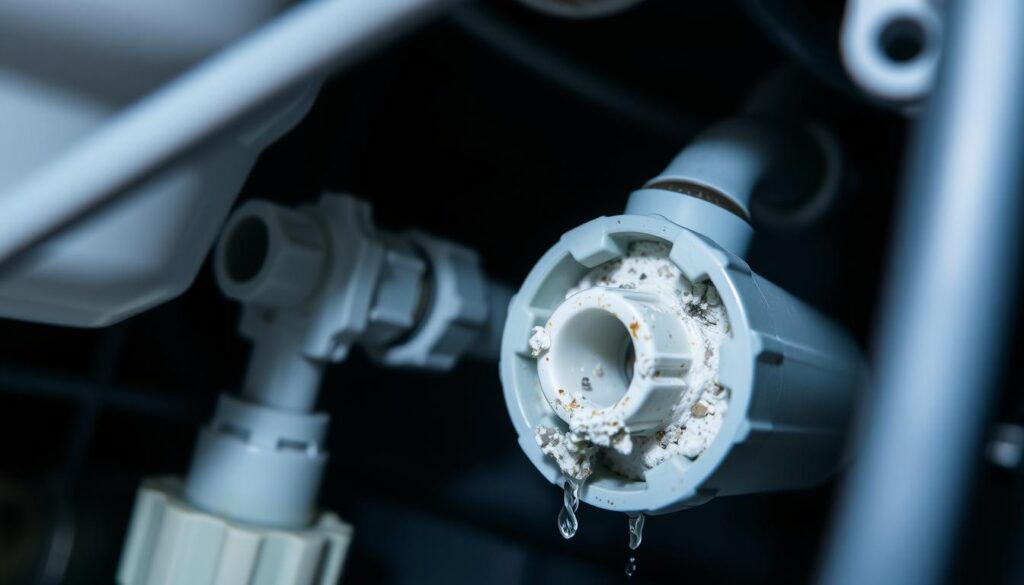
Dishwasher pods are popular for cleaning dishes, but they raise plumbing concerns. It’s important to know how they affect your plumbing system.
Different dishwasher pods can have varying effects on your pipes. Factors like water hardness, how often you use the dishwasher, and the pod’s ingredients play a role. Also, the age and condition of your plumbing matter.
Experts have noted some issues with dishwasher pod residue buildup. The strong detergent can leave mineral deposits or chemical residues. These can build up over time.
| Pod Type | Plumbing Impact | Recommended Frequency |
|---|---|---|
| Powdered Pods | Higher Residue Potentia | Use sparingly |
| Gel Pods | Lower Residue Risk | More frequent use |
| Eco-Friendly Pods | Minimal Plumbing Impact | Regular use recommended |
To avoid plumbing problems, take these steps:
- Run hot water before starting the dishwasher
- Use pods sparingly
- Periodically clean your dishwasher’s filter
- Conduct regular plumbing maintenance
While dishwasher pods aren’t inherently dangerous, being mindful of their effects can protect your plumbing.
Potential Risks of Using Powdered Dishwasher Pods
Dishwasher pods seem handy, but they can harm your plumbing. Are dishwasher pods bad for your plumbing? The answer is not simple. These cleaning agents can cause big problems for your pipes over time.
Powdered dishwasher pods can damage your plumbing. It’s important to know these risks to keep your home’s drainage system working well.
Build-up and Residue Concerns
Clogged drains from dishwasher pods are a big worry. If pods don’t dissolve fully, they leave a hard-to-remove residue in your pipes. This can lead to several issues:
- Partial dissolution leading to chemical sediment
- Potential pipe narrowing
- Increased risk of blockages
Long-term Effects on Pipes
The long-term effects of dishwasher pods on your plumbing can be serious. Using them often may cause:
| Potential Issue | Possible Consequences |
|---|---|
| Mineral Deposit Accumulation | Reduced pipe diameter |
| Chemical Residue Build-up | Potential pipe corrosion |
| Incomplete Dissolution | Increased risk of blockages |
“Prevention is always better than costly plumbing repairs.” – Professional Plumbing Association
Homeowners should know that while dishwasher pods are convenient, they need careful use to avoid plumbing problems. Regular upkeep and choosing the right pods can help avoid these issues.
Proper Usage and Storage Guidelines
Managing dishwasher pods right can stop plumbing problems and keep your dishes clean. Knowing how to use and store them is key. It helps protect your dishwasher and pipes from damage.
Here are some tips to avoid plumbing issues with dishwasher pods:
- Always put the pod in the right spot
- Use only one pod per cycle
- Make sure water is between 120°F and 150°F
- Check that the detergent area closes well
Storing pods correctly is also vital. Keep them in a cool, dry place away from moisture and sunlight. Too much humidity can make pods stick or dissolve too soon. This might cause plumbing problems.
Store pods in their original packaging or a sealed container. This keeps them safe from the environment. It also stops kids or pets from getting into them.
Environmental Impact of Dishwasher Pods
Dishwasher pods are easy to use, but they harm the environment. Looking into alternatives for pipes is key to understanding their impact.
Microplastic Pollution Risks
Cascade pods and others have PVA packaging that turns into tiny plastic bits. These microplastics are a big problem:
- They pollute water systems
- They can hurt aquatic life
- They build up in marine food chains
Water System Contamination
Using cascade pods might not show the environmental damage they cause. Microplastics can:
- Get past water treatment plants
- Get into our drinking water
- Upset the balance of nature
“Every pod used contributes to a larger environmental challenge we must address.” – Environmental Research Center
Choosing green dishwasher cleaners can cut down on microplastic pollution. It helps keep our water safe.
Alternative Cleaning Solutions for Your Dishwasher
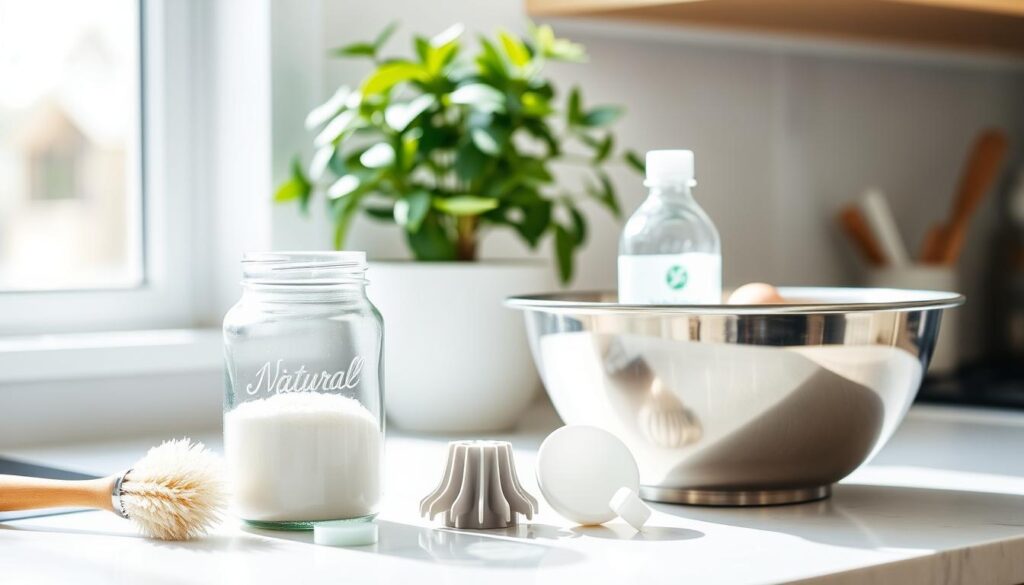
Worried about finish pods damaging your pipes and leaving residue? It’s time to look into other cleaning options. Traditional dishwasher detergents offer safe and effective ways to keep your dishes clean without harming your plumbing.
Here are some alternative cleaning methods to consider:
- Liquid Detergents: They offer better control and leave less residue than pods
- Powder Detergents: These are often better for the environment and can save money
- Eco-Friendly Options: Choose plant-based detergents for a lower chemical impact
Liquid detergents can help reduce residue buildup. They let you adjust the amount based on the load size and dirt level. This can lower the risk of pipe damage.
“Choosing the right detergent is key to maintaining your dishwasher’s performance and protecting your home’s plumbing system.”
Homemade cleaners are another smart choice. Using natural ingredients like baking soda and vinegar can clean dishes well while being gentle on your pipes. These methods cut down on chemicals and the risk of pipe damage.
Your dishwasher detergent choice affects your appliance’s life and your home’s plumbing. Try different options to find the best and safest cleaning solution for you.
Maintaining Your Plumbing While Using Pods
Keeping your home’s plumbing safe while using dishwasher pods is key. You need to take care and pay attention. By doing so, you can manage the effects of pod detergent on your plumbing.
Knowing how dishwasher pods can harm your plumbing is important. It helps you take steps to prevent problems. How you use pods can greatly affect your pipes’ health over time.
Essential Preventive Measures
- Use the correct pod dosage recommended by manufacturers
- Run hot water before starting your dishwasher to prevent residue buildup
- Install a water softener if you live in a hard water region
- Regularly inspect your dishwasher’s drain and filtration system
Routine Maintenance Tips
Protecting your plumbing means regular care and expert advice. Here are some useful tips:
- Schedule annual plumbing inspections with a professional
- Clean your dishwasher’s interior monthly with a specialized cleaner
- Check for any unusual drainage or pipe blockage signs
- Flush pipes with hot water periodically to prevent detergent accumulation
“Preventative maintenance is always cheaper than emergency repairs” – Professional Plumbing Association
Proactive care can help minimize the effects of pod detergent on your plumbing. It can also extend the life of your home’s plumbing system.
Conclusion
Understanding dishwasher detergent pods and their effect on pipes is key. While they’re convenient, knowing their impact on plumbing is vital. Is using dishwasher pods bad for your pipes? It depends on your home’s setup.
Your plumbing, water quality, and upkeep matter a lot. Modern dishwasher pods are better, but they need to be used right. Always follow the maker’s advice and look out for any signs of trouble.
Keeping your pipes safe is more than just picking the right cleaner. Regular care, proper storage, and sometimes a pro check can help. Being aware and taking action keeps your dishwasher working well and your pipes safe.
If you’re worried about using pods, look into other cleaning methods or green options. Your home’s health is at stake. Making smart choices means balancing ease with care for your plumbing.