

Affiliate Disclosure
Plumber Guide Guys is a participant in the Amazon Services LLC Associates Program, an affiliate advertising program designed to provide a means for sites to earn advertising fees by advertising and linking to Amazon.
Does a Plumber Do Gas Lines? Are you wondering if a plumber can install gas lines in your home? Many people are unsure about what plumbers can do with gas lines. It’s important to know what plumbers can do to keep your home safe and gas systems working right.
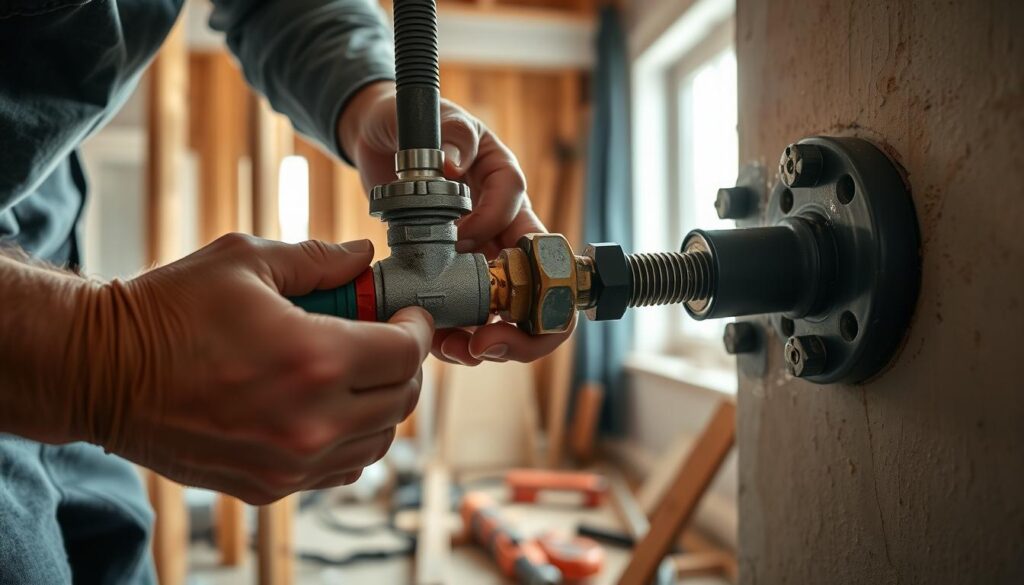
Installing gas lines needs special skills and knowledge. Plumbers with the right certifications can do this work. They make sure your home’s gas systems are set up and kept in good shape.
When you need a plumber for gas line work, check their qualifications. Not all plumbers can work with gas lines. Choosing the right plumber is important for safety and following the rules.
Key Takeaways
- Some plumbers are qualified to perform gas line installation
- Specialized certification is required for gas line services
- Safety is a top priority in gas line work
- Professional expertise ensures proper installation
- Not all plumbers can handle gas line services
Table of Contents
Understanding the Role of Plumbers in Gas Line Services
Plumbers are key in keeping your home’s gas systems safe and working right. They have the training to do complex gas line jobs. This requires a lot of knowledge and care.
Licensed plumbers for gas work have a lot of experience. They do more than just plumbing. They also handle gas line services to keep your home and family safe.
Types of Gas Line Work
- Gas line installation for new appliances
- Comprehensive gas pipe repair services
- Leak detection and repair
- System pressure testing
- Appliance connection verification
Licensing and Certification
Gas line technicians need to meet high standards. Certification means they’ve had a lot of training, experience, and keep up with safety rules. This makes sure only skilled people work on gas lines.
Safety Protocols and Standards
Safety is the top priority in gas line work. Licensed pros follow strict rules to avoid dangers. They do detailed checks, install carefully, and assess risks well.
Choosing a skilled pro for your gas line needs keeps your home safe. It also makes sure your gas systems work well.
Does a Plumber Do Gas Lines: Your Complete Guide
Professional plumbers are your go-to for natural gas line plumbing. They have the skills to install, repair, and maintain gas lines safely. Knowing what they can do helps you make smart choices for your home’s gas needs.
Plumbers with gas line training are experts in both homes and businesses. They offer a wide range of services, including:
- Initial gas line installation
- Comprehensive system inspections
- Leak detection and repair
- Gas line replacement
- Connection of gas-powered appliances
The cost to replace a gas line varies. Prices depend on pipe length, material, accessibility, and local labor rates. For typical home gas line work, costs usually range from $250 to $750.
Professional plumbers ensure your gas line installation meets all safety and regulatory standards, protecting your property and family.
Certified plumbers get deep training in natural gas line plumbing. They know more than just how to connect pipes. They understand the right materials, pressure, and environmental factors that affect gas line performance.
Always pick a licensed plumber with experience in natural gas line plumbing. Their skills prevent dangers and ensure your system works well for years.
Safety Considerations for Gas Line Installation
Gas line safety is very important for everyone. It’s key to know the risks and take steps to stay safe. Certified gas line plumbers help make sure gas systems are installed and maintained safely.
Natural gas systems can be dangerous. It’s important to understand these risks to keep your home and family safe.
Common Gas Line Hazards
- Gas leaks that can lead to fire or explosion
- Carbon monoxide poisoning risks
- Potential structural damage from improper installation
- Corrosion and pipe deterioration
Emergency Response Procedures
In case of a gas emergency, act fast. Emergency gas pipe repair needs quick professional help. Here’s what to do:
- Evacuate the area immediately
- Avoid using electrical switches or open flames
- Call your local gas company or emergency services
- Contact certified gas line plumbers for professional assessment
Prevention and Maintenance Tips
Keeping your gas line system safe needs regular checks. Preventative care can greatly lower the chance of emergencies. Here are some tips for maintenance:
- Schedule annual inspections with certified gas line plumbers
- Install gas leak detection systems
- Replace aging gas pipes proactively
- Educate household members about gas safety
Your safety is the most important thing. Certified gas line plumbers make sure your gas system is safe and works well. This reduces risks and gives you peace of mind.
Legal Requirements for Gas Line Installation
Installing a gas line is not a job for DIY enthusiasts. The rules for gas line work are strict and complex. They are in place to keep everyone safe. Each area has its own rules that require professionals for gas line tasks.
Plumbers who work with gas lines must go through tough training. This training is to make sure they can do the job right. It keeps homes and communities safe from dangers of bad gas line setups.
- State-specific licensing regulations
- Mandatory certification processes
- Comprehensive safety training
- Periodic professional recertification
Your local building codes say only certified pros can install gas lines. You can’t legally do it yourself. The training makes sure plumbers know how to:
- Follow advanced safety rules
- Connect pipes correctly
- Test pressure accurately
- Identify and manage risks
Breaking these rules can lead to big fines and legal trouble. Plumbers get a lot of training to follow these rules. This keeps everyone safe while working on gas lines.
Always check a plumber’s certification before they work on your gas lines.
Professional Expertise in Gas Pipe Materials
Choosing the right materials for natural gas lines is key for safety and efficiency. Professional plumbers have the knowledge to ensure your gas system works well and safely.
Installing gas lines requires careful thought. Plumbers know how different materials work with gas systems.
Types of Gas Piping Materials
- Black Iron Pipes: Traditional and durable for gas line installations
- Copper Pipes: Corrosion-resistant and suitable for specific applications
- Flexible Corrugated Stainless Steel Tubing (CSST): Modern solution for complex routing
- Polyethylene (PE) Pipes: Ideal for underground gas line connections
Material Selection Criteria
| Material | Durability | Cost | Recommended Use |
|---|---|---|---|
| Black Iron | High | Moderate | Indoor gas line installations |
| Copper | Excellent | High | Specific residential applications |
| CSST | Good | Low | Flexible routing scenarios |
| Polyethylene | Very High | Low | Underground gas line connections |
Experts in gas pipe repair consider many factors when picking materials. They look at the environment, local laws, and the project’s needs. Your safety relies on their choice of materials and how they install them.
Gas-Powered Appliance Installation and Connection
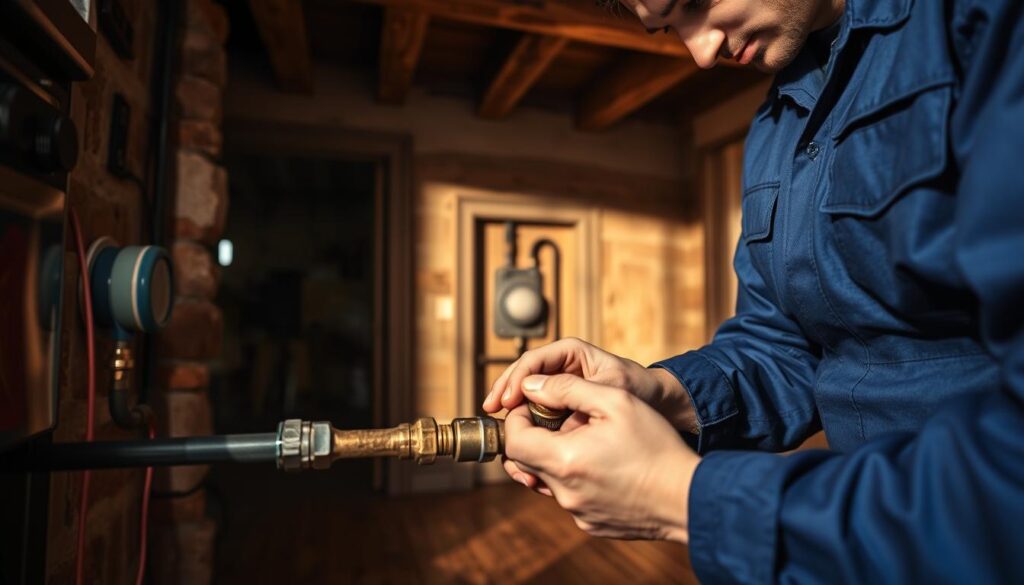
Connecting gas-powered appliances needs special skills. Plumbers are key to safe and efficient setup of home gas appliances.
Gas appliances need exact connections for best performance and safety. Certified pros should handle your gas line setup. They know the detailed needs of each appliance.
- Water heaters
- Gas stoves and ranges
- Furnaces
- Fireplaces
- Dryers
Each appliance has its own connection method. This requires technical know-how. Wrong installation can cause gas leaks or poor appliance work.
| Appliance Type | Connection Complexity | Professional Recommendation |
|---|---|---|
| Water Heater | High | Always recommended |
| Gas Stove | Medium | Strongly recommended |
| Furnace | High | Required professional installation |
Professional plumbers make sure your gas lines follow local codes and safety rules. They do detailed pressure tests and leak checks to keep your home safe.
Proper gas appliance installation is not just about functionality—it’s about keeping your home safe.
Choosing a certified pro for your gas line setup means precise connections. You’ll get top appliance performance and peace of mind.
Signs You Need Professional Gas Line Service
Gas line problems can turn from small issues to serious dangers quickly. Spotting warning signs early helps keep your home and family safe. It’s important to call for professional help when you see certain signs.
Knowing when to get emergency gas pipe repair is key to avoiding big problems. Here are important signs that mean you need a pro right away:
Detecting Gas Leaks
- Distinctive Sulfur or Rotten Egg Smell: Natural gas smells bad on purpose to warn people of leaks
- Unusual hissing sounds near gas lines or connections
- Dead or discolored vegetation near underground gas pipes
- Bubbling in standing water around gas line areas
System Performance Issues
Not all gas line issues are easy to spot. Some signs are subtle but mean you need a pro:
| Performance Indicator | Potential Gas Line Problem |
|---|---|
| Inconsistent flame on gas appliances | Potential pipe blockage or pressure issues |
| Increased gas bill without changes in usage | Possible hidden gas line leak |
| Pilot light frequently extinguishing | Potential gas flow disruption |
If you notice any of these signs, call a professional gas line service right away. Your safety is at stake, and quick, expert help is essential.
Cost Factors in Gas Line Installation and Repair
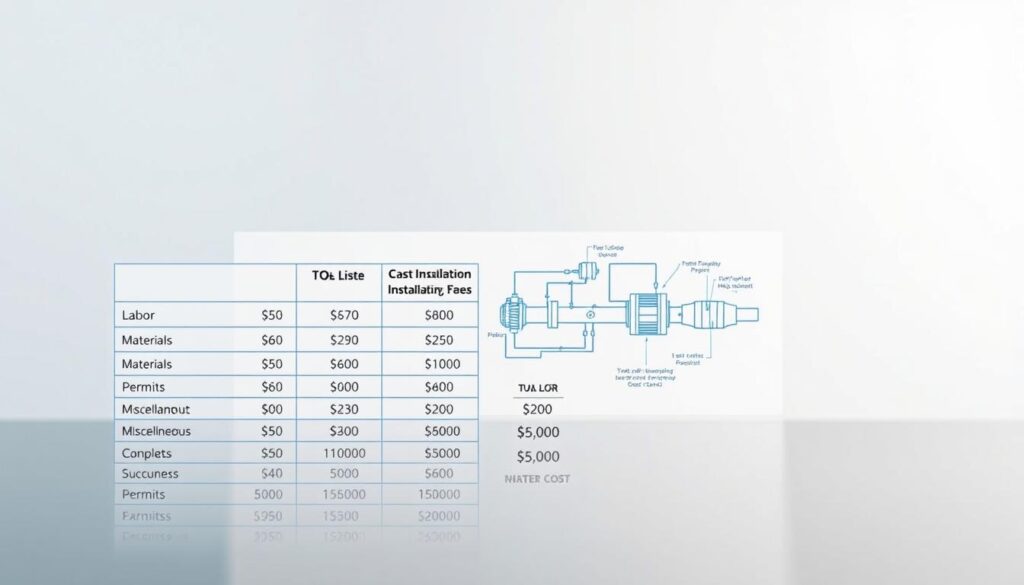
Knowing the cost of gas line replacement helps you plan your budget. The price for installing a gas line changes based on several important factors.
Here’s what affects your total cost:
- Length of gas line needed
- Material type and complexity
- How easy it is to get to the installation spot
- Local plumber rates
- Fees for permits and inspections
Plumbers look at many things to figure out the cost. Homeowners might pay $250 to $750 for simple repairs. But, more complex jobs can cost between $1,000 and $5,000.
| Service Type | Estimated Cost Range | Complexity |
|---|---|---|
| Minor Gas Line Repair | $250 – $750 | Low |
| Standard Gas Line Installation | $1,000 – $2,500 | Medium |
| Complex Gas Line Replacement | $3,000 – $5,000 | High |
Pro tip: Get quotes from certified plumbers to find the best price and service.
Prices can vary a lot depending on where you live. Cities usually cost more than rural areas. The type of material used also affects the price.
Emergency Gas Line Services and Repairs
Gas emergencies need quick and expert help. Certified gas line plumbers are key in keeping your home and family safe. Knowing what to do in a gas emergency can save lives and avoid big damage.
If you think there’s a gas leak, your safety is the top priority. Spotting a leak fast and acting right away is vital for fixing gas pipe emergencies.
24/7 Response Protocol
Handling gas line emergencies needs a clear plan:
- Right away, get everyone out of the house
- Turn off the main gas supply
- Call the emergency services for utilities
- Reach out to certified gas line plumbers
Damage Assessment Process
Certified plumbers do detailed checks to find and fix risks:
| Assessment Step | Action Taken |
|---|---|
| Initial Inspection | Full check of gas lines and connections |
| Leak Detection | Use of advanced tools and senses |
| Structural Analysis | Look at pipe strength and possible damage spots |
| Repair Recommendation | Report with quick and long-term fix plans |
Remember, never try to fix gas lines yourself. Always count on professional emergency gas pipe repair services for your safety.
Residential vs Commercial Gas Line Services
Understanding the difference between residential and commercial gas line installation is key. Both need professional help, but the size and complexity of the work differ a lot.
At home, gas line work is about connecting to heating, cooking, and appliances. Plumbers must think about the home’s layout and safety to install the gas lines right.
- Home gas line systems usually serve:
- Heating systems
- Stoves and ovens
- Water heaters
- Fireplaces
- Commercial gas line plumbing is more complex
- It needs advanced technical skills
Commercial gas line work is a bigger challenge. It involves big equipment, many connections, and strict safety rules. Places like restaurants, factories, and big buildings need special gas line setups for high volumes and pressures.
Here’s what sets residential and commercial gas line services apart:
| Residential Services | Commercial Services |
|---|---|
| Smaller pipe diameters | Larger pipe systems |
| Simpler connection points | Multiple complex connection networks |
| Lower pressure requirements | High-pressure system designs |
For any job, plumbers must follow strict safety rules and local building codes. This is true for both home and commercial gas line work.
Conclusion
Understanding that plumbers handle gas line work is key for your home’s safety. Licensed plumbers for gas work have the skills needed for more than just pipe connections.
Your home’s gas systems need expert care. Yes, plumbers do gas lines. They have the training and tools for safe gas line work. They know the risks and how to handle them.
Choosing a skilled plumber protects your home and family. Gas line work needs precision and safety knowledge. With experienced plumbers, you get top-notch service that meets all standards.
Your safety is the most important thing. Always go for certified pros who know gas line systems well. They offer reliable service to keep your home safe and working right.
FAQ
Do plumbers actually work on gas lines?
What qualifications are required for a plumber to work on gas lines?
How can I tell if I need professional gas line services?
What types of gas line services do plumbers provide?
Are gas line services expensive?
Do plumbers actually work on gas lines?
What qualifications are required for a plumber to work on gas lines?
How can I tell if I need professional gas line services?
What types of gas line services do plumbers provide?
Are gas line services expensive?
FAQ
Do plumbers actually work on gas lines?
Yes, plumbers are trained to handle gas lines. They learn how to install, repair, and maintain them safely. This ensures gas systems work right in homes and businesses.
What qualifications are required for a plumber to work on gas lines?
Plumbers need special gas line certification and licenses. They get this through training, exams, and meeting state rules. These show they know how to work on gas lines safely.
How can I tell if I need professional gas line services?
Watch for signs like gas smells, hissing sounds, or appliances not working right. If you see corrosion or think there’s a leak, call a pro right away.
What types of gas line services do plumbers provide?
Plumbers do a lot, like installing, replacing, and fixing gas lines. They also find leaks, connect appliances, and keep systems running. They work on water heaters, stoves, and more.
Are gas line services expensive?
Prices vary based on the job, materials, and where you are. Small fixes might cost a few hundred dollars. Big jobs can be
FAQ
Do plumbers actually work on gas lines?
Yes, plumbers are trained to handle gas lines. They learn how to install, repair, and maintain them safely. This ensures gas systems work right in homes and businesses.
What qualifications are required for a plumber to work on gas lines?
Plumbers need special gas line certification and licenses. They get this through training, exams, and meeting state rules. These show they know how to work on gas lines safely.
How can I tell if I need professional gas line services?
Watch for signs like gas smells, hissing sounds, or appliances not working right. If you see corrosion or think there’s a leak, call a pro right away.
What types of gas line services do plumbers provide?
Plumbers do a lot, like installing, replacing, and fixing gas lines. They also find leaks, connect appliances, and keep systems running. They work on water heaters, stoves, and more.
Are gas line services expensive?
Prices vary based on the job, materials, and where you are. Small fixes might cost a few hundred dollars. Big jobs can be $1,500 to $5,000. Get quotes from different plumbers to know what you’ll pay.
What should I do in a gas emergency?
In an emergency, get out fast and don’t use sparks or flames. Turn off the gas valve if you can. Call your gas company or emergency services from a safe spot. Never fix gas lines yourself; call a pro.
How often should gas lines be inspected?
Get gas lines checked every 1-2 years or after big changes to your home. This catches problems early and keeps your systems safe and working well.
Can any plumber work on gas lines?
Not every plumber can work on gas lines. Only those with the right training and licenses can do the job safely. Make sure to check a plumber’s gas line certifications before hiring.
,500 to ,000. Get quotes from different plumbers to know what you’ll pay.
What should I do in a gas emergency?
In an emergency, get out fast and don’t use sparks or flames. Turn off the gas valve if you can. Call your gas company or emergency services from a safe spot. Never fix gas lines yourself; call a pro.
How often should gas lines be inspected?
Get gas lines checked every 1-2 years or after big changes to your home. This catches problems early and keeps your systems safe and working well.
Can any plumber work on gas lines?
Not every plumber can work on gas lines. Only those with the right training and licenses can do the job safely. Make sure to check a plumber’s gas line certifications before hiring.