

Affiliate Disclosure
Plumber Guide Guys is a participant in the Amazon Services LLC Associates Program, an affiliate advertising program designed to provide a means for sites to earn advertising fees by advertising and linking to Amazon.
What Is An Angle Stop In Plumbing? Ever wondered how to quickly stop water to a single fixture without affecting your whole home? The secret is in a small but key plumbing part called an angle stop valve.
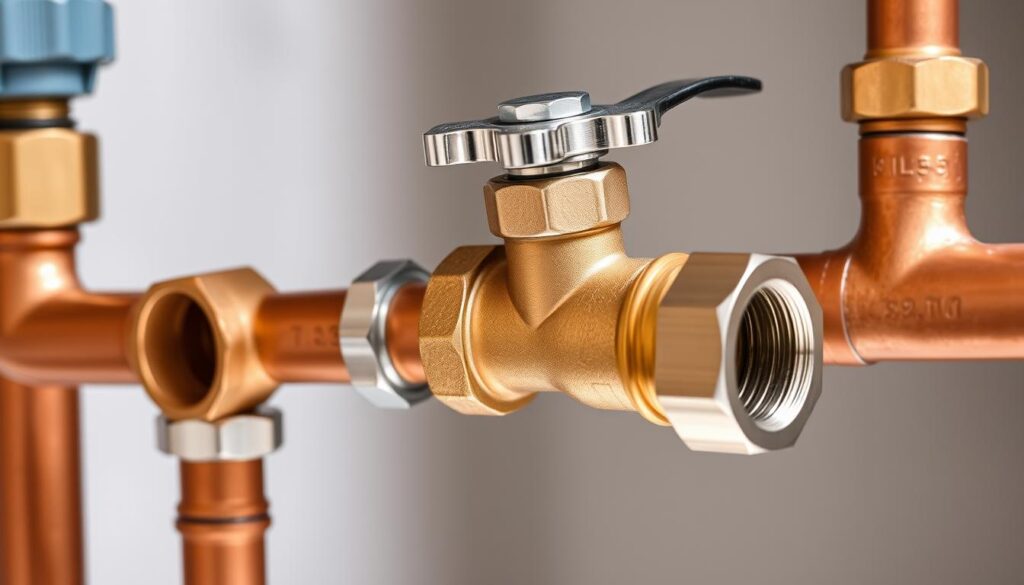
An angle stop valve is a special shut-off valve found under sinks and other fixtures. It lets you control water flow precisely. Its design, with an outlet at a 90-degree angle from the main line, makes controlling water easy for homeowners.
Knowing about angle stops in plumbing can prevent water damage and give you more control over your home’s water system. These small valves are vital for upkeep, repairs, and emergency water shutdowns.
Key Takeaways
- Angle stops provide localized water flow control
- Located near fixtures like sinks, toilets, and appliances
- Enable individual fixture water shutoff without main line interruption
- Critical for plumbing repairs and emergency situations
- Available in various materials and connection types
Table of Contents
Understanding The Basics Of Angle Stop Valves
Angle stop valves are key parts of your home’s plumbing. They control water flow to certain fixtures. These small but mighty valves help manage your water supply with precision.
Components of an Angle Stop
Knowing what makes up an angle stop valve is important. The main parts are:
- Valve body (usually made of brass)
- Handle or knob for controlling water flow
- Compression fitting or threaded connection
- Internal mechanism for regulating water
Purpose and Function
The angle stop valve’s job is simple yet vital. It lets you turn off water to specific fixtures without affecting the whole house. This makes maintenance and emergency water control easier.
“A well-maintained angle stop valve can prevent water damage and allow for quick shut-off during repairs.” – Plumbing Professionals Association
Common Locations in Your Home
Angle stops are placed in key spots around your home. You’ll find them:
- Under kitchen sinks
- Behind toilet tanks
- Near washing machine connections
- By water heaters
| Location | Fixture Type | Valve Accessibility |
|---|---|---|
| Kitchen | Sink | Easy access |
| Bathroom | Toilet | Behind tank |
| Laundry Room | Washing Machine | Side connection |
Knowing where your home’s angle stop valves are can save you time and prevent water emergencies.
What Is An Angle Stop In Plumbing
An angle stop in plumbing is a key valve that controls water flow to certain fixtures in your home. It’s called an angle stop because of its 90-degree design. This design lets it connect water supply lines at a right angle.
When you think about what is an angle stop in plumbing, imagine it as a vital point for water supply. It’s used for sinks, toilets, and other fixtures in your home.
The quarter turn angle stop is a modern way to control water. These valves have a simple mechanism that opens or closes water flow with just a quarter turn. Homeowners like them because they’re easy to use and reliable.
- Connects water lines at a 90-degree angle
- Provides precise water flow control
- Available in multiple connection types
- Easy to operate with quarter-turn mechanism
Angle stops are known for their compact design and versatility. You’ll often find them hidden behind toilets, under sinks, and near appliances. Their main job is to control water supply to specific fixtures. This way, you can shut off water without affecting the whole house.
Professional plumbers suggest checking your angle stops regularly. This ensures they work well and prevents water damage.
When picking an angle stop, think about the material, connection type, and if it fits your water supply lines. Brass and chrome-plated brass are good choices because they last long and don’t corrode easily.
Angle Stop vs Straight Stop: Key Differences
Knowing the difference between angle stop and straight stop valves is key. They might look similar, but they serve different roles in your home’s plumbing. This choice affects your home’s plumbing system.
The main difference is in their design and how they’re installed. Each type has its own benefits, based on your plumbing setup.
Design Variations
Angle stop valves have a 90-degree turn. This design allows for:
- Flexible connection to wall-mounted supply lines
- Compact installation in tight spaces
- Easier access for maintenance
Installation Requirements
For copper pipe angle stop installation, consider these factors:
- Measure the exact distance between your supply line and fixture
- Ensure proper pipe alignment
- Use appropriate compression fittings
- Verify water pressure compatibility
When To Use Each Type
Choosing between an angle stop vs straight stop depends on your plumbing setup:
- Angle stops work best for wall-mounted supply lines
- Straight stops are ideal for floor-mounted connections
Professional plumbers suggest picking the valve that fits your pipe layout. This ensures the best performance and avoids leaks.
Types Of Angle Stop Valve Operations
Understanding different angle stop valve operations is key when managing your home’s water supply. Quarter turn angle stops are a modern, efficient way to control water flow in homes.
Quarter turn angle stops have big advantages over old multi-turn valves. They have a special design for quick, precise water flow control. Just a 90-degree rotation is needed.
- Rapid shut-off capabilities
- Minimal operational effort
- Reduced wear on valve mechanisms
- Enhanced reliability compared to older valve designs
The core of a quarter turn angle stop is a steel ball with a central hole. When the handle is parallel to the supply line, water flows. A single quarter turn blocks water passage.
| Valve Type | Rotation Required | Speed of Shut-Off |
|---|---|---|
| Quarter Turn Angle Stop | 90 degrees | Immediate |
| Multi-Turn Valve | Multiple rotations | Gradual |
Professional plumbers often suggest quarter turn angle stops for their reliability and ease. These valves reduce leakage risks and offer a dependable water control solution for homeowners.
Materials And Construction Quality
When you need to replace a plumbing angle stop, knowing the materials and construction quality is key. The right materials make your plumbing components last longer and work better.
Plumbing experts say the quality of materials is what makes water supply valves reliable. Today’s angle stops are made with the latest materials. They meet the needs of both homes and businesses.
Brass Construction Benefits
Brass is a favorite for angle stop valves for good reasons:
- It resists corrosion well
- It can handle high pressure
- It’s lead-free
- It conducts heat well
Modern Material Innovations
New materials in plumbing angle stop replacement have improved performance:
| Material | Key Advantages | Best Used For |
|---|---|---|
| Dezincification-Resistant Brass | Longer life in wet places | High-moisture environments |
| Composite Materials | Light and won’t rust | Modern homes |
| Advanced Polymer Blends | Stands up to chemicals | Special water uses |
Durability Factors
When picking water supply valves, look at these important durability points:
- How well the inside works
- The quality of seals and gaskets
- How well it’s made
- How it holds up to the environment
Pro tip: Always pick angle stops from trusted makers. They should offer good warranties and follow plumbing standards.
Installation Guidelines For Angle Stops
Installing a copper pipe angle stop needs careful preparation and the right tools. Before starting, make sure you have a pipe wrench, basin wrench, small bucket, and clean rags. It’s important to install a shut off valve under sink areas with precision and detail.
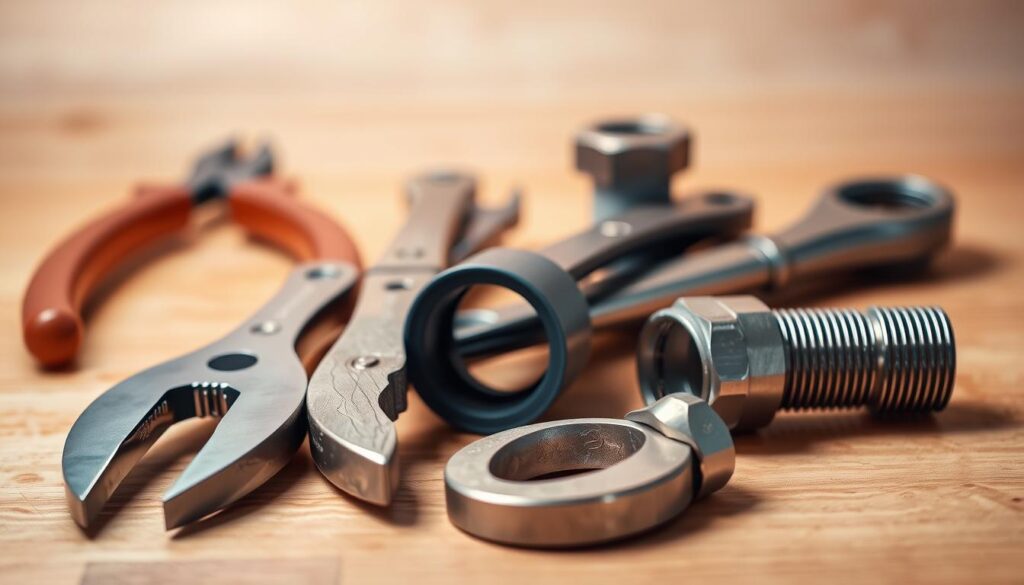
Your copper pipe angle stop installation process involves several critical steps:
- Shut off the main water supply completely
- Drain existing water pipes to prevent spillage
- Clean the pipe connection area thoroughly
- Check pipe measurements for accurate fitting
When working with a shut off valve under sink connections, a tight, leak-free seal is key. Professional plumbers recommend using Teflon tape on threaded connections to prevent water leakage.
“Proper installation is key to preventing future plumbing issues.” – Master Plumber Robert Garcia
For copper pipe connections, you might need additional tools like a propane torch and soldering flux if creating a soldered joint. Always wear protective eyewear and work in a well-ventilated area during installation.
- Use appropriate sized wrenches
- Apply gentle, consistent pressure
- Check for alignment before tightening
- Test the connection after installation
By following these installation guidelines, you can successfully install your angle stop. This ensures a reliable water shut-off mechanism in your home’s plumbing system.
Common Connection Types And Compatibility
When you’re installing angle stops, knowing about different water supply valve types is key. Each connection type has its own benefits for installing angle stops on copper pipes. This ensures your water supply system is both secure and reliable.
The right connection method depends on your plumbing needs and the type of pipe. Let’s look at the most common types:
Compression Fittings
Compression fittings are strong and versatile for connecting angle stops to various pipes. They make a tight seal by squeezing a ring between the valve and pipe.
- Ideal for copper, brass, and plastic pipes
- No special tools needed for installation
- Great for DIY plumbing projects
Push-to-Connect Options
Push-to-connect (PTC) connections have made installing water valves easier. They let you connect pipes quickly without soldering or special tools.
- Fast installation method
- Works with copper, PEX, and CPVC pipes
- Creates a secure, leak-free connection
Threaded Connections
Threaded connections are a traditional choice for copper pipe angle stop installation. They use tapered threads to make a tight seal when assembled correctly.
- Good for metal pipes
- Needs thread sealant or tape
- Offers a strong connection for high-pressure systems
“Choosing the right connection type is essential for a reliable and long-lasting plumbing installation.” – Professional Plumbing Association
Always check local plumbing codes and think about your project needs when picking a connection method for your angle stops.
Maintenance And Troubleshooting Tips
Keeping your plumbing angle stop in good shape is key to avoiding leaks and keeping it working well. Regular care can help you avoid expensive repairs and prevent leaks in your toilet angle stop.
Experts suggest a simple routine to keep your angle stops in great shape:
- Exercise the valve handle by moving it between open and closed positions
- Check for signs of mineral buildup or corrosion
- Inspect connections for possible water leakage
- Listen for unusual sounds when operating the valve
“Prevention is always cheaper than repair when it comes to plumbing components.”
When you notice problems, look out for these signs that might mean you need a new angle stop:
- Visible rust or corrosion around the valve
- Water seepage or persistent dripping
- Difficulty turning the valve handle
- Age of the valve (typically over 10 years)
For toilet angle stop leaks, a quick check can save you from big water damage. Spotting small problems early can stop costly repairs and damage to your home.
| Maintenance Task | Frequency | Purpose |
|---|---|---|
| Valve handle operation | Annually | Prevent mineral buildup |
| Visual inspection | Every 6 months | Detect early wear signs |
| Connection check | Annually | Ensure watertight seals |
Remember, proactive maintenance is key to extending the life of your plumbing angle stops and preventing unexpected leaks.
Signs It’s Time To Replace Your Angle Stop
Replacing your angle stop is key to keeping your home’s water system running smoothly. Spotting early signs can stop water damage and save you money.
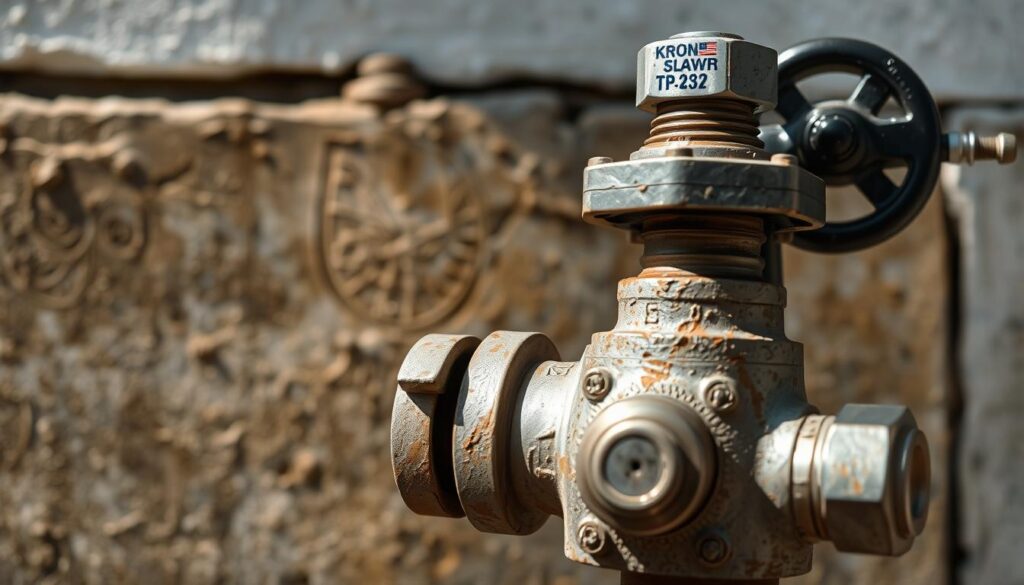
Angle stops control water flow in your home’s plumbing. Knowing when to replace them can prevent leaks and other water problems.
Common Wear Patterns
Angle stops wear out over time. Look for these signs:
- Visible corrosion around valve connections
- Mineral buildup on the valve surface
- Stiff or difficult-to-turn handles
- Discoloration or rust spots
Leak Indicators for Toilet Angle Stop
A leak in your toilet angle stop can be sneaky but harmful. Watch for these signs:
- Water pooling around the valve base
- Persistent dampness near toilet connections
- Unexplained moisture on bathroom floors
- Musty odors around toilet base
Age-Related Issues
Age affects how well angle stops work. If your valves are:
| Age Range | Replacement Recommendation |
|---|---|
| 5-10 years | Inspect annually |
| 10-15 years | Consider proactive replacement |
| 15+ years | Immediate replacement recommended |
Pro tip: Regular checks and upkeep can make your angle stops last longer and avoid plumbing surprises.
Safety Considerations And Best Practices
It’s important for homeowners to know about water supply valve safety. Learning how to use a shut off valve under the sink can stop water damage. It also keeps your property safe from sudden emergencies.
Here are key safety tips for plumbing work:
- Find your home’s main water shut-off valve before starting any plumbing job
- Wear gloves and safety glasses when working with water supply valves
- Make sure to turn off the water supply fully before disconnecting any pipes
- Look for leaks after installing or replacing valves
Each water supply valve type needs its own handling method. Brass angle stops are often more durable and simpler to use than older models. When working under sinks, make sure you have good lighting and enough space. This helps avoid accidents.
| Safety Consideration | Recommended Action |
|---|---|
| Emergency Water Shut-Off | Know where the main valve is and how to turn off the water quickly |
| Valve Inspection | Check for corrosion, leaks, or wear signs every year |
| Professional Maintenance | Book regular plumbing inspections with professionals |
Keeping your shut off valve under the sink in good shape can make it last longer. It also helps avoid unexpected water problems. Stay ahead and know about your home’s plumbing system.
Choosing The Right Angle Stop For Your Plumbing Needs
Finding the right angle stop valve for your home can be tough. Knowing what to look for helps you choose wisely. This ensures good water flow and reliability for years.
Size Selection Guide
It’s important to pick the right size for your water valve. Your angle stop valve needs to fit:
- Pipe diameter
- Water pressure needs
- How it connects to fixtures
Material Compatibility
The material of your angle stop valve is key. Different materials have their own strengths:
| Material | Durability | Cost | Best Use |
|---|---|---|---|
| Brass | High | Moderate | Residential plumbing |
| Chrome-plated | Medium | Low | Decorative applications |
| Stainless Steel | Very High | High | Commercial settings |
Budget Considerations
Your budget affects your choice of angle stop valve. While cheaper options are available, spending more on quality can save you money in the long run. Think about the cost of maintenance over time.
Pro tip: Always prioritize quality and compatibility over immediate cost savings.
By looking at size, material, and budget, you can find the perfect angle stop valve for your plumbing needs.
Conclusion
Knowing about angle stops in plumbing helps homeowners manage their water systems well. These small valves are key in controlling water flow and avoiding damage. By learning about them, you can handle plumbing emergencies and do basic maintenance.
Angle stops do more than just shut off water. Choosing the right ones, installing them correctly, and keeping them in good shape saves time and money. Whether it’s a small fix or getting ready for a water issue, knowing about angle stops helps you feel confident in your plumbing skills.
Being a smart homeowner means always learning about your home’s systems. Angle stops might seem small, but they’re vital in keeping your home safe from water damage. By using what you’ve learned, you’ll make better choices about your plumbing and keep your water system working well.
Don’t forget to check and replace angle stops regularly to stop leaks and water problems. Being proactive about these important plumbing parts helps your home’s water system last longer and work better.