
Affiliate Disclosure
Plumber Guide Guys is a participant in the Amazon Services LLC Associates Program, an affiliate advertising program designed to provide a means for sites to earn advertising fees by advertising and linking to Amazon.
How Many Plumbing Vents Should a House Have? Did you know that nearly 75% of home plumbing problems come from bad ventilation? Knowing how many plumbing vents a house needs is key to a good drainage system. It helps avoid big problems at home.
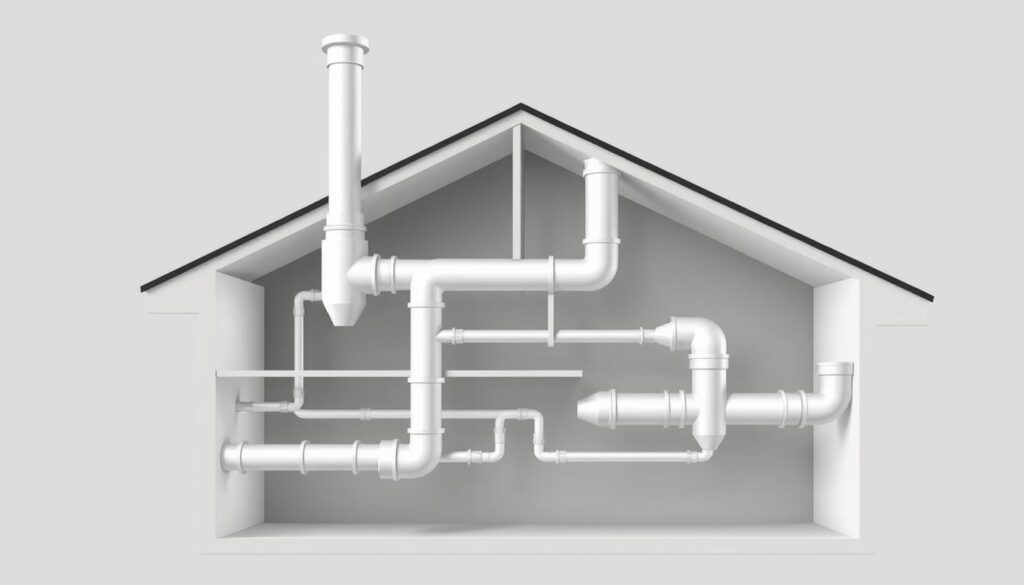
Proper plumbing ventilation is more than a rule—it’s vital for your home’s health. Plumbing vents help manage water flow, keep sewer gases out, and ensure pipes work well.
Many homeowners ignore these pipes going up through their roof. But they’re essential for your plumbing system’s success. Without enough vents, you might get slow drains, gurgling sounds, and bad smells. These can make your home uncomfortable and unhealthy.
Key Takeaways
- Plumbing vents are critical for maintaining drainage efficiency
- Inadequate venting can lead to significant plumbing problems
- Every home requires a specific number of vents based on layout
- Roof penetrations are the primary method of plumbing ventilation
- Professional assessment helps determine proper vent requirements
Table of Contents
Understanding Plumbing Vents and Their Purpose
Plumbing vents are key parts of your home’s plumbing system. They help keep your plumbing working well and prevent problems. They ensure water and waste flow smoothly.
What is a Plumbing Vent?
A plumbing vent is a pipe that goes from your plumbing fixtures up through your roof. It helps control air pressure in your plumbing system. It lets sewer gases out and keeps water flowing right.
Role in Your Home’s Plumbing System
Plumbing vents are very important for your plumbing. They do several important things:
- They stop negative air pressure that can block drainage
- They safely release sewer gases outside
- They keep pressure in drain lines equal
- They help water flow well through pipes
Basic Components of Vent Systems
To understand plumbing vents, you need to know the main parts. These include:
- Vent Stack: The main vertical pipe that connects many drainage lines
- Branch Vents: Smaller pipes that connect fixtures to the main vent stack
- Vent Terminals: Openings on the roof where gases are released
It’s important to install and maintain these parts right. This keeps your plumbing system working well and safely.
The Importance of Proper Plumbing Ventilation
Having the right plumbing ventilation in your home is key. It keeps your plumbing system working well and safely. Without it, your plumbing can face big problems.
When you install plumbing stack vents correctly, you avoid many issues:
- Eliminates dangerous sewer gas buildup
- Maintains optimal air pressure in drainage pipes
- Prevents water trap siphoning
- Reduces health risks
Plumbing vents help keep air pressure balanced. Without proper ventilation, a vacuum effect can occur in your pipes. This can make water drain slowly or stop altogether. Such problems can cause big issues with your plumbing.
| Ventilation Issue | Potential Consequences |
|---|---|
| Blocked Vent Pipes | Slow drainage, gurgling sounds |
| Inadequate Venting | Sewer odors, possible gas leaks |
| Improper Installation | Less efficient plumbing system |
Getting professional help for plumbing stack vent installation is smart. It makes sure your plumbing works well, safely, and efficiently. By using proper ventilation, you keep your home and family safe from health risks.
Types of Plumbing Vents for Residential Buildings
Plumbing ventilation is key for your home’s plumbing system. Different vents have unique roles in keeping drainage right and avoiding problems. Knowing about these vents helps your plumbing work well.
Main Vent Stack
The main vent stack is the main vertical pipe. It goes from the lowest part of your home to the roof. It lets sewer gases out and keeps air flowing for drainage.
- Connects multiple branch vents
- Runs vertically through the building
- Terminates above the roof line
Branch Vents
Branch vents are pipes that link fixtures to the main vent stack. They help keep air pressure right in your plumbing system.
| Fixture Type | Branch Vent Requirement |
|---|---|
| Toilets | Dedicated branch vent recommended |
| Sinks | Can often share branch vents |
| Showers | Typically requires individual branch vent |
Wet Vents
Wet vents handle both drainage and ventilation. They’re great when space is tight.
Air Admittance Valves for Homes
Air admittance valves are a different way to vent your plumbing. They let air in but keep sewer gases out. They’re good when roof vents are hard to use.
- Reduce roof penetrations
- Easier to install in tight spaces
- Must comply with local building codes
Each vent type has its own use and rules. Talking to a pro plumber can help pick the best system for your home.
How Many Plumbing Vents Should a House Have
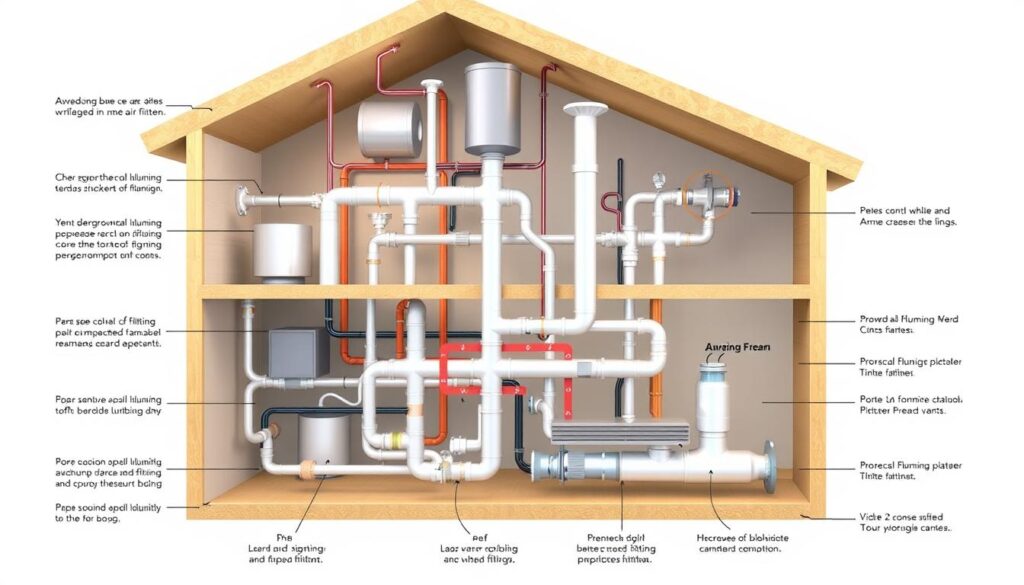
Finding out how many plumbing vents a house needs isn’t simple. It depends on several important factors. These factors affect your home’s plumbing system’s efficiency and how well it works.
Most single-family homes need at least one main vent stack. This main vent connects to your home’s main sewer line. It helps keep air pressure in the plumbing system balanced. The exact number of vents needed can vary based on your home’s unique features.
- Smaller homes might need only 1-2 vent pipes
- Larger homes with multiple bathrooms could require 3-5 vent pipes
- Complex plumbing layouts may need additional vents
When figuring out how many plumbing vents a house needs, consider a few things:
| Factor | Impact on Vent Requirements |
|---|---|
| Home Square Footage | Larger homes need more extensive venting |
| Number of Bathrooms | Each bathroom typically requires separate venting |
| Plumbing Fixture Count | More fixtures demand more extensive venting |
Always check local building codes and talk to a professional plumber. They can give you the right number of vent pipes for your home. They’ll consider your plumbing system and home layout.
Professional tip: Proper venting prevents drainage issues and maintains optimal plumbing performance.
Factors That Determine Vent Requirements
Knowing what affects plumbing vent needs is key for a good drainage and ventilation system. Your home’s plumbing is more than just installing pipes. It involves many important factors.
To design a good dwv system venting, you need to look at several things:
- Home structural characteristics
- Total number of plumbing fixtures
- Specific building code for plumbing vents
- Overall drainage system configuration
Home Size and Layout Considerations
The size of your home affects vent needs. Bigger homes need more vents for good drainage and to avoid pressure problems. Homes with complex layouts might need more vents in specific places.
Fixture Count and Complexity
The number and type of plumbing fixtures are key to figuring out vent needs. Each sink, shower, toilet, and appliance needs the right ventilation for good drainage.
| Fixture Type | Typical Vent Requirements |
|---|---|
| Kitchen Sink | 1½ inch vent |
| Bathroom Sink | 1¼ inch vent |
| Toilet | 2 inch vent |
| Shower | 1½ inch vent |
Local Building Code Compliance
Local rules set specific rules for plumbing vent setups. These codes ensure safety, prevent health risks, and keep installations consistent.
Proper venting is not just a recommendation—it’s a critical component of a functional plumbing system.
Professional plumbers know these detailed needs. They can give expert advice that fits your home’s unique situation.
Common Issues with Inadequate Venting
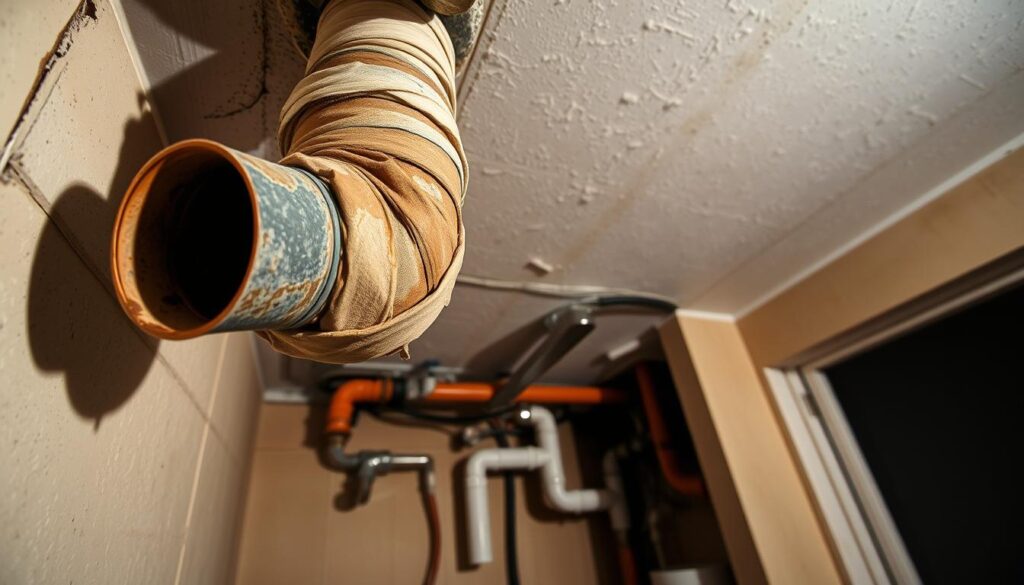
Having the right plumbing ventilation in homes is key for a healthy plumbing system. If house plumbing vent requirements are not met, several problems can arise. These issues signal deeper problems in your home’s infrastructure.
Inadequate venting leads to many challenging problems that homeowners should not ignore:
- Slow Drainage: Blocked or insufficient vents can cause water to drain slowly from sinks, showers, and toilets
- Unusual Sounds: Gurgling noises from drains indicate possible ventilation blockages
- Sewer Gas Odors: Unpleasant smells around plumbing fixtures suggest improper venting
These symptoms are more than just annoyances. They can be harmful to your health. Methane and other toxic gases can build up when vents are not working right. This can lead to respiratory problems and unsafe living conditions.
“A well-ventilated plumbing system is the silent guardian of your home’s health and comfort.” – Professional Plumbing Association
Ignoring inadequate venting can lead to bigger problems. Pressure imbalances in your plumbing system might damage pipes, cause water backup, and lead to expensive repairs. Regular checks and keeping your plumbing well-ventilated can avoid these costly issues.
Proper Sizing and Installation Guidelines
Creating a good plumbing vent system needs careful planning. Knowing how to size and install vents is key. It helps avoid problems and keeps your plumbing working well.
Vent Pipe Sizing Rules
The size of your vent pipe is linked to the fixtures it serves. Plumbers use rules to pick the right vent size for each drain:
- Vent size depends on the downstream drain size
- A 4-inch drain requires a 2-inch vent
- A 3-inch drain needs a 1½-inch vent
Installation Best Practices
Here are some tips for installing plumbing vents:
- Make sure the slope is right for drainage
- Use the right connection methods
- Choose high-quality materials
- Keep the pipe diameter consistent
Code Compliance Requirements
Building codes set rules for plumbing vents to ensure they work well and safely. These codes cover things like:
| Compliance Area | Key Considerations |
|---|---|
| Vent Pipe Materials | PVC, Cast Iron, Copper |
| Minimum Vent Size | 1¼ inches for most fixtures |
| Maximum Vent Length | Depends on fixture type and local codes |
Pro tip: Always consult a licensed plumber to ensure your vent system meets all local building codes and safety standards.
Maintenance and Troubleshooting of Plumbing Vents
Keeping your home’s plumbing vent system in good shape is key. Regular care helps avoid costly fixes and health risks. It’s all about keeping your plumbing stack vent installation in top condition.
Some common problems can affect your drainage system. These include:
- Blockages in vent pipes
- Damage from extreme weather
- Improper installation of air admittance valves for homes
- Accumulated debris and foreign objects
To keep your plumbing vent system running well, follow these steps:
- Inspect vent pipes annually for visible damage
- Check for signs of blockage or restricted airflow
- Ensure proper sealing around roof penetrations
- Clear any debris near vent openings
When you notice trouble, pay close attention. Look out for these warning signs:
| Warning Sign | Potential Issue |
|---|---|
| Gurgling sounds | Partial blockage in vent system |
| Slow drainage | Restricted air flow |
| Sewer odors | Compromised vent functionality |
Professional inspection is vital when you face ongoing problems or are unsure about plumbing vent issues. Homeowners can handle some upkeep, but complex repairs need certified pros.
Remember: Regular maintenance prevents expensive emergency repairs and ensures your home’s plumbing system operates smoothly.
Conclusion
Knowing how many plumbing vents your house needs is key to a healthy plumbing system. Your home’s ventilation system helps prevent drainage problems, gets rid of bad smells, and keeps your family safe. Proper plumbing ventilation in homes depends on your home’s layout, how many fixtures it has, and local building rules.
The number of vent pipes your home needs depends on its size and design. Single-story homes usually need fewer vents, while bigger homes need more complex systems. A professional plumber can figure out the best setup for your home, making sure it works well and follows local codes.
Keeping your plumbing vent system in good shape is worth the effort. Regular checks can stop issues like water backups, sewer gas leaks, and poor drainage. By taking care of your home’s plumbing, you protect your property and keep your living space safe and comfortable.
Every home is different, so there’s no single solution for plumbing vents. Talking to a licensed plumber will help you understand what your home really needs. This can save you from expensive repairs later on.