

Affiliate Disclosure
Plumber Guide Guys is a participant in the Amazon Services LLC Associates Program, an affiliate advertising program designed to provide a means for sites to earn advertising fees by advertising and linking to Amazon.
Do I Need a Plumber for Water Hammer? Ever heard a loud banging when you turn off a faucet or appliance? This might be water hammer, a plumbing problem that could harm your home’s pipes. Knowing if you need a plumber for water hammer repair can save you from expensive fixes later.
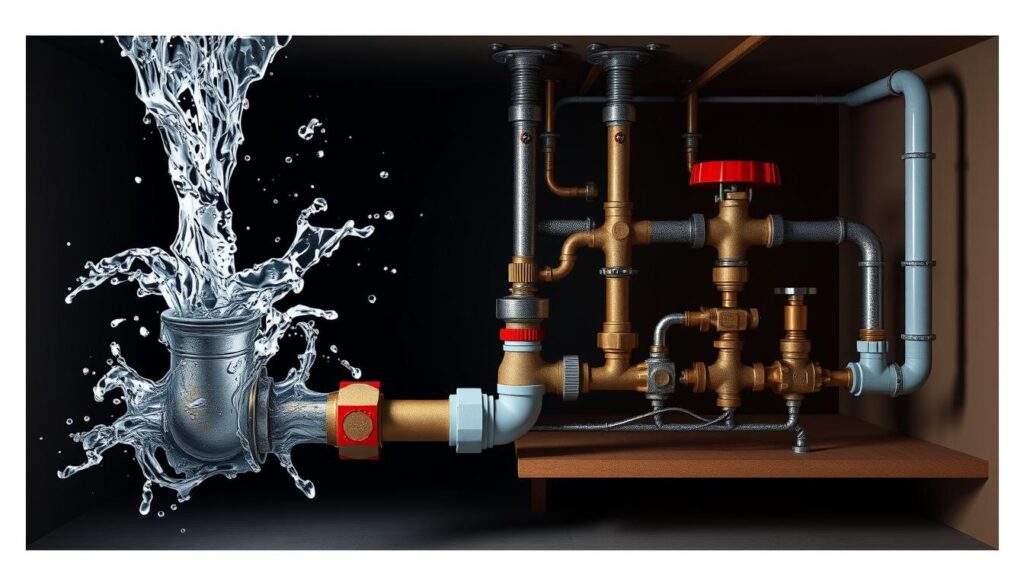
Water hammer happens when water stops or changes direction in your pipes, making loud knocking sounds. Some might try to fix it themselves to save money. But, getting a professional plumber might be key to avoiding bigger problems.
Knowing the signs and risks of water hammer helps you decide if you need a plumber. It’s a big choice that could save your plumbing system.
Key Takeaways
- Water hammer can cause significant damage to residential plumbing systems
- Professional assessment might be necessary for complex water hammer issues
- Identifying early warning signs can prevent expensive repairs
- Water hammer is more than just a noisy inconvenience
- Regular maintenance can help mitigate water hammer problems
Table of Contents
Understanding Water Hammer in Your Plumbing System
Water hammer is a problem in home plumbing that can damage your pipes. It happens when water stops or changes direction suddenly. This creates loud banging sounds and stress on your pipes.
Pressure Waves in Pipe Systems
Several factors can cause water hammer in pipes. These include sudden changes in water flow and high pressure. Trapped air pockets also play a role.
- Rapid valve closure
- Sudden water flow changes
- High water pressure
- Trapped air pockets
Identifying Water Hammer Symptoms
Spotting water hammer early can save your plumbing system. Knowing the signs is key:
- Loud banging or thudding noises when turning faucets on/off
- Vibrating pipes after water flow stops
- Visible pipe movement
- Intermittent pressure fluctuations
Potential Plumbing System Impact
Ignoring water hammer can cause serious damage. The shock waves can weaken pipe connections and joints. This can lead to leaks or pipe ruptures, costing you a lot.
| Impact Area | Potential Damage |
|---|---|
| Pipe Joints | Loosening and possible failure |
| Pipe Material | Increased stress and possible cracking |
| Valve Mechanisms | Premature wear and reduced function |
Do I Need a Plumber for Water Hammer?
Figuring out if you need a plumber for water hammer depends on a few things. Some problems can be fixed by yourself, but others need a pro. Knowing when to call a plumber is key to keeping your plumbing safe.
You might need a plumber in these cases:
- Persistent loud banging sounds in pipes
- Frequent water pressure changes
- Visible pipe damage or leaks
- Complex plumbing systems with many connections
When deciding if you need a plumber, think about your home’s age and plumbing setup. Older homes with old pipes usually need a pro’s look. A professional can find problems you might not.
Pro tip: If simple fixes don’t work, it’s time to call a licensed plumber. Water hammer ignored can damage pipes and cost a lot to fix.
Safety first: Complex water hammer problems need special skills and tools that DIY can’t handle.
Professional plumbers can tell if you need help by checking your system. They find the real cause and fix it for good, keeping your plumbing safe.
Common Causes of Water Hammer in Residential Plumbing
Water hammer can harm your home’s pipes. Knowing why it happens helps avoid damage and keep your plumbing working well.
Many things can cause water hammer at home. Knowing these can help you stop it before it starts.
Fast-Acting Valve Dynamics
Modern appliances have fast valves that can cause water hammer. Things like washing machines and dishwashers have solenoid valves that shut off water fast. This makes sudden pressure waves.
- Rapid valve closure creates instant water momentum stoppage
- Pressure waves bounce back through pipe networks
- Electronic appliances are primary culprits
Pipe Structural Challenges
Loose or unsecured pipes raise water hammer risks. If pipes aren’t fixed right, they shake and move with sudden water changes. This makes pressure shock worse.
- Inadequate pipe mounting
- Pipe material flexibility
- Aging infrastructure
Air Entrapment Complications
Air pockets in your plumbing can make water hammer worse. These air bubbles compress and expand, adding to pressure changes that stress pipe connections.
Proper pipe design and maintenance can minimize water hammer risks.
Potential Dangers of Ignoring Water Hammer
Ignoring water hammer can lead to big problems. It’s important to know the risks to your home and wallet.
Water hammer makes intense pressure waves. These can damage your pipes and plumbing system. If you’re wondering when to call a plumber, consider these risks:
- Pipe Structural Damage: Repeated pressure can weaken pipe joints and connections
- Potential Pipe Ruptures: Continuous stress may cause pipes to crack or burst
- Increased Repair Costs: Neglecting early signs can lead to expensive replacements
- Property Water Damage: Leaks from damaged pipes can destroy walls, floors, and belongings
Do I need a plumber for water hammer? It depends on the issue’s severity. Minor cases might be fixable with DIY methods, but persistent or loud water hammer signals a need for professional intervention. Plumbers can find the cause and prevent damage.
Preventing water hammer is cheaper than fixing it later. Fixing it early can save you thousands in repairs and damage.
DIY Solutions for Minor Water Hammer Issues
Fixing water hammer doesn’t always need a plumber. With some basic knowledge and simple tools, you can solve minor problems. These DIY solutions save time and money.
Water hammer can be annoying, but many homeowners can fix minor issues themselves. To do this, you need to understand your home’s plumbing. Then, you can use targeted maintenance techniques.
Securing Loose Pipes
Loose pipes often cause water hammer. To stop shock waves in your plumbing:
- Check exposed pipes in basement and crawl spaces
- Use pipe straps or hangers to secure pipes firmly
- Add foam pipe insulation to reduce vibration
- Make sure pipes don’t move much when water flows
Checking Water Pressure
High water pressure can cause water hammer. Use a pressure gauge to check your home’s water pressure:
- Attach the gauge to an outdoor faucet
- See if pressure is over 60 PSI
- Install a pressure-reducing valve if needed
Basic Maintenance Tips
Regular maintenance can stop water hammer and protect your plumbing. Quick preventive actions include:
- Drain your water heater annually
- Regularly check pipe connections
- Listen for unusual sounds in your pipes
- Replace worn-out washers in fixtures
While these DIY solutions work for minor issues, serious problems might need a professional.
Professional Water Hammer Solutions
When water hammer is a big problem, professional plumbers offer more than just quick fixes. They use special tools to find where the pressure waves are coming from in your plumbing.
They check your home’s plumbing system carefully. They look at:
- Pipe condition and alignment
- Water pressure levels
- Valve functionality
- Potential structural stress points
The cost to fix water hammer can change based on the problem. Usually, pros might do:
- Installing water hammer arrestors
- Replacing faulty valves
- Securing and realigning pipe systems
- Implementing pressure-reducing mechanisms
Getting help from professionals means a lasting fix. They offer guarantees on their work. This gives you confidence and keeps your plumbing safe from future problems.
Investing in professional plumbing services can save you significant expenses in future repairs and water damage.
Water Hammer Arrestors: Installation and Benefits
Water hammer arrestors are key to stopping water hammer in your home’s plumbing. They protect your pipes from the harmful pressure waves that can cause damage.
Unlike air chambers, water hammer arrestors use special mechanisms. They absorb sudden water pressure changes, which helps prevent pipe damage.
Types of Water Hammer Arrestors
There are many types of water hammer arrestors to choose from:
- Mechanical Arrestors: Compact devices with internal springs
- Inline Arrestors: Designed for straight pipe configurations
- Shock Arrestors: Advanced models for complex plumbing systems
Installation Requirements
Installing water hammer arrestors requires careful placement near quick-closing valves. Plumbers suggest the following locations for best results:
- Near washing machine connections
- Close to dishwasher inlet valves
- Around water heater supply lines
While you can try to install them yourself, hiring a professional is usually better. They ensure your arrestors work right and avoid system problems.
Pro tip: Regular maintenance checks can extend the lifespan of your water hammer arrestors and protect your home’s plumbing infrastructure.
Cost Comparison: DIY vs Professional Repair
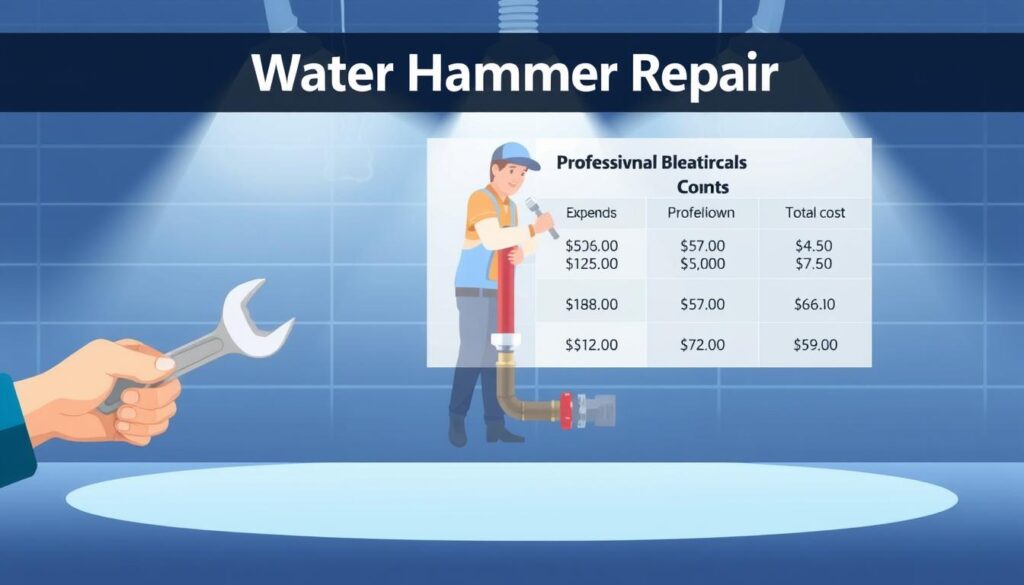
Knowing the cost of fixing water hammer can help you decide if you should do it yourself or call a plumber. The price can change a lot based on your plumbing setup and how bad the water hammer is.
When thinking about fixing water hammer, it’s key to look at both DIY and hiring a plumber. Here are the possible costs:
| Repair Option | Estimated Cost | Complexity |
|---|---|---|
| DIY Water Hammer Fix | $20 – $100 | Low to Moderate |
| Professional Plumber Service | $100 – $500 | Moderate to High |
DIY repair costs usually include:
- Water hammer arrestors ($20-$50)
- Basic plumbing tools
- Pipe securing materials
Professional repair costs depend on a few things:
- How much damage the pipes have
- Local labor rates
- How complex your plumbing is
Pro tip: If you’re not sure about your plumbing skills, getting a professional to fix water hammer can save you money. It can also prevent bigger problems later.
Always get quotes from licensed plumbers to make sure you’re paying a fair price for water hammer repair.
Preventive Measures to Avoid Water Hammer
Keeping your home’s plumbing safe from water hammer needs smart steps and regular care. It’s not just about fixing issues but also preventing them.
Smart diy water hammer solutions can save you money and protect your pipes. Here are important steps for homeowners:
- Install air-relief valves at high points in your pipework system
- Regularly check water pressure using a professional gauge
- Secure pipe supports and eliminate unnecessary pipe movement
- Replace worn-out valves that close too quickly
Developing a Maintenance Schedule
Having a regular maintenance plan is key to avoiding water hammer. Your plan should include:
- Quarterly pipe inspections
- Annual pressure system checks
- Immediate replacement of damaged pipe supports
- Professional plumbing assessment every two years
Managing System Pressure
Water pressure is vital in stopping water hammer. Ideal residential water pressure ranges between 40-60 PSI. Pressures over 80 PSI can lead to water hammer and pipe damage.
By using these diy water hammer solutions, you can safeguard your plumbing and dodge expensive fixes later.
When Emergency Plumbing Service is Necessary
Water hammer can quickly turn from a small problem to a big emergency. It’s important to know when to call a plumber for water hammer. This helps protect your home’s pipes and avoids expensive damage.
There are warning signs that mean you need a plumber right away:
- Loud, persistent banging sounds in pipes
- Visible pipe damage or leaks
- Sudden drops in water pressure
- Unexplained water stains on walls or ceilings
If you keep getting water hammer problems, it’s time to call a pro. Plumbers can find and fix problems that you can’t. They deal with serious issues like pipe damage, big pressure changes, or tricky valve problems.
Here are situations that need a plumber fast:
- Pipes showing signs of structural weakness
- Water hammer causing significant pipe movement
- Consistent loud hammering sounds
- Potential risk of pipe rupture
Waiting too long to get a plumber can cause big and costly repairs. A skilled plumber can quickly find and fix problems. This saves you from expensive damage to your home’s plumbing.
Conclusion
Water hammer can be a big problem for homeowners. Knowing when to fix it yourself or call a plumber is key. DIY fixes work for small issues, but some problems need a pro.
Before deciding, think about the problem’s size. Easy fixes like tightening pipes or checking pressure might solve small issues. But, if you hear loud banging or see pipes moving a lot, you might need a plumber.
Preventing water hammer is important. Regular checks and knowing your water pressure can help. Early action can save you money on repairs. Whether you fix it yourself or call a plumber, acting fast is best.
Your goal is a quiet, stable plumbing system. Being aware and quick to act helps keep your water system working well. If you’re unsure, it’s always safe to call a professional plumber.