

Affiliate Disclosure
Plumber Guide Guys is a participant in the Amazon Services LLC Associates Program, an affiliate advertising program designed to provide a means for sites to earn advertising fees by advertising and linking to Amazon.
What is Stack in Plumbing? Ever wondered why your home doesn’t smell bad and water drains well? It’s thanks to a key part called the plumbing stack.
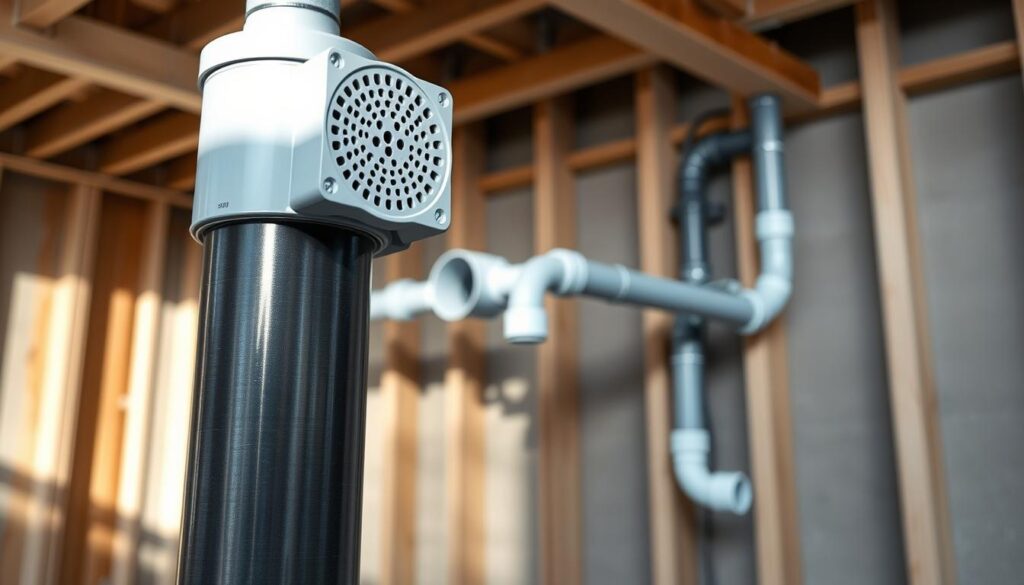
A plumbing stack, or vent stack, is a vertical pipe. It connects your main drain to the roof. It plays a big role in keeping your home’s plumbing system working right.
This pipe does more than you might think. It keeps air pressure balanced, stops harmful gases, and helps water flow smoothly. The plumbing vent stack is vital for more than just draining water.
Key Takeaways
- Plumbing stacks are vertical pipes connecting main drains to roofs
- They regulate air pressure in drainage systems
- Prevent toxic gas accumulation in home plumbing
- Essential for maintaining proper water flow
- Crucial for overall home plumbing health
Table of Contents
Understanding the Basics of Plumbing Stacks
Plumbing stacks are key parts of your home’s wastewater system. They ensure proper drainage and keep your plumbing healthy.
A stack vent system is a long pipe that goes from your home’s lowest floor to the roof. It’s vital for your plumbing system.
Core Components of Plumbing Stacks
The vertical plumbing pipe has several important parts:
- Primary vertical pipe that runs through the building
- Roof penetration point for proper ventilation
- Connection points for various drainage fixtures
- Pipe material (typically PVC or cast iron)
Role of Vertical Piping Systems
Your stack vent system does more than just remove waste. It manages air pressure, keeps sewer gases out, and ensures water flows well.
Integration with Home Plumbing Network
The plumbing stack connects all drainage points in your home. It links sinks, toilets, showers, and more into one system. This system safely removes wastewater.
Knowing these basics helps homeowners see how complex and important their plumbing is.
The Essential Functions of a Plumbing Stack System
Your home’s plumbing stack is key to the drain-waste-vent (DWV) system. It keeps your plumbing network healthy and efficient. Knowing how drain stack vs vent stack work helps you understand your home’s waste management.
The main jobs of a plumbing stack system are:
- Wastewater Removal: It moves sewage and wastewater from your home to the underground system.
- Gas Prevention: It stops harmful sewer gases from getting into your home.
- Air Circulation: It lets fresh air into the plumbing system.
- Pressure Regulation: It keeps the air pressure right for smooth water flow.
Dwv system parts work together for these important jobs. The drain stack is for waste removal, and the vent stack handles air and pressure. This design helps avoid plumbing problems and keeps your home healthy.
If your plumbing stack doesn’t work right, you might face big issues. These include slow drains, bad smells, and health risks from sewer gases. It’s important to keep your DWV system parts in good shape to avoid these problems.
Types of Plumbing Stacks and Materials
Understanding the different materials and types of plumbing stacks is key for a good home drainage system. The type of plumbing stack you choose affects your home’s waste removal system. It impacts its performance and durability over time.
Cast Iron vs PVC Stacks: A Comparative Look
Choosing the right material for your plumbing stack involves several important factors. Plumbers often pick from two main options:
- Cast Iron Stacks
- Extremely durable
- Excellent sound dampening
- Prone to rust and corrosion
- Heavier and more challenging to install
- PVC Stacks
- Lightweight and easy to install
- Rust-resistant
- More affordable
- Less durable than cast iron
Exploring Vent Types and Applications
Good ventilation is essential in plumbing stack systems. Different vents have unique roles in managing air pressure and waste flow:
| Vent Type | Primary Function | Best Used In |
|---|---|---|
| True Vent | Primary air intake | Vertical pipe systems |
| Common Vent | Shared ventilation | Multiple fixture connections |
| Auxiliary Vent | Secondary air circulation | Complex plumbing configurations |
| Loop Vent | Alternative ventilation | Challenging architectural spaces |
Modern Innovations in Stack Materials
New materials have been developed, blending the best of old and new. These modern materials offer better durability, resistance to corrosion, and easier installation.
“The right plumbing stack is not just about material, but about understanding your home’s specific drainage needs.” – Professional Plumbing Association
What is Stack in Plumbing: A Comprehensive Guide
Knowing about stack in plumbing is key for a healthy home drainage system. A plumbing stack is the vertical core of your home’s waste management. It connects many drain lines, ensuring water flows well and gas is released.
The main roles of a plumbing stack are:
- Directing wastewater from various fixtures downward
- Regulating air pressure within the plumbing system
- Preventing sewer gases from entering living spaces
- Supporting building code requirements for plumbing stacks
Building codes for plumbing stacks protect your home and health. They set rules for materials, installation, and ventilation. This ensures safe and efficient waste management.
A well-designed plumbing stack is like the circulatory system of your home’s drainage network.
Your plumbing stack works quietly behind walls, handling big water volumes and air circulation. Proper setup and care can avoid expensive fixes and health risks.
Homeowners need to know that modern plumbing stacks meet today’s waste management needs. They balance function, safety, and efficiency.
The Critical Role of Stack Venting in Your Home
Your home’s plumbing system needs good ventilation to work right. The plumbing vent stack does more than just let air in. It’s key to keeping your home healthy and running well.
The vertical plumbing pipe is vital for a balanced and safe plumbing system. These pipes work quietly to keep your home safe from health risks and plumbing problems.
Pressure Regulation and Air Flow
Stack venting helps manage air pressure in your plumbing. Without it, you might face:
- Slow drainage in sinks and toilets
- Gurgling sounds in pipes
- Unexpected water pressure changes
Preventing Toxic Gas Buildup
A plumbing vent stack’s main job is to stop sewer gases from getting into your home. These vents let harmful gases out safely. This keeps your family safe from health dangers.
Water Flow Management
The vertical plumbing pipe also helps manage water flow in your home. It keeps air balanced, so water flows smoothly. This stops backups and flooding.
Proper stack venting is not just a technical requirement—it’s a critical safety feature for your home’s plumbing system.
Common Problems with Plumbing Stacks
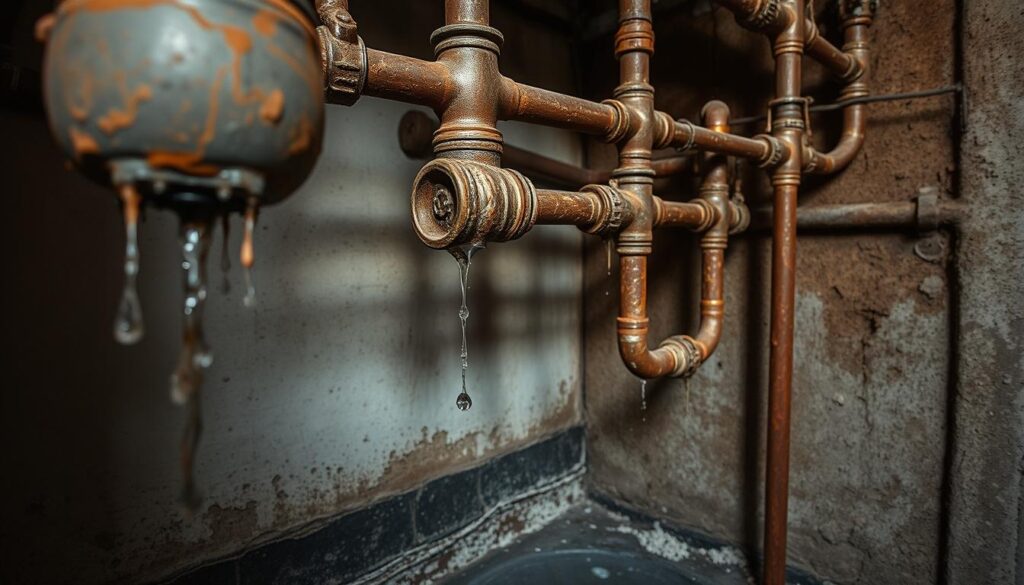
Plumbing stack problems can be a big headache for homeowners. Knowing about dwv system components helps spot issues early. This can save you from expensive fixes.
The main plumbing stack maintenance issues are:
- Broken Roof Collars: These aluminum strips with rubber boots can deteriorate from sun exposure, creating roof leaks
- Persistent pipe blockages that interrupt water flow
- Rust formation in older cast iron pipes
- Structural damage to vent pipes
Damage to roof collars is a big risk. If the rubber seal breaks, water can leak into your walls. This can lead to:
- Structural wood rot
- Mold growth
- Compromised insulation
- Potential electrical hazards
Proactive plumbing stack maintenance is always less expensive than emergency repairs.
Clogging is another big problem with dwv system components. Tree roots, debris, and mineral buildup can block pipes. Regular checks and professional cleanings can help avoid these issues.
Keeping your plumbing stack in good shape requires attention and regular checks by professionals. This ensures it works well and prevents serious damage to your home.
Signs Your Plumbing Stack Needs Attention
Your home’s plumbing stack is key to its drainage system. Spotting early signs can avoid expensive fixes and health risks. Knowing the signs of trouble with your soil stack system is important.
Spotting issues early can save you a lot of time and money. Plumbers suggest regular checks to catch problems before they get worse.
Visual Indicators of Damage
- Visible rust or corrosion on pipes
- Water stains near pipe connections
- Cracks or visible deterioration in pipe materials
- Unusual discoloration around pipe joints
Performance-Related Issues
How well your plumbing stack works can show if there are problems. Watch for these important signs:
- Slow drainage in multiple fixtures
- Gurgling sounds from toilets or drains
- Recurring clogs in different areas of your home
- Unexplained sewage odors
Emergency Warning Signs
| Warning Sign | Potential Severity | Recommended Action |
|---|---|---|
| Sewage backup | High | Immediate professional inspection |
| Water pooling around base of pipes | Medium | Schedule professional assessment |
| Persistent foul odors | Medium | Investigate pipe integrity |
Remember, quick action can prevent extensive damage to your home’s plumbing system. When in doubt, consult a professional plumber who specializes in soil stack definition and maintenance.
Professional Installation and Maintenance Requirements
Installing a plumbing stack needs special skills and careful attention to building codes. When it comes to your home’s vertical drainage, getting a pro is key. They make sure your system is safe and works right.
Plumbing pros have the skills for stack installation and upkeep. They know the details of plumbing stack installation that go beyond just pipes. They make sure your system follows local building rules and works well.
- Comprehensive system assessment
- Precise code compliance verification
- Advanced diagnostic techniques
- Specialized installation methods
When picking a pro for your plumbing stack job, look for these things:
- State-certified plumbing license
- At least five years of experience
- A history of working with complex systems
- Knowledge of the latest building codes
Regular upkeep is key to avoiding problems. Experts suggest checking your system every two to three years. This helps catch early signs of trouble, like blockages or weak spots.
“Preventative maintenance is always more cost-effective than emergency repairs” – Master Plumbers Association
Choosing professional plumbing stack installation and upkeep protects your home. It also keeps your drainage system working well for years to come.
Cost Considerations for Stack Replacement and Repairs
Replacing or maintaining a plumbing stack can cost a lot for homeowners. Knowing the costs helps you plan your budget for repairs or replacements.
The cost to replace a plumbing stack is usually between $1,500 and $4,000. Several things affect the total cost:
- Material selection (PVC vs. cast iron)
- Stack size and complexity
- Labor rates in your area
- Extent of existing damage
Different materials greatly change the cost of installing a plumbing stack. Here’s a breakdown:
| Material | Cost per Linear Foot | Durability |
|---|---|---|
| PVC | $2 – $5 | 15-25 years |
| Cast Iron | $5 – $10 | 50-75 years |
“Proactive plumbing stack maintenance can save you thousands in future repair costs.”
Regular maintenance can prevent costly repairs. Catching problems early can save you a lot of money.
Experts suggest setting aside money for stack replacements. They also recommend annual inspections to avoid unexpected costs.
Conclusion
Knowing about plumbing stacks is key to a healthy home. Your plumbing vent stack does more than just drain water. It helps manage air pressure, stops toxic gas buildup, and keeps your plumbing system working right. A well-kept stack keeps your home safe and running well.
Checking your plumbing stack often can save you a lot of money. Spotting problems early can avoid expensive fixes and damage to your home. Plumbers suggest looking at your plumbing stack system yearly to find any signs of trouble.
Homeowners should take care of their plumbing. Knowing when your stack might be damaged, understanding its parts, and getting regular checks can protect your home’s plumbing. Taking care of your plumbing stack can prevent costly repairs and keep your home healthy.
Every home’s plumbing is different. While this guide gives you a lot of information, talking to a professional plumber can give you advice that fits your home’s specific needs.
FAQ
What exactly is a plumbing stack?
Why is a plumbing stack important for my home?
What are the main components of a plumbing stack?
What’s the difference between a drain stack and a vent stack?
How often should I have my plumbing stack inspected?
What materials are typically used for plumbing stacks?
What are signs that my plumbing stack needs replacement?
Are there building code requirements for plumbing stacks?
Can I install or repair a plumbing stack myself?
How much does it cost to replace a plumbing stack?
What exactly is a plumbing stack?
Why is a plumbing stack important for my home?
What are the main components of a plumbing stack?
What’s the difference between a drain stack and a vent stack?
How often should I have my plumbing stack inspected?
What materials are typically used for plumbing stacks?
What are signs that my plumbing stack needs replacement?
Are there building code requirements for plumbing stacks?
Can I install or repair a plumbing stack myself?
How much does it cost to replace a plumbing stack?
FAQ
What exactly is a plumbing stack?
A plumbing stack is a vertical pipe system. It goes from your home’s main drain to the roof. It helps manage water flow, waste removal, and ventilation in your plumbing system.
It’s a key part of your home’s drain-waste-vent (DWV) system. It makes sure drainage is efficient and prevents plumbing problems.
Why is a plumbing stack important for my home?
Your plumbing stack is vital. It regulates air pressure and prevents toxic gas buildup. It also ensures waste is removed properly and water flows smoothly.
Without it, you might face serious drainage issues, foul odors, and health risks.
What are the main components of a plumbing stack?
The main parts of a plumbing stack are the vertical pipe, vent openings, and connections. It’s usually made of cast iron or PVC. It works with sinks, toilets, and drainage systems to manage waste and water.
What’s the difference between a drain stack and a vent stack?
A drain stack handles water and waste flow. A vent stack lets air into the system, preventing vacuum effects. In modern systems, they’re often combined into one pipe.
How often should I have my plumbing stack inspected?
Experts say check your plumbing stack every 2-3 years. Or right away if you see damage like slow drains or leaks. Regular checks can prevent expensive repairs and keep your system running well.
What materials are typically used for plumbing stacks?
Cast iron and PVC are common for plumbing stacks. Cast iron is durable and good at sound dampening. PVC is lighter, resistant to corrosion, and often cheaper. The choice depends on your needs and local codes.
What are signs that my plumbing stack needs replacement?
Look out for foul odors, slow drains, rust, water stains, frequent clogs, and gurgling sounds. Sewage backups or structural damage mean you need a pro to check it fast.
Are there building code requirements for plumbing stacks?
Yes, building codes have rules for plumbing stacks. They cover installation, materials, sizing, and ventilation. These ensure safety and efficiency. Always check with local authorities or a licensed plumber for compliance.
Can I install or repair a plumbing stack myself?
Homeowners can do some maintenance, but big jobs need a pro. Plumbing stacks need special knowledge and skills. This ensures they work right and safely.
How much does it cost to replace a plumbing stack?
Replacing a plumbing stack costs between
FAQ
What exactly is a plumbing stack?
A plumbing stack is a vertical pipe system. It goes from your home’s main drain to the roof. It helps manage water flow, waste removal, and ventilation in your plumbing system.
It’s a key part of your home’s drain-waste-vent (DWV) system. It makes sure drainage is efficient and prevents plumbing problems.
Why is a plumbing stack important for my home?
Your plumbing stack is vital. It regulates air pressure and prevents toxic gas buildup. It also ensures waste is removed properly and water flows smoothly.
Without it, you might face serious drainage issues, foul odors, and health risks.
What are the main components of a plumbing stack?
The main parts of a plumbing stack are the vertical pipe, vent openings, and connections. It’s usually made of cast iron or PVC. It works with sinks, toilets, and drainage systems to manage waste and water.
What’s the difference between a drain stack and a vent stack?
A drain stack handles water and waste flow. A vent stack lets air into the system, preventing vacuum effects. In modern systems, they’re often combined into one pipe.
How often should I have my plumbing stack inspected?
Experts say check your plumbing stack every 2-3 years. Or right away if you see damage like slow drains or leaks. Regular checks can prevent expensive repairs and keep your system running well.
What materials are typically used for plumbing stacks?
Cast iron and PVC are common for plumbing stacks. Cast iron is durable and good at sound dampening. PVC is lighter, resistant to corrosion, and often cheaper. The choice depends on your needs and local codes.
What are signs that my plumbing stack needs replacement?
Look out for foul odors, slow drains, rust, water stains, frequent clogs, and gurgling sounds. Sewage backups or structural damage mean you need a pro to check it fast.
Are there building code requirements for plumbing stacks?
Yes, building codes have rules for plumbing stacks. They cover installation, materials, sizing, and ventilation. These ensure safety and efficiency. Always check with local authorities or a licensed plumber for compliance.
Can I install or repair a plumbing stack myself?
Homeowners can do some maintenance, but big jobs need a pro. Plumbing stacks need special knowledge and skills. This ensures they work right and safely.
How much does it cost to replace a plumbing stack?
Replacing a plumbing stack costs between $1,000 and $5,000. It depends on the material, home size, and labor costs. PVC is usually cheaper than cast iron. Costs vary based on the job’s complexity and any extra repairs needed.
,000 and ,000. It depends on the material, home size, and labor costs. PVC is usually cheaper than cast iron. Costs vary based on the job’s complexity and any extra repairs needed.