
Affiliate Disclosure
Plumber Guide Guys is a participant in the Amazon Services LLC Associates Program, an affiliate advertising program designed to provide a means for sites to earn advertising fees by advertising and linking to Amazon.
What is a Plumbing Wet Vent? Ever thought about how your home’s plumbing keeps waste moving and air flowing smoothly? It’s thanks to the clever plumbing wet vent system.
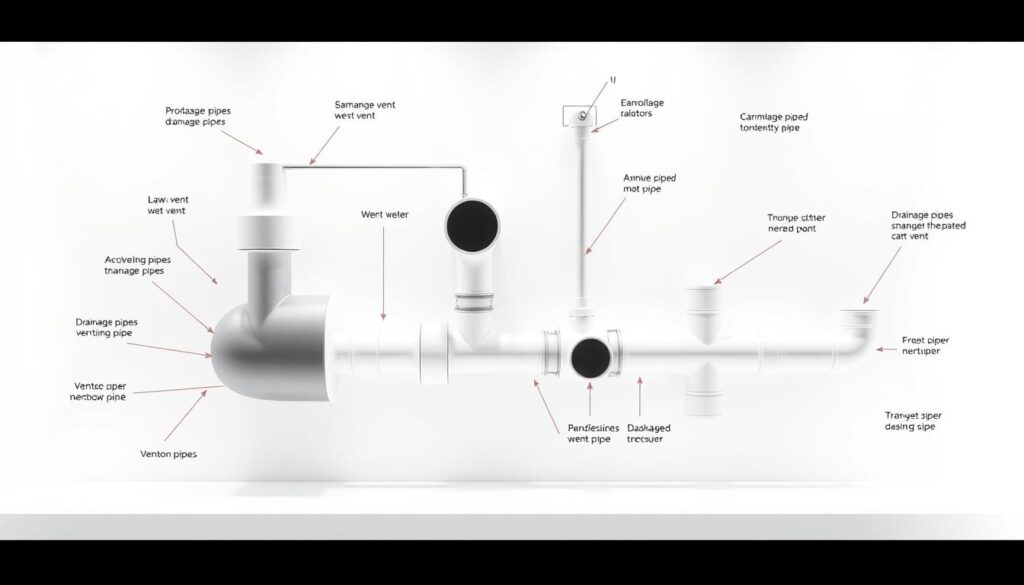
A plumbing wet vent is a special design. It lets waste pipes also act as vent pipes. This smart system has changed the game in home plumbing, making it easier to handle waste and air in small spaces.
Unlike old venting methods, a wet vent system does it all in one pipe. This means your bathroom’s plumbing works better, cutting down on drainage problems and boosting system performance.
Key Takeaways
- Wet vents serve dual purposes in plumbing systems
- Provides efficient waste and air management
- Ideal for bathrooms with limited space
- Reduces possible plumbing issues
- Follows modern building code standards
Table of Contents
Understanding the Basics of Plumbing Ventilation
Plumbing ventilation is key to keeping your home’s drainage running well. Your plumbing wet vent installation helps with air flow and water movement in pipes. Without it, your plumbing could face big problems.
The Role of Vents in Your Plumbing System
Vents do three important jobs in your plumbing:
- They let fresh air into drainage pipes
- They balance pressure in the plumbing system
- They remove bad sewer gases from your home
How Air Flow Affects Drainage
Good air flow is vital for wet venting multiple fixtures. When air flows well, water drains fast and efficiently. But, if air flow is blocked, you might see:
- Slow drainage
- Gurgling sounds
- Potential blockages
Common Ventilation Issues
Homeowners often face ventilation problems that affect their plumbing. Spotting these issues early can stop bigger problems.
| Ventilation Issue | Potential Consequences | Recommended Action |
|---|---|---|
| Blocked Vent Pipe | Drainage Slowdown | Professional Inspection |
| Improper Slope | Water Accumulation | Pipe Realignment |
| Inadequate Venting | Sewer Gas Buildup | System Redesign |
“A well-designed ventilation system is the unsung hero of your home’s plumbing infrastructure.” – Professional Plumbing Association
What is a Plumbing Wet Vent
A plumbing wet vent is a smart way to manage your bathroom’s plumbing. It’s different from old venting systems because it lets many fixtures share one vent. This makes your plumbing system more efficient and saves space.
Wet vent plumbing codes say these systems work well for groups of bathroom fixtures. These include:
- Toilets
- Sinks
- Showers
- Bathtubs
The main benefit of a wet vent is it cuts down on the number of vent pipes. It combines vent and drain functions. This simplifies your plumbing setup while keeping air flow and drainage right.
“Wet vents represent a smart solution for modern plumbing design, showing both efficiency and practicality.” – Professional Plumbing Association
To use a wet vent system, you must follow local building codes and ensure it’s the right size and installed correctly. A professional plumber can guide you through the wet vent plumbing code rules for your home. They make sure your system works well and meets safety standards.
Knowing about plumbing wet vents helps you make better choices for your home’s plumbing. It could save you space, cut down on costs, and make your plumbing system more efficient.
The Evolution of Wet Vent Systems
Plumbing technology has changed a lot over the years. Wet vent systems are a big part of this change. They started in the early 20th century and are now key in building design.
Historical Roots of Wet Venting
The idea of wet vent plumbing began in the 1920s. Plumbers back then wanted better ways to drain water. They came up with the plumbing wet vent system explained to solve old venting problems.
- 1920s: Initial concept development
- 1930s-1940s: Experimental implementations
- 1950s: Initial standardization efforts
Modern Code Implementation
Today, wet vent plumbing follows strict rules. These rules make sure the systems are safe and work well. Cities now see wet vent systems as a good choice for plumbing.
| Decade | Venting Approach | Key Developments |
|---|---|---|
| 1960s | Experimental Designs | Initial code considerations |
| 1980s | Standardized Protocols | Regional code adoptions |
| 2000s | Comprehensive Regulations | National standard implementations |
Current Industry Standards
Now, wet vent systems are a top choice for plumbing. They use new materials and designs to drain water better and save space.
Modern wet venting represents the pinnacle of drainage system innovation.
Knowing how wet vent systems evolved helps us see how plumbing has changed. It shows how technology has improved plumbing in homes and buildings.
Wet Vent vs Dry Vent: Key Differences
Knowing the difference between wet and dry vents is key for good plumbing design. A plumbing wet vent is special in your home’s drainage system. It’s more flexible than traditional dry vents.
Dry vents mainly deal with air flow. But a wet vent does both air flow and water drainage. This makes wet vents a better choice for many homes.
- Dry Vents: Primarily manage air circulation
- Wet Vents: Handle both air movement and water drainage
- Wet vents need less material and save on installation costs
Think of a plumbing wet vent as a pipe that does it all. It connects many fixtures. Unlike dry vents, wet vents remove waste water and prevent air pressure problems.
In tight spaces, wet vents shine. They offer a compact solution. This lets you design your plumbing more freely without losing efficiency.
Wet vents are a smarter, more streamlined way to handle home plumbing ventilation.
Benefits of Wet Vent Plumbing Systems
Wet venting is a smart choice for modern homes. It changes how we think about plumbing design. The plumbing wet vent system explained offers unique benefits.
Homeowners and contractors love wet vent systems. They offer practical advantages over traditional methods. These solutions bring many benefits.
Space Efficiency Advantages
Wet venting saves space in homes. It combines drainage and ventilation in one system. This reduces the number of pipes needed.
- Reduces overall pipe complexity
- Minimizes structural penetrations
- Allows for more flexible design options
Cost-Saving Features
The plumbing wet vent system saves money. It cuts down on installation and maintenance costs.
- Lower material costs
- Reduced labor requirements
- Simplified installation process
Improved Air Quality Management
Wet venting improves indoor air quality. It prevents sewer gas buildup and ensures efficient drainage.
- Minimizes odor issues
- Enhances ventilation efficiency
- Reduces pipe blockage risk
Professional plumbers recommend wet vent systems. They offer many benefits and a streamlined approach to plumbing design.
Essential Components of a Wet Vent System
Knowing the key parts of a wet vent system is vital for a good plumbing setup. Your plumbing needs careful design for right drainage and air flow.
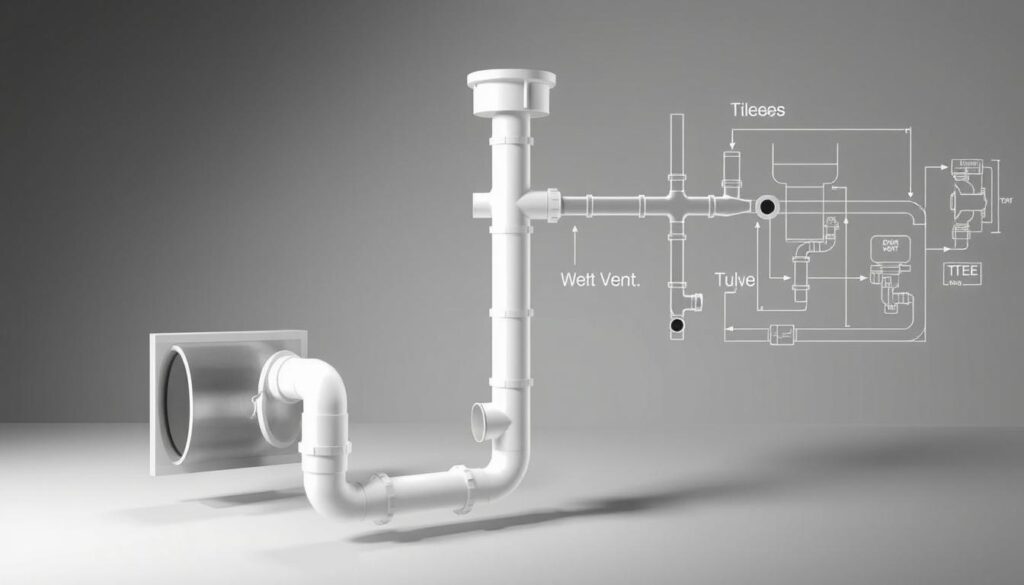
The main parts of a wet vent system are essential for its best performance:
- Pipe Sizing: Choosing the right wet vent pipe size is key
- Traps and Connections
- Vent Fittings
- Drainage Pipes
The size of the wet vent pipe is very important. Experts suggest these sizes:
| Pipe Type | Recommended Size | Application |
|---|---|---|
| Wet Vent Pipe | 3 inches or larger | Primary venting |
| Waste Line Pipe | 4 inches | Main drainage |
“Proper pipe sizing prevents plumbing problems like leaks and clogs.” – Professional Plumbing Association
When setting up your plumbing, remember these important points:
- Make sure the pipe size is right
- Check local building codes
- Verify connection strength
- Keep the slope correct
Choosing the right parts is more than just size. It’s about making a plumbing system that works well for you.
Wet Vent Code Requirements and Regulations
Understanding plumbing wet vent installation is key. It ensures your plumbing works well and safely.
Code rules for wet vent systems differ by area. Yet, some standards are the same everywhere in the U.S. It’s important for both pros and homeowners to know these rules.
Pipe Size Specifications
Choosing the right pipe size is vital. The size and length of pipes affect how well the system works. They also must follow local building codes.
- Minimum pipe diameter: typically 1.5 to 2 inches
- Maximum horizontal pipe length: depends on fixture unit load
- Slope requirements: minimum 1/4 inch per foot
Installation Guidelines
There are important steps to follow when installing a wet vent system:
- Make sure fixtures are connected right
- Keep pipe angles correct
- Use only approved materials and connections
- Check if it meets local building codes
“Precision in wet vent installation is not just about following rules, it’s about ensuring long-term plumbing system reliability.” – Professional Plumbing Association
Safety Standards
Safety is a top priority in wet vent systems. Following safety standards keeps your plumbing safe and healthy.
For specific rules, talk to local building departments or licensed plumbers. They can help make sure your wet vent system is up to code and safe.
Common Problems and Troubleshooting
Plumbing wet vent systems can face many challenges. These issues affect your home’s drainage. Knowing these problems helps keep your plumbing in good shape and avoids expensive fixes.
When your wet venting system has trouble, you might see some signs:
- Persistent foul odors emanating from drains
- Slow water drainage in sinks and showers
- Unusual gurgling sounds within pipes
- Potential methane gas emission risks
Most problems come from bad installation or not keeping up with maintenance. Blockages happen when debris builds up. This blocks airflow and stops proper drainage.
“A well-maintained wet vent system is key to preventing unexpected plumbing emergencies.” – Professional Plumbing Association
Spotting these issues early is important. Listen for odd pipe sounds, check how fast water drains, and watch for strange smells. These signs often mean there’s a ventilation problem that needs fixing right away.
For tough problems, getting a pro to check it out is best. Plumbers can find issues that you might not see.
- Check pipe connections regularly
- Inspect for possible blockages
- Watch how well water drains
- Get a pro to do maintenance every year
Regular upkeep is the best way to avoid big plumbing problems.
Maintenance Tips for Wet Vent Systems
Keeping your plumbing wet vent system in good shape needs regular care. By doing so, you can make it last longer and avoid expensive fixes later.
It’s important to check your wet vent system often. Do this at least twice a year to keep it working well and spot problems early.
- Inspect pipe connections for any signs of leakage
- Check vent pipe sizes to ensure proper drainage
- Look for corrosion or mineral buildup
- Verify that all vents are clear of obstructions
Pipe size is key for wet vent systems. Recommended pipe sizes include three-inch wet vent pipes and four-inch waste line pipes for most homes. The wrong size can cause big drainage problems and system failures.
When cleaning your wet vent system, use gentle methods. Stay away from harsh chemicals that can harm the pipes. Instead, use special cleaning solutions made for vent systems.
Pro tip: If you notice persistent drainage issues or unusual sounds in your plumbing system, it’s time to consult a professional plumber.
Professional maintenance is needed every few years. Plumbers can do detailed checks, find problems, and keep your system running smoothly.
- Annual professional inspections recommended
- Detailed pipe and connection assessments
- Advanced diagnostic techniques
By following these maintenance tips, you can keep your wet vent plumbing system running well. This prevents unexpected repairs and ensures good drainage in your home.
Conclusion
Wet venting is a smart choice for today’s homes. It combines drainage and ventilation, making plumbing simpler. What is a plumbing wet vent? It’s a way to link multiple fixtures to one pipe, saving space and money.
Wet venting does more than save space. It improves air flow, drainage, and cuts down on clogs. Plumbers often suggest it for its easy way to handle wastewater and air pressure.
Thinking about plumbing upgrades? Knowing about wet vent systems is key. Work with skilled plumbers who know local codes and can create a system just for you. With the right setup and upkeep, your wet vent system will work well for a long time.
In short, wet venting is a smart, affordable option for homes today. It merges drainage and ventilation, leading to a more efficient plumbing system. This meets today’s standards and ensures reliable performance.