

Affiliate Disclosure
Plumber Guide Guys is a participant in the Amazon Services LLC Associates Program, an affiliate advertising program designed to provide a means for sites to earn advertising fees by advertising and linking to Amazon.
Is Water Heater HVAC or Plumbing? Ever wondered if your water heater is part of the HVAC or plumbing system? Many homeowners get confused by this technical question. It affects how you handle maintenance, repairs, and service choices.
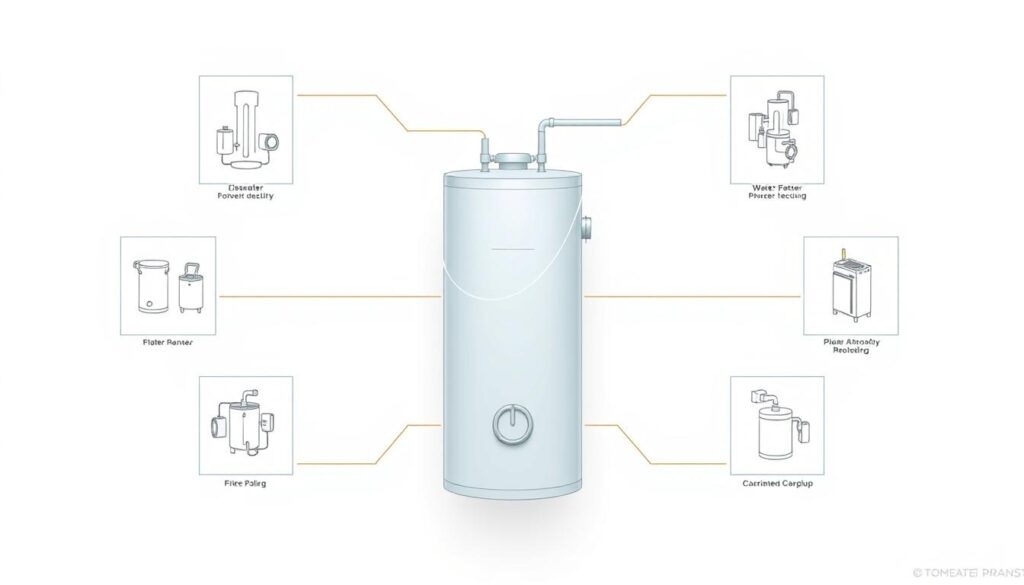
Water heater classification isn’t simple. Your home’s water heating system is key to comfort and function. Knowing its true classification can save you time, money, and avoid service issues.
This guide will clear up the mystery of water heater classification. We’ll help you understand the complex world of home systems. You’ll learn the technical details that decide if a water heater is HVAC or plumbing.
Key Takeaways
- Water heaters occupy a unique position between HVAC and plumbing systems
- Professional classification impacts maintenance and repair services
- Understanding system classification helps make informed home maintenance decisions
- Different types of water heaters may have varying technical classifications
- Proper identification ensures correct professional service
Table of Contents
Understanding Water Heater Systems and Their Classification
Water heaters are key in homes, making daily life more comfortable. They provide hot water for bathing, cleaning, and more. Your home’s water heating system is vital for warm water needs.
Choosing the right water heater can be tricky. Different types have their own benefits for homeowners. Each is designed for specific needs in the home.
Types of Water Heaters Available
- Tankless Water Heaters: These are compact and save energy, heating water as needed
- Conventional Storage Tank Water Heaters: They have a big tank for storing water
- Hybrid Water Heaters: Use a heat pump and standard heating for efficiency
- Solar Water Heaters: Heat water using the sun’s energy
Components of Modern Water Heaters
Modern water heaters have advanced parts for reliable use. They include heating elements, controls, valves, and insulation. Keeping these systems in good shape is essential.
System Integration in Homes
Water heaters work well with your home’s plumbing and electricity. Experts can help pick and install the best system for you. This ensures it works well and saves energy.
The Definitive Answer: Is Water Heater HVAC or Plumbing
Many homeowners wonder if water heaters are part of HVAC or plumbing systems. The simple truth is, water heaters belong to the plumbing system, not HVAC.
Plumbing and HVAC systems serve different roles in your home. Water heaters are key parts of your home’s water system. Only licensed plumbers know how to install, maintain, and fix them.
- Water heaters connect directly to water supply lines
- They distribute hot water throughout your home’s plumbing system
- Plumbers have specialized knowledge of water heater mechanics
Even though some water heaters work like HVAC systems, their main job is in plumbing. The question of whether water heaters are HVAC or plumbing is clear. They are designed to heat and move water for your home.
| System | Primary Function | Professional Expertise |
|---|---|---|
| Plumbing | Water distribution and heating | Plumbers |
| HVAC | Air temperature and circulation | HVAC Technicians |
Knowing this helps you make better choices for upkeep and fixes. Always reach out to a licensed plumber for all your water heater needs.
Professional Qualifications for Water Heater Service
Knowing the qualifications of experts for water heater service is key for homeowners. Plumbers and HVAC technicians have special skills for keeping your hot water system working well.
Required Licenses and Certifications
A plumber for water heater replacement needs certain credentials to work legally. These include:
- State-issued plumbing license
- Professional certification from recognized trade organizations
- Ongoing training in water heater technologies
- Compliance with local building codes
Training and Expertise Differences
An HVAC technician for water heater services has a different skill set than plumbers. Both can handle water heater work, but their training is different.
| Profession | Specialized Training | Primary Focus |
|---|---|---|
| Plumber | Comprehensive water system expertise | Pipe connections, water flow, installation |
| HVAC Technician | Thermal system knowledge | Energy efficiency, heating elements |
Safety Regulations and Compliance
Water heater service must follow strict safety standards. Plumbers and HVAC technicians must:
- Follow manufacturer installation guidelines
- Understand electrical and gas connection protocols
- Implement proper ventilation requirements
- Ensure equipment meets current safety codes
Choosing the right professional ensures your water heater works safely and efficiently. It also meets all regulatory requirements.
Plumber’s Role in Water Heater Maintenance
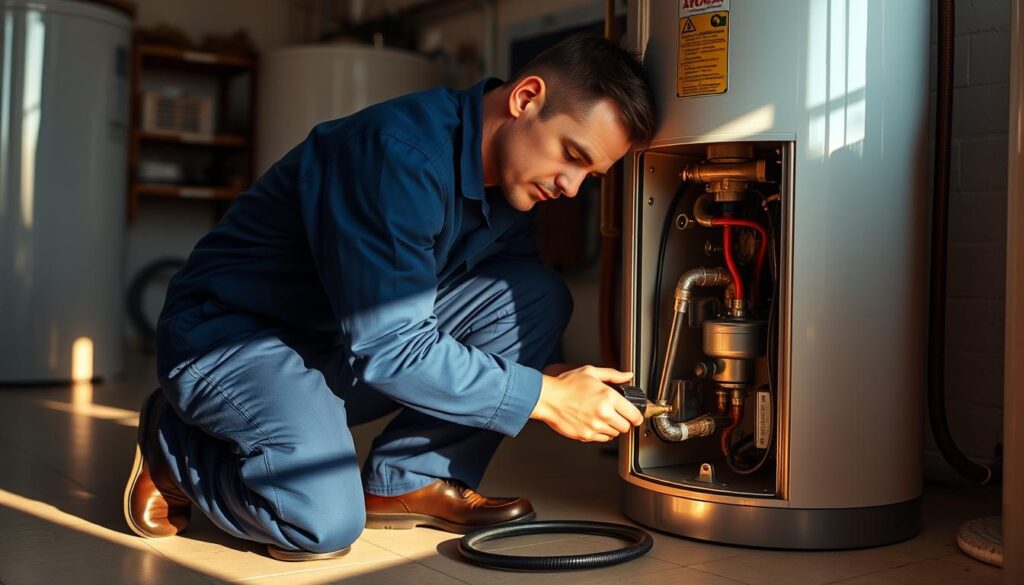
Your water heater is a key part of your home. It needs professional care to work well. A skilled plumber is key in keeping your hot water system efficient and avoiding sudden failures.
Plumbers have the knowledge for water heater repair and upkeep. They do important tasks to keep your system in good shape:
- Comprehensive tank flushing to remove sediment buildup
- Detailed inspection of critical components
- Checking and replacing anode rods
- Verifying thermostat and heating element functionality
Regular maintenance by a professional plumber can extend your water heater’s lifespan by years and prevent costly emergency repairs.
“Preventative maintenance is always more cost-effective than emergency replacements” – Professional Plumbing Association
When you book maintenance, your plumber will do a thorough check. This includes:
- Examining pressure relief valves
- Testing water temperature and pressure
- Checking electrical connections
- Evaluating overall system performance
By choosing regular maintenance, you safeguard your home’s hot water. You also avoid sudden system failures. Rely on a certified plumber to ensure your water heater runs smoothly.
When to Call an HVAC Technician vs. Plumber
Dealing with water heater problems can be tough for homeowners. It’s important to know when to call an HVAC technician or a plumber. This ensures repairs are done right and safely.
Water heater issues need special skills. Different heaters require different expertise. So, it’s key to know who to call.
Common Water Heater Issues
- Inconsistent water temperature
- Strange noises from the tank
- Leaking water heater
- Discolored water
- Reduced hot water pressure
Emergency Situations and Response
In urgent cases, fast help is essential. For electrical or gas issues, an HVAC tech might be needed. But, for plumbing problems, a plumber is the right choice.
Professional Assessment Guidelines
Choosing the right expert depends on a few things:
- Type of water heater (electric, gas, tankless)
- Specific system parts needing fix
- Complexity of the problem
- Potential safety risks
Professional help ensures your water heater works well and safely.
Always get advice from a qualified pro. They can fix your water heater problems right. This avoids long-term damage and costly fixes.
Water Heater Installation Requirements
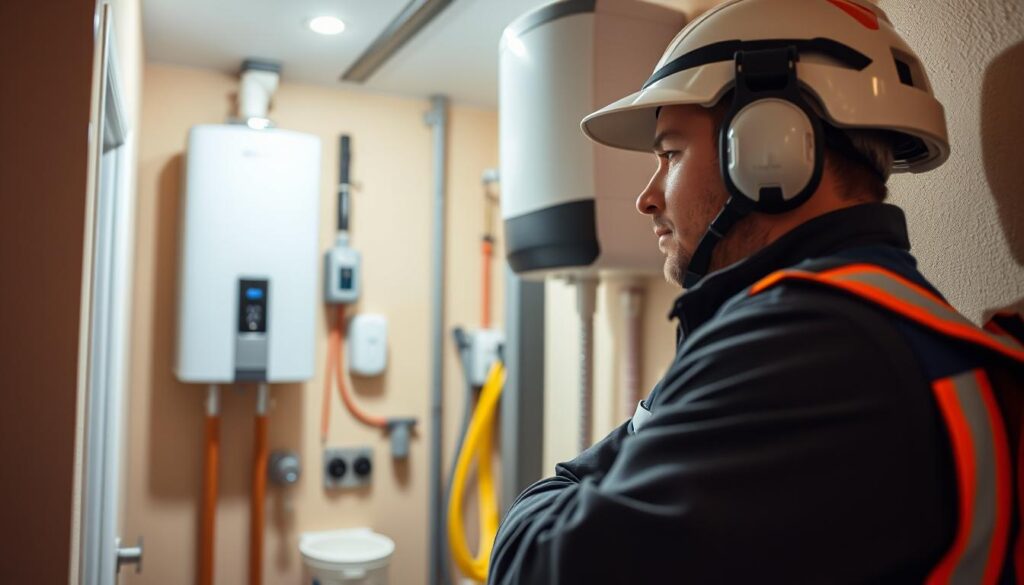
When you think about getting a water heater for your home, knowing the key requirements is vital. It ensures your safety, efficiency, and follows local laws. Water heater services for homes need special skills and detailed knowledge.
Professional installation covers important steps to protect your investment and your home’s structure:
- Get the right local building permits
- Check if electrical and plumbing connections are correct
- Make sure there’s proper ventilation and space
- Verify the structural support and how it’s mounted
Your water heater must meet specific rules that change by area. Experts know these rules well. They avoid safety risks and make sure your system works well.
Important things to think about for home water heater services include:
- Location assessment for the best spot for your water heater
- Picking the right size for your household
- Checking if your home’s setup is compatible
- Adding any safety features needed
Professional installation means your water heater works well and meets all safety standards.
Trying to install a water heater yourself can be very risky. It might cause water damage, electrical issues, or break local rules. Certified technicians have the right training. They make sure your water heater is installed right the first time.
Maintenance Tips for Optimal Performance
To keep your water heater working well, you need to take care of it regularly. This includes tankless water heater maintenance and hot water heater repair. These steps help your system work better and last longer.
Regular maintenance can prevent sudden breakdowns and expensive fixes. Knowing how to care for your water heater saves you time, money, and stress.
Regular Inspection Checklist
- Check for visible leaks around the water heater
- Inspect pressure relief valve for proper functioning
- Examine the anode rod for corrosion
- Test water temperature and pressure
- Look for signs of rust or sediment buildup
Preventive Maintenance Schedule
| Frequency | Maintenance Task | Purpose |
|---|---|---|
| Every 6 Months | Flush sediment from tank | Prevent efficiency loss |
| Annually | Professional inspection | Comprehensive system check |
| Every 3-5 Years | Replace anode rod | Prevent tank corrosion |
Warning Signs of Malfunction
Watch out for signs that your hot water heater might need repair. Key warning signs include:
- Inconsistent water temperatures
- Unusual rumbling or popping noises
- Discolored or rusty water
- Reduced hot water supply
- Water leaks around the unit
Getting your tankless water heater checked by a pro can catch problems early. This helps avoid bigger issues and makes your water heater last longer. Taking care of your water heater is an investment in your home’s comfort and efficiency.
Cost Comparison: HVAC vs. Plumbing Services
Knowing the costs of residential water heater services helps you make better choices. When looking at plumbing vs hvac systems for water heater help, several important factors affect prices and choices.
The cost of water heater services depends on a few key things:
- Type of water heater system
- Complexity of the repair
- Professional expertise needed
- Where you live
Plumbing experts usually offer cheaper fixes for water heaters. They are trained to fix water heaters quickly and well, unlike HVAC techs.
| Service Type | Average Cost Range | Typical Repair Focus |
|---|---|---|
| Plumbing Services | $150 – $500 | Water Heater Specific |
| HVAC Services | $250 – $750 | Broader System Diagnosis |
Choosing the right professional can greatly affect repair costs and your system’s long-term health. Getting specialized water heater services can save you money in the long run and make your system last longer.
Professional expertise matters more than generic service when addressing water heater maintenance.
Always ask for detailed quotes and check the technician’s experience with your water heater model. This ensures you get affordable and reliable service.
Safety Considerations and Code Compliance
Keeping your water heater safe is key to protecting your home and family. Professional services are essential for following local building codes and safety rules.
Water heater safety involves several important points:
- Proper ventilation to prevent dangerous gas buildup
- Electrical connection standards
- Pressure relief valve functionality
- Seismic securing in earthquake-prone regions
Local building codes have strict rules for water heater installation. These rules cover important areas like:
- Minimum clearance from combustible materials
- Appropriate elevation requirements
- Proper drain pan installation
- Correct pipe connections
Professional plumbers know these complex rules well. They make sure your water heater meets all safety standards. This reduces risks of hazards like gas leaks, electrical problems, or water damage.
Safety isn’t an option—it’s a necessity in water heater installation and maintenance.
Certified technicians will do detailed safety checks and check if your system follows the rules. They will also suggest upgrades or repairs to keep your system safe and working well.
Understanding Water Heater Repairs and Replacements
Water heaters are key parts of our homes. They need regular care and quick fixes when needed. Knowing when to fix or replace them can save you a lot of money and time.
Experts in plumbing offer top-notch hot water heater repair services. They tackle many important issues. To decide if you need a repair or a new water heater, you need to consider a few things.
Common Repair Scenarios
- Faulty heating elements
- Thermostat malfunctions
- Persistent water leaks
- Sediment buildup
- Pressure valve problems
When to Consider Replacement
| Age of Water Heater | Recommended Action |
|---|---|
| 0-5 years | Repair recommended |
| 6-10 years | Evaluate repair vs. replacement costs |
| 10+ years | Replacement typically most cost-effective |
Professional Service Selection
Choosing the right plumber for water heater replacement is important. Look for certified plumbers with lots of experience and good reviews. They should give clear prices and detailed assessments.
Pro tip: Always choose licensed technicians who know local building codes and safety rules.
Conclusion
Figuring out if a water heater is HVAC or plumbing can be tricky. Licensed plumbers are the best for fixing and keeping your water heater running. They know how to handle these important appliances.
Plumbers are trained in water systems. They know how to fix and install water heaters. This means your system works well and safely. Getting regular checks can also save you money and prevent big problems.
It’s key to get your water heater checked often and fixed quickly. Working with skilled plumbers keeps your home’s systems working right. This means you’ll always have hot water and avoid big repair costs.
Don’t wait to get your water heater checked. Find a licensed plumber who knows how to take care of your water heater. This will keep your system running great and save you money in the long run.