

Affiliate Disclosure
Plumber Guide Guys is a participant in the Amazon Services LLC Associates Program, an affiliate advertising program designed to provide a means for sites to earn advertising fees by advertising and linking to Amazon.
Do Hot Tubs Require Plumbing? Are you thinking of turning your backyard into a luxury spot with a hot tub? But, you’re not sure about the plumbing needs for it. Many people ask if hot tubs need plumbing before starting this project.
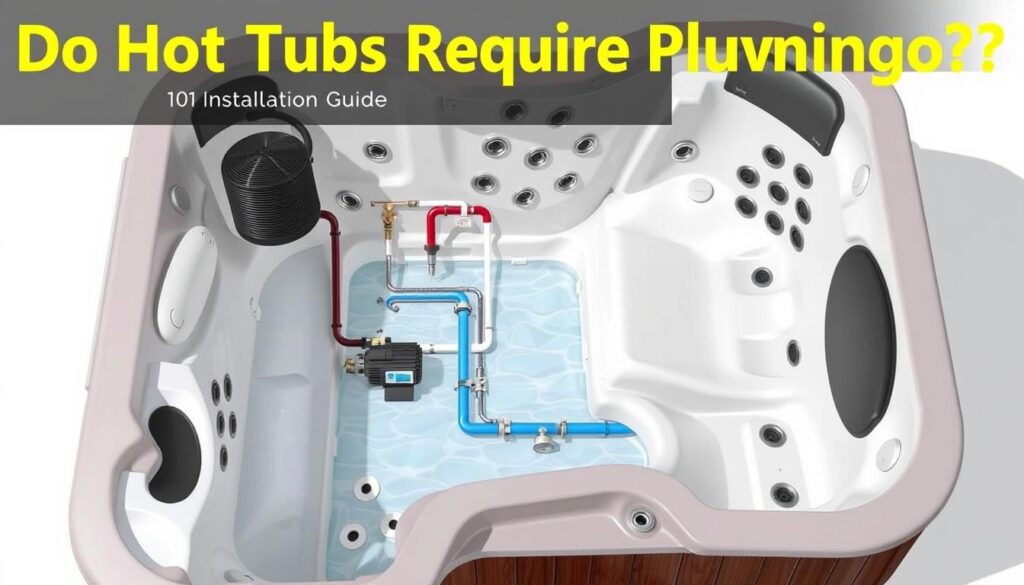
Hot tubs are great for relaxing and are easy to use. Even though they’re self-contained, knowing about plumbing can make installation easier. This guide will cover all you need to know about setting up a hot tub and plumbing.
Today’s hot tubs are easy to install and don’t need much plumbing. You’ll learn about installation, water care, and important things to consider. This ensures your hot tub fits well in your home or yard.
Key Takeaways
- Hot tubs are generally self-contained units
- Minimal plumbing expertise is typically required for installation
- Professional assessment can help determine specific installation needs
- Water supply and drainage are critical considerations
- Electrical requirements are often more complex than plumbing needs
Table of Contents
Understanding Hot Tub Basics and Requirements
Choosing the right hot tub means knowing the different types, what you need to install it, and how much space it takes. Whether you’re looking at portable hot tubs or inflatable spas, understanding the basics is key.
Hot Tub Varieties to Consider
Hot tubs fall into three main categories, each with its own features:
- Portable Hot Tubs: Lightweight and easy to move
- Inflatable Spas: Most affordable and compact option
- Built-in Hot Tubs: Permanent installations with custom designs
Standard Installation Requirements
Every hot tub needs certain things to work right and safely. Your spot must have:
- Level ground surface
- Proximity to electrical outlet
- Adequate drainage system
- Protection from extreme weather
| Hot Tub Type | Weight | Electrical Needs | Water Hookup |
|---|---|---|---|
| Portable | 150-300 lbs | 110V standard outlet | Garden hose compatible |
| Inflatable | 50-100 lbs | 110V standard outlet | Quick connect adapter |
| Built-in | 1000-3000 lbs | 220V dedicated circuit | Direct plumbing connection |
Location and Space Planning
Think about your space before installing your hot tub. Make sure there’s room for upkeep, easy access, and safe entry and exit. Measure your area well to ensure your hot tub fits perfectly.
Do Hot Tubs Require Plumbing?
Thinking about setting up a backyard spa? Good news: most modern hot tubs are easy to install. They don’t need the complex plumbing of traditional pools.
Getting water for your hot tub is simple. You can fill it with a garden hose. Hot tub makers make them easy for to use.
- No permanent water line required
- Easy garden hose filling method
- Simple drainage capabilities
- Flexible installation options
Some hot tubs might need special setup. Built-in spas might need more plumbing work. Talking to a pro can help figure out what you need.
Pro tip: Always check your specific hot tub model’s installation guidelines for precise water supply and drainage recommendations.
Even though most hot tubs are easy to set up, knowing your model’s needs is key. This ensures a smooth installation.
Foundation and Site Preparation
Creating a solid foundation is key for your hot tub installation. It keeps your hot tub stable, safe, and working well for years. You need to think about weight capacity, ground leveling, and surface materials for proper site preparation.
Weight Capacity Requirements
Your hot tub’s foundation must handle a lot of weight. A full hot tub can weigh 2,000 to 5,000 pounds. When picking a spot for your hot tub, remember these weight factors:
- Make sure decks or platforms can hold the weight
- Check if the ground is stable and can bear the load
- If unsure, get advice from a structural engineer
Ground Leveling Guidelines
A level surface is vital for your hot tub. Uneven ground can cause problems like structural stress and water issues. It can also damage your hot tub.
- Use a long carpenter’s level to check if the ground is even
- Clear the area of grass, rocks, and debris
- Make a flat base with compacted gravel or sand
Surface Material Options
The right surface material is important for your hot tub’s stability and life. Here are some good choices:
- Concrete Pad: The most durable and permanent option
- Paver Stones: Looks good and is fairly stable
- Reinforced Wooden Deck: Needs a pro to check if it’s safe
Getting a pro to install your hot tub ensures it sits on a solid, level base. This meets all the structural and plumbing needs for your hot tub.
Electrical Requirements and Setup
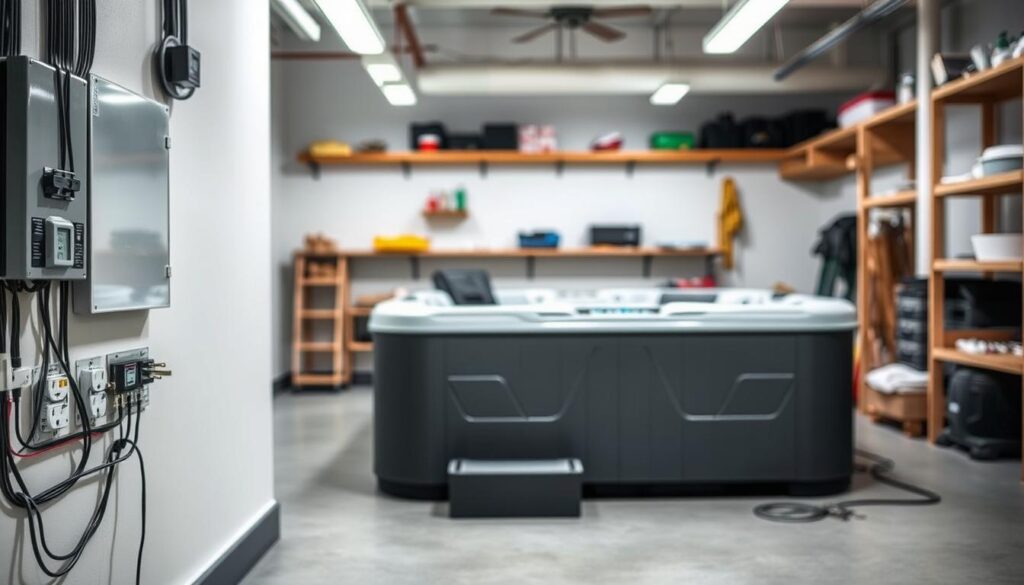
When you plan to install a hot tub, knowing the electrical needs is key. Different hot tubs need specific electrical setups. These go beyond the usual plumbing needs.
Your hot tub might need one of two electrical setups:
- 220-240V for bigger, permanent setups
- 110-120V for smaller, portable models
Getting a pro to do the electrical work is very important for your safety. A licensed electrician will guide you through the hot tub installation plumbing and electrical.
“Proper electrical setup is not just about power—it’s about protecting your investment and your family’s safety.”
Important electrical things to think about include:
- Setting up a special electrical circuit
- Having GFCI protection
- Keeping it far from water sources
- Following local building codes
Remember, skipping on electrical setup can be dangerous and might damage your equipment.
Water Supply and Drainage Solutions
Getting the right water supply and drainage system is key for your hot tub’s performance and life. Knowing about the water line for hot tub installation and the drainage system is important. It helps set up a smooth and efficient system.
Fill Options and Methods
There are several ways to fill your hot tub:
- Standard garden hose method
- Permanent water line installation
- Professional water delivery service
A permanent water line for hot tub installation is the most convenient. It saves you from the trouble of connecting and disconnecting a garden hose every time.
Drainage System Types
Your hot tub’s drainage system is vital for upkeep and water management. Here are the main drainage options:
| Drainage Method | Pros | Considerations |
|---|---|---|
| Built-in Drain | Easy to use | Slower drainage process |
| Submersible Pump | Quick water removal | Additional equipment required |
| Gravity Drain | No additional equipment | Requires specific location setup |
Water Treatment Requirements
Keeping the water chemistry right is vital for your hot tub’s health. You’ll need to test and balance:
- pH levels
- Sanitizer concentration
- Alkalinity
- Calcium hardness
Quality water treatment products are a good investment. They protect your hot tub and make it safe and enjoyable for users.
Pro tip: Talk to a hot tub expert to find the best water supply and drainage solution for your setup.
Hot Tub Installation Steps
Installing a hot tub needs careful planning and precision. The plumbing connections are key to a successful setup. Getting a pro to install it ensures it works well and keeps your investment safe.
Before starting, get all your tools ready and pick a spot. The right prep makes setting up your hot tub easy and quick.
- Site Preparation
- Clear and level the area
- Make sure there’s good drainage
- Check if you need special electricity
- Delivery and Positioning
- Use pros to move it
- Keep the area around it safe
- Make sure it’s in the right spot
- Electrical Connections
- Get a special circuit
- Use a certified electrician
- Check if the voltage is right
“Proper installation is key to enjoying your hot tub for years to come.” – Spa Installation Experts
Setting up plumbing for spa tubs is usually easy. Most modern hot tubs have systems that make installation simple. Focus on a solid base and the right electrical setup.
Water treatment and filling it up are important last steps. Follow the maker’s instructions to keep the water clean and protect your hot tub.
Pro Tip: Always get a professional installer for the best results and to keep your warranty valid.
Ventilation and Humidity Control
Managing ventilation and humidity is key when setting up a hot tub, indoors or outdoors. Your backyard spa plumbing needs careful thought about airflow and moisture control. This is to protect your investment and the structures around it.
Indoor Installation Ventilation Requirements
Indoor hot tubs need special care to avoid moisture problems. You must set up ventilation solutions to keep the air healthy.
- Install dedicated exhaust fans
- Use high-quality dehumidifiers
- Ensure proper air circulation
- Consider moisture-resistant wall treatments
Outdoor Spa Ventilation Considerations
Outdoor hot tubs need different ventilation plans. Natural airflow is important for managing humidity and avoiding damage.
- Position spa in areas with consistent breeze
- Create wind barriers if necessary
- Use protective covers during non-use periods
- Monitor surrounding landscape drainage
Moisture Management Solutions
Controlling moisture is more than just ventilation. Proactive management is needed to protect your spa and the area around it.
Proper ventilation is not a luxury—it’s a necessity for maintaining your hot tub’s performance and longevity.
By using these ventilation and humidity control methods, you’ll make a great environment for your hot tub. This ensures years of comfort and no trouble.
Maintenance and Water Care Systems
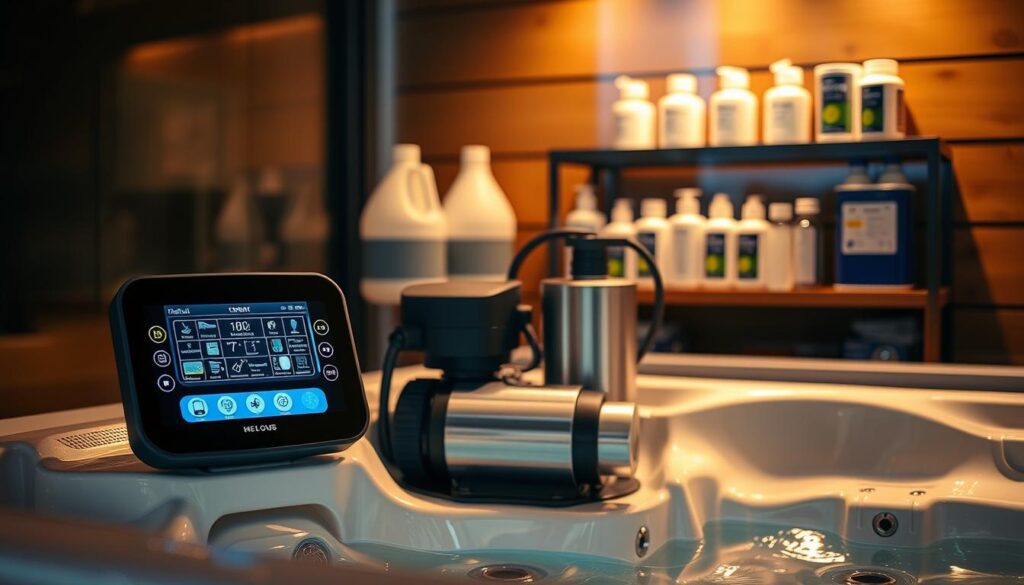
Keeping your hot tub in top shape is key. Regular care keeps it clean, safe, and fun for years. It’s an investment worth making.
Several important steps are needed to maintain your hot tub’s water:
- Water chemistry testing and balancing
- Filter cleaning and replacement
- Periodic water drainage and refilling
- Sanitization system management
There are different ways to keep your hot tub’s water clean:
| Water Care System | Maintenance Level | Cost Effectiveness |
|---|---|---|
| Chlorine | High | Low |
| Saltwater | Medium | Medium |
| Ozone | Low | High |
Experts say to check your hot tub’s water weekly. Use test strips to check pH, sanitizer, and alkalinity levels. This helps avoid problems and keeps your hot tub running longer.
Watching your water closely is important. It stops mineral buildup, bacteria, and damage. Use good water treatment products and follow the maker’s advice for the best results.
Safety Features and Regulations
Setting up a hot tub is more than plumbing and wiring. It’s about making sure it’s safe for everyone. You need to follow local building codes and safety rules. These rules help keep your hot tub safe for users and your property.
Knowing the important safety features is key. This way, you can make your hot tub safe and follow local laws.
Building Codes and Compliance
Hot tubs must meet strict building codes. These rules cover:
- Electrical safety standards
- Structural requirements
- Zoning restrictions
- Minimum distance from property lines
Required Safety Equipment
There are essential safety tools for hot tubs:
- Ground Fault Circuit Interrupter (GFCI) protection
- Lockable safety covers
- Non-slip surfaces around the hot tub
- Emergency shut-off switches
Barrier Requirements
Many places require barriers to keep kids out. These include:
- Fencing at least 4 feet high
- Self-closing and self-latching gates
- Childproof locks
- Clear area around the hot tub
Always check with your local building department. They can help you meet all the hot tub safety rules. Being prepared can avoid legal problems and make your hot tub a safe place to relax.
Conclusion
Installing a hot tub is more than just plumbing. Most hot tubs don’t need a lot of plumbing, but planning is key. You need to think about electrical, water, and where to put it.
Getting a pro to install your hot tub is a smart move. They know the rules and how to set it up right. This keeps your investment safe and working well.
Your hot tub is a big upgrade for your home. Knowing how to install and care for it makes your outdoor space great. Doing your homework and maybe getting expert advice can save you trouble.
Getting your hot tub right means planning well and paying attention to details. Whether you do it yourself or hire someone, safety and upkeep are essential. This way, your backyard will be a cozy spot for years.