
Affiliate Disclosure
Plumber Guide Guys is a participant in the Amazon Services LLC Associates Program, an affiliate advertising program designed to provide a means for sites to earn advertising fees by advertising and linking to Amazon.
What Is a Main Line in Plumbing? Ever thought about what keeps water flowing smoothly in your home? The main water line is your secret hero. It quietly brings water to every faucet, shower, and appliance.
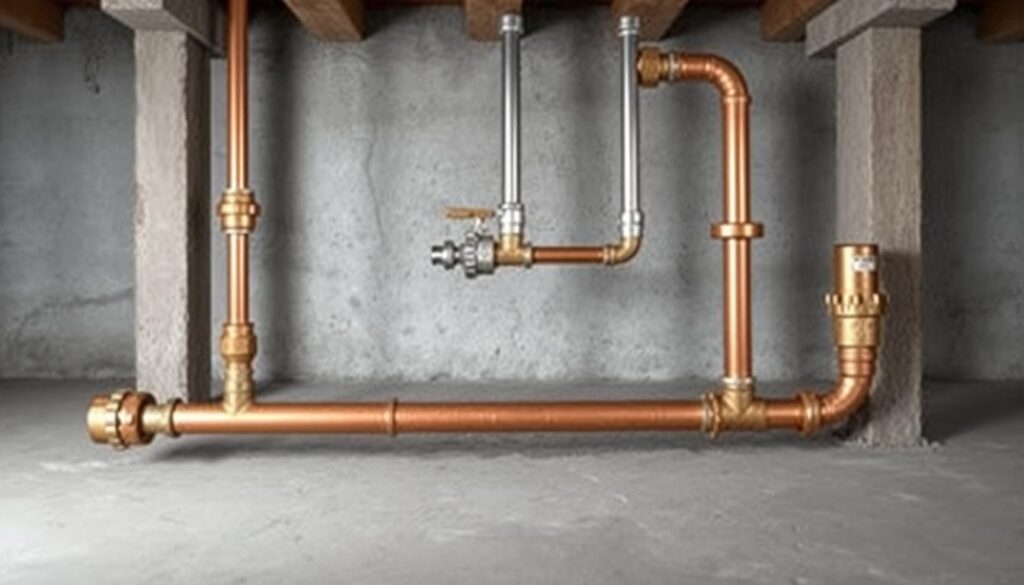
Knowing about the main line in plumbing is key for homeowners. It’s not just about pipes; it’s about keeping your home’s water system safe. This line connects your home to the public water system, bringing in clean water.
Water main lines are more than just pipes. They are the heart of your home’s water supply. From the moment water comes in, to when it reaches every room, this line is essential. It keeps water pressure and quality steady.
Key Takeaways
- Main water lines connect homes to public water systems
- Understanding your plumbing infrastructure prevents problems
- Water main lines are critical for consistent water delivery
- Regular maintenance can extend your main line’s lifespan
- Professional inspection helps detect problems early
Table of Contents
Understanding Your Home’s Main Plumbing Line
Your home’s plumbing system is key to bringing fresh water to every corner. It connects your home to the city’s water supply. This ensures you always have water when you need it.
The main water line is the main path for water into your home. Knowing how it works helps keep your plumbing in top shape. It can also help lower the cost of replacing the main water line.
Components of the Main Water Line
- Water meter
- Main shut-off valve
- Pressure regulator
- Pipe material (copper, PVC, or galvanized steel)
How Water Flows Through Your Home
Water flows into your home under pressure. This pressure is strong enough to reach all parts of your home. It makes sure water gets to every faucet and appliance.
| Water Flow Stage | Description |
|---|---|
| Entry Point | Municipal water main to home connection |
| Pressure Regulation | Pressure regulator controls water pressure |
| Distribution | Branching pipes to different home areas |
Connection to Public Water System
Your home’s water line connects to the city’s water system at the street. This spot is near your property line. It has a water meter to track how much water you use.
Understanding your plumbing system helps spot problems early. It also helps manage the cost of replacing the main water line.
What Is a Main Line in Plumbing and Its Function
A main line in plumbing is the main water pipe that connects your home to the public water supply. It’s the key path for water to flow through your property. Knowing how it works helps you understand the complex system that brings water to your home.
The main drain pipe is vital for your home’s water system. It comes into your property from the city’s water line, usually under the street. Once water gets to your home, it goes through a water meter. This meter tracks how much water you use, then it spreads out to different parts of your home.
- Delivers water to all household fixtures
- Connects to public water supply
- Maintains consistent water pressure
- Supports multiple water-dependent appliances
Your main line brings water to important places like:
- Kitchen sink
- Bathroom fixtures
- Washing machine
- Water heater
- Outdoor spigots
Keeping your main line in good shape is key for steady water access. Regular checks can spot problems early, saving you from big headaches and costs.
Types of Plumbing Main Lines and Materials
Choosing the right materials for your home’s plumbing main line is key to avoiding clogs. Different materials have their own benefits and challenges for your water system.
Knowing about the different pipe materials helps homeowners make better choices. The right material can lower the risk of clogs and ensure your plumbing lasts long.
Copper Pipes and Their Benefits
Copper pipes have been a top choice for homes for years. They come with many advantages:
- They last a long time and are very durable
- They naturally fight off bacteria
- They conduct heat well
- They resist corrosion
PVC and Other Modern Materials
Modern options like PVC offer new ways to tackle sewer main line issues. These materials have their own benefits:
- They cost less than traditional metals
- They are light and easy to install
- They resist chemical corrosion
- They have a smooth inside to help prevent clogs
Choosing the Right Material for Your Home
Choosing the right pipe material depends on several factors. Here’s a comparison to help you decide:
| Material | Durability | Cost | Clog Resistance |
|---|---|---|---|
| Copper | High | Expensive | Moderate |
| PVC | Moderate | Affordable | High |
| Ductile Iron | Very High | Expensive | Low |
Your local water quality, budget, and home’s needs will guide your choice. Talking to a professional plumber can help you make the best decision.
Main Water Line Installation Process
Installing a plumbing house water supply line needs careful planning and expert skills. The cost to replace a water main pipe can change a lot. Knowing the steps helps homeowners get ready for this big project.
- Site evaluation and underground utility mapping
- Excavation of the installation area
- Pipe selection and preparation
- Precise pipe laying and connection
- Pressure testing and system verification
“Proper installation is critical to ensuring a reliable water supply and preventing future complications.” – Professional Plumbing Association
The cost to replace your water main pipe depends on several things. These include:
| Cost Factor | Estimated Impact |
|---|---|
| Pipe Material | $5 – $25 per linear foot |
| Labor Expenses | $50 – $150 per hour |
| Excavation Complexity | $500 – $3,000 total |
Professional installation makes sure your plumbing works well and follows local rules. Skilled plumbers will figure out what you need, suggest the best materials, and finish the job without much trouble.
Signs of Main Line Plumbing Issues
Spotting main line plumbing problems early can save you a lot of money and prevent damage to your home. Your plumbing system sends out clear signals when something is wrong. Knowing these signs helps you act fast.
It’s important for homeowners to understand the signs of main line plumbing issues. Here are the most common symptoms:
- Slow Drainage: Water backing up or draining very slowly in many fixtures
- Unusual Noises: Gurgling sounds from toilets or drains
- Foul Odors: Persistent sewer gas smells around your property
- Water Backups: Sewage or water coming up from floor drains
- Soggy Lawn Patches: Unexplained wet areas in your yard
Common Problems and Their Symptoms
To fix main plumbing line problems, you need to know their causes. Issues like tree roots, pipe corrosion, or debris buildup can cause blockages. These problems often show up in many drains at once.
When to Call a Professional
While you can handle some minor clogs, big main line problems need a pro. If you have ongoing drainage issues, water backups everywhere, or think there’s damage underground, call a licensed plumber right away.
Emergency Response Tips
In case of a main line emergency, here’s what to do:
- Stop using all water fixtures
- Shut off the main water valve
- Clear the area around possible backup zones
- Contact a professional plumbing service
Being proactive and quick to respond can stop big damage and save you money on repairs to your plumbing system.
Main Line Maintenance and Prevention
Keeping your home’s plumbing main line in good shape is key. Regular maintenance and smart prevention can save you from expensive repairs. It also helps avoid plumbing main line clogs that can mess up your day.
To stop plumbing main line problems, follow these important steps:
- Get annual professional checks on your main plumbing line
- Look out for signs of clogs early on
- Dispose of waste correctly
- Choose enzyme-based drain cleaners over harsh chemicals
Knowing what causes main plumbing line clogs is the first step to fixing them. Issues like tree roots, sediment, and wrong waste disposal can block your main water system.
Preventing problems is vital for your plumbing. Regular maintenance can save you thousands in repair costs. Here are some ways to keep your main line safe:
- Put drain screens to catch debris
- Don’t flush things that can’t break down
- Run hot water through drains once a week
- Get professional pipe cleaning every 18-24 months
By using these maintenance tips, you’ll lower the chance of plumbing main line clogs. You’ll also make your home’s water system last longer.
Cost Factors in Main Line Repair and Replacement
Knowing the cost of replacing a water main is key for homeowners. The cost can vary a lot, depending on several important factors.
The cost of replacing your water main depends on several key things. The total cost can change a lot based on:
- Pipe material selection
- Length of pipe needed
- Accessibility of the water line
- Local labor rates
- Complexity of the installation
Labor and Material Expenses
Labor costs usually make up 50-70% of the total cost. The type of material you choose greatly affects the overall cost:
| Pipe Material | Cost per Linear Foot | Estimated Durability |
|---|---|---|
| Copper | $15-$25 | 50-70 years |
| PVC | $5-$15 | 25-40 years |
| Ductile Iron | $20-$35 | 70-100 years |
Insurance and Permit Considerations
Before starting your project, check your homeowner’s insurance. Some policies may cover part of the repair costs. You’ll also need local permits, which can cost $50-$500.
Professional plumbers suggest getting several quotes. This helps you understand all the costs before starting your project.
The Role of Water Pressure in Main Lines
Understanding water pressure is key when learning about main lines in plumbing. Your main water line brings water to every corner of your home. Keeping the pressure right ensures your water systems work well.
Water pressure is vital for your home’s plumbing. Most homes have water pressure between 40-80 pounds per square inch (PSI). If the pressure is too high or too low, you might face big plumbing problems.
- Low pressure can mean there’s a blockage in your main water line
- High pressure can harm your pipes and fixtures
- Steady pressure means water flows well
Many things can change water pressure in your main line:
| Factor | Impact on Water Pressure |
|---|---|
| Pipe Size | Bigger pipes can handle more pressure |
| Pipe Material | Pipes with smooth inside surfaces flow better |
| Municipal Water Supply | Being directly connected affects pressure |
To keep your main water line safe, think about getting a pressure regulator. This tool keeps the pressure steady, which helps avoid damage to your plumbing.
Pro tip: Regular pressure checks can spot problems early, saving you from expensive fixes.
Understanding Water Main Connections and Valves
Your home’s plumbing system depends on key connections and valves. These control water flow and protect your property. Knowing about these parts helps you handle emergencies and keep your main water line in good shape.
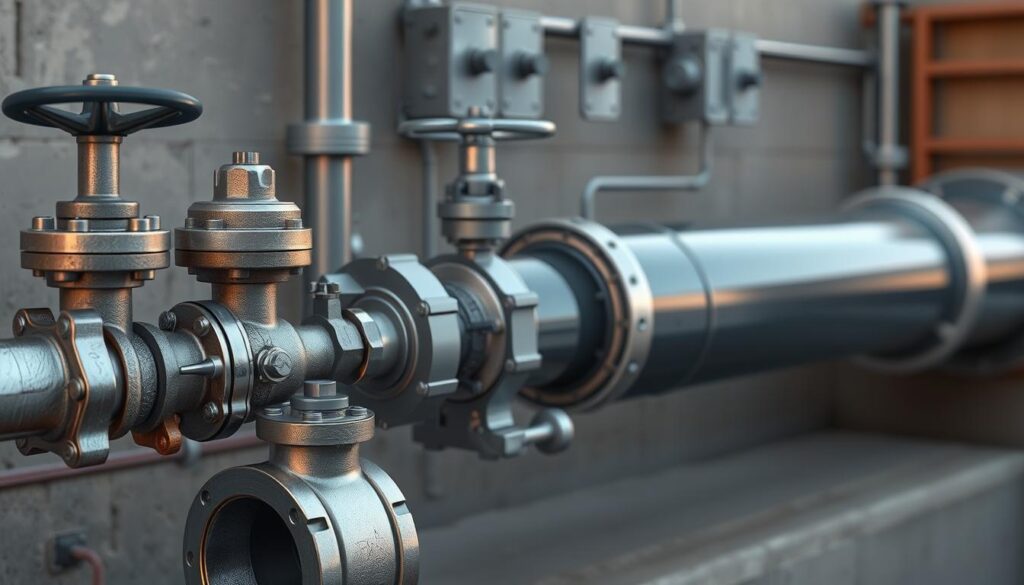
- Main Shut-Off Valve: Controls water flow to entire home
- Pressure-Reducing Valve: Regulates water pressure
- Backflow Preventer: Stops contaminated water from entering clean water supply
Finding these valves quickly is key in emergencies. You’ll usually find the main shut-off valve near your water meter or where the main water line comes into your home.
“Know your home’s valve locations before an emergency strikes” – Professional Plumbing Association
There are different types of valves for various tasks in your water system:
| Valve Type | Primary Function | Location |
|---|---|---|
| Main Shut-Off Valve | Stop entire home’s water supply | Near water meter/entry point |
| Pressure-Reducing Valve | Control water pressure | Near main water line entrance |
| Fixture Shut-Off Valve | Stop water to specific fixtures | Under sinks, behind toilets |
Checking these connections often keeps your plumbing system working well. It also stops water damage.
Environmental Factors Affecting Main Lines
Your home’s sewer main line faces many environmental challenges. These can affect its performance and lifespan. Knowing about these factors helps protect your plumbing and spot problems early.
Underground pipes deal with stress from the environment. Some conditions can make pipes wear out faster than you think.
Weather’s Impact on Plumbing Infrastructure
Extreme temperatures put a lot of stress on your sewer main line. Different materials react differently to these pressures:
- Copper pipes can experience electrolysis in certain soil conditions
- PVC pipes might become brittle in extreme cold
- Metal pipes are susceptible to expansion and contraction
Soil Conditions and Pipe Durability
Soil type greatly affects pipe longevity. Acidic soil can harm copper lines quickly, posing big problems for homeowners.
Important soil factors for main lines include:
- Soil pH levels
- Mineral content
- Ground moisture
- Potential electrical currents
Homeowners should get professional checks to understand their risks. This helps protect their plumbing system.
The Future of Main Line Plumbing Technology
Plumbing technology is changing fast, making our home’s water systems smarter and more efficient. The future of main line plumbing looks bright, with new innovations on the horizon.
New technologies are changing plumbing. Smart water management systems give you control and insights into your plumbing. You can now see how much water you use, spot leaks, and check how well your system is working.
- Advanced leak detection sensors
- Intelligent pipe materials with self-healing capabilities
- IoT-enabled water monitoring systems
- Eco-friendly pipe manufacturing techniques
New materials are also making a big difference in plumbing. Nanotechnology-enhanced pipes are stronger and last longer. They can help your home’s water system last longer and save on maintenance costs.
“The future of plumbing is not just about moving water, but about intelligent water management.” – Water Technology Innovations Magazine
Some key advancements include:
- Predictive maintenance algorithms
- Wireless pipe condition monitoring
- Sustainable and recyclable pipe materials
- Energy-efficient water distribution systems
Homeowners can look forward to better, greener plumbing. These changes will make managing your water supply easier and cheaper.
Conclusion
Knowing about your main water line is key to keeping your home safe. It’s the heart of your plumbing system, bringing you clean water and avoiding big repair costs. Taking care of it early can save you a lot of money and headaches.
Learning about your plumbing makes you a proactive homeowner. Spotting problems early, knowing your pipes, and keeping up with maintenance can make your main water line last longer. This way, you avoid sudden and costly repairs.
Spending time to learn about your plumbing is worth it. Regular checks, quick action on issues, and calling pros when needed keep your water system running well. Caring for your main water line saves you money, stress, and prevents damage to your home.
Every home’s plumbing is different. This guide gives you a good start, but local plumbers can offer advice that fits your home best. Getting personalized advice is the best way to keep your water system in top shape.