

Affiliate Disclosure
Plumber Guide Guys is a participant in the Amazon Services LLC Associates Program, an affiliate advertising program designed to provide a means for sites to earn advertising fees by advertising and linking to Amazon.
What is a Closed Plumbing System? Ever noticed your home’s water pressure changing without reason? It might be because of a closed plumbing system. This system affects how you use water every day.
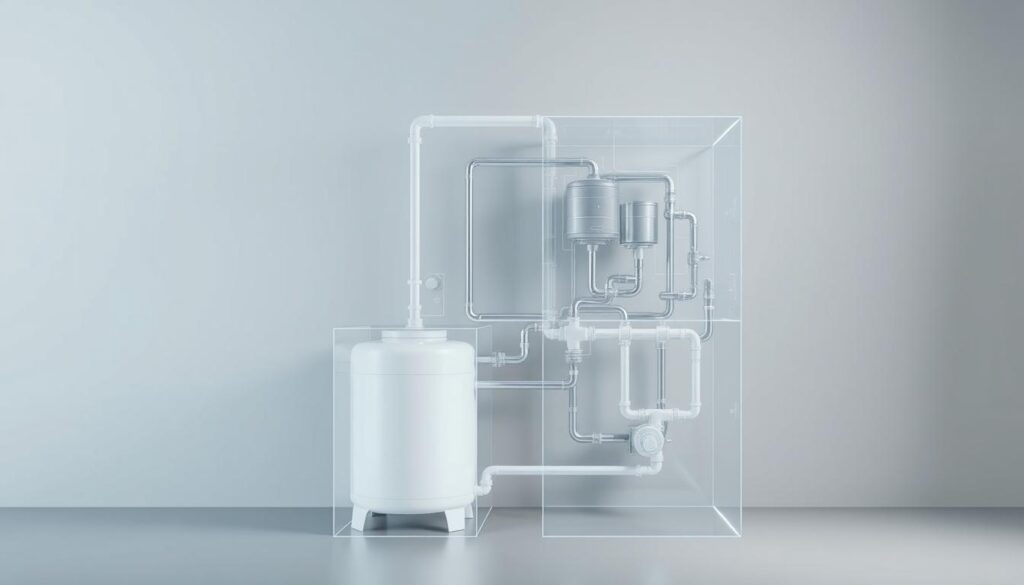
A closed plumbing system is a special way water flows in your home. Water comes in through the main line but can’t go back out. This setup changes how water moves through your pipes and appliances.
Unlike open systems, closed ones don’t let water expand or shrink freely. This can lead to problems with water pressure and system performance. Homeowners need to know this to keep their plumbing in good shape.
Key Takeaways
- Closed plumbing systems create a sealed water distribution network
- Water cannot reverse flow back into municipal supply lines
- System design impacts overall water pressure
- Potential pressure challenges require proactive management
- Understanding your system helps prevent possible pipe and appliance issues
Table of Contents
Understanding Closed Plumbing Systems Basics
Closed plumbing systems are advanced water networks that keep your home’s water safe and under the right pressure. They are different from old systems because they seal off the water flow. This stops contamination and keeps the water pressure steady.
To get how closed plumbing systems work, you need to know about their design and parts. These systems have special parts to control water flow and pressure well.
Key Components of Closed Systems
The main parts of closed plumbing systems are:
- Check valves to prevent backflow
- Pressure regulators
- Expansion tanks
- Sealed pipe networks
Water Flow Mechanics
Water moves in a set path in closed plumbing systems. This makes a predictable and safe water network. It also lowers the chance of water getting contaminated from outside.
| Component | Function | Importance |
|---|---|---|
| Check Valve | Prevents water reversal | Maintains system integrity |
| Pressure Regulator | Controls water pressure | Protects pipes and appliances |
| Expansion Tank | Absorbs pressure changes | Prevents system stress |
System Pressure Management
Keeping the right pressure is key in closed plumbing systems. Special tools watch and adjust the water pressure. This stops damage from sudden changes in pressure.
“A well-designed closed plumbing system is like a carefully orchestrated water ballet, ensuring smooth and safe water distribution.” – Plumbing Engineering Insights
There are many types of closed plumbing systems, each for different homes or businesses. Knowing about these helps people pick the best one for their place.
What is a Closed Plumbing System
A closed plumbing system is a special way to distribute water in your home. It keeps water from flowing back into the city’s water lines. This system is different from open systems because it’s a sealed network inside your home.
This design makes sure water only moves in one direction. It helps keep your home’s water safe from contamination.
In a closed plumbing system, water comes into your home through a main line but can’t go back. This means you need special parts to handle water pressure and when it expands. Homeowners get many benefits from this:
- Less chance of water getting contaminated
- Better control over water quality
- Improved management of water pressure
- Stopping backflow problems
The main idea of a closed plumbing system is to keep water in control. Devices like expansion tanks and backflow preventers are key. They work together to make sure water is distributed safely and efficiently in your home.
Knowing about closed plumbing systems is important for homeowners. It helps protect your water system. By using this advanced method, you can lower risks from old water distribution ways.
Differences Between Open and Closed Plumbing Systems
Plumbing systems are key in managing water in your home. Knowing the differences between closed and open systems helps you choose the best for your home.
Closed plumbing systems have big advantages over old open systems. They give better control over water pressure and protect against water problems.
Open System Characteristics
An open plumbing system has:
- Direct water flow from main supply
- No specific pressure management devices
- Limited protection against backflow
- Potential risk of water hammer and pressure fluctuations
Closed System Features
Closed plumbing systems manage water better with:
- Integrated backflow prevention devices
- Advanced pressure regulation mechanisms
- Thermal expansion management
- Enhanced water quality protection
Impact on Water Pressure
Closed plumbing systems shine in water pressure control. They use special parts like expansion tanks to:
- Stabilize water pressure
- Prevent sudden pressure changes
- Reduce stress on pipes and appliances
- Minimize water damage risks
Choosing a closed plumbing system can benefit your home’s water system for years. It ensures reliable and efficient water flow.
Components of a Closed Loop System
It’s important to know the key parts of closed loop plumbing systems. These systems need several important parts to work well. They help keep water flowing smoothly and avoid problems.
- Expansion Tank: Manages pressure changes due to water temperature
- Check Valve: Stops water from flowing backward
- Pressure Gauge: Shows the system’s pressure levels
- Backflow Prevention Device: Keeps water clean by stopping contamination
Every part is vital for a closed loop plumbing system to work right. For example, the expansion tank helps by soaking up extra pressure from temperature changes. This protects the pipes from damage.
| Component | Primary Function | Importance |
|---|---|---|
| Expansion Tank | Absorb Pressure Variations | Prevents Pipe Stress |
| Check Valve | Unidirectional Water Flow | Maintains System Integrity |
| Pressure Gauge | Monitor System Pressure | Ensures Optimal Performance |
Knowing and taking care of these parts is essential for a reliable closed loop plumbing system.
Homeowners and experts should check these parts often. This ensures the system works its best. By watching each part, you can stop problems and make the system last longer.
The Role of Backflow Prevention Devices
Understanding backflow prevention devices is key to protecting your home’s plumbing. These devices keep your water safe by stopping water from flowing the wrong way.
Backflow happens when water pressure changes and contaminated water flows back into clean lines. Your home’s plumbing needs these devices to stop this harmful flow.
Types of Backflow Preventers
There are different types of backflow preventers for your plumbing:
- Air Gaps: Separate water sources physically
- Vacuum Breakers: Stop siphoning in outdoor faucets
- Check Valves: Make sure water flows only one way
Installation Requirements
Getting these devices installed by a pro is vital. They need to be placed near the main water for best protection.
| Device Type | Typical Application | Protection Level |
|---|---|---|
| Air Gap | Kitchen Sink | High |
| Vacuum Breaker | Garden Hose | Medium |
| Check Valve | Water Service Entrance | High |
Maintenance Guidelines
It’s important to check and maintain these devices regularly. Most need an annual check by a pro to work right.
Thermal Expansion in Closed Systems
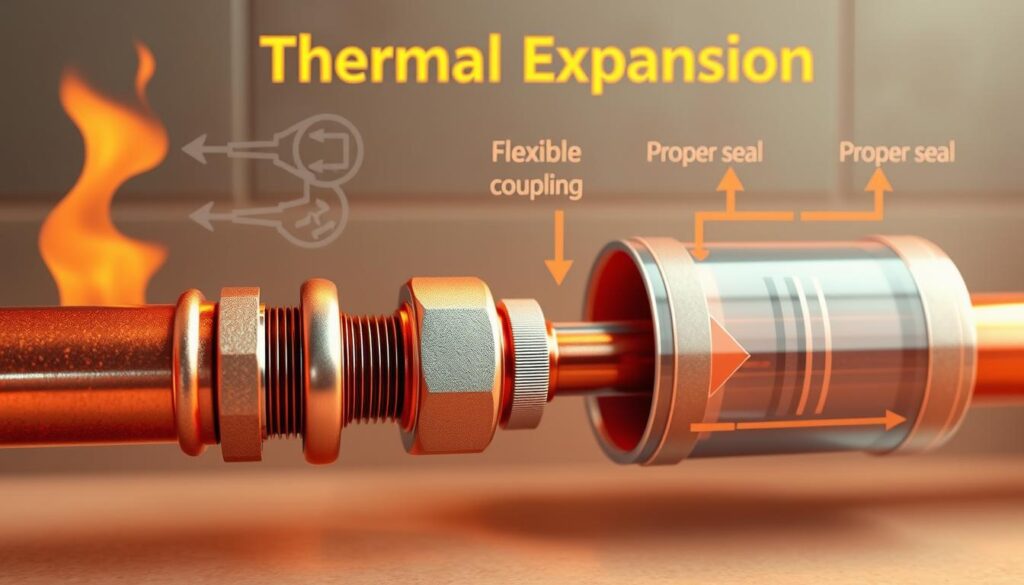
Understanding thermal expansion is key when learning about closed plumbing systems. Water changes a lot when it gets hot. This change affects the volume and pressure in your home’s pipes.
In a closed plumbing system, water gets bigger when it warms up. A 50-gallon water heater can swell to 52 gallons at 120°F. This small increase leads to big pressure problems in plumbing.
- Cold water takes up less space than hot water
- Heating makes water molecules spread out
- Closed systems can’t let water move freely
Thermal expansion is a big risk for your plumbing. The extra pressure can harm:
- Water heater parts
- Pipe connections
- Valve seals
- The whole system’s strength
Managing thermal expansion well is key to avoiding system failures and expensive fixes. Homeowners need to grasp these concepts to keep their plumbing safe.
Water volume goes up about 2-4% when it’s heated, causing a lot of pressure in closed systems.
Importance of Expansion Tanks
Expansion tanks are key to keeping closed plumbing systems healthy and long-lasting. They prevent damage from thermal expansion, acting as a vital safety feature for your plumbing.
In closed systems, water expands when it gets hotter, putting pressure on pipes and fixtures. Expansion tanks act as a buffer, soaking up this extra pressure and stopping damage.
How Expansion Tanks Work
Expansion tanks work like shock absorbers for your plumbing. They have a flexible diaphragm that keeps air and water separate. This lets them handle extra water pressure when it gets hot.
- Absorb thermal expansion pressures
- Protect water heaters from damage
- Help plumbing parts last longer
Installation Requirements
Installing expansion tanks right is key to getting the most out of closed systems. They usually go up near the water heater, hooked to the main water line.
Sizing and Selection
Choosing the right expansion tank depends on your water heater’s size and system pressure. Plumbers can figure out the best size for you.
Pro tip: Regular maintenance and professional checks keep your expansion tank working well.
Common Issues and Troubleshooting
Keeping your plumbing system in good shape is key. Homeowners face many common problems that can harm their water system. These issues can lead to expensive fixes if not fixed quickly.
Spotting warning signs early is vital. Some signs to watch for include:
- Unexpected water puddles near water heaters
- Unusual noises in pipe systems
- Inconsistent water pressure
- Random toilet tank refilling
- Persistent faucet leaks
Pressure changes are a big worry in closed plumbing systems. Unexpected pressure can stress pipes and appliances. Water hammer can also cause damage by sending shock waves through your home’s water system.
Experts say regular checks are important. They look at valve conditions, pressure levels, and expansion tank work. Being proactive can help avoid big plumbing problems.
Regular maintenance is your best defense against unexpected plumbing complications.
Knowing about these common issues helps homeowners act fast. This protects their plumbing systems from serious damage.
Maintenance and Inspection Requirements
Keeping your plumbing systems in good shape is key. Regular care stops expensive fixes and keeps your water system running long. Knowing where to check and staying proactive helps protect your plumbing.
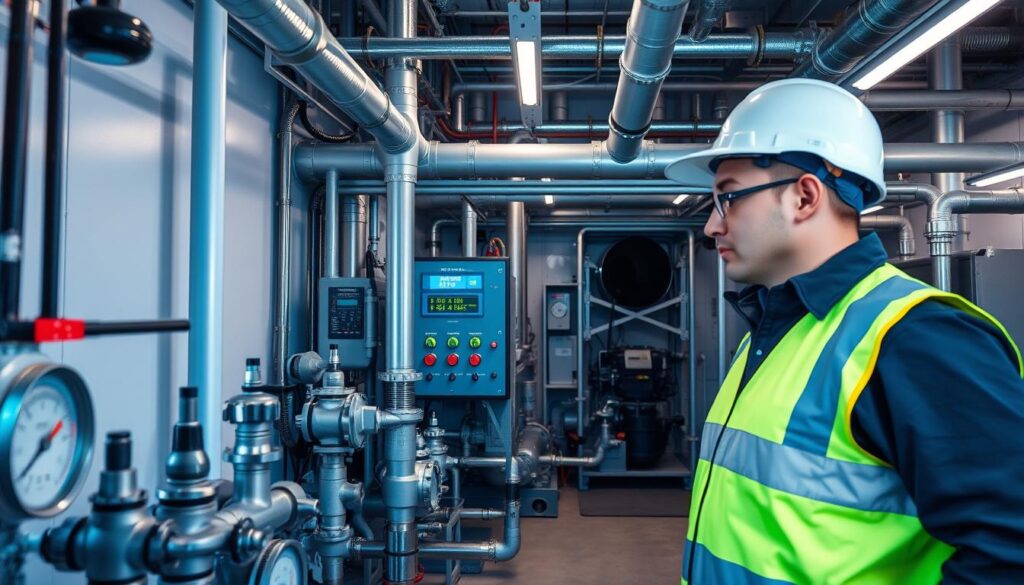
Looking after your plumbing needs a smart plan. This plan includes both professional checks and your own watchful eye. Your aim is to spot problems early, before they get big.
Regular Maintenance Schedule
- Quarterly visual inspection of all visible piping
- Biannual pressure system check
- Annual professional system check
- Act fast if you hear odd sounds or notice water pressure changes
Professional Inspection Points
Experts should look closely at important parts of your plumbing. This includes:
- Pressure reducing valves
- Expansion tanks
- Backflow prevention devices
- Pipe connections and areas where corrosion might happen
DIY Checkup Guidelines
Between expert visits, you can do some simple checks:
- Look for visible leaks around fixtures
- Listen for odd sounds in pipes
- Use a pressure gauge to check water pressure
- Check expansion tanks for wear signs
Following these steps helps keep your plumbing system running well. It also prevents sudden breakdowns.
Building Codes and Regulations
Understanding building codes is key when you’re dealing with residential closed plumbing systems. Local and state laws are important for your home’s plumbing safety and efficiency.
Knowing these rules helps protect your property and follow the law. Closed plumbing systems must meet standards to keep water clean and safe from health risks.
- Local building codes specify precise requirements for pipe materials
- Regulations mandate specific installation techniques
- Backflow prevention measures are strictly defined
- Compliance ensures system reliability and safety
The benefits of closed plumbing systems are clear when you know the rules. Cities enforce these codes to:
- Protect public health
- Prevent water contamination
- Ensure proper system performance
- Maintain consistent water pressure
Not following these rules can lead to big problems. You might get:
- Potential fines
- Failed property inspections
- Voided manufacturer warranties
- Required system modifications
Professional plumbers keep up with new codes and can guide you. They ensure your plumbing systems are up to standard.
Safety Considerations and Best Practices
Understanding closed plumbing systems is key to safety and upkeep. Your system’s health relies on important safety steps. These steps help avoid health risks and damage to your equipment.
Keeping the system’s pressure right is vital to avoid failures. Here are some essential safety tips:
- Install reliable backflow prevention devices
- Implement regular water quality testing
- Monitor system pressure consistently
- Maintain clean filtration systems
Water contamination is a big risk in closed systems. Use certified backflow preventers and create air gaps to block contamination.
Important safety steps include:
- Conducting quarterly water quality assessments
- Replacing filters as recommended by the manufacturer
- Checking pressure relief valves for proper functionality
- Inspecting expansion tanks for signs of wear
“Prevention is always more cost-effective than addressing system failures.”
Getting professional checks every 12-18 months can catch problems early. This proactive approach keeps your system safe and efficient. It protects your property and health.
Conclusion
Understanding closed plumbing systems might seem hard, but it’s key for homeowners. These systems keep water clean, stop contamination, and control pressure well.
A closed plumbing system is all about a safe water flow network. It lowers the risk of outside contamination. Using the right backflow prevention devices and expansion tanks keeps your water system safe and working well.
These systems do more than just manage water. They make your home safer, need less upkeep, and keep water pressure steady. Regular checks by pros and following local rules will make your system last longer and work better.
Even though knowing about your plumbing is important, getting help from experts is even more so. If you’re unsure, talk to a licensed plumber. They can figure out what you need and suggest the best solutions for your home.