
Affiliate Disclosure
Plumber Guide Guys is a participant in the Amazon Services LLC Associates Program, an affiliate advertising program designed to provide a means for sites to earn advertising fees by advertising and linking to Amazon.
What Does RPZ Stand for in Plumbing? Ever thought about how your drinking water stays safe? It’s thanks to a small but powerful device called an RPZ valve. So, what does RPZ stand for in plumbing, and why is it so important for your water system?
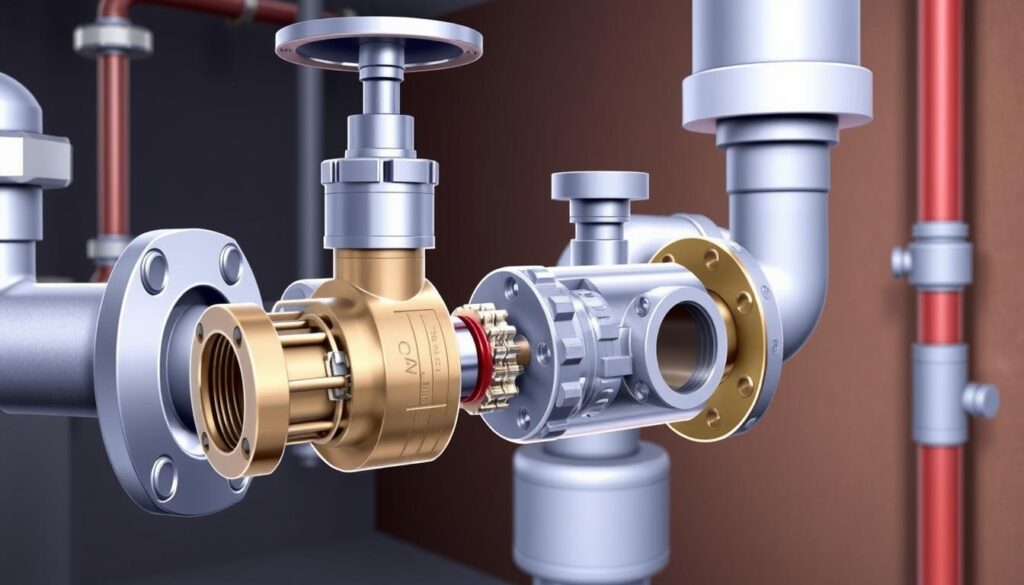
An RPZ, or Reduced Pressure Zone valve, is a special backflow prevention device. It keeps your water supply safe from harmful cross-connections. Unlike regular valves, an RPZ valve creates a barrier. This barrier stops contaminated water from getting back into your clean water system.
Water safety is more than just a technical issue—it’s about keeping your family healthy. The RPZ valve is more than just plumbing; it’s a protector. It makes sure the water you drink is pure and safe.
Key Takeaways
- RPZ stands for Reduced Pressure Zone in plumbing systems
- Protects drinking water from possible contamination
- A key safety device for homes and businesses
- Many local and state building codes require it
- Offers a high level of backflow prevention
Table of Contents
Understanding RPZ: The Basics of Reduced Pressure Zone Devices
A reduced pressure zone backflow preventer (RPZ) is a key safety tool in plumbing. It stops contaminated water from flowing back into clean water supplies. Knowing how RPZ devices work helps us see their role in keeping our water safe and healthy.
RPZ systems are built with care to protect our water. They use a special way to stop contaminated water from getting back into our clean water.
Key Components of RPZ Systems
The RPZ backflow preventer has a few important parts:
- Two independent check valves
- A pressure-monitored chamber
- Differential pressure relief valve
- Test cocks for maintenance
How RPZ Devices Function
An RPZ device works by managing pressure. It creates a zone of reduced pressure between two check valves. This stops contaminated water from flowing back into our clean water.
Primary Applications in Plumbing
RPZ systems are vital in places where keeping water clean is a must:
| Application | Risk Level | RPZ Necessity |
|---|---|---|
| Industrial Boilers | High | Essential |
| Irrigation Systems | Medium | Recommended |
| Fire Suppression Systems | High | Critical |
Using a reduced pressure zone backflow preventer keeps our water safe from harmful contaminants.
What Does RPZ Stand for in Plumbing?
RPZ in plumbing means a key water safety solution. It stands for Reduced Pressure Zone, a valve that keeps drinking water safe. This valve is designed to stop backflow in water systems.
The RPZ valve is more than just a device. It’s a complex system made to protect water from harmful substances. It keeps public water safe from contamination.
- RPZ helps prevent backward water flow
- Protects drinking water from possible dangers
- Meets strict water safety rules
An RPZ valve acts as a pressure barrier. It stops contaminated water from entering clean systems. Unlike simple check valves, RPZs have advanced internal systems for extra protection.
“Water safety starts with using advanced technologies like RPZ valves.” – Water Safety Expert
Experts say RPZ valves are vital for keeping water clean everywhere. They’re used in hospitals, offices, and factories. These valves are key to keeping people healthy.
The Critical Role of RPZ in Water Supply Protection
Keeping your water safe is key for public health. Reduced Pressure Zone (RPZ) devices are vital in protecting water systems. Knowing the rpz plumbing code helps keep your water clean and safe.
RPZ devices are amazing inventions that stop dangerous backflow. They act as strong barriers against harmful substances. This keeps your water safe from chemicals, germs, and other contaminants.
Preventing Backflow Contamination
Backflow happens in two main ways:
- Back pressure: When the pressure downstream is higher than the supply pressure
- Back siphonage: Negative pressure that can let contaminants in
Public Health Safety Measures
RPZ devices have many safety features. The rpz plumbing code requires these advanced designs. They help reduce the risk of contamination:
- Dual check valve system
- Pressure differential monitoring
- Automatic relief mechanisms
Regulatory Requirements
Local and national laws demand strict RPZ standards. They require:
| Requirement | Frequency |
|---|---|
| Initial Installation Inspection | Before operational use |
| Annual Testing | Once per calendar year |
| Comprehensive Maintenance | Every 3-5 years |
Managing RPZ systems well keeps your water quality and public safety safe for a long time.
Common Installation Locations for RPZ Valves
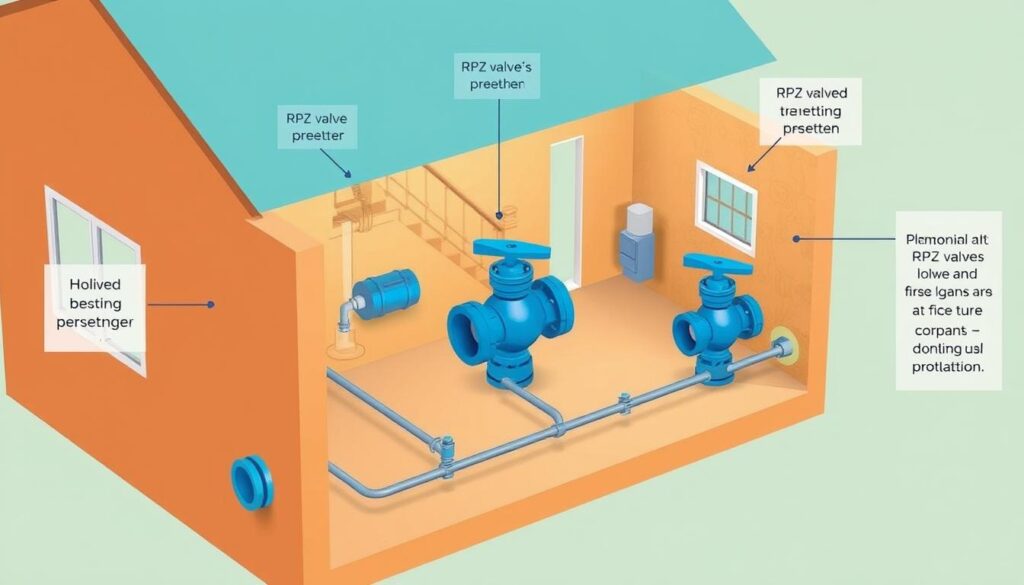
RPZ backflow preventers are key in places where water can get contaminated. Knowing where to put these devices is vital to keep your water safe.
In commercial and industrial places, it’s important to install RPZ valves correctly. This is to protect big water systems from harmful contamination.
- Commercial Buildings: Office complexes, hospitals, and large multi-story structures
- Industrial Facilities: Manufacturing plants, chemical processing centers
- Agricultural Settings: Irrigation systems with chemical risks
Here are some main places for RPZ valve installation:
- Fire suppression systems
- Large commercial boilers
- Cooling towers
- Chemical processing equipment
- Agricultural irrigation networks
Even homes might need RPZ valves, if they have special water systems or contamination risks. Your local plumbing codes can help figure out what you need.
Getting a professional to check is key to find the best spot for your RPZ valve.
RPZ Valve Design and Construction Features
Exploring an rpz backflow device’s design and build is key for water safety. Its advanced engineering keeps drinking water safe from contamination.
An rpz backflow device is a complex system. It has mechanical parts that stop water from flowing backward. This ensures the water supply is safe.
Check Valve Mechanisms
The heart of an rpz backflow device is its two main check valves. They work together to stop backflow:
- First check valve stops contamination from coming in
- Second check valve adds extra safety
- Intermediate pressure chamber checks for leaks
Relief Valve Operation
The differential pressure relief valve is vital. It releases extra pressure through a drain if needed.
Test Ports and Isolation Valves
Design features make maintenance easier:
- Test ports check the device’s performance
- Isolation valves let you test parts separately
- Modular design makes inspections simple
Knowing these details helps managers keep water systems safe from contamination.
Maintenance Requirements and Testing Procedures
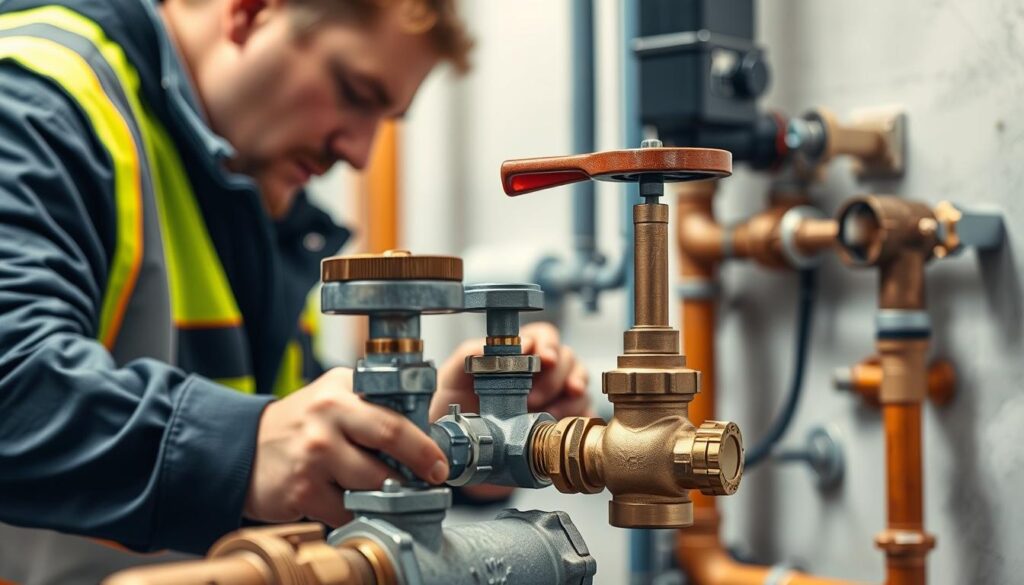
Keeping your RPZ backflow prevention device in good shape is key for water safety. Regular maintenance stops contamination in your water supply. It’s important for property owners to know how to keep these systems working right.
Professional rpz backflow testing is more than just looking at the device. Certified techs use special tools to check how well it works and find any problems. Annual tests are a must for many places to follow water safety rules.
- Do annual professional checks
- Use certified techs with special tools
- Make sure all parts work right
- Keep records and send in reports
The testing process has a few key steps:
| Testing Step | Purpose |
|---|---|
| Pressure Differential Check | Check if the valve manages pressure well |
| Seal Integrity Test | Make sure there’s no chance of contamination |
| Mechanical Component Inspection | Look for wear, damage, or failure risks |
Regular maintenance stops expensive repairs and health risks. Keeping up with RPZ valve care protects your water and meets safety standards.
Comparing RPZ to Other Backflow Prevention Methods
Protecting your water supply is key. Knowing the different backflow prevention methods is important. The reduced pressure zone backflow preventer (RPZ) is a standout. It offers unique benefits in keeping water systems safe.
Choosing the right backflow prevention device depends on your needs. Each method has its own strengths for different situations.
Double Check Valve Assemblies
Double check valve assemblies offer basic protection but don’t match RPZ’s strength. They’re good for low-risk areas where contamination is unlikely.
- Less expensive than RPZ systems
- Suitable for low-risk water connections
- Limited protection against significant contamination
Air Gap Systems
Air gap systems separate water sources physically. They’re effective but need a lot of space and can lower water pressure.
- Provides complete physical separation
- Requires more installation space
- Reduced water flow efficiency
Pressure Vacuum Breakers
Pressure vacuum breakers are good for irrigation but don’t match RPZ’s protection. They’re not as effective in high-risk areas.
RPZ devices are the top choice for critical needs. They offer better protection and meet strict safety standards.
Water safety is not a compromise – choose the right backflow prevention method for your specific needs.
Common Problems and Troubleshooting RPZ Devices
RPZ valve maintenance is key to keeping water safe. Spotting early signs helps avoid bigger issues with your reduced pressure zone valve system.
When doing routine rpz valve maintenance, you might find a few common problems. These need quick action:
- Continuous water discharge from the relief valve
- Visible leaks around valve connections
- Unusual pressure fluctuations
- Reduced water flow rates
Water discharge from the relief device usually means there’s a problem inside the valve. This could be due to two main reasons:
- Check valves are leaking past their shutoff seats
- The relief valve mechanism has become faulty
| Symptom | Potential Cause | Recommended Action |
|---|---|---|
| Constant water discharge | Worn check valve seals | Professional inspection required |
| Pressure inconsistencies | Damaged relief valve | Immediate valve replacement |
“Proactive maintenance prevents costly water system failures.” – Plumbing Industry Experts
When fixing RPZ devices, always get a pro’s opinion. Some small issues can be fixed with basic maintenance. But, serious problems need special skills to keep water safe and systems working right.
Conclusion
RPZ stands for Reduced Pressure Zone, a key part of modern plumbing. It keeps water safe from contamination. Knowing about RPZ in plumbing is important for keeping water safe at home or work.
Keeping water safe is not just a rule; it’s a health must. RPZ devices stop backflow, which could bring harmful stuff into your water. Plumbers and property owners need to know how to install, maintain, and test RPZ valves right.
If you run a business or own a home, knowing about RPZ systems helps you make smart choices about water safety. Investing in good RPZ devices and regular maintenance means clean, safe water for everyone. It also keeps your water system and health safe from contamination risks.
As water safety rules change, it’s key to keep up with RPZ technology. By understanding and using these important plumbing tools, you can avoid expensive water problems. And you’ll keep everyone’s health safe by ensuring clean water.